
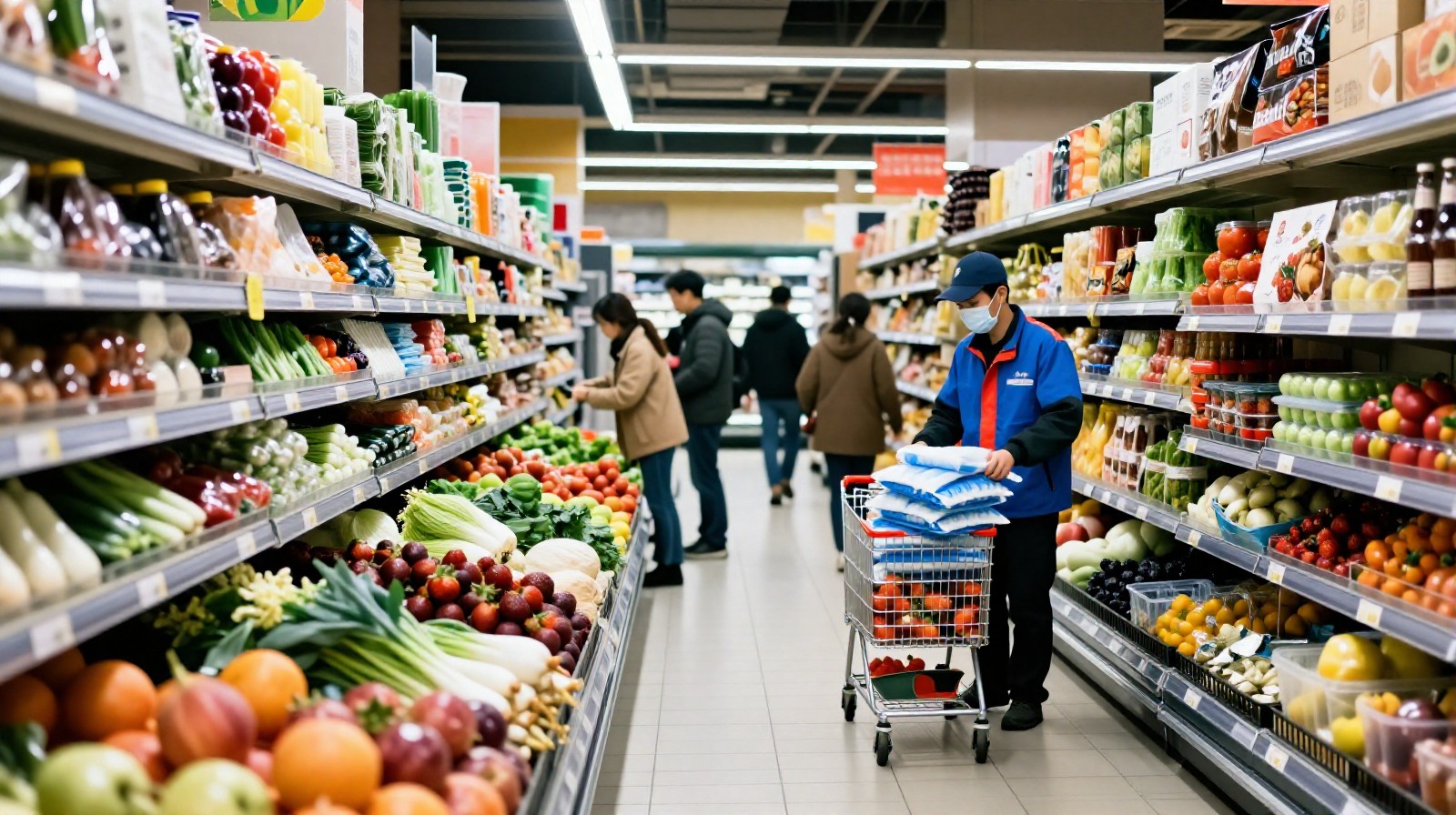

Midnight in Shenzhen: The Supermarket That Never Sleeps
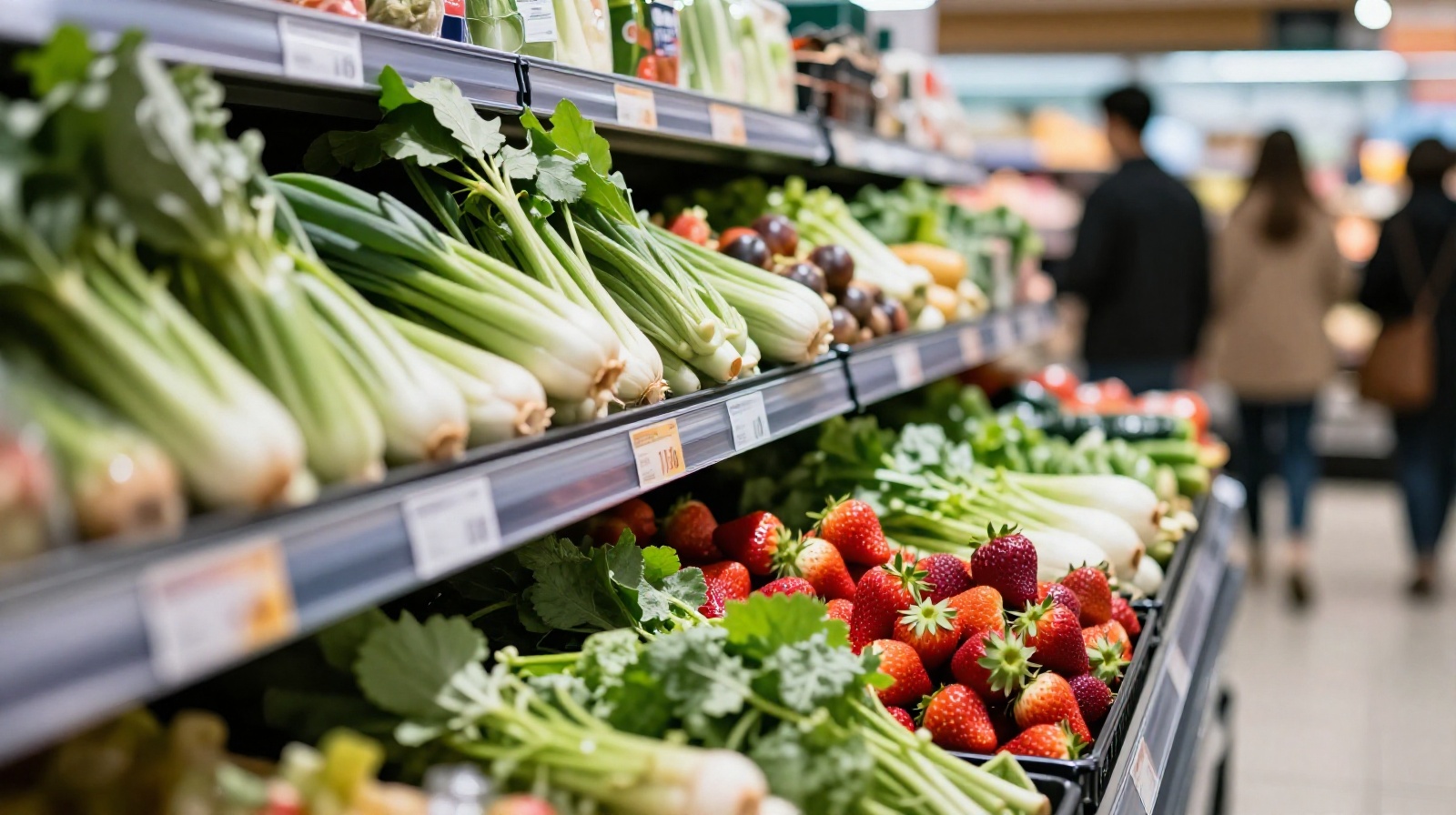
I arrived in Shenzhen late at night, expecting the kind of quiet grocery store that closes by 9 PM. Instead, I found myself standing in a brightly lit aisle at midnight, surrounded by mountains of fresh strawberries, leafy greens, and live crabs. A mother was selecting vegetables for dinner while her toddler played nearby; a delivery driver was restocking shelves with ice packs. For an American used to the late-night convenience of gas station snacks but the limited variety of 24-hour stores, this scene was startling.
“Why is everything so fresh?” I asked the store manager, Li Wei. “Strawberries usually bruise in transit,” he replied with a smile. “In China, they travel fast.” This simple observation opened my eyes to the complexity of what Westerners call “food security.” Here, it’s not just about having enough calories; it’s about access to fresh, diverse produce at any hour.
The Cold Chain Mystery: How Strawberries Beat the Clock
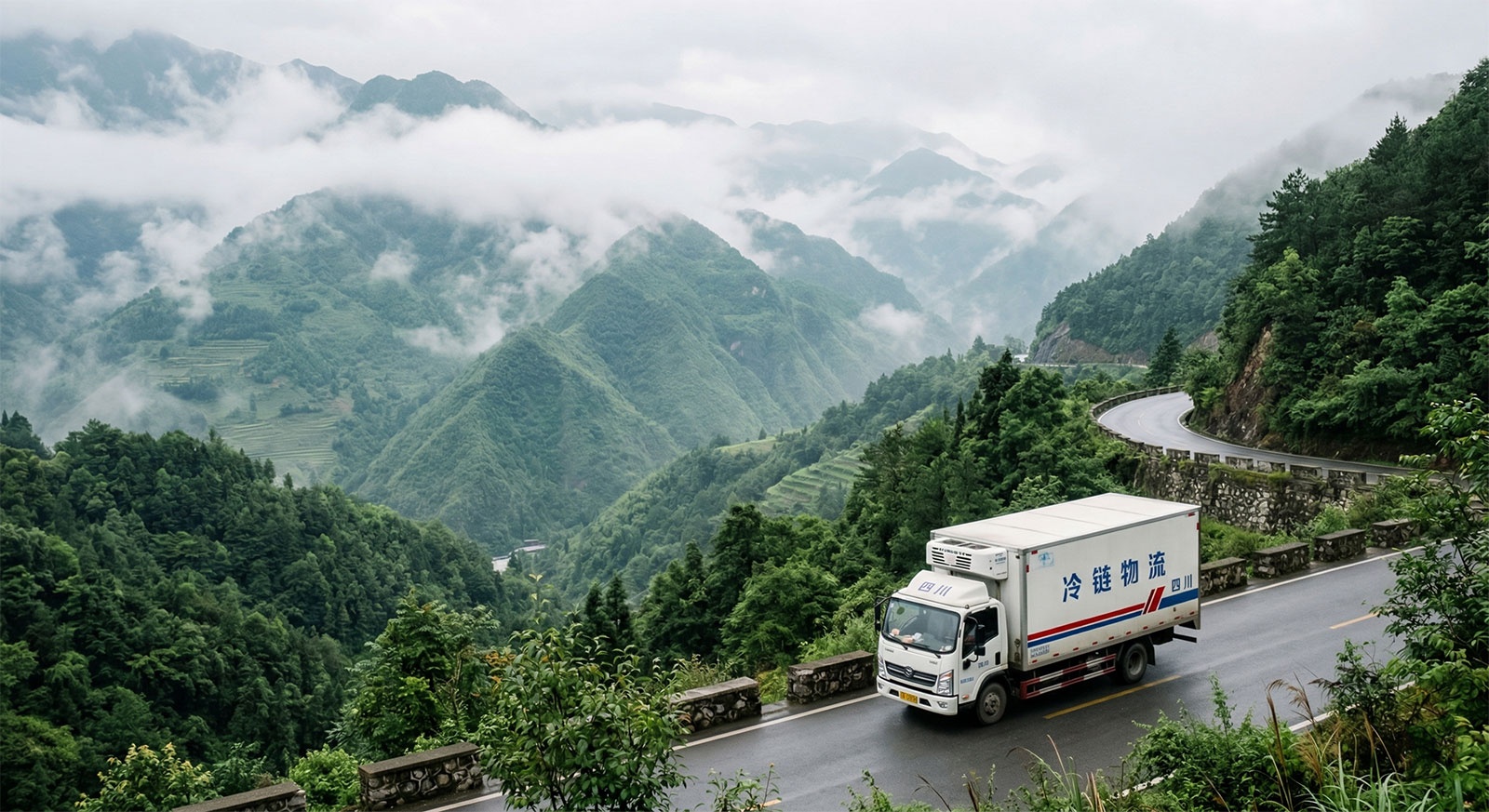
Two weeks later, I traveled to Sichuan Province to see where those strawberries came from. The farm is high in the mountains, a stark contrast to the urban sprawl of Shenzhen. Yet, within 24 hours, those berries were on my table in Beijing.
In the US, getting fresh produce across such distances often means compromising quality or paying a premium for “local” labels. In China, a massive infrastructure project known as the “Cold Chain” makes this routine. These are not just refrigerated trucks; they are temperature-controlled containers that maintain precise humidity and cold levels from harvest to shelf.
Li explains how digital sensors track every step. If the temperature spikes even slightly, an alert goes out instantly. This technology reduces food waste significantly—estimates suggest over 30% of produce in developing nations spoils before sale, whereas China’s system keeps that figure much lower for high-value crops like berries and greens.
Beyond Rice Bowls: The New Face of Rural Youth
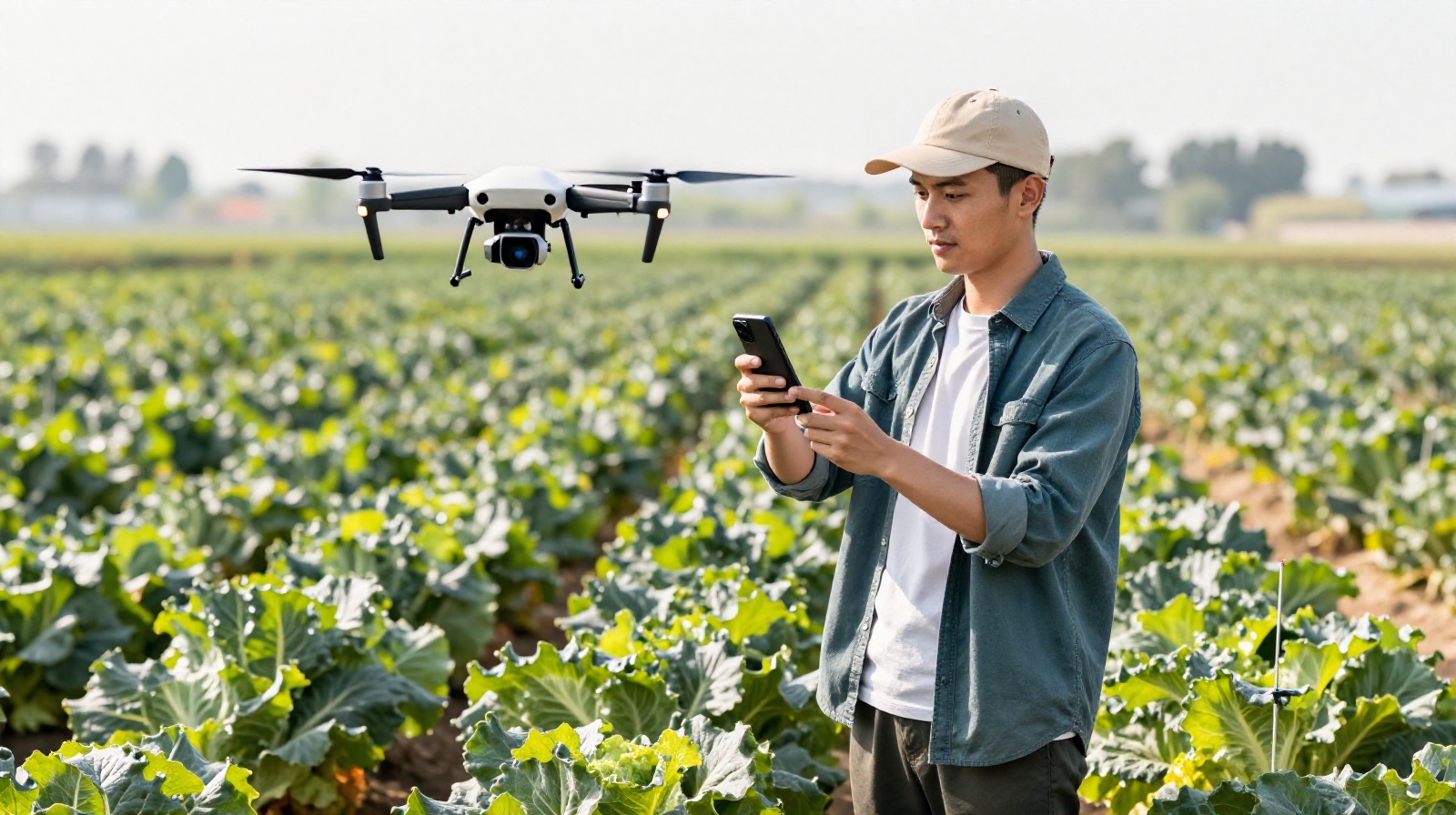
Walking through the fields near Chengdu, I met Chen Xiao, a 26-year-old who grew up in the city but returned to farm. “My parents wanted me to be an engineer,” he told me. “But I found something better.” He uses drones to monitor crop health and smartphones to sell directly to consumers via live-streaming auctions.
This is a massive shift from the old stereotype of rural life as backbreaking, low-tech labor. E-commerce platforms are connecting farmers directly to city tables, bypassing layers of middlemen who used to take huge cuts of the profit. For Chen, farming isn’t just about survival; it’s about entrepreneurship.
The “basket” miracle isn’t just logistics; it’s social transformation. Young people are returning to villages because the digital economy has made rural life viable again. They aren’t just growing rice anymore; they are managing supply chains, branding their produce, and competing in a global market.
Safety on a Plate: Trust Through Technology
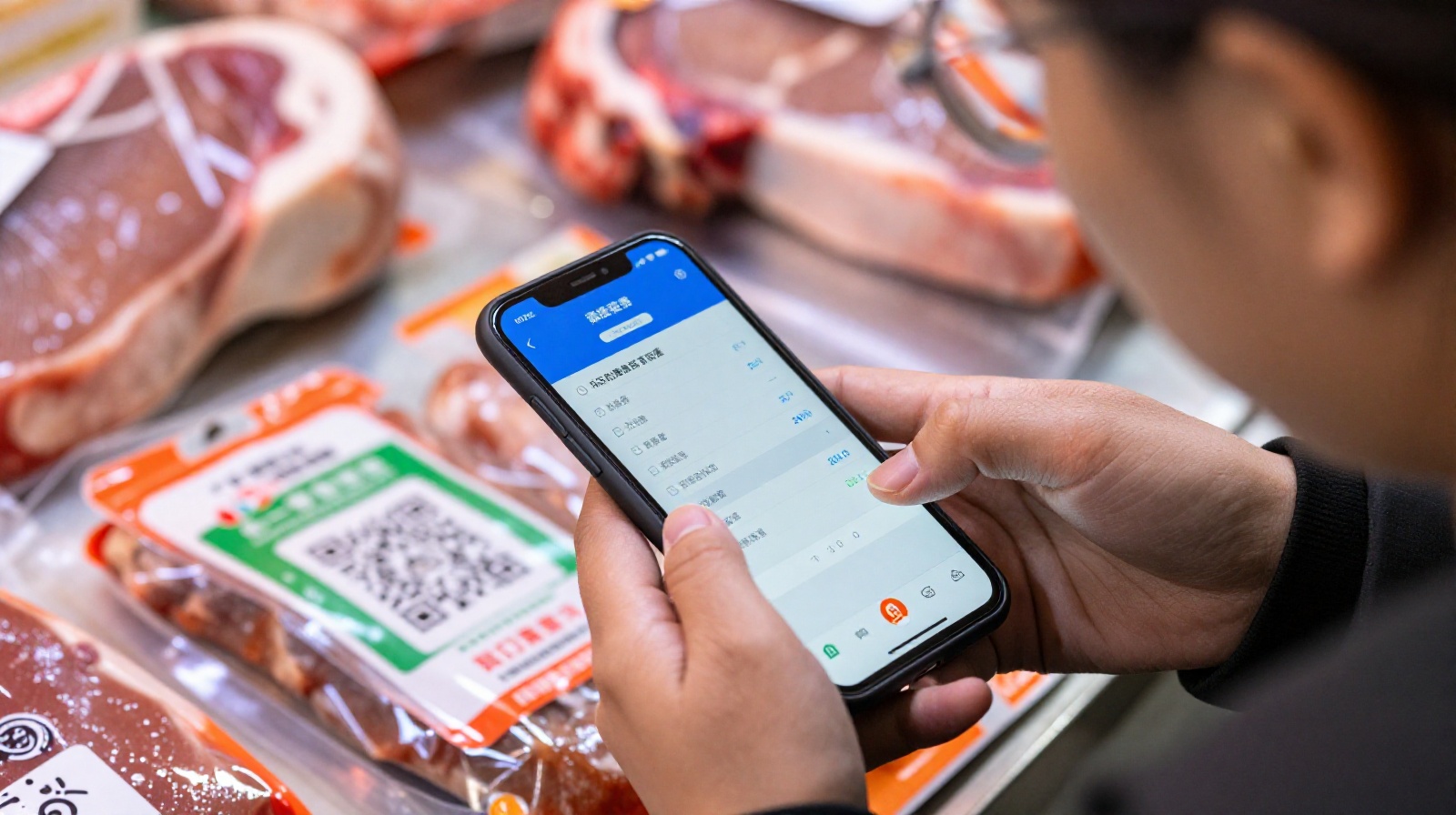
In many Western countries, food safety scandals often lead to a loss of public trust. In China, the government has responded with aggressive digital traceability systems. At a local wet market in Guangzhou, I watched a woman scan a QR code on a package of pork.
Her phone instantly displayed the farm’s location, the date of slaughter, and even the testing results for antibiotics. “I know exactly where my food comes from,” she said. This level of transparency is rare globally. It addresses the deep-seated fear that has plagued Chinese consumers since past contamination scares.
The system relies on a dense network of data collection points. Every truck, every warehouse, and every market stall feeds information into a central database. While no system is perfect, this digital layer provides a safety net that makes the supply chain more resilient and accountable than traditional models.
A Shared Meal: What Food Security Really Means
My journey ended not in a boardroom or a policy institute, but at a small family dinner in Beijing. The host, an elderly couple I had met during my travels, served a meal that included the Sichuan strawberries and green vegetables from Shenzhen.
“We don’t worry about empty shelves,” the grandmother said, pouring tea. “We worry about quality now.” For her generation, who lived through times of scarcity, food security used to mean simply having enough to eat. Today, it means having access to safe, fresh, and varied food at any time.
This shift in perspective—from quantity to quality—is the real story of China’s “basket” miracle. It is a system that integrates high-speed logistics, digital innovation, and rural revitalization to ensure that ordinary citizens can enjoy a modern diet without the anxiety of scarcity.
The next time you see fresh produce in a Western supermarket late at night, remember the journey it took. In China, that journey happens so seamlessly that we barely notice it. But for millions of people, it is the foundation of daily life and peace of mind.