
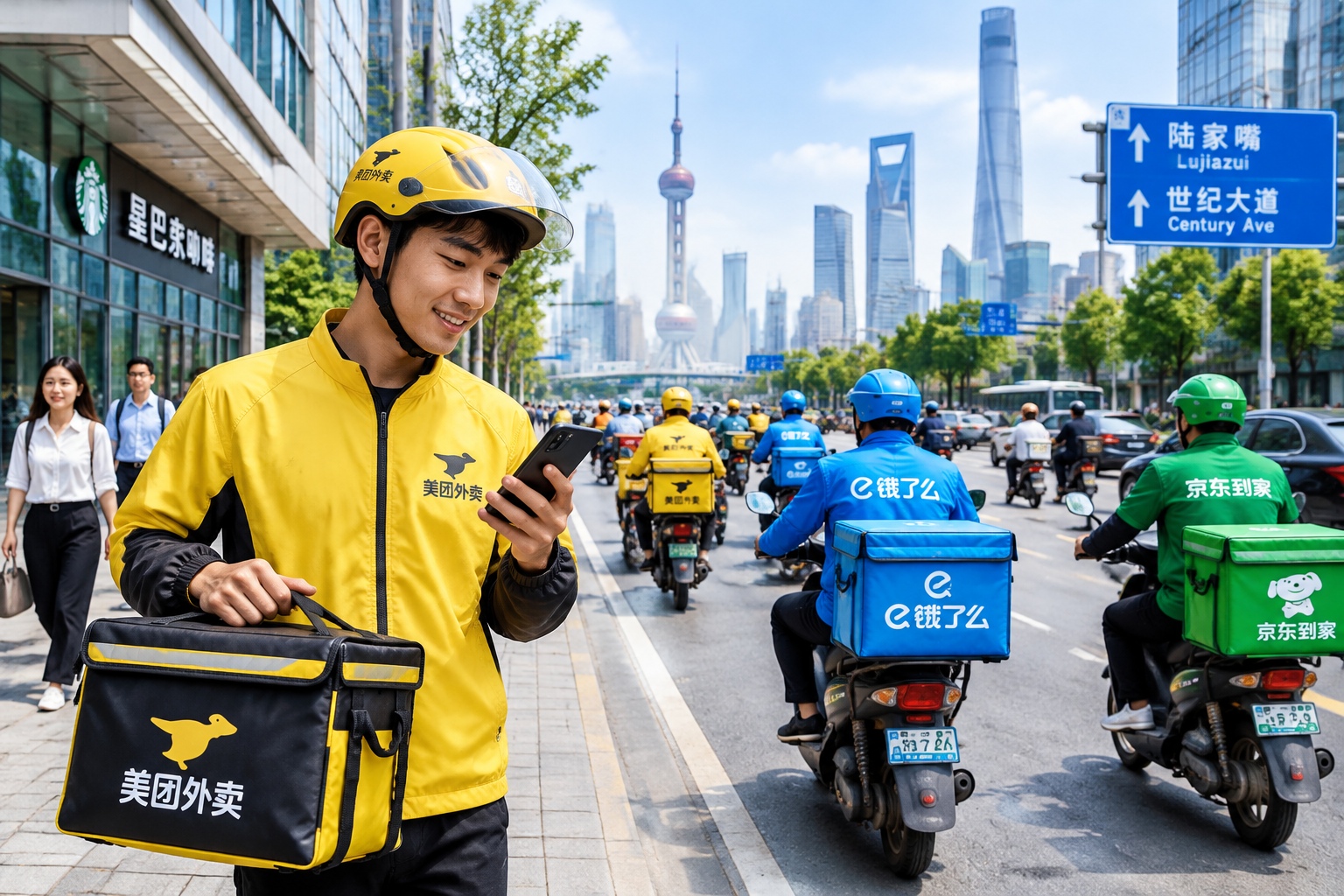

When Your Lunch Arrives Before the Coffee
I ordered a bowl of spicy beef noodles at 11:50 AM. By 12:08 PM, I was slurping them down in my office cubicle in Shanghai. Meanwhile, the coffee machine downstairs was just beginning to gurgle its first drop. In many parts of the world, ordering food is a waiting game involving phone calls or apps that promise “20-30 minutes.” Here, the expectation isn’t speed; it’s lightning.
This isn’t magic. It’s a hyper-efficient system built on three pillars: dense urban planning, millions of scooter riders, and an algorithmic brain that predicts your hunger before you do. The average delivery time in major Chinese cities hovers around 30 minutes for food, sometimes under 20 during peak lunch hours.
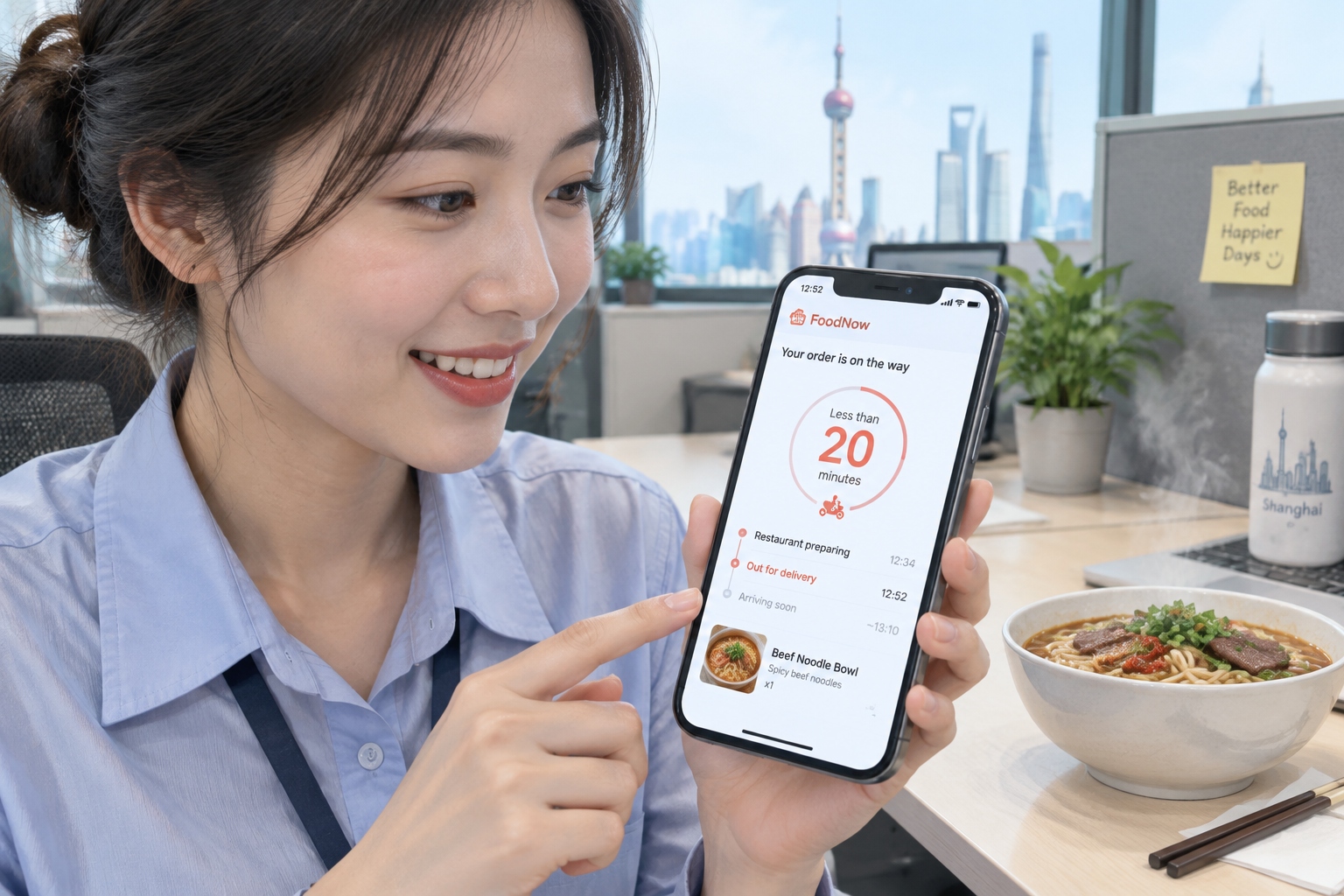
The Swarm: Where Did All These Scooters Come From?
Walk out of any subway station in Beijing or Chengdu at noon, and you might feel like you’re walking into a bee hive. Hundreds of riders in yellow, blue, or green uniforms line up near the exits, waiting for orders to pop up on their phones.
This isn’t chaos; it’s choreography. These riders are the muscle of the city’s digital nervous system. They navigate narrow alleys, squeeze through pedestrian crowds, and zip past traffic jams that have brought cars to a standstill. For them, the city is not a grid of streets but a series of optimized routes.
One rider I spoke to in Hangzhou told me he makes about 20 deliveries a day during his shift. “The algorithm tells me exactly which order goes where,” he said. “If I stop at a red light for too long, the system flags it.” It sounds intense, but it’s the only way these orders move that fast.
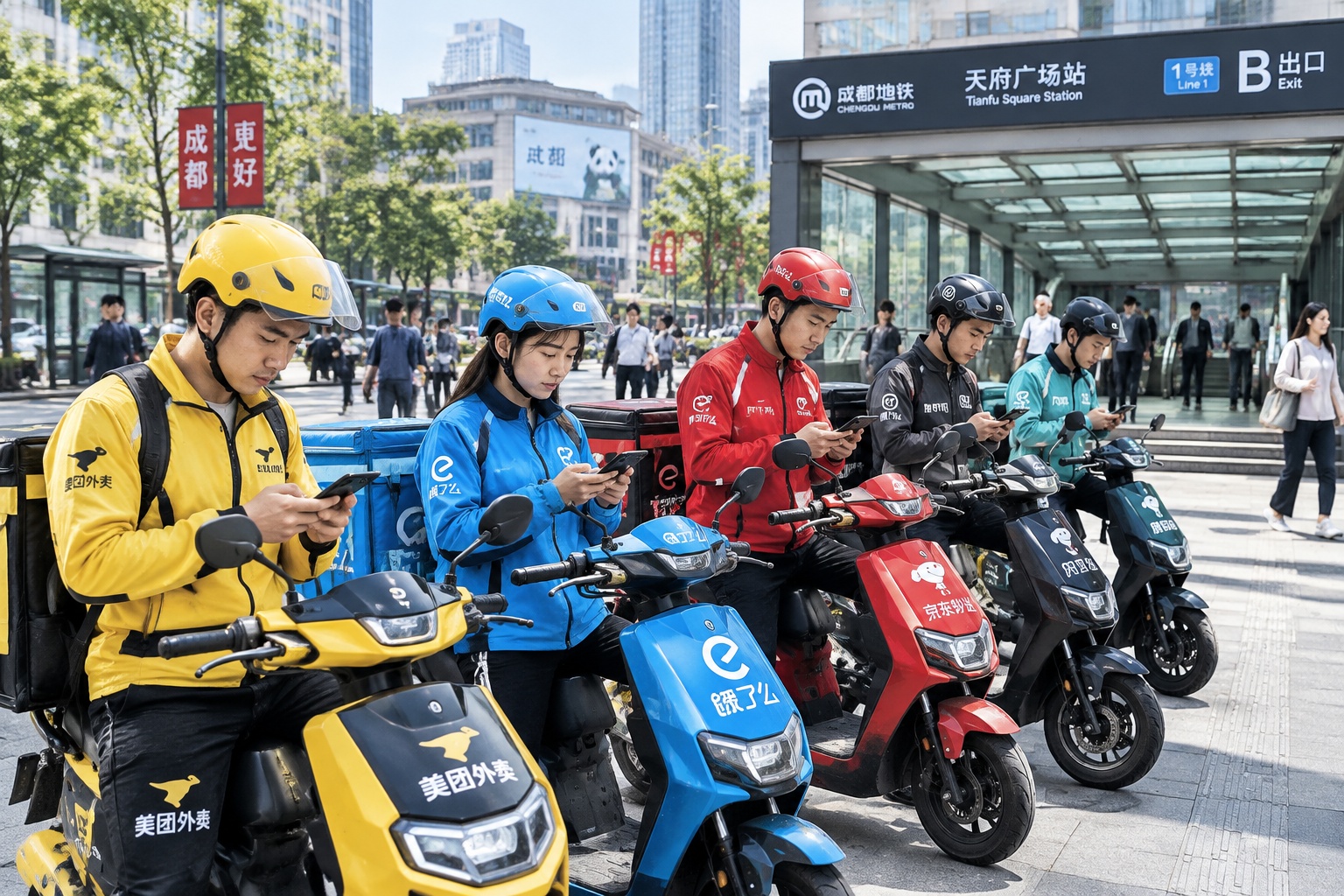
The App That Knows You Better Than Your Mother
Apps like Meituan and Ele.me are not just food delivery tools; they are the operating systems of daily life. You can order groceries, medicine, flowers, or even a mechanic to fix your leaking faucet.
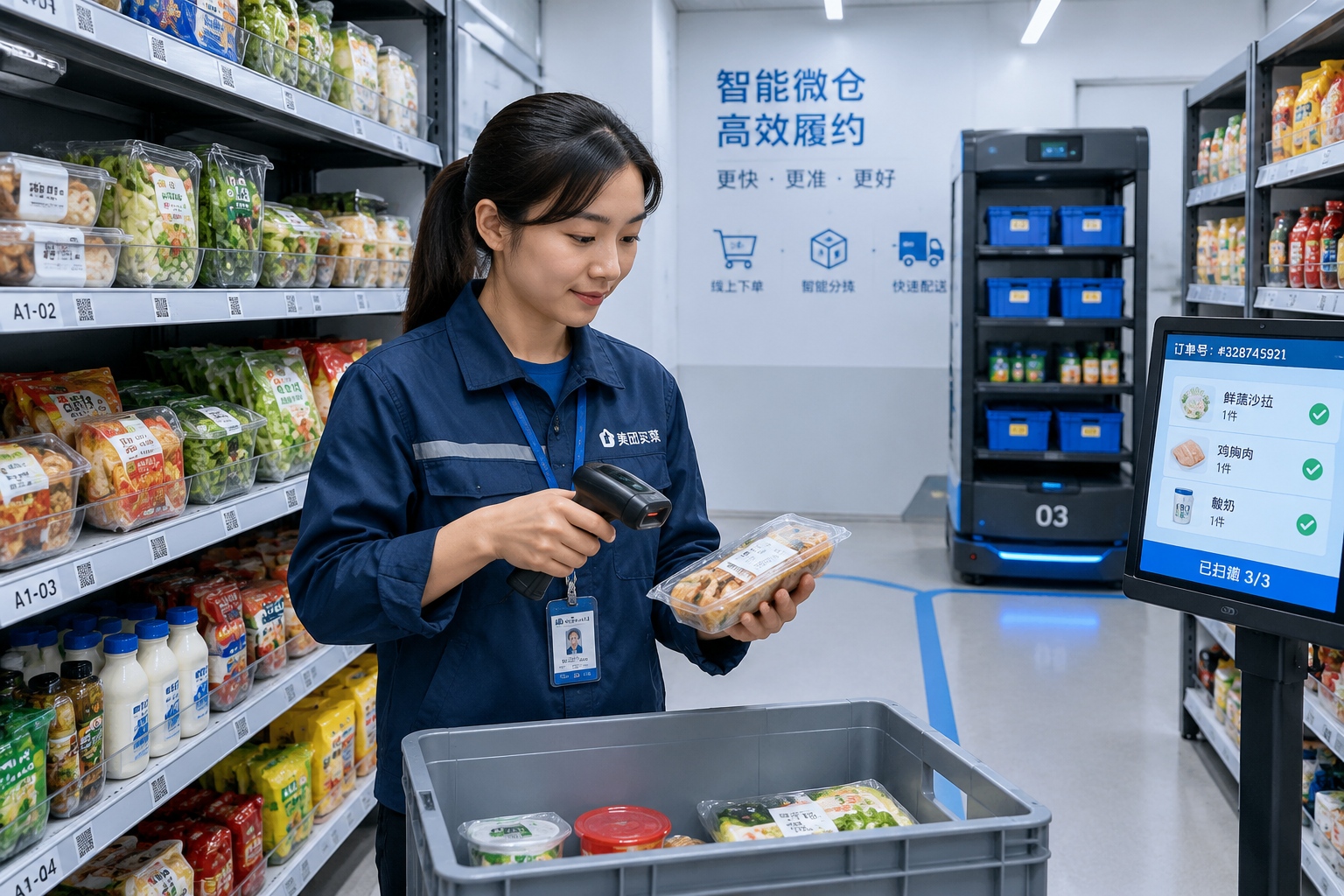
But the real magic is the prediction engine. These platforms analyze millions of data points: local weather, traffic patterns, and even when you usually scroll past ads without clicking. Based on this, they pre-position inventory in small “dark stores” just blocks away from residential areas. When you click “buy,” the food has already been packed for 90% of cases.
In a Western city, if you order dinner at 6 PM, you might be waiting until 7:30 PM. In China, that same meal could land on your doorstep by 6:45 PM. The speed isn’t just about the rider; it’s about the supply chain moving in milliseconds.
More Than Just Food: A Lifestyle Shift
This speed has fundamentally changed how people live. In the past, eating out meant planning ahead. Now, spontaneity is king. You can decide at 10 AM that you want sushi for lunch and have it by noon without leaving your desk.
For young professionals in tier-1 cities like Shanghai, this isn’t a luxury; it’s a necessity. The 9-to-6 work culture (or the infamous “996” grind) leaves little time for cooking or commuting to restaurants. Delivery bridges the gap between a hectic schedule and a decent meal.
However, it’s not without its quirks. I once watched a delivery rider drop off an order at my building’s lobby, only to realize he had forgotten the chopsticks. He didn’t have time to go back to the store; instead, he used his phone to request spare utensils from a nearby convenience store, which arrived in 4 minutes.
The Human Cost of Speed
While the speed is impressive, it comes with real challenges. The pressure on riders to meet these tight deadlines can be immense. There have been reports of accidents and health issues due to the relentless pace. The system rewards efficiency over caution, which creates a tense environment for the workers.
But looking at the bigger picture, this “lightning” routine is more than just about getting food fast. It reflects a society that has embraced digital integration wholeheartedly. From the moment you wake up to check your health data, to ordering lunch via an app, to paying for everything with a QR code, technology is the invisible thread weaving through daily life.

Why This Matters to You
If you think of China only through old stereotypes—slow bureaucracy or rigid state control—you’ll miss the dynamic reality on the ground. The speed of delivery in Shanghai, Shenzhen, or even smaller cities is a testament to how technology can be woven into the fabric of everyday life.
It’s not about having the most expensive gadgets; it’s about using them to solve real problems. Whether you’re a busy parent, a student, or a freelancer, the ability to get what you need in minutes changes the rhythm of your day. It gives back time—time to rest, to work, or simply to enjoy life.
So next time you order food and it takes 45 minutes, maybe envy the Chinese colleague who just got their lunch before you even finished your morning coffee break.
Start the discussion at forum.chinacomes.com