
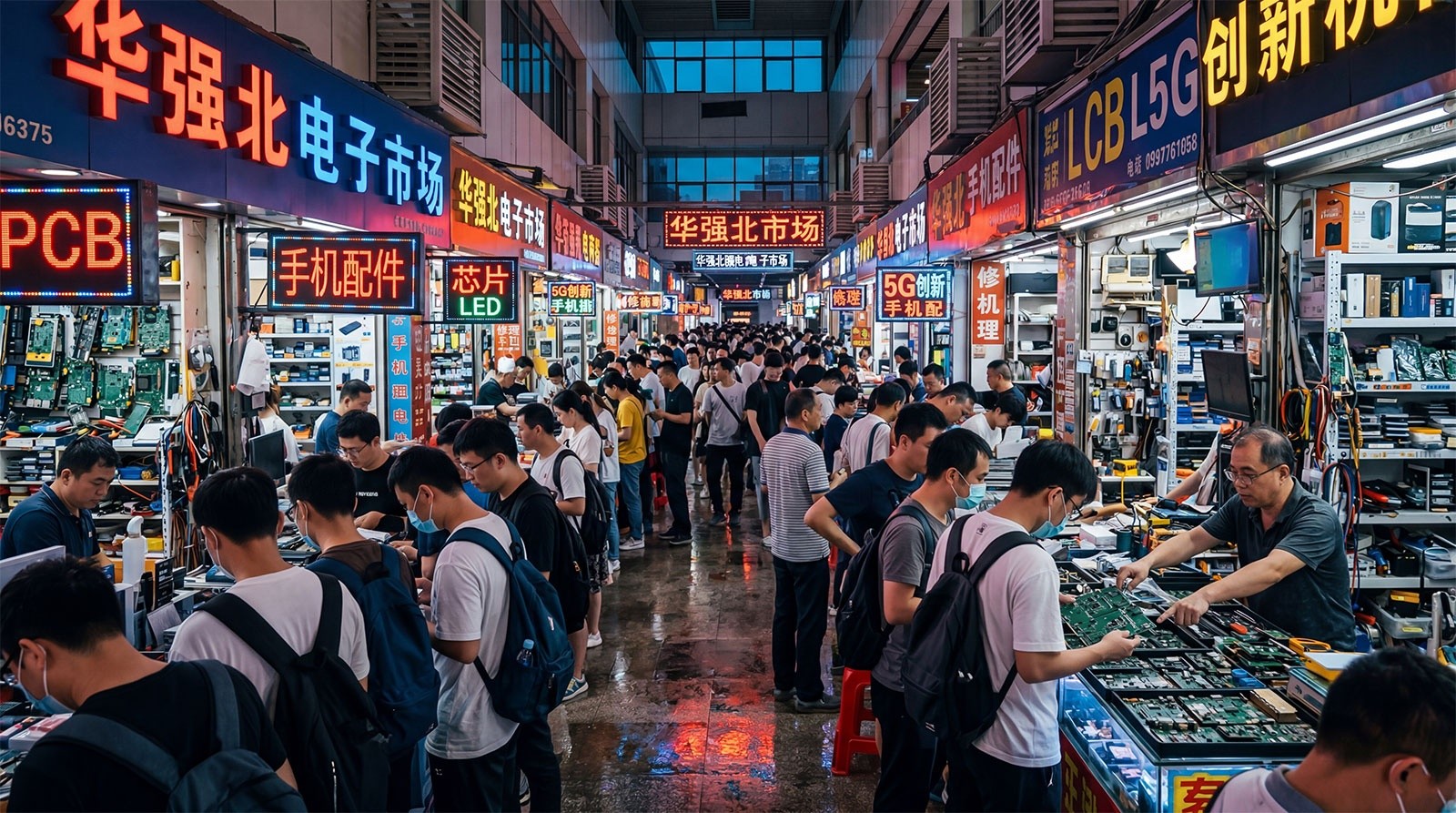

8:15 AM in Huaqiangbei: The Scent of Flux and Plastic
The air smells of soldering iron, hot plastic, and instant noodles. It is 8:15 a.m. on a Tuesday in Shenzhen’s Huaqiangbei district. Outside the glass doors of “ElectroWorld Building 3,” delivery scooters weave through pedestrians like silver fish in a current. Inside, the noise is a constant hum—cash registers clicking, workers shouting part numbers in Cantonese and Mandarin, and the whir of drills.
This is not a museum of technology. It is a living, breathing workshop where global innovators come to solve one fundamental equation: How fast can we build this?
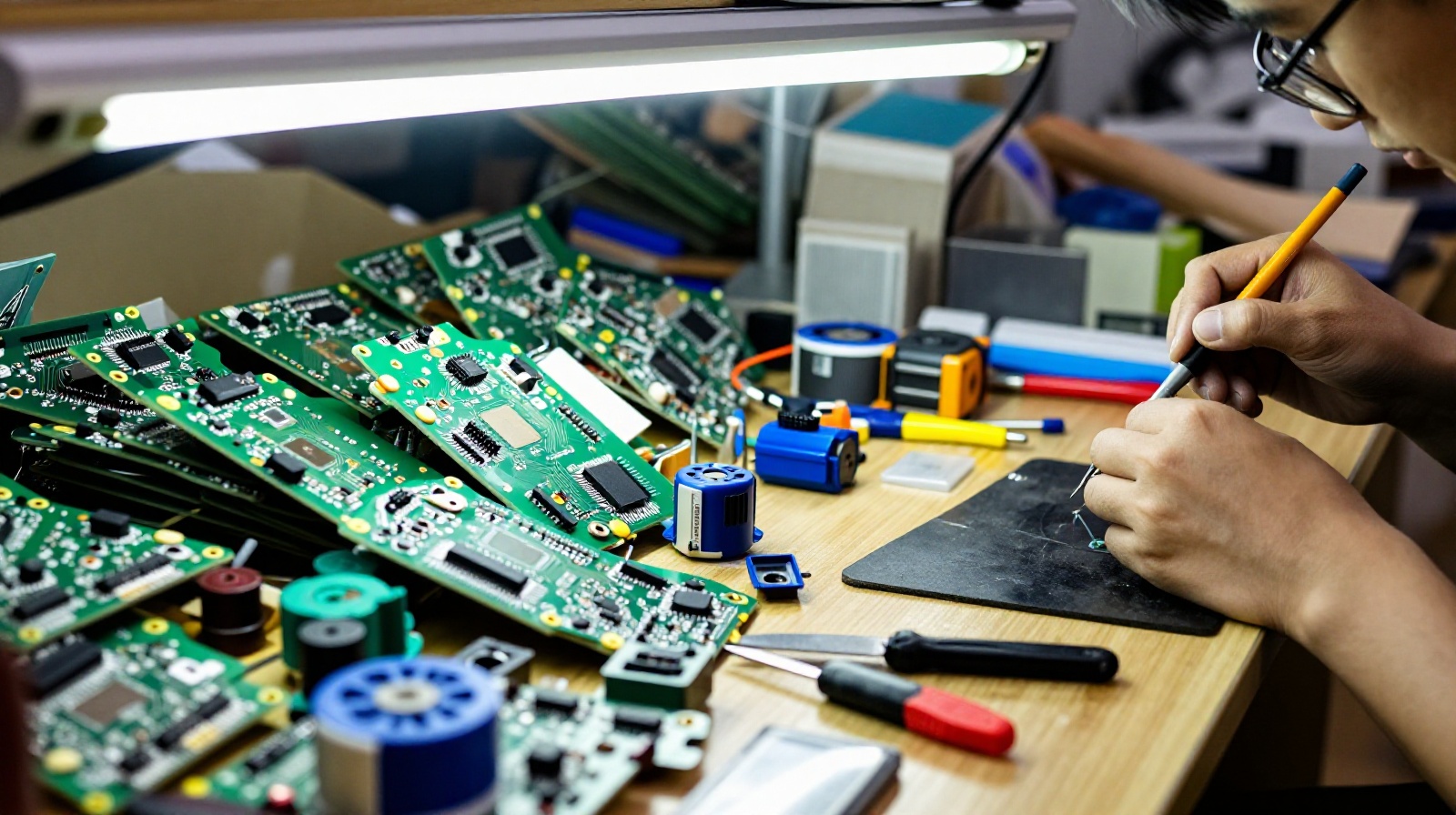
Welcome to the world’s most efficient hardware supply chain. For an American or European founder, shipping a prototype from Silicon Valley to China often takes weeks and costs thousands in logistics fees. Here, if you need 50 custom PCBs (printed circuit boards), a specific motor, or a 3D-printed casing, the answer is usually: “Come back tomorrow.” Or sometimes, “Wait two hours, I’ll make it for you now.”
The Myth and Reality of “Shenzhen Speed”
When people talk about “Shenzhen Speed,” they often imagine a high-speed train or a neon-lit cityscape. But for the average engineer sitting in a 10-square-meter office, speed looks different.
Take Li Wei (name changed), a local mechanical designer who works with several foreign startups. He remembers a project from last year where a German client needed a waterproof housing for a smart sensor. In Berlin, the process would involve waiting weeks for mold tooling to be designed, approved, and manufactured abroad. In Shenzhen, Li Wei took photos of the design at 9 a.m., drove three blocks to a factory with an injection molding machine, and had the first physical parts ready by 6 p.m.
“The difference isn’t magic,” Li says, wiping grease from his hands. “It’s about proximity. The designer, the mold maker, and the assembler often live in the same neighborhood. We can walk to their desk if there is a problem.”
This frictionless ecosystem allows for what Western founders call “agile manufacturing” on steroids. A mistake made at 10 a.m. can be corrected by 2 p.m., meaning five iterations of a product in a single week.
The Math: Why Cost Still Matters More Than Brand
For many global startups, the decision to come to Shenzhen isn’t just about speed; it’s about survival. The cost gap is staggering.
In Silicon Valley, prototyping a simple smart home device might run $50,000 in development fees and tooling costs before a single unit is sold. In Shenzhen, that same journey—design, mold creation, sourcing components, and assembling 1,000 units for testing—can be done for under $15,000.
I spoke with Sarah Jenkins (name changed), an ex-Googler who founded a startup producing drone batteries in Shenzhen. She showed me her invoice. “In the US, I would have burned through my seed funding just to get one prototype,” she said. “Here, I spent less than $2,000 to test three different battery chemistries. That’s not just saving money; it’s buying time to fail and learn.”
This economic reality has democratized hardware innovation. You no longer need a venture capital firm with deep pockets to build a physical product. A team of three friends with a laptop can now compete with established giants because the barrier to entry—the cost of making things—has collapsed.
Beyond the Gadget: Innovation in Daily Life
The ripple effects of this hardware boom extend far beyond the walls of electronics markets. The innovations born here are reshaping how ordinary Chinese people live every day.
Walk through a Shenzhen subway station, and you see the results. Self-check-in kiosks powered by local AI algorithms, robotic cleaning crews sweeping floors while commuters rush to work, and payment systems that work without phones or cards. These aren’t futuristic concepts; they are the baseline of daily life now.
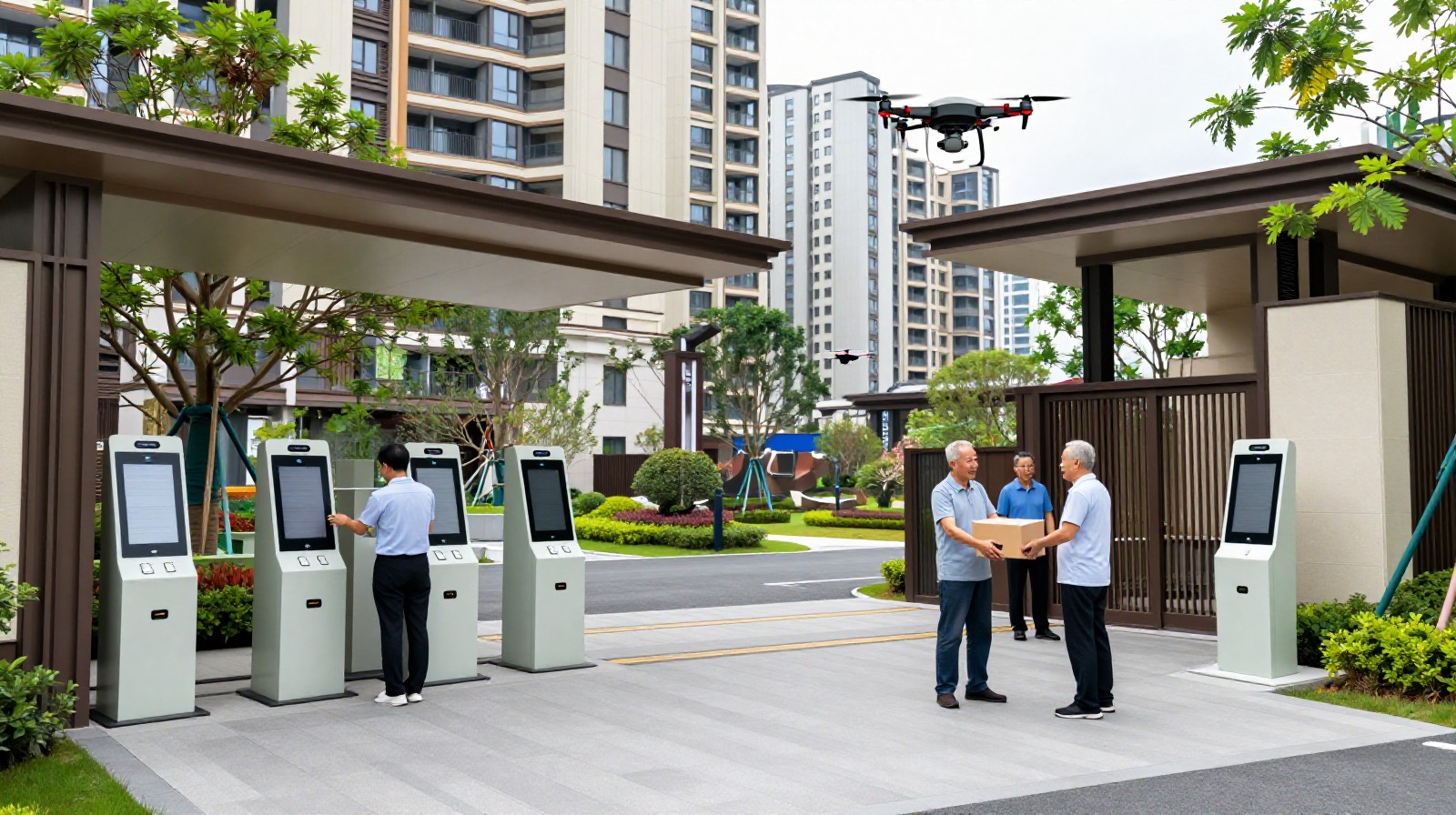
In the neighborhoods, this manifests in the “smart community.” I visited a residential compound where elderly residents use facial recognition to enter their buildings and receive medicine deliveries via drones from nearby clinics. The technology isn’t being tested here; it’s being used.
The Human Element: A Mosaic of Ambition
Who are these people coming here? They aren’t just faceless investors. They are a mix of young Chinese graduates returning home and expats from Europe, the US, and Southeast Asia.
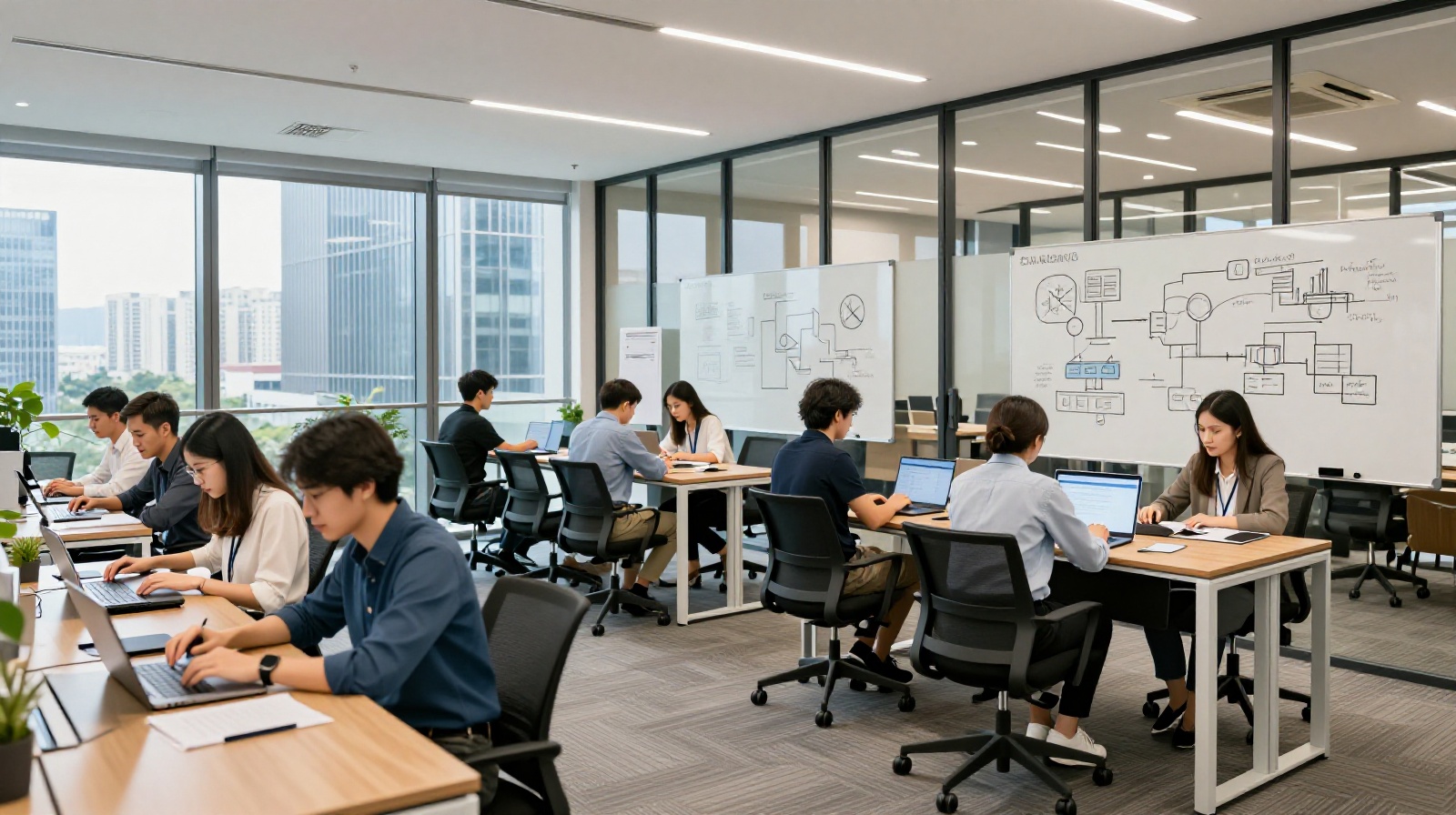
In a co-working space in Nanshan District, I met Ahmed, a 28-year-old from Egypt who moved to Shenzhen three years ago. He speaks broken Mandarin but runs a successful company making solar-powered street lights for African markets. “The people here don’t ask ‘Why not?’ They ask ‘How?'” Ahmed told me while showing off his latest prototype.
Similarly, local youth are driving the change. They are fluent in English, tech-savvy, and deeply connected to global trends. In coffee shops near universities, you’ll find groups of students debating AI ethics or discussing supply chain logistics with the same intensity as finance majors in New York.
A Laboratory for the Future
Shenzhen is often labeled a “factory.” That label feels increasingly outdated. It is, instead, a massive, open-air laboratory where the rules of manufacturing are being rewritten in real-time.
The experiment here isn’t just about making cheaper gadgets. It’s about proving that innovation can be fast, cheap, and accessible to anyone with an idea. For global innovators, Shenzhen offers something Silicon Valley cannot: the ability to turn a sketch into a working product before lunch.
As I walked out of Huaqiangbei at 6 p.m., the sun was setting behind a mix of old factory buildings and new glass towers. The city wasn’t sleeping; it was already planning tomorrow’s prototypes. For those who can keep up with its rhythm, Shenzhen isn’t just a place to build products. It is where the future is being built, one circuit board at a time.