


Why Pay Someone to Drink Your Bubble Tea?
If you walk into a modern Chinese office on a Tuesday afternoon, the air is thick with two things: exhaustion and the sweet, milky scent of bubble tea. But here’s the twist: the person holding the cup might not be drinking it.
Meet “Lin,” a 24-year-old university graduate in Shanghai. She isn’t the one who ordered the five cups of milk tea for her marketing team. She is the “bubble tea substitute.” For a fee of just 5 to 10 yuan (less than $1.50) per cup, Lin drinks the sugary, high-calorie beverages so her colleagues can enjoy the ritual without the guilt. “I’m basically a human waste disposal unit for sugar,” she jokes. “They get the dopamine hit; I get the calories and a small commission.”

This might sound like a bizarre internet meme, but it is a genuine, booming sector of China’s “Proxy Economy” (代经济). It’s not just about drinks. You can hire someone to queue for you at popular restaurants, to stand in line for the latest iPhone launch, to clean your home, or even to cry at funerals for relatives you never met. The most lucrative niche, however, is gaming.
The Gaming Stand-in: Leveling Up Without Lifting a Finger
In the digital realm, the “Proxy Gamer” (代练) is a full-time profession. Imagine you have spent three years grinding through a popular multiplayer game, reaching rank 50. But now, your boss expects you to lead a team in a high-stakes tournament next week. You don’t have the time to practice.
So, you log into a freelance platform and find “ProPlayer_X.” For $50, ProPlayer_X will log into your account for 20 hours, play exactly as you would (or better), and boost your rank to 60 by Monday morning. When you log back in, your character is stronger, faster, and ready to impress.
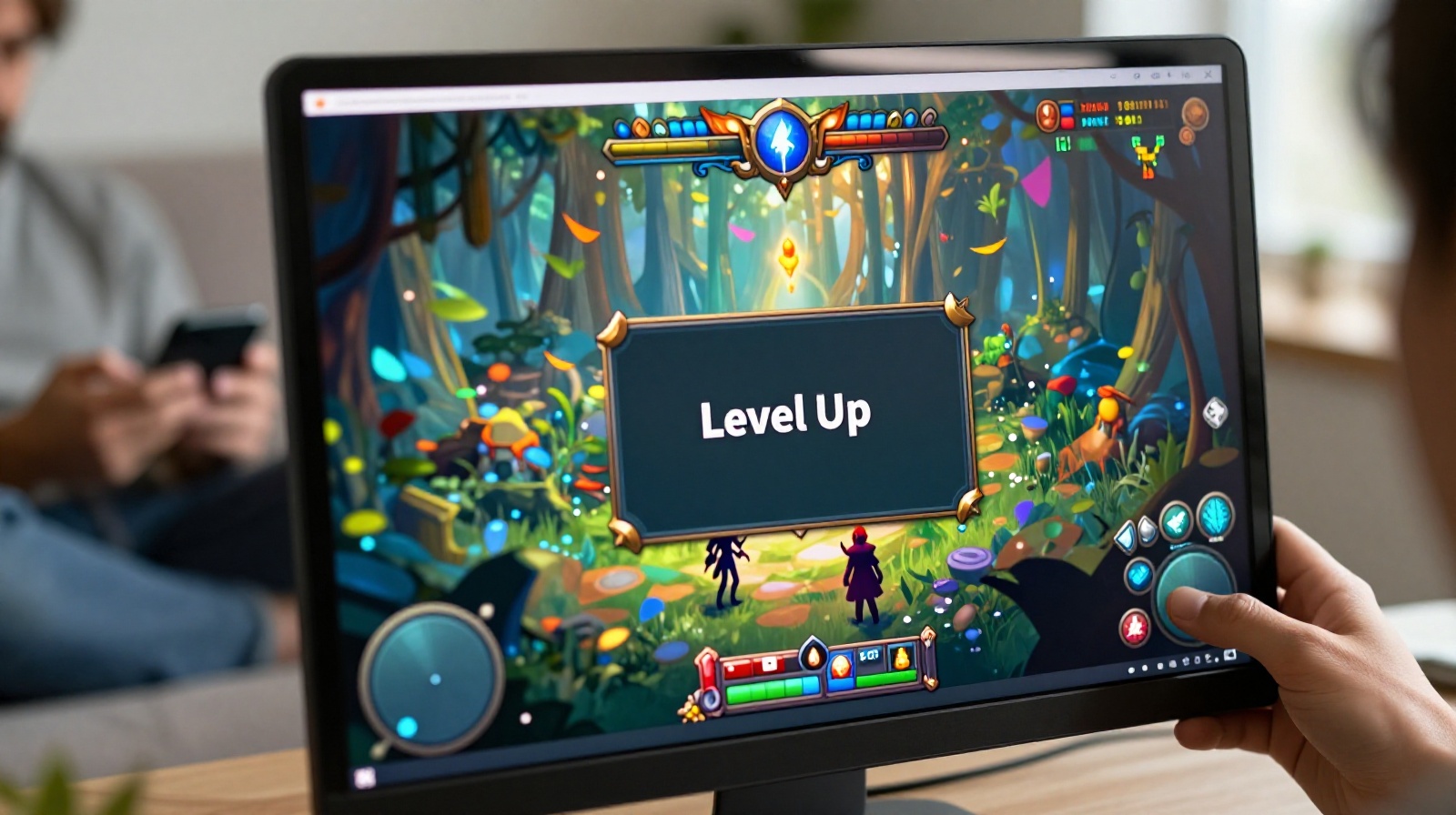
For the client, it’s an investment in social capital. In many Chinese tech companies and universities, gaming rank is a surprising metric of social status and competence. Buying a “substitute” service is not seen as cheating by everyone; it’s viewed as outsourcing inefficiency. “I pay for their time because my time is worth more doing client presentations,” explains David, a 28-year-old software engineer in Shenzhen.
The Psychology of Outsourcing Life
Why does this market exist? The answer lies in the intense pressure of modern Chinese urban life. In cities like Beijing and Shanghai, the workday often stretches from 9 AM to 9 PM, six days a week. This “996” culture leaves little room for leisure, yet the social pressure to participate in consumer trends remains high.
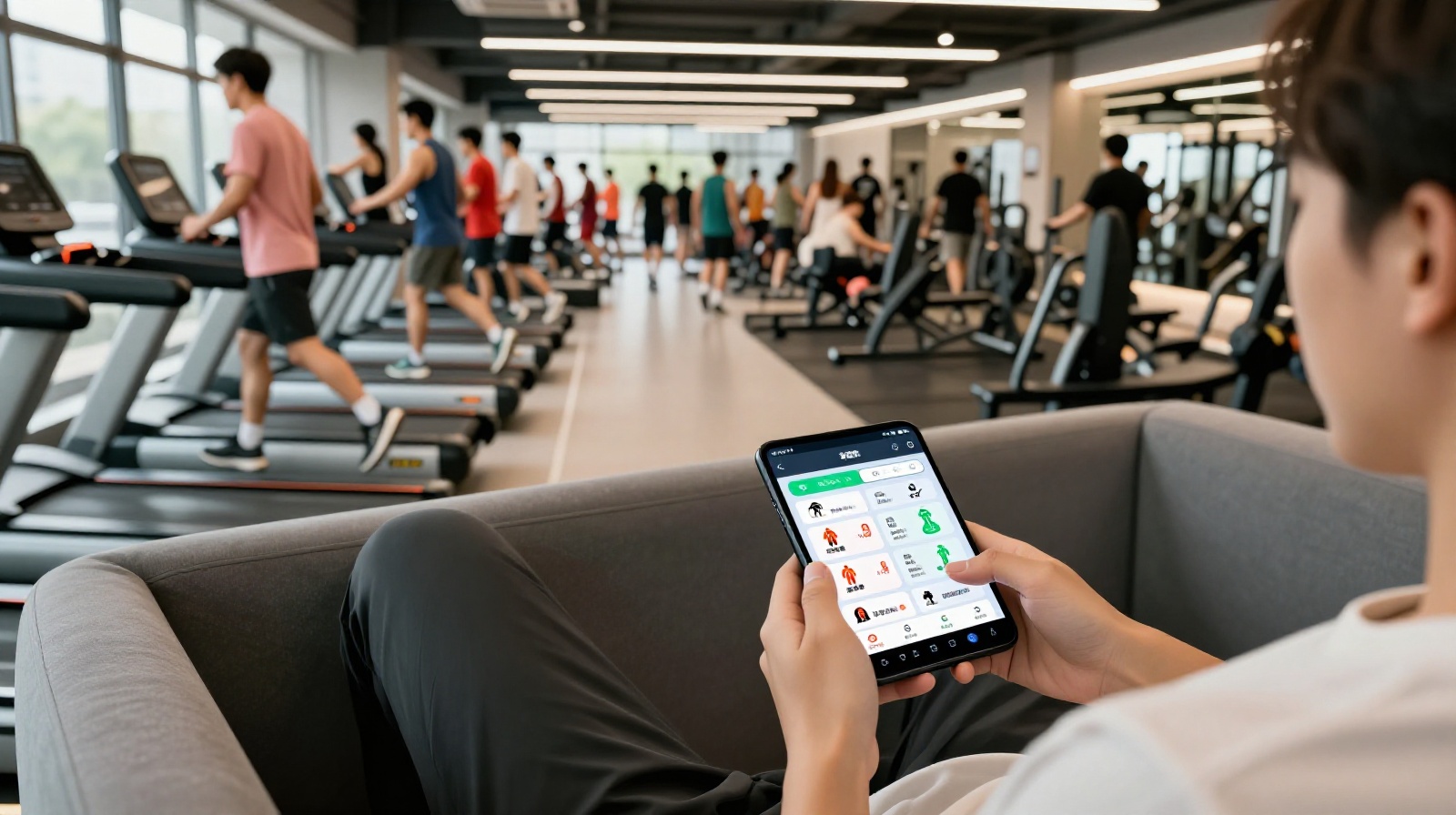
“Proxy services” allow people to opt out of the physical toll of consumption while staying socially included. It is the ultimate efficiency hack. If you can pay someone else to exercise for you (yes, “proxy fitness” instructors exist who post photos from your gym membership), you keep your free time for work or rest. If you can pay someone to eat the spicy hotpot that gives you heartburn, you avoid the health risk while still being part of the group outing.
The Human Cost: Who Are the Substitutes?
But who are these substitutes? Many are young graduates facing a tough job market. For them, being a “bubble tea tester” or a “queue stand-in” is not a joke; it’s a survival strategy. These jobs require low entry barriers but high emotional labor. You must be polite, invisible, and reliable.
Lin, the tea drinker, tells me, “It’s strange. Sometimes I feel like a tool. My client didn’t even ask my name. She just sent me a photo of the cup and said, ‘Finish it.'” There is a sense of alienation here. The service commodifies intimacy and leisure, turning personal experiences into transactional data points.
Where Is the Line?
The Proxy Economy also raises ethical and legal questions. When a proxy gamer plays for you, are they ruining the game for others? Platforms argue that as long as the account isn’t hacked, it’s a private service. But regulators are watching. In 2021, China tightened rules on gaming boosts, citing concerns over fair play and data security.
Similarly, “proxy crying” services have faced scrutiny. Is it respectful to pay a stranger to mourn for you? Or does it dilute the genuine emotion of grief? The law is generally silent, leaving these gray areas to social norms.
A Mirror to Modern Anxiety
The rise of the substitute economy is not just about laziness. It is a mirror reflecting a society obsessed with efficiency and optimized living. We are trying to hack our way out of burnout. We want the social benefits of participation without the physical or temporal costs.
As one internet commentator put it: “In China, almost everything can be delegated. Even your fatigue.” Whether this is a clever adaptation to modern stress or a symptom of deeper societal exhaustion is still being written. But one thing is clear: in the hustle of Chinese cities, even your bubble tea has a backup plan.