
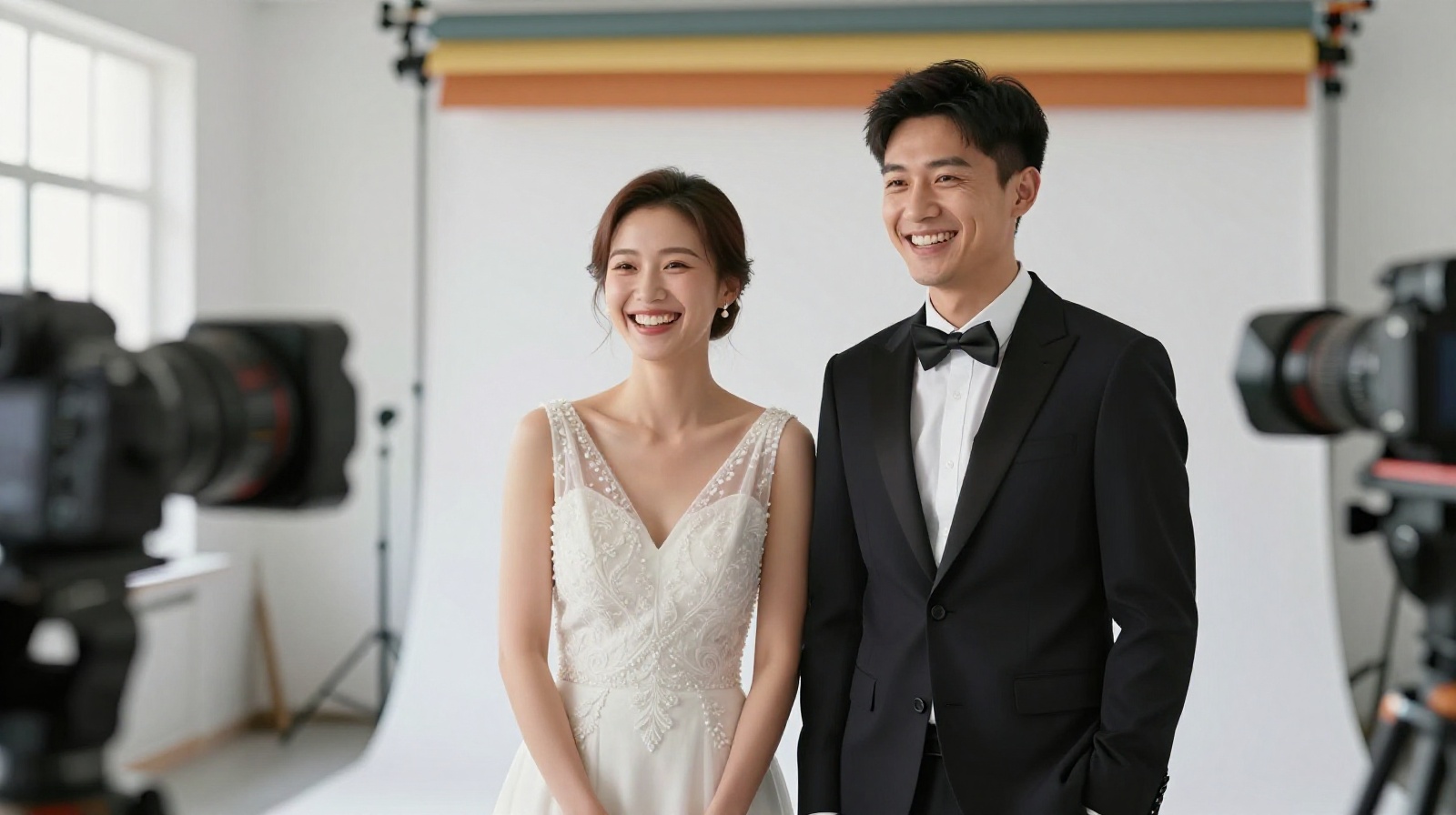

The Studio Where Weddings End
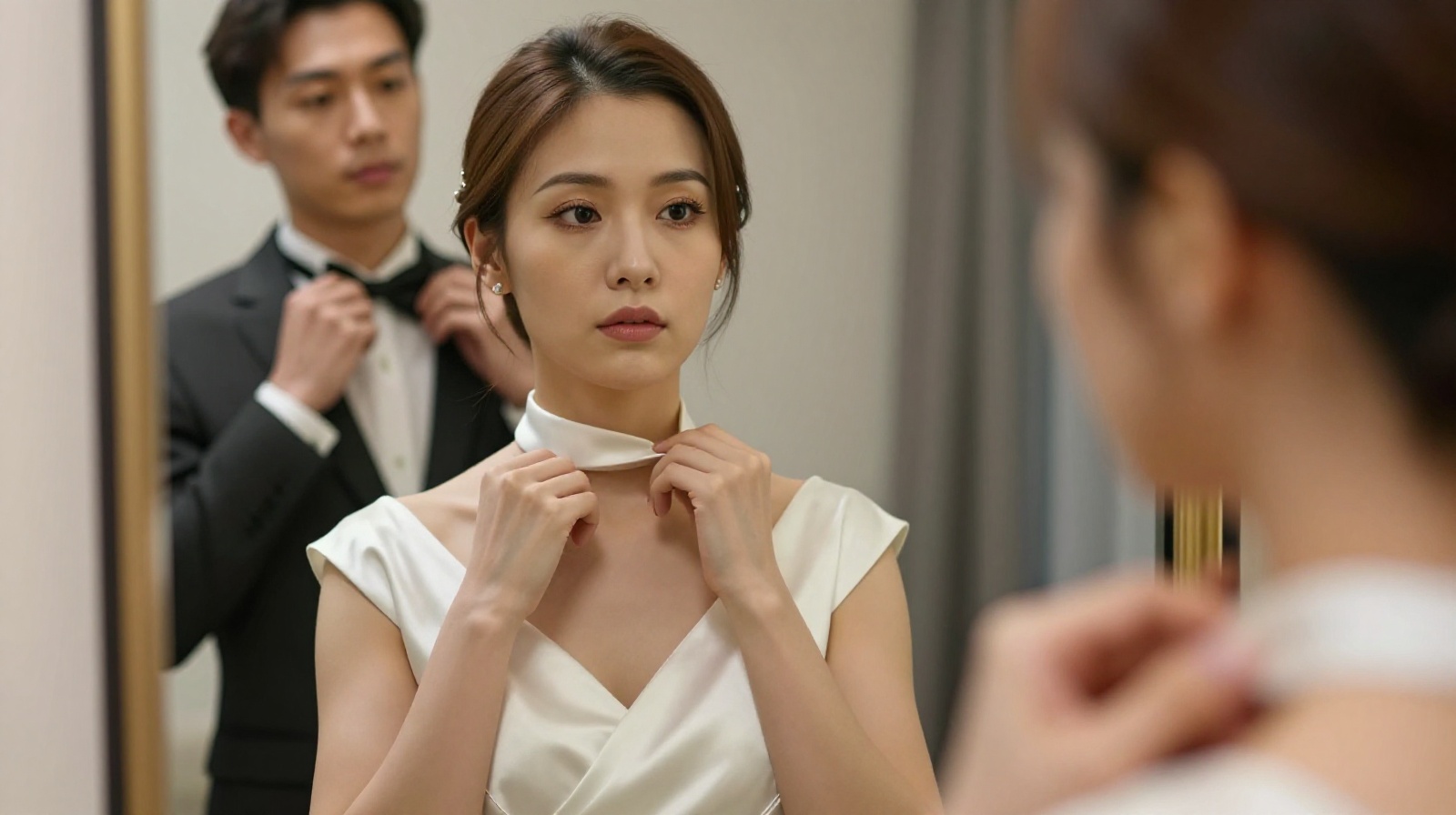
It is 3:00 PM on a rainy Tuesday in Jing’an District, Shanghai. Inside a brightly lit studio that smells of hairspray and fresh eucalyptus, Lin (name changed) adjusts the collar of her white silk dress. Across from her, her ex-husband, Chen, is struggling to tie his bowtie. They are not preparing for a wedding. They are finalizing their divorce.
“I was nervous at first,” Lin says, checking her reflection in the mirror. “But then I realized, why should our last moments together look so sad? We spent ten years building a life. Why shouldn’t the end have some dignity?”
This scene is becoming increasingly common in China’s tier-one cities. A niche industry has emerged: divorce photography studios. These businesses offer packages similar to wedding shoots—location scouting, professional makeup, styling, and high-end photography—but with a twist. Instead of romantic vows, the themes revolve around freedom, closure, and sometimes, humorous farewells. Some couples opt for black-tie elegance; others choose casual streetwear to symbolize their return to individuality.
From Stigma to Self-Expression
For decades, divorce in China carried a heavy social weight. In smaller towns and rural areas, it was often viewed as a family failure or a source of shame. Marriages were frequently maintained for the sake of children or social appearance, even when the relationship had long since deteriorated.
However, the landscape is shifting. According to data from China’s Ministry of Civil Affairs, while the crude divorce rate has stabilized in recent years after a spike in the mid-2010s, the absolute number of divorces remains high. More importantly, the *attitude* toward divorce is changing. With rising female economic independence and a growing emphasis on personal well-being, many Chinese citizens now view marriage as a choice rather than a lifelong obligation.
“Ten years ago, I would have hidden my divorce,” says Zhang Wei, a 34-year-old software engineer in Shenzhen who is planning his own divorce photoshoot. “My parents told me it was embarrassing. But now? My friends think it’s brave. They’re already sending me links to photographers.”
The Business of Moving On
Entrepreneurs have noticed this cultural pivot. Studios like Second Bloom in Beijing and Free Spirit in Hangzhou report a 40% year-over-year increase in bookings for divorce sessions. These businesses are not just selling photos; they are selling a ritual of closure.
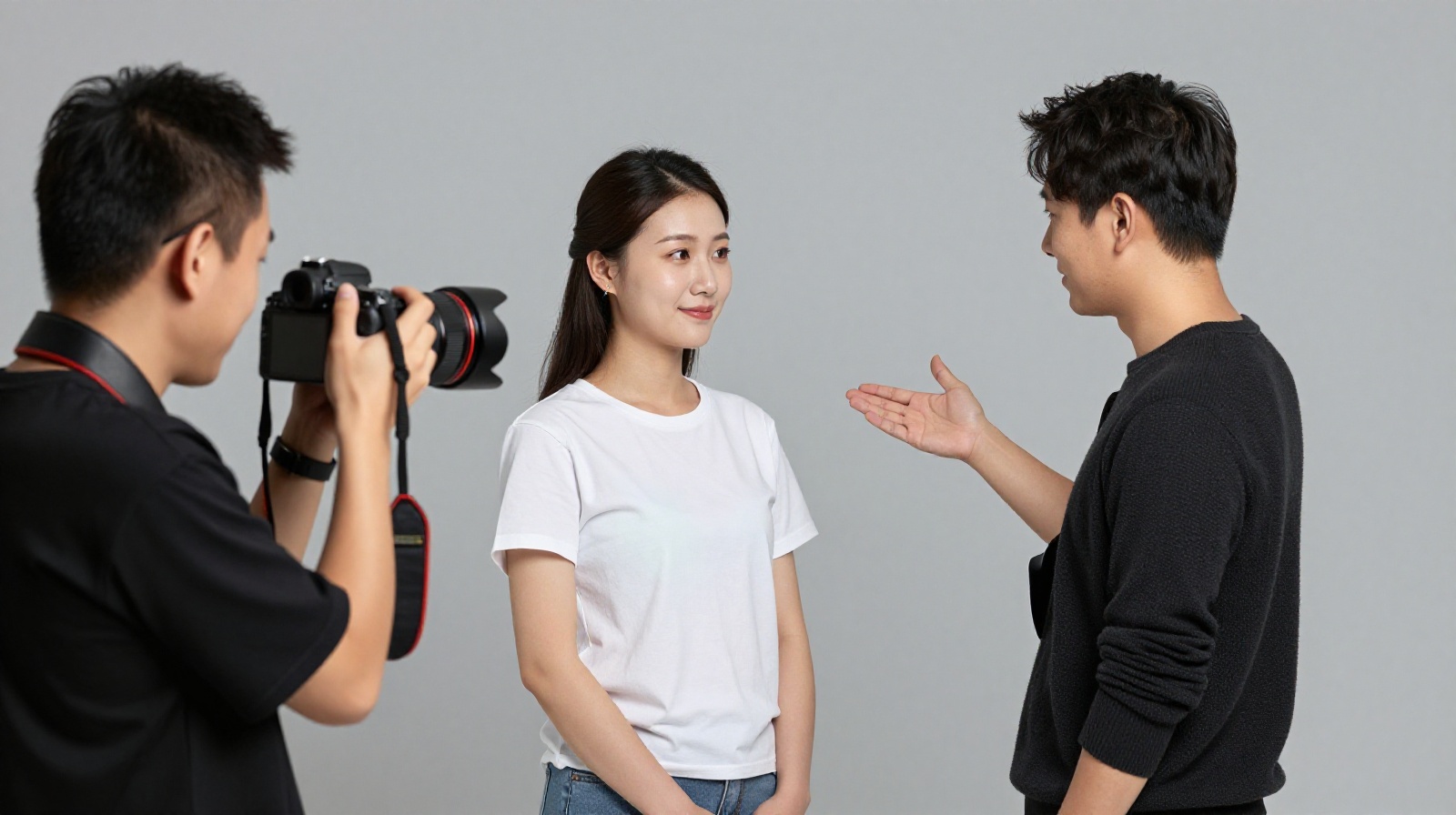
The pricing is comparable to mid-range wedding photography, typically ranging from 2,000 to 5,000 RMB ($280–$700 USD), depending on the package. Photographers are trained to handle delicate emotions. Some sessions are collaborative, with ex-spouses working together to create a balanced, peaceful image. Others are solo portraits, capturing the individual’s strength and relief.
“My job is not to judge,” says Li Na, a photographer in Chengdu who has shot over 50 divorce sessions. “I’ve seen couples who are still angry, and I’ve seen those who are genuinely happy for each other. My role is to help them frame their story on their own terms. Sometimes, the most healing thing you can do is look back at the end of a chapter and say, ‘We did our best.’”
A New Normal?
Critics might argue that turning divorce into a photoshoot is just another form of consumerism, commodifying emotion. And indeed, for some, it is a way to “brand” their independence. But for many others, it represents a profound shift in how society handles personal failure.
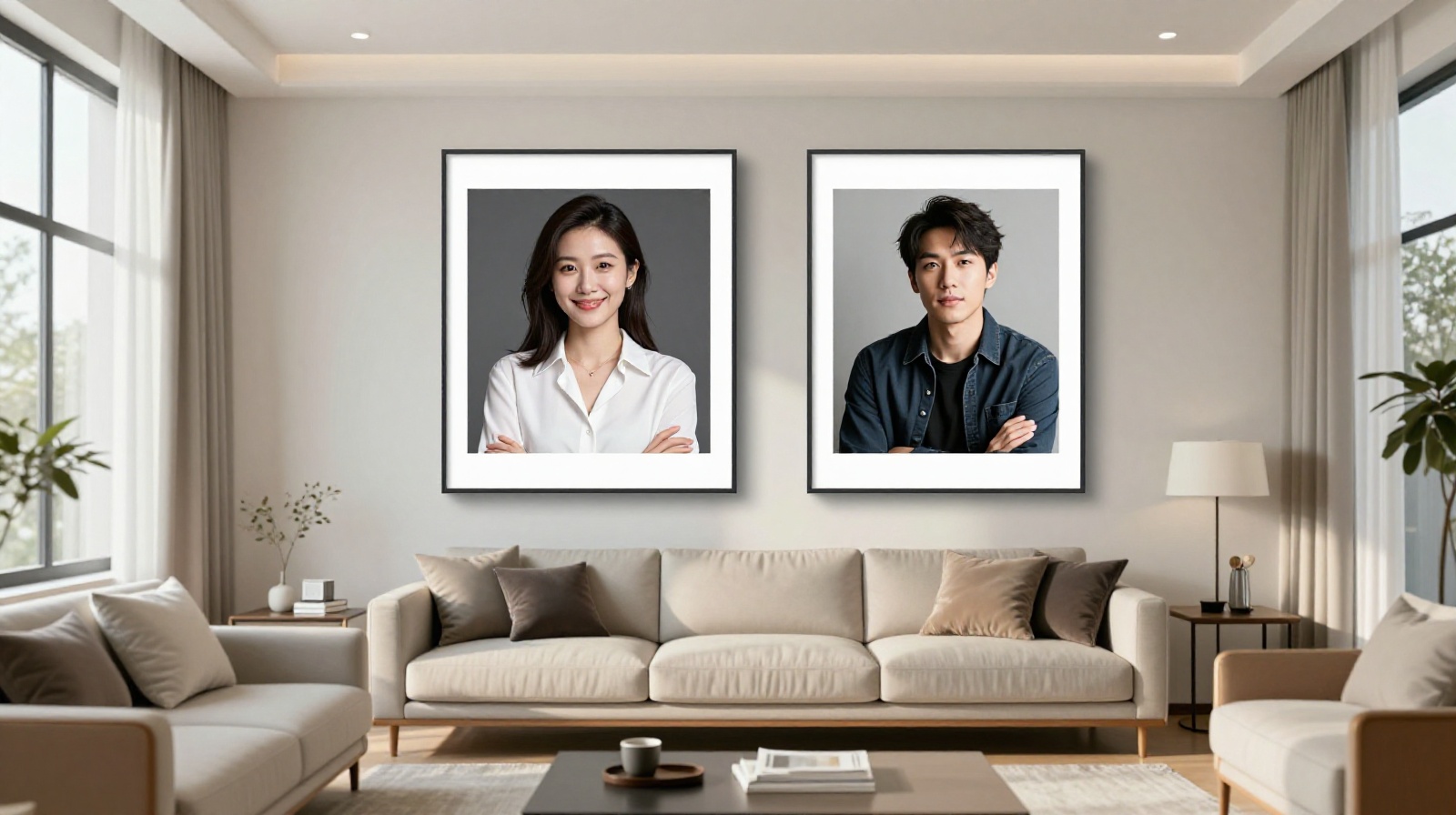
In a country where public spaces are often curated for harmony and collective success, allowing individuals to publicly acknowledge the end of a private union is a subtle but significant change. It normalizes the idea that relationships can end without one party being “wrong” or “shameful.”
As Lin and Chen pack up their gear in Shanghai, they share a genuine smile. They are not friends, but they are no longer enemies. The photos will hang in their separate homes, not as reminders of loss, but as proof that they navigated the end with grace. In this small act, China’s changing relationship with marriage is visible: not as a rigid institution, but as a journey that can end with dignity.