
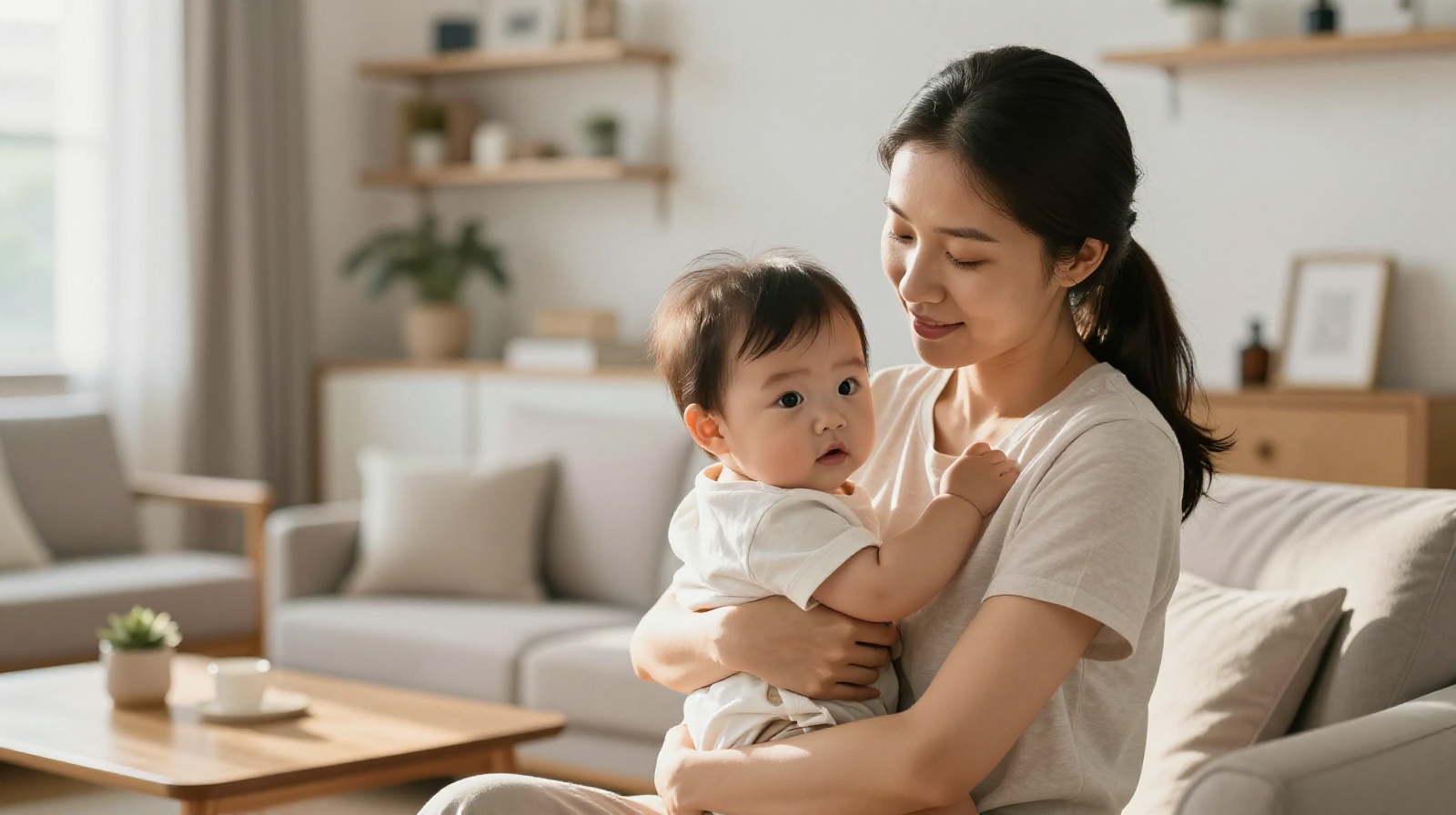

The Western Instinct vs. The Chinese Caution
Imagine you are in a small apartment in Chengdu or Shanghai. A friend introduces their two-month-old baby. In the US or Europe, your instinct is likely to smile broadly, make eye contact, and say, “Wow, what a beautiful baby!” or “He’s going to be so smart!”
In many traditional Chinese families, this instinct triggers anxiety. The grandmother might gently pull you aside or offer a nervous laugh. The underlying message? Don’t say that.
This is not about being cold. It is about a deep-seated cultural mechanism designed to protect the child from harm, envy, and the “evil eye.”
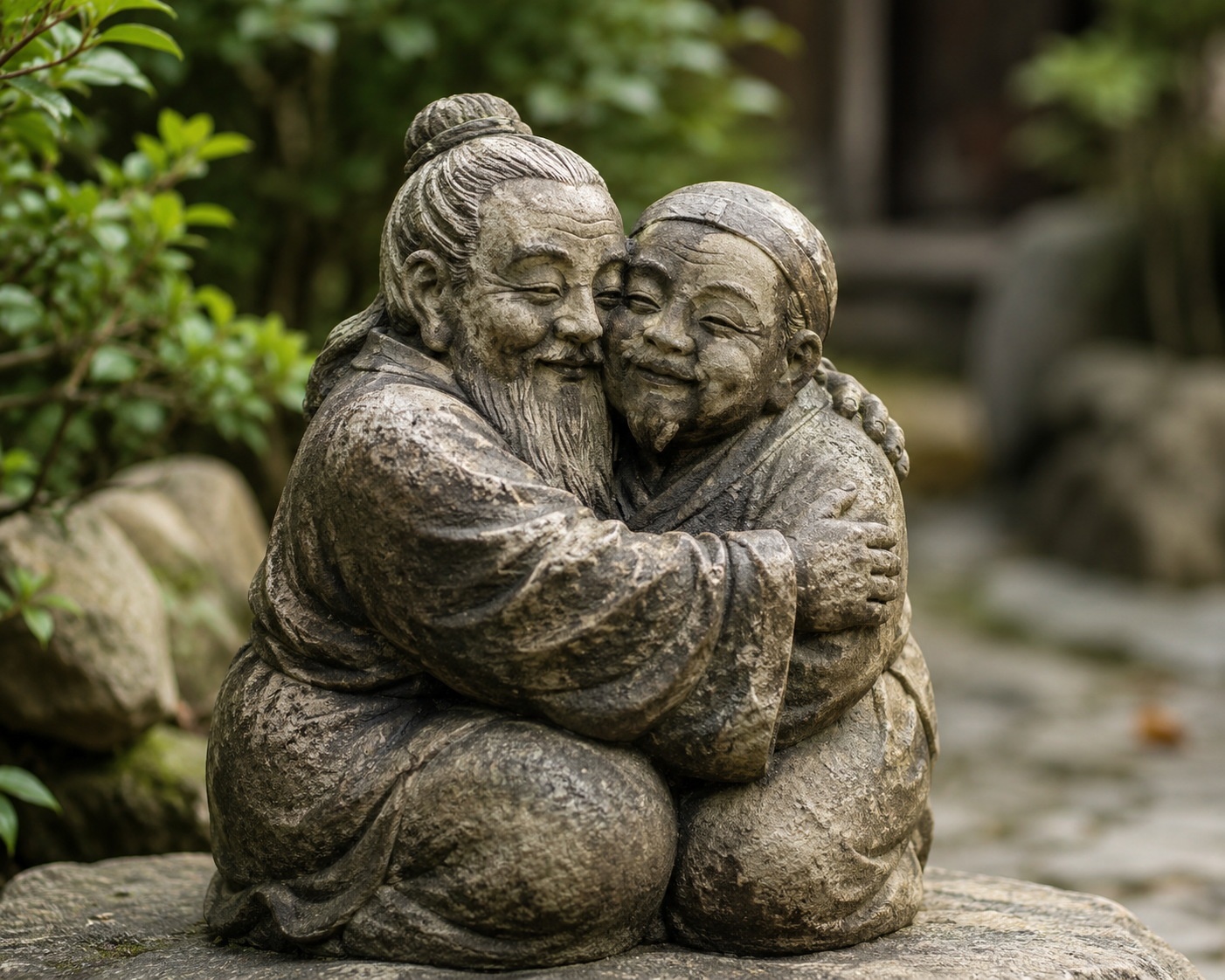
The Logic of “Jing Ren”: Why Praise Is Dangerous
The most common superstition is that praising a baby too much “invites jealousy” from spirits or other people. In Chinese, this concept is often linked to jing ren (惊扰), meaning to startle or disturb the child’s fragile spiritual balance.
If you say a baby is “too pretty” or “too smart,” tradition holds that jealous spirits may take offense and cause the child to fall ill or cry excessively. Alternatively, there is a secular fear: if you praise the child too early, they might become arrogant (jiao ao) or develop unrealistic expectations, leading to disappointment later in life.
This reflects a broader Chinese cultural caution against standing out too early. The idiom mu xiu yu lin, feng bi zhui zhi (“The tree that stands out in the forest is destroyed by the wind”) suggests that modesty is a shield. Praising a baby breaks that shield before they have developed the resilience to handle attention.
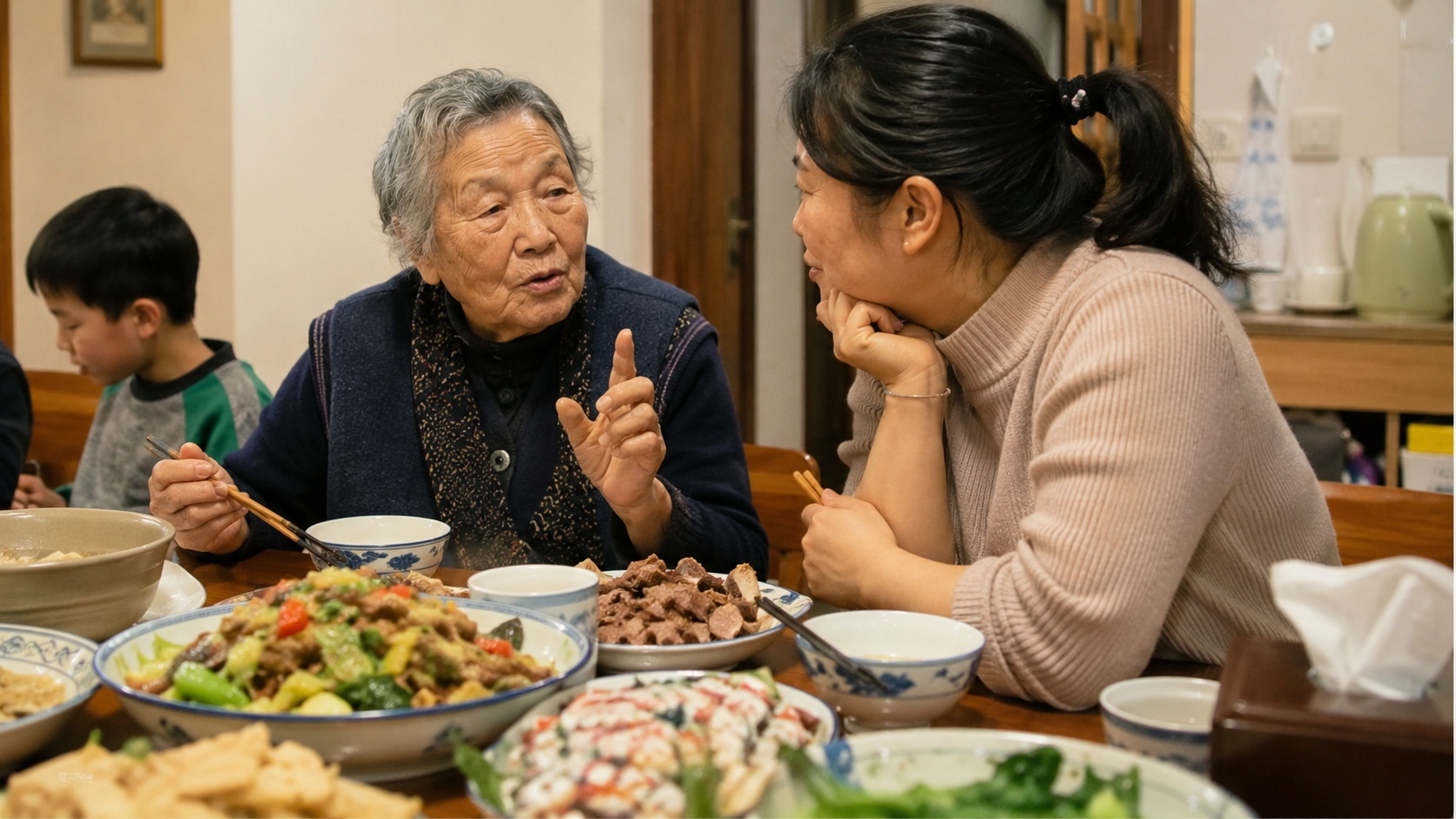
The Solution: “Gan Qin” and Humble Deflections
If you cannot praise the baby directly, how do you show affection? Traditional Chinese parents often use a ritual called gan qin (认干亲), or “taking on dry relatives.”
The idea is to connect the child to a less auspicious entity—such as a tree, a rock, a temple statue, or an older person with many children—to “share” the burden of fate. By calling the child “son” or “daughter” of a rough-looking statue or a sturdy old tree, parents believe they are grounding the child in humility and strength, rather than fragility and vanity.
Even without formal rituals, parents use humble language. Instead of saying “My baby is a genius,” a Chinese parent might say, “He’s just noisy” or “She’s still learning.” This isn’t lack of pride; it’s a social lubricant that lowers expectations and invites support rather than scrutiny.
Modern Shifts: Are Superstitions Dying?
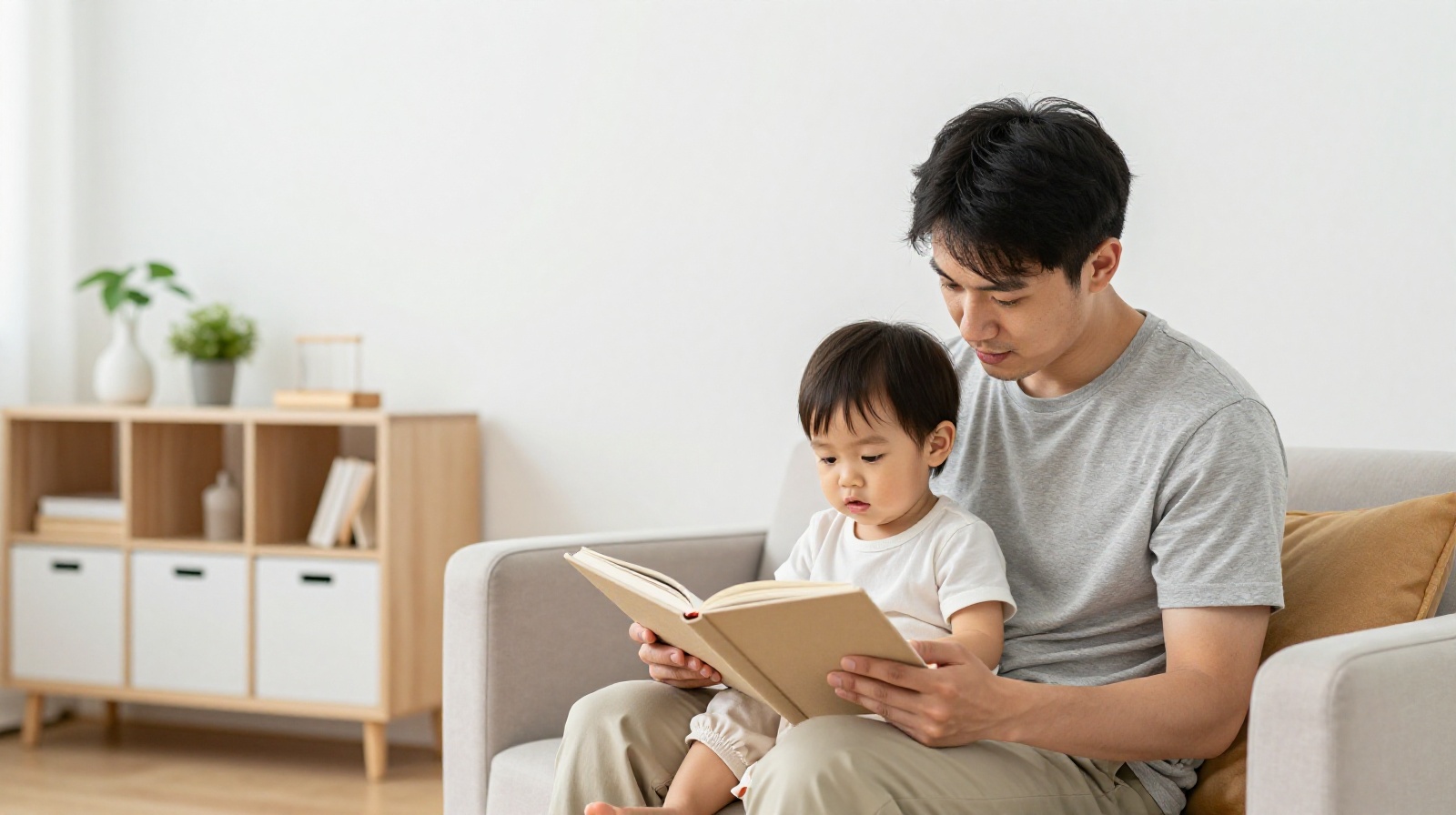
Today, the landscape is changing. Among young, urban parents in cities like Beijing or Shenzhen, many dismiss these superstitions as “old wives’ tales.” They follow Western psychological advice, using praise to build confidence.
However, the underlying logic persists in subtle ways. Even if a mother doesn’t fear “evil eyes,” she may still hesitate to label her child a “prodigy” at age three. Why? Because the Chinese education system is intensely competitive. Labeling a child too early creates immense pressure. The cultural instinct to avoid “arrogance” has morphed into a modern anxiety about maintaining balance in a high-stakes environment.
Furthermore, when interacting with older relatives (grandparents), many young parents still play along with the taboos. It is not about belief; it is about harmony. Acknowledging the elder’s fear shows respect for the family hierarchy.
A Guide for Foreign Friends
If you are visiting China and meet a baby, here is how to navigate the conversation safely:
- Compliment the parents, not just the child. Saying “You’ve taken great care of him” or “He looks so healthy” is universally safe. It acknowledges the parents’ effort without putting pressure on the child’s future.
- Avoid superlatives. Instead of “The prettiest baby ever,” try “He has such bright eyes.” Specific, modest compliments are less likely to trigger traditional caution.
- Respect the silence. If a parent seems hesitant when you compliment the baby, don’t push. They are likely protecting the child in their own way. A gentle smile and a change of topic is the best response.
Understanding these taboos isn’t about judging them as “backward.” It’s about recognizing that Chinese parenting is deeply rooted in a collective desire for protection and social harmony. In a world that often feels unpredictable, these rituals—whether ancient or modern—are attempts to keep the next generation safe, humble, and grounded.