

The Screen as a Window
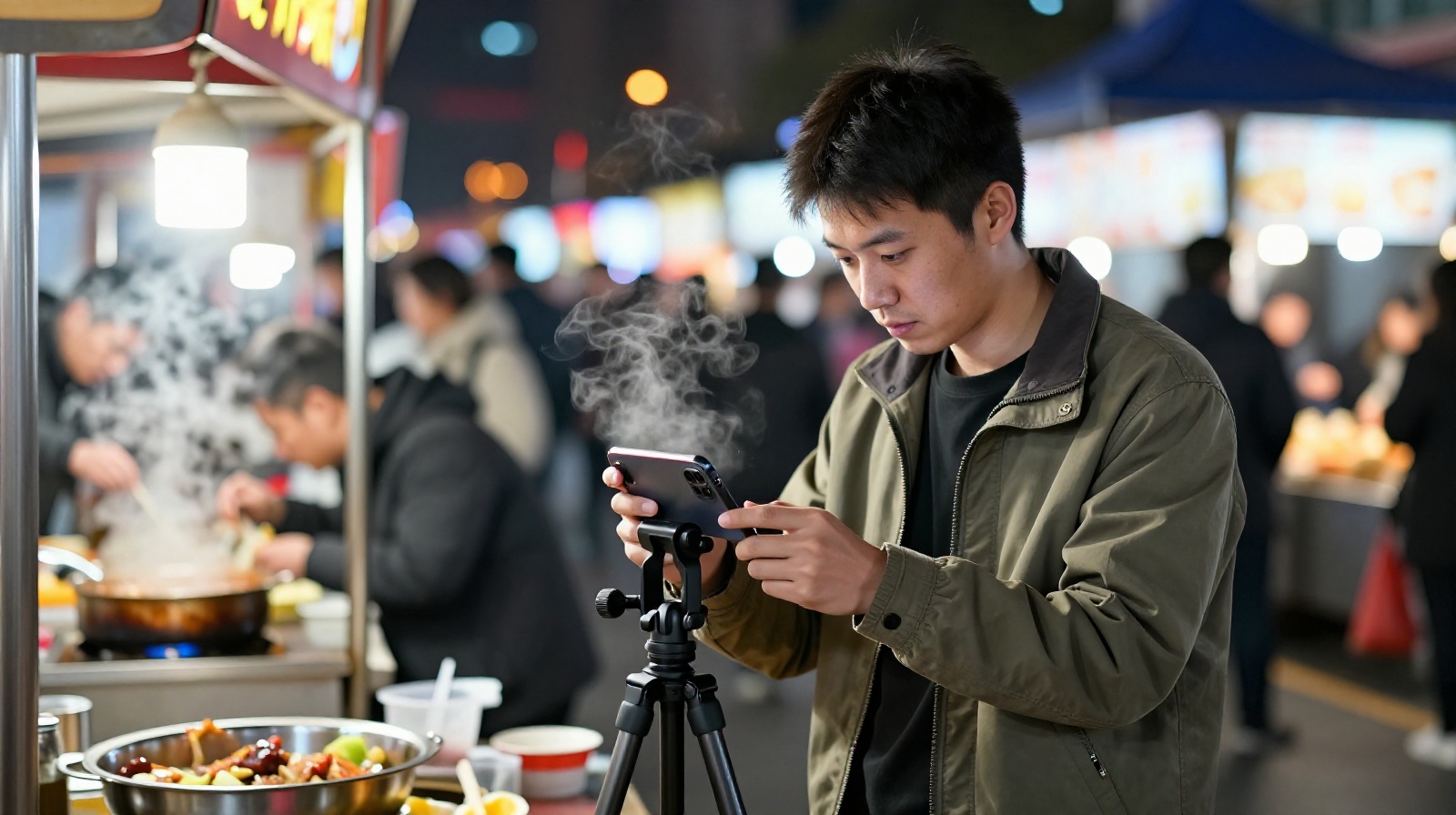
At 7:30 PM in a small town in Henan province, the air is thick with the smell of cumin and charcoal. Li Wei, 24, stands behind a stall selling grilled skewers. He isn’t just flipping meat; he is setting up his phone on a tripod. For the next hour, he will chat with viewers, answer questions about his spice blend, and joke about the day’s slow sales. To an outsider, it might look like a simple dinner service. But for Li Wei, and millions like him, this screen is a portal to a wider world—and a way to build a livelihood in a place where traditional career paths are limited.
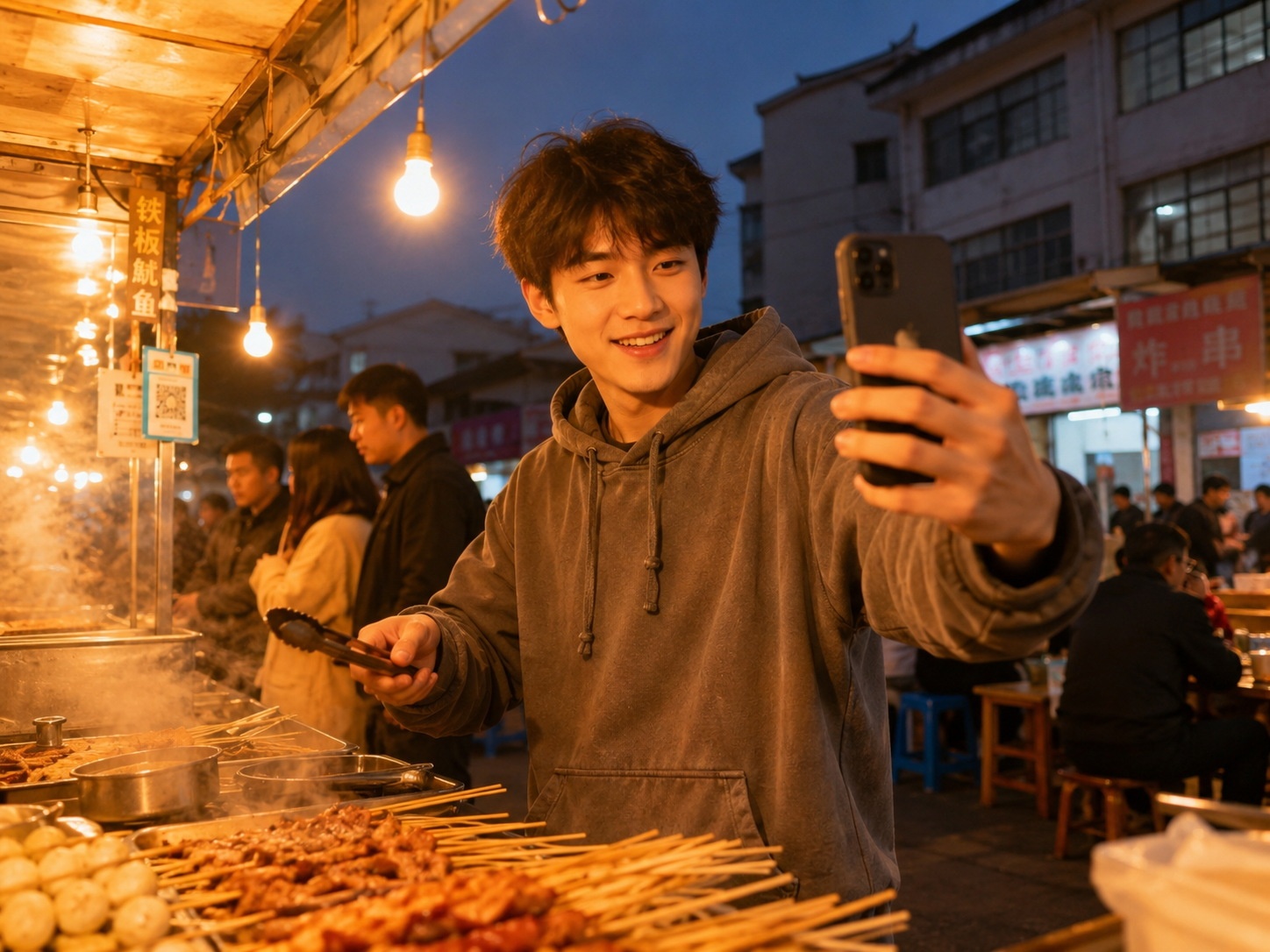
When people think of China’s digital economy, they often imagine the sleek, futuristic offices of Shenzhen or the algorithmic dominance of Beijing. But a significant portion of China’s internet activity happens in “lower-tier” cities and rural counties. Platforms like Kuaishou have become the primary lens through which these communities view themselves and are viewed by the rest of the country. Unlike the highly curated, lifestyle-focused content often seen on other social media, Kuaishou’s algorithm favors authenticity, rawness, and local identity. It is here, in the grainy footage of a morning market or a late-night noodle shop, that the real texture of contemporary China is being documented.
The Rural Revival: From ‘Left-behind’ to Content Creators
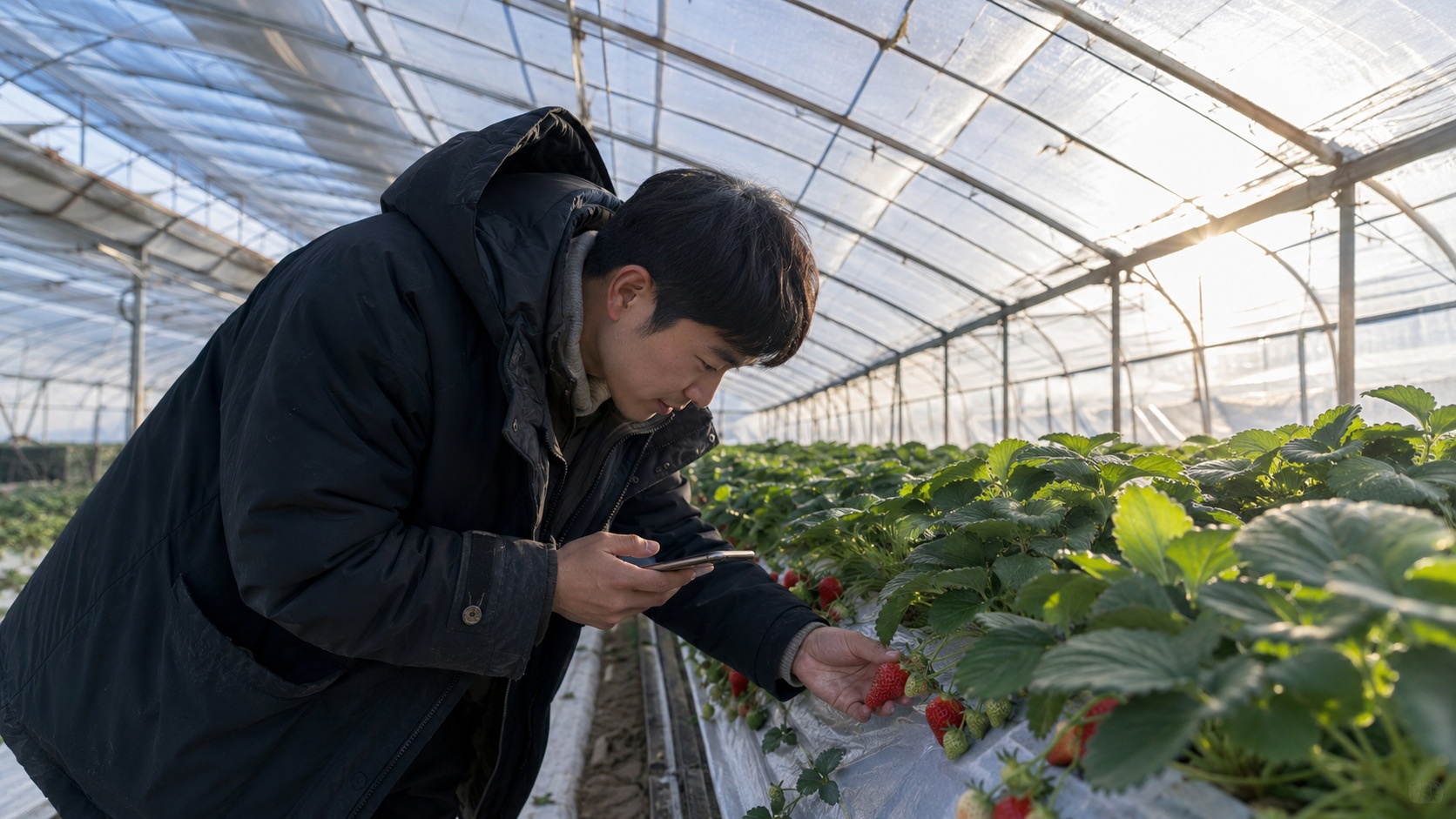
Fifty kilometers outside of Changchun, in Jilin province, 28-year-old Zhang Min used to commute two hours each way to work in the city. Now, he stays home. His job title is “agricultural streamer,” but his reality is a blend of farming and broadcasting. Every morning at 6 AM, he wakes up to check the temperature in his greenhouse. By 7 AM, he is live, showing his 50,000 followers the first ripe strawberries of the season.
Zhang’s story is not unique. Across rural China, smartphones have dismantled the isolation that once defined village life. Farmers no longer rely solely on middlemen to sell their produce; they can now negotiate directly with urban consumers via video calls and live streams. This shift has created a new class of rural entrepreneurs who are proud of their heritage rather than ashamed of their origins. They broadcast the sound of rain on cornfields, the process of traditional handicrafts, and the simple joy of a home-cooked meal. For global observers, these videos offer a counter-narrative to the stereotype of rural poverty, replacing it with a image of digital empowerment and economic resilience.
Urban Hustle & The Gig Economy
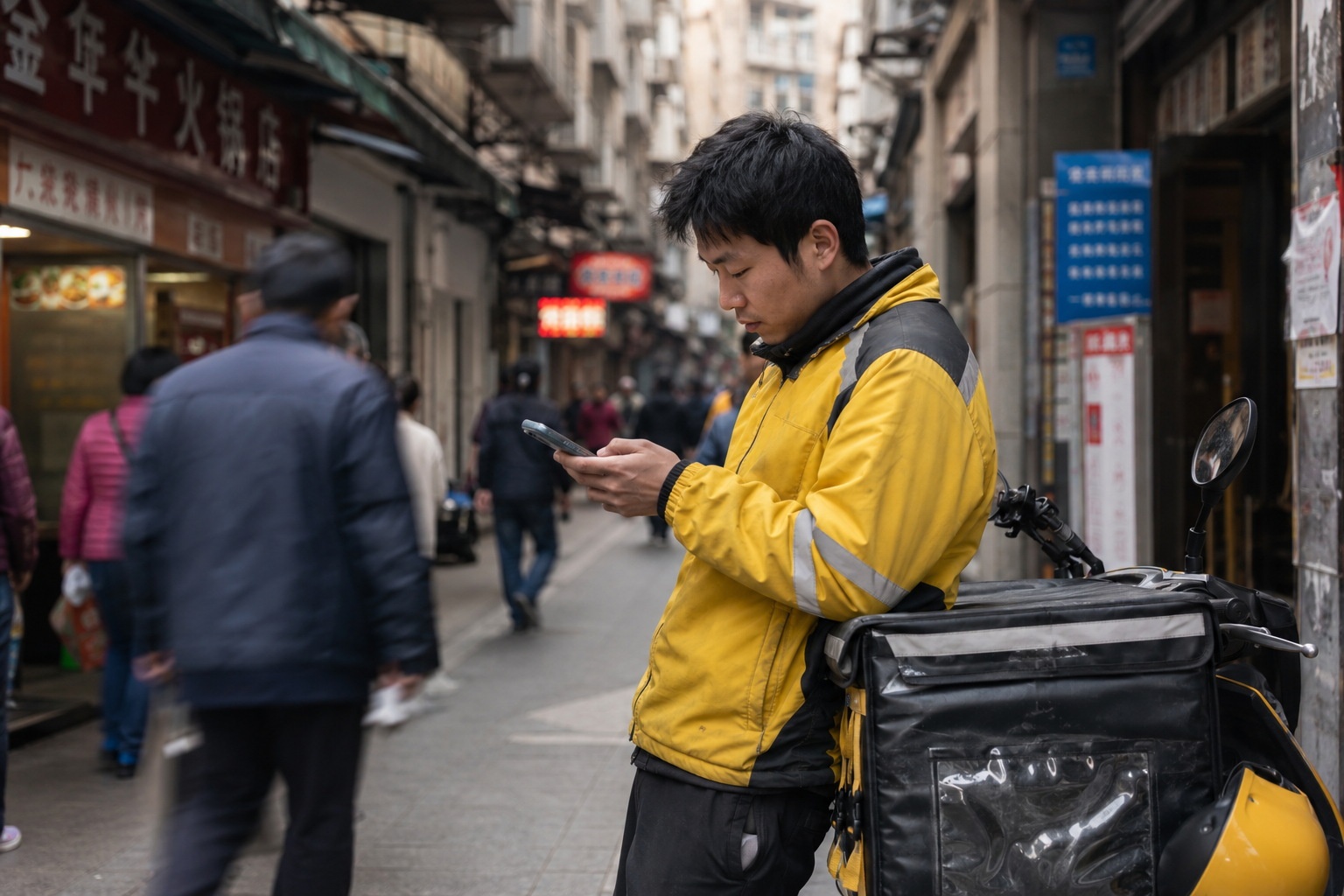
In the bustling night markets of Chengdu, the energy is palpable. Here, the “gig economy” is not just a buzzword but a visible lifestyle. Young delivery drivers, often seen in bright yellow or blue uniforms, take breaks between orders to film themselves trying local snacks. They document the chaos of rush hour traffic and the camaraderie of their break rooms.
This segment of society, often invisible in traditional media, is hyper-visible on short-video platforms. The content created by these workers highlights the intensity of modern Chinese labor but also its flexibility. A delivery driver in Wuhan might spend his evening editing a video about the best street food near his delivery zone, turning his work route into a travel guide for his audience. These clips reveal a generation that is pragmatic and entrepreneurial, using every spare moment to build personal brands and connect with peers who share similar struggles and ambitions.
Digital Lifestyle Integration
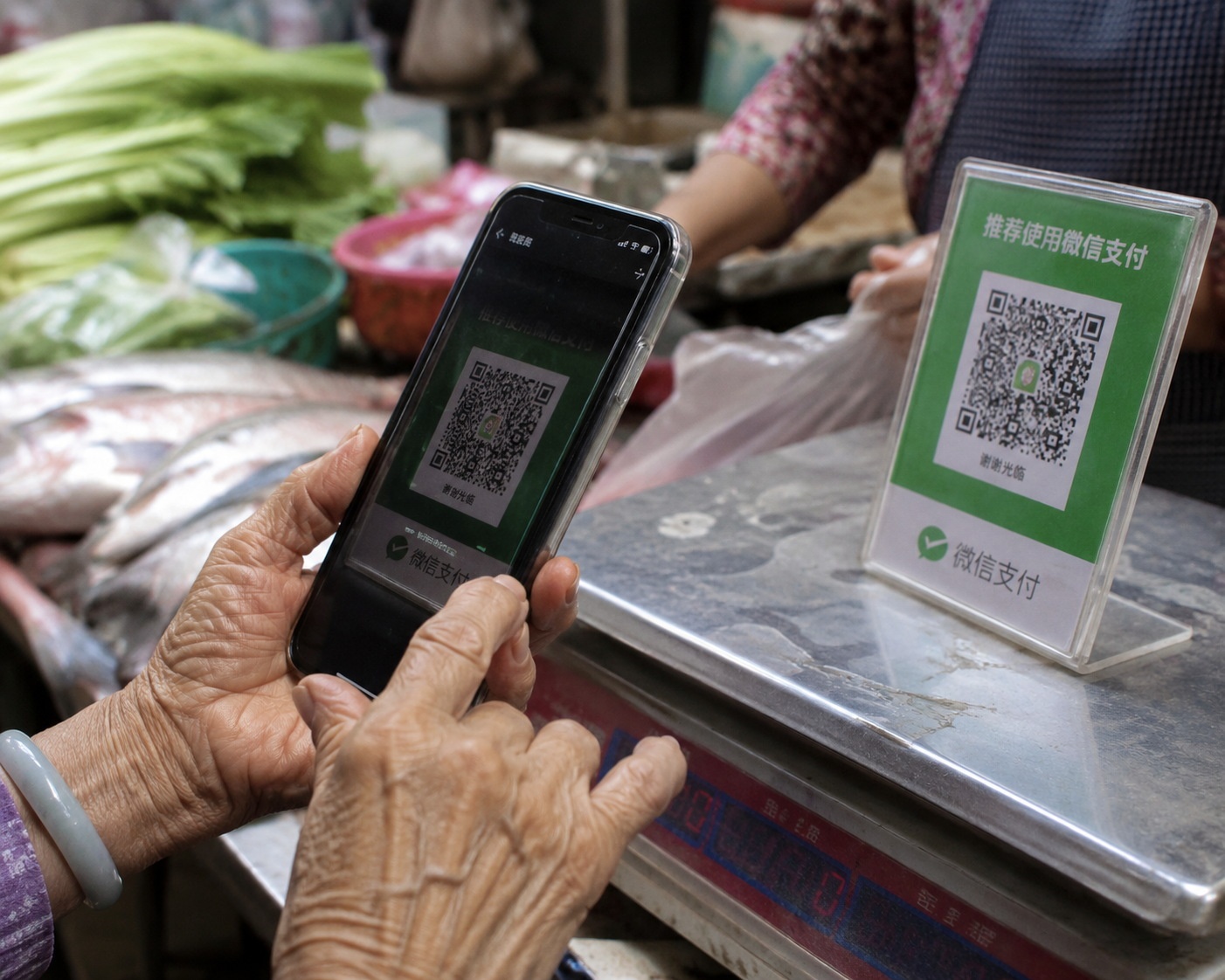
Walking through a wet market in Quanzhou, you will notice that very few people carry cash. Even the elderly vendor selling fresh fish accepts payment via QR codes on WeChat or Alipay. This seamless integration of digital payments extends to public services. In many small towns, residents can pay property taxes, book hospital appointments, and even check their pension status through a single app on their phones.
For the youth in these towns, technology is not a luxury; it is infrastructure. They use apps to organize community events, join online interest groups (from calligraphy to electric vehicle modification), and access educational resources that were once only available in tier-one cities. The digital divide has narrowed, not because everyone has equal income, but because the barrier to accessing information and services has been drastically lowered by mobile technology.
Cultural Nuances: Dialects, Food, and Family
The most compelling aspect of these online communities is their celebration of regional identity. In a country where Mandarin is the standard, Kuaishou and similar platforms have become a sanctuary for local dialects. A vlogger in Sichuan might speak entirely in the local tongue, explaining spicy hotpot recipes to a national audience. This linguistic pride fosters a sense of belonging that transcends geographic boundaries.
Food remains the universal language of these videos. Whether it is a family gathering for Lunar New Year or a solitary meal after a long shift, the act of eating is central to the content. These moments are relatable to anyone who values family and community. They show that despite the rapid pace of urbanization, the core social bonds of Chinese society—filial piety, neighborly support, and communal dining—remain strong.
The Human Element Behind the Data

When we look at China’s digital consumption data, it is easy to see numbers: hours spent online, transaction volumes, user growth. But these statistics miss the human element. The young man in Henan selling skewers, the farmer in Jilin streaming his harvest, and the delivery driver in Chengdu documenting his lunch break—they are not just data points. They are individuals navigating a rapidly changing world, using technology to assert their presence and dignity.
For global audiences, understanding these “slices of life” is crucial. It moves the conversation beyond geopolitical headlines and economic forecasts into the realm of shared human experience. It shows that while China’s cities may look different from those in New York or London, the desires of its young people—to connect, to create, to eat well, and to be seen—are universal. The screen in a small town is not just a window to the internet; it is a mirror reflecting the complex, vibrant, and authentic reality of modern China.