
A Morning on the Hetao Plain
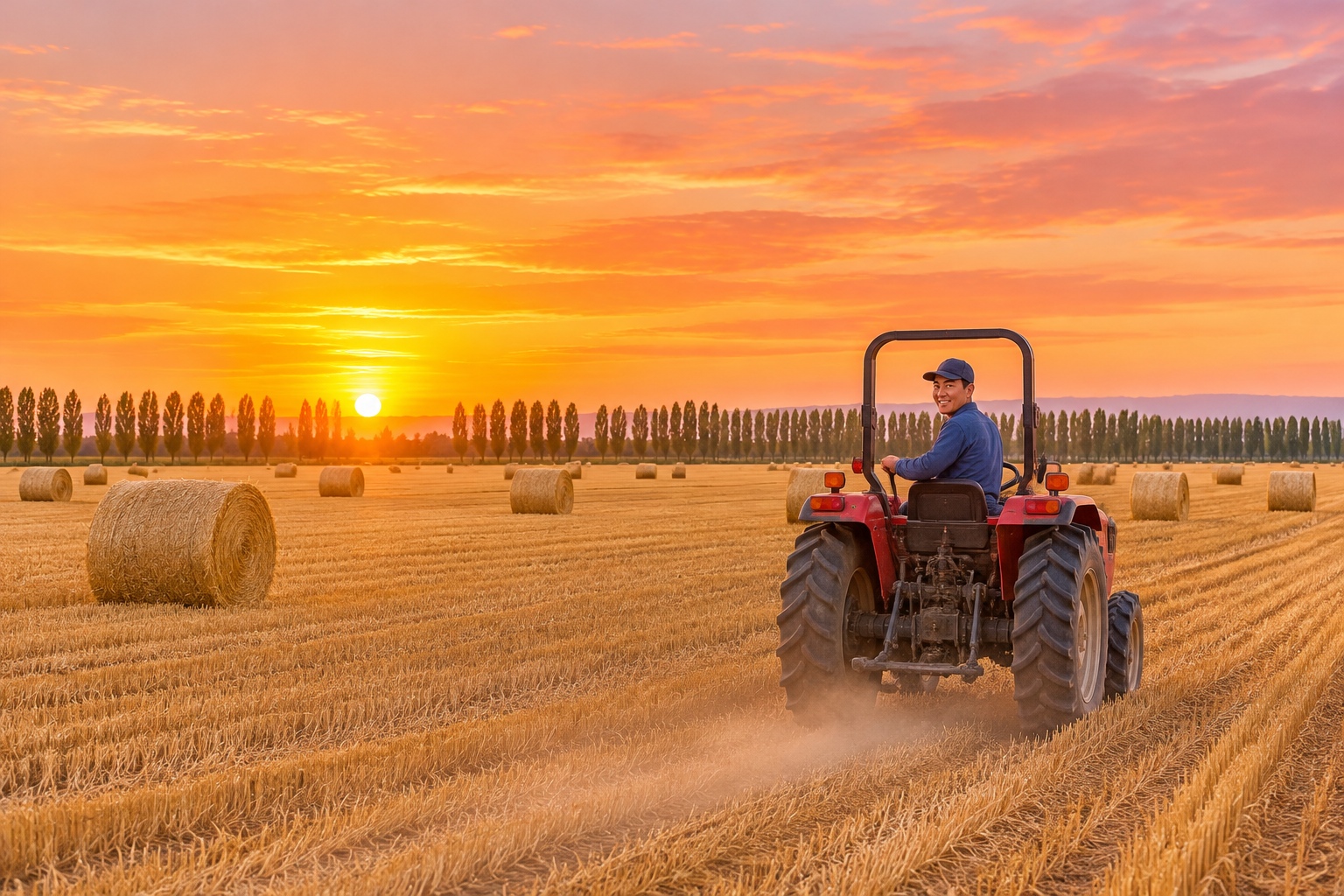
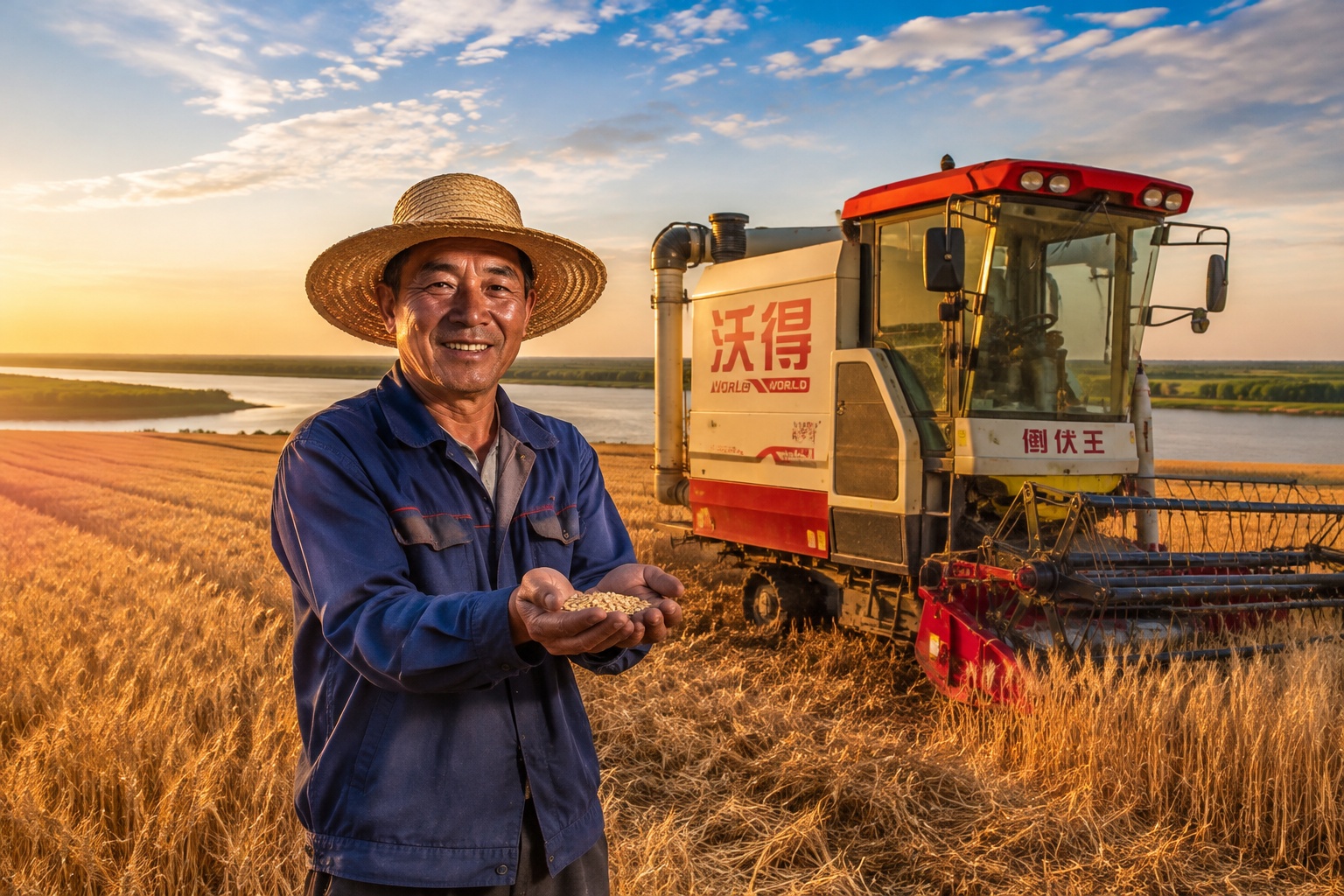
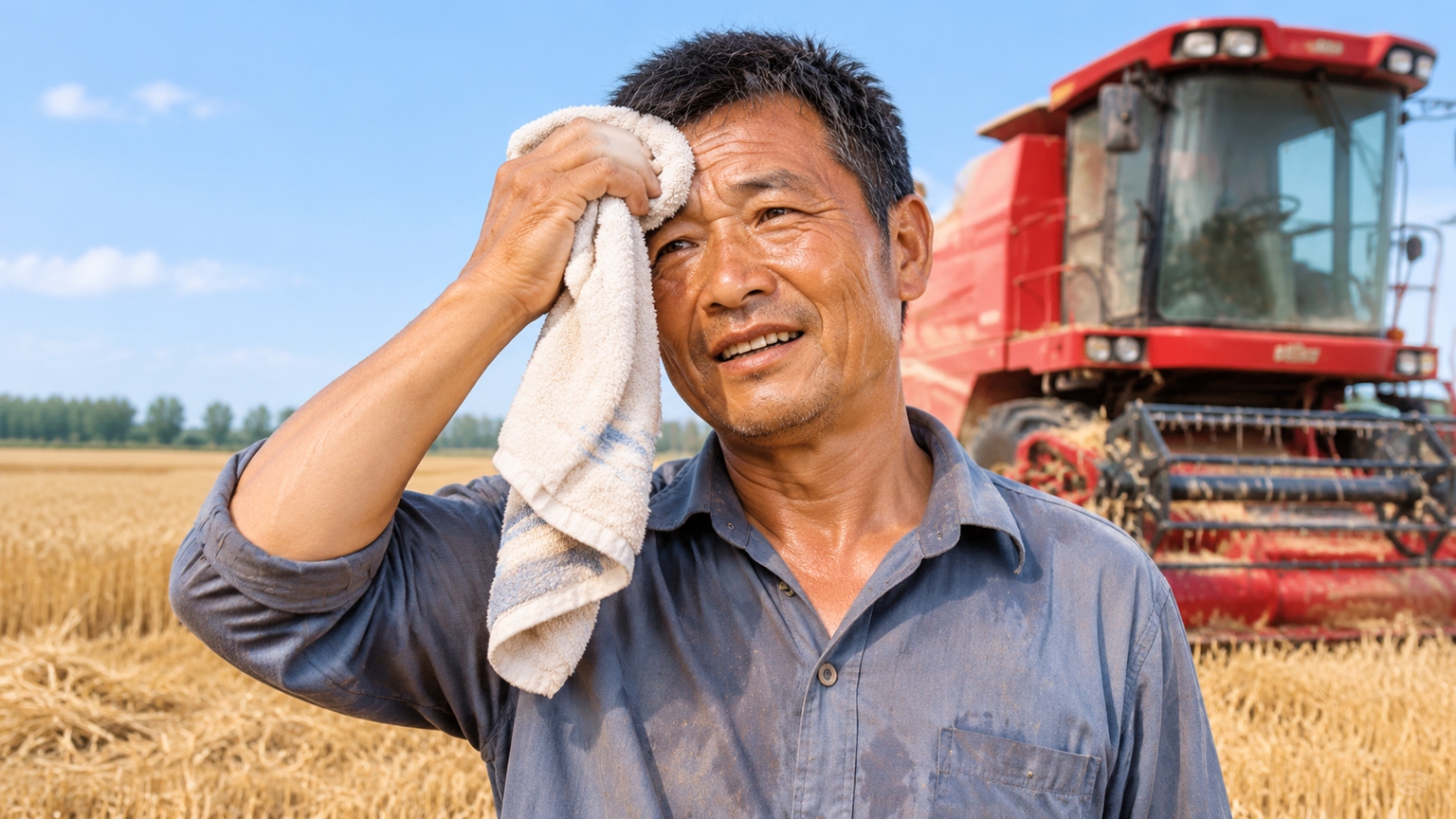
At 6:30 a.m., the sun is just beginning to warm the wheat stubble. The air smells of dry earth, cut straw, and a faint sweetness from the corn still standing in the next field. Li Weiguo, 58, wipes his forehead with a towel that has been damp for three hours. He has been driving his combine harvester since 4:30. “The dew is heavy this year,” he says, stepping down from the cab. “But the grain is dry enough. We can’t wait.”
This is Bayannur, a prefecture-level city in western Inner Mongolia that sits on the Hetao Plain — a 1,000-kilometer-long alluvial fan formed by the Yellow River. The Hetao Plain has been a grain basket for northern China for centuries, but the past decade brought new challenges: dropping groundwater levels, soil salinization, and younger people leaving for factory jobs. Yet this autumn, the harvest is good. Really good.
Why This Year Feels Different
Li Weiguo’s family farms 120 mu (about 8 hectares) of wheat and corn. “Last year, the spring drought cut our wheat yield by 20 percent,” he says. “This year, the rains came in June, just in time. And we switched to drip irrigation under plastic film for the corn. That saved us.”
Drip irrigation — a system that delivers water directly to the root zone through narrow tubes — has been adopted by roughly 60 percent of Bayannur’s farmland in the last five years, according to local agricultural extension officers. The method reduces water use by 30 to 40 percent compared to traditional flood irrigation, and it also helps control salt buildup in the soil. For a region that receives only 300 millimeters of rain annually, that is a game changer.
Li points to a field of sunflowers, their heads heavy with seeds. “The sunflowers are for oil. The kernels are sold to a processing plant 20 kilometers away. Last year, the price was 5 yuan per jin [half a kilo]. This year, it’s 6.2. That’s an extra 12,000 yuan for us.”
The People Behind the Grain
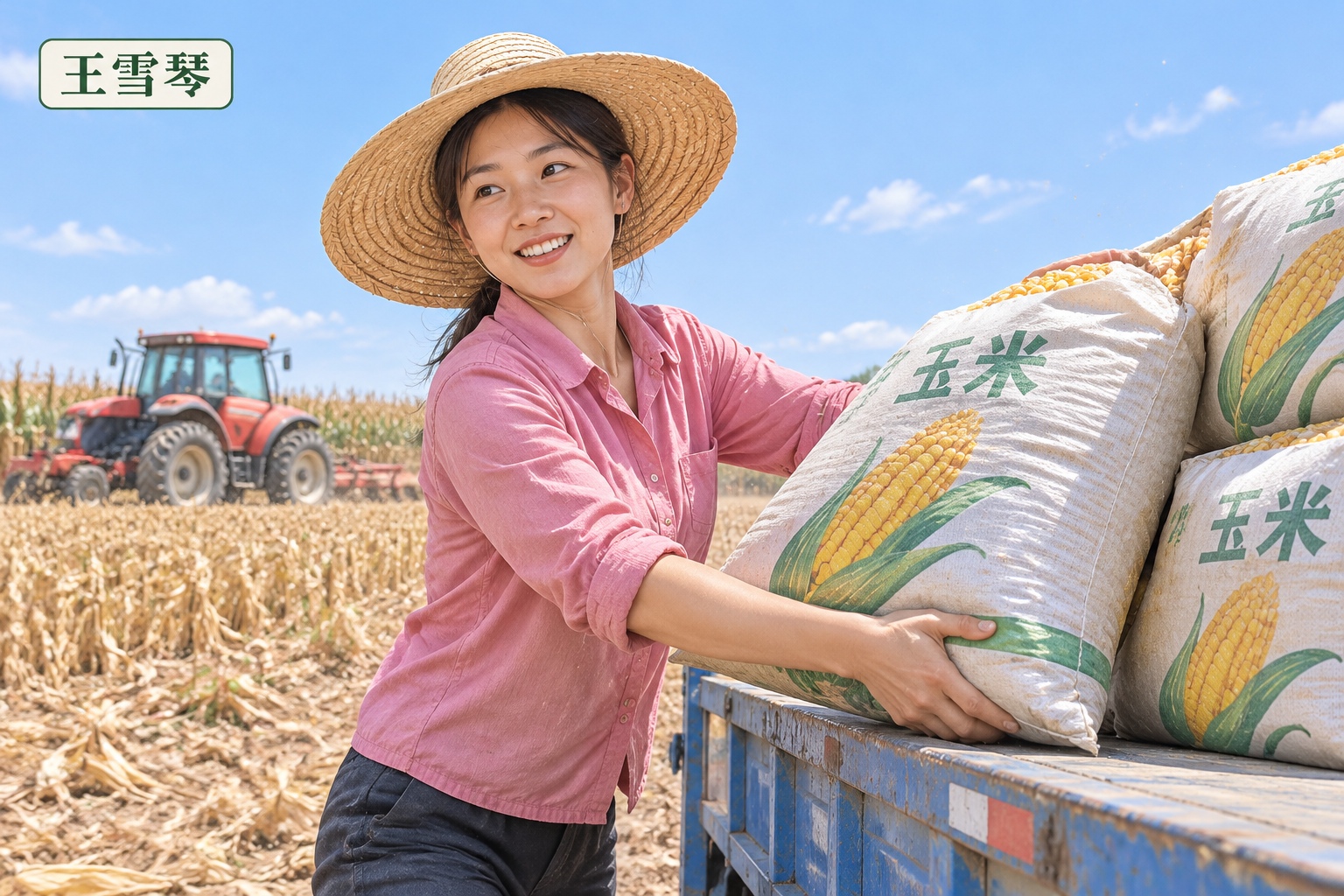
Not far from Li’s field, 34-year-old Wang Xueqin is loading bags of corn onto a flatbed truck. She runs a small farming cooperative with her husband. “We have 300 mu now,” she says, catching her breath. “Five years ago, it was only 60. We lease land from neighbors who moved to the city.”
Wang’s story is common in Bayannur. As young people migrate to Hohhot, Beijing, or even farther south, those who stay behind are scaling up. The average farm size in the region has grown from 15 mu in 2010 to nearly 50 mu today. The machinery — larger combines, GPS-guided tractors, drone sprayers — makes it possible for fewer hands to manage more land.
But the work is still hard. “Last week, I slept in the field for three nights during the corn harvest,” Wang says. “You can’t leave the grain. The wind might knock it over, or rain could come. We work 16-hour days until it’s all in the barn.”
Her husband, Zhao Gang, operates a new drone sprayer bought with a government subsidy. “The subsidy covered 30 percent of the cost,” he says. “We used to spray pesticides by hand, walking through the rows. That took four people two days. Now, one person with the drone does it in two hours.”
The Taste of Hetao Wheat
Li Weiguo’s wheat is destined for a flour mill in Linhe, the city center of Bayannur. The mill produces a special “Hetao snowflake” flour that is prized by noodle makers across China. “Our wheat has higher protein content because of the long sunshine hours and the big temperature difference between day and night,” explains mill manager Chen Yufeng. “This year, the protein averaged 14.5 percent. That’s excellent.”
Chen has been in the milling business for 22 years. He says that demand for Hetao flour has been growing steadily, especially from southern provinces like Guangdong and Fujian, where people are willing to pay a premium for noodles that don’t get mushy. “The challenge is logistics,” he adds. “We’re far from the coast. But online sales have helped. We ship about 30 percent of our flour through e-commerce platforms now.”
What the Harvest Means for the Village
Back in the village of Shuanghe, where Li Weiguo lives, the harvest is a community event. Neighbors help each other, and by late afternoon, the threshing ground is covered with golden piles of wheat. A group of women are bagging the grain, laughing and shouting over the noise of the auger.
One of them, 65-year-old Zhang Aiju, says she remembers when the threshing was done by hand with a flail. “That was back in the 1970s. We used to beat the wheat on a stone floor. It took two weeks to finish what we now do in two days.”
Despite the mechanization, Zhang says the village is quieter than it used to be. “My son is in Hohhot. He works in a restaurant. He sends money, but he only comes back for the Spring Festival. I tell him, ‘The land is still here. You can always come back.'” She pauses, then adds, “Maybe next year, or the year after. The harvest is good enough now.”
Looking Ahead: Climate, Markets, and the Next Generation
The harvest in Bayannur is not immune to larger forces. Climate change has made spring droughts more frequent, and the Yellow River’s flow has been declining for decades. The drip irrigation systems are a partial fix, but they require investment — about 1,000 yuan per mu — and not every farmer can afford it.
Market prices also fluctuate. Wheat and corn both saw a dip in 2022, and sunflower prices are volatile. “You never know what the price will be when you plant in spring,” Li says. “But this year, it worked out. We’ll have a good winter.”
As for the next generation, Li’s son, 32, works in a tech company in Beijing. He has no plans to return to farming. “I’m proud of my father,” the son told me over the phone. “But I can’t do that work. My body is not used to it. Maybe one day, when machines do everything, I’ll come back.”
Until then, the harvest goes on. The combines will run until the last stalk is cut. The flour will be trucked to mills, then to trains, then to kitchens across the country. And the people of the Hetao Plain will do what they have done for generations: grow the grain that feeds a nation.