
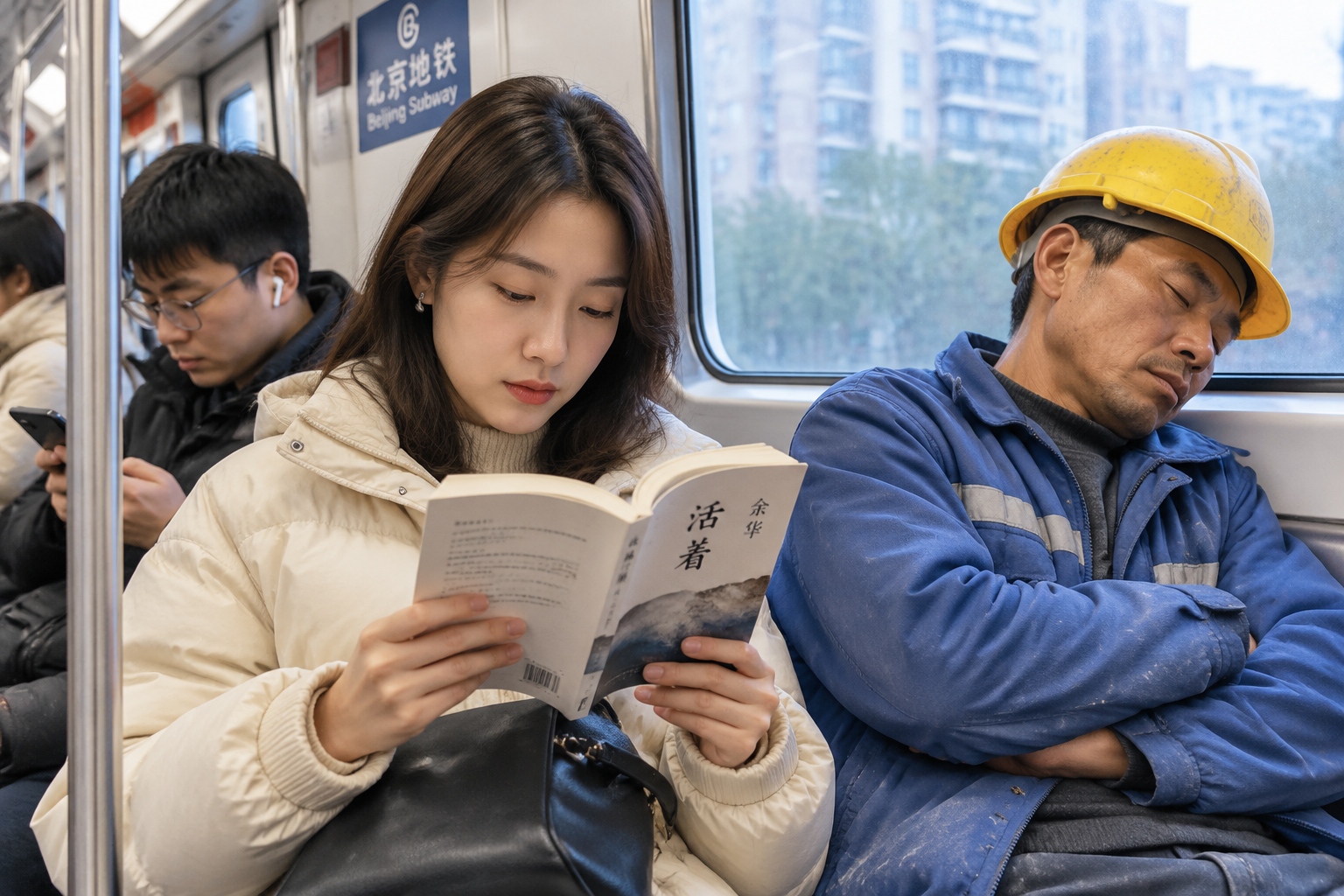

The 8 a.m. subway in Beijing is full, but the woman across from me is not looking at her phone. She is holding a fat paperback with a cracked spine, its cover folded back so often it has gone soft. It is a wuxia novel, and the author is almost certainly Jin Yong.
Nobody in the carriage finds this remarkable. Reading Jin Yong in public is like reading Harry Potter on the London Underground: a shared reference point that runs from teenagers to retired teachers. What is less familiar to readers outside the Chinese-speaking world is what happens once the book is open.
Jin Yong was the pen name of Louis Cha (1924–2018), a Hong Kong newspaper editor who wrote 15 martial-arts novels between 1955 and 1972, most of them serialised day by day. They have sold in the hundreds of millions, been adapted into dozens of television series and films, and produced a saying so worn-out that people repeat it without thinking: wherever there are Chinese people, there is Jin Yong. When he died in October 2018, the response online felt less like a celebrity obituary than a national rereading.
English-speaking readers only recently got a door in. Anna Holmwood’s translation of Legends of the Condor Heroes, published as A Hero Born in 2018, was the first major English version of his best-known book, with later volumes by Gigi Chang. That late arrival explains a gap: Western audiences know the kung fu film and the Hong Kong action star, but rarely the novels that supplied so much of the material.
The women are the reason to keep reading
Wuxia is set in a semi-imaginary Chinese past — Song, Yuan, Ming — in a parallel society called jianghu, literally rivers and lakes: a world of freelance fighters, sect leaders, escort companies, monks and beggars living beyond the reach of the state. The closest Western analogue is the frontier in a Western: its own codes, its own sheriffs, and a government that is distant or corrupt.
What surprises many first-time readers is not the fighting. It is the women. They run sects, command troops, out-argue officials and, more often than not, are the smartest people in the book. For a genre written by a man in the 1950s for a mass newspaper readership, that is worth explaining.
Huang Rong: the strategist who wins by thinking
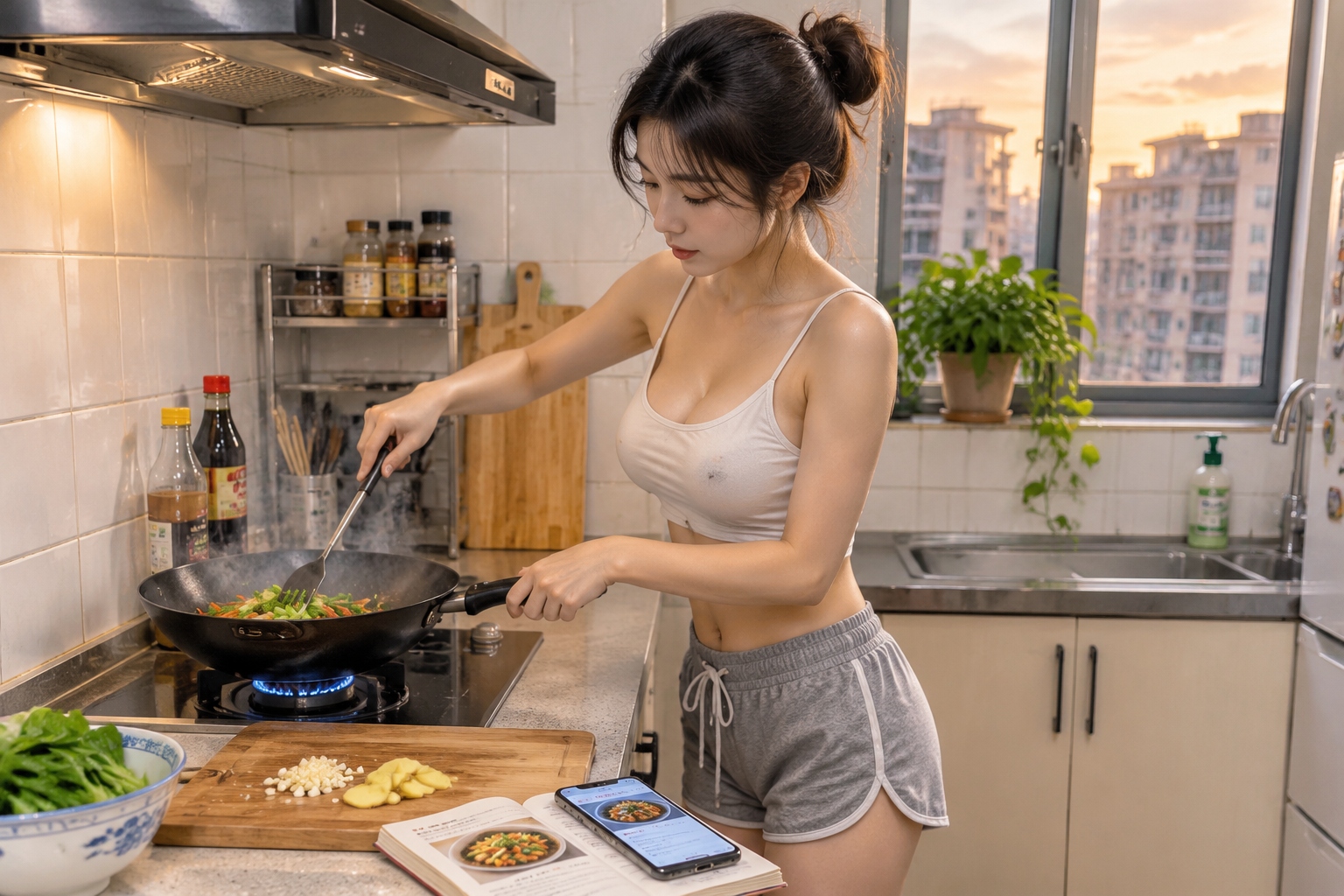
Huang Rong arrives in The Legend of the Condor Heroes (1957) as a filthy, ragged beggar boy stealing a steamed bun. Guo Jing, the hero — a slow, honest fighter raised on the Mongolian steppe — buys her dinner. She orders an absurdly expensive meal to test him, and keeps testing him for the next thousand pages.
She is not the strongest fighter in the book. She is the cleverest person in it, and that turns out to matter more. She talks her way out of traps, sets them for other people, remembers everyone’s weakness, and cooks. One famous sequence has her posing as a chef to bribe Hong Qigong, the greatest martial artist alive, into teaching her boyfriend. By the end she is chief of the Beggar’s Sect — the largest and best-informed organisation in the jianghu, and the first woman to lead it. Not bad for a girl who spent her first chapters pretending to be a boy.
The nearest Western comparison is not Wonder Woman. It is Hermione Granger, or perhaps Tyrion Lannister: the character whose brain decides the ending. The old saying that shaped the ideal of the respectable woman for centuries — 女子无才便是德, a woman’s virtue lies in having no talent — does not survive one chapter with her.
Jin Yong did not leave her alone, though. In the sequel, Return of the Condor Heroes, she is a middle-aged wife and mother, cautious and calculating, and plenty of readers have found that version harder to love. The smart girl gets the adventure; the grown woman gets a supporting role.
Xiao Longnü: independence that costs something
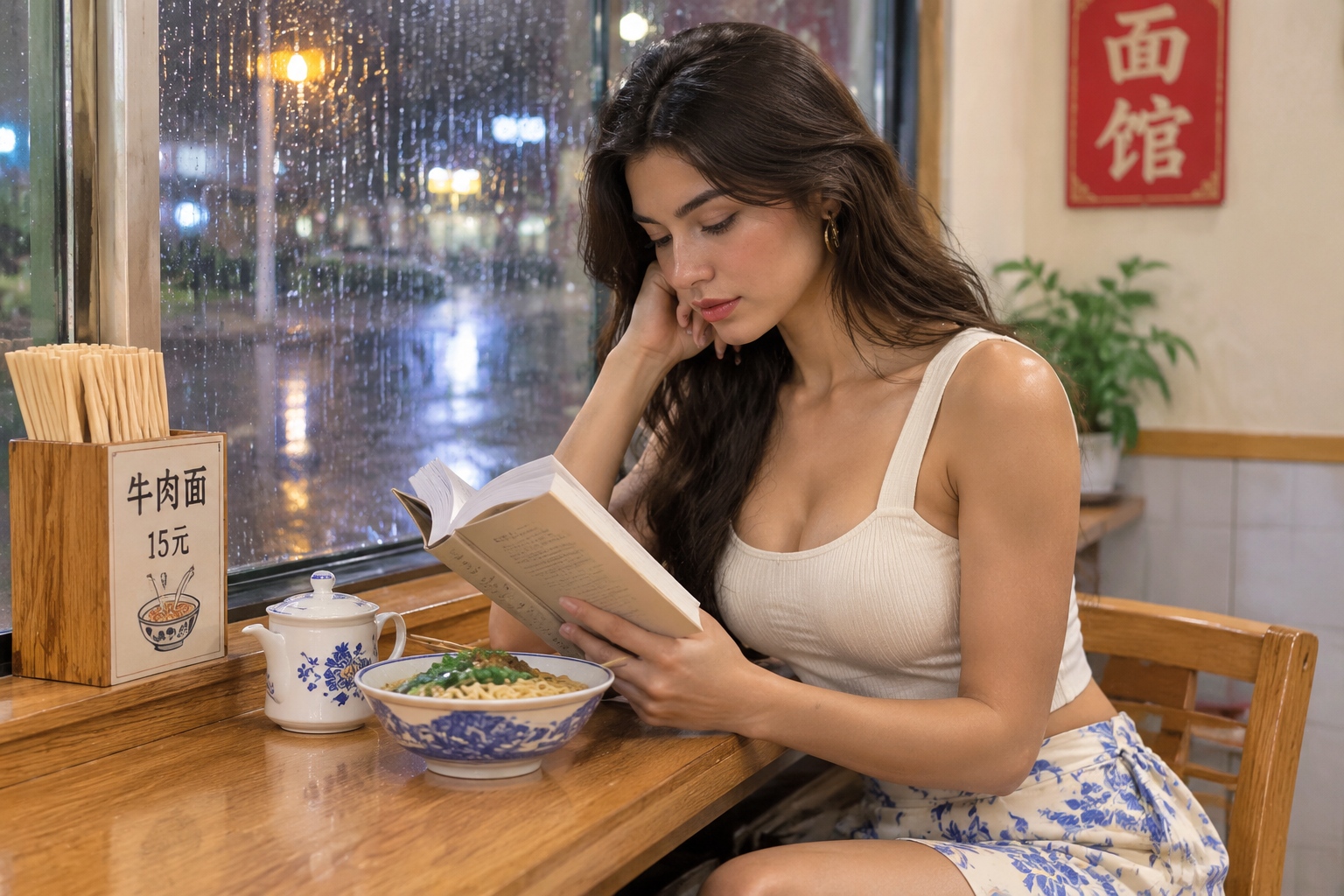
If Huang Rong wins by talking, Xiao Longnü wins by refusing.
She is the heroine of Return of the Condor Heroes (1959), raised inside a tomb by a reclusive sect. She sleeps on a bed of cold jade, wears white, speaks in short sentences, and has almost no interest in the rules outside. When she falls in love with her own disciple, Yang Guo, the whole jianghu turns on them: a master marrying a student is treated as an obscenity. She does not argue. She simply carries on.
Western readers often misread her, because she matches the visual template of the delicate, silent Chinese heroine. She is neither delicate nor passive. She is the teacher; she is the one who fights off the sect that wants them both dead; she is the one who walks into a wedding to make a point. Her quietness is not obedience. It is a refusal to perform the feelings people expect from her.
There is a harder thing to say. Her story turns on a scene in which she is assaulted while unable to move, believing the man is Yang Guo — one of the most argued-over passages in wuxia. Readers in China and elsewhere find it disturbing, and say so. Jin Yong used violation to drive a plot, and that is a real limit of the writing, not a footnote to it.
Zhao Min: the princess who does the choosing

Zhao Min is the one who decides.
She appears in The Heaven Sword and Dragon Saber (1961) disguised as a man, leading a party of fighters hunting rebel factions. She is a Mongol princess, daughter of a Yuan general, and for half the novel she is the enemy: clever, arrogant, entertained by setting her opponents against each other. The hero, Zhang Wuji, is kind, decent and hopelessly indecisive. She runs rings around him.
Then she decides she wants him, and says so out loud. She gives up her title, her family and her side of the war. She turns up at his wedding to another woman and simply does not leave. Readers have argued about that scene for sixty years — is she admirably direct, or appallingly rude? — which is roughly what a genuinely transgressive character looks like.
The contrast with European chivalric romance is sharp. In much of that tradition the woman is the prize the knight earns. Here the woman has the plan, and the hero spends the final third of the book being managed by someone better than him at everything except being kind.
Beyond the sword: other kinds of female power
The wider cast is more varied than the phrase strong female character suggests. Cheng Lingsu, in Fox Volant of the Snowy Mountain (1960), is a master of poisons who is explicitly described as plain — unusual in a genre where every heroine is beautiful — and she is the sharpest mind in the story. Huo Qingtong, in The Book and the Sword (1955), is a Hui (Chinese Muslim) commander who can hit a target from a galloping horse; her sister’s beauty starts a war, but Huo Qingtong’s competence is what fights it. Ren Yingying, in The Smiling, Proud Wanderer, is the revered holy maiden of a feared cult, plays the qin, and walks into enemy territory without backup.
Their power is not all the same kind of power: administrative, moral, military, strategic. English-language pop culture tends to translate strong woman into woman who can fight. These books are often more interested in women who can organise.
What hasn’t aged well
It would be dishonest to stop there. Jin Yong wrote quickly, for newspapers, in the 1950s and 60s, and parts of the work have not aged well. Beauty is treated as virtue. Heroines are beautiful first and capable second. Love stories often end with the woman sacrificing her sect, her family or her life while the man keeps his; the structure assumes one hero and several women, which is a fantasy of its own. And after marriage, a startling number of these remarkable women simply stop having plots.
Chinese readers say this in public. On Douban and Weibo the arguments run for years, and every new television adaptation restarts them. The reprints and retrospectives that followed his death in 2018 were as critical as they were devoted. These are not sacred texts. They are a shared vocabulary that people keep reworking.
Why the argument is still going
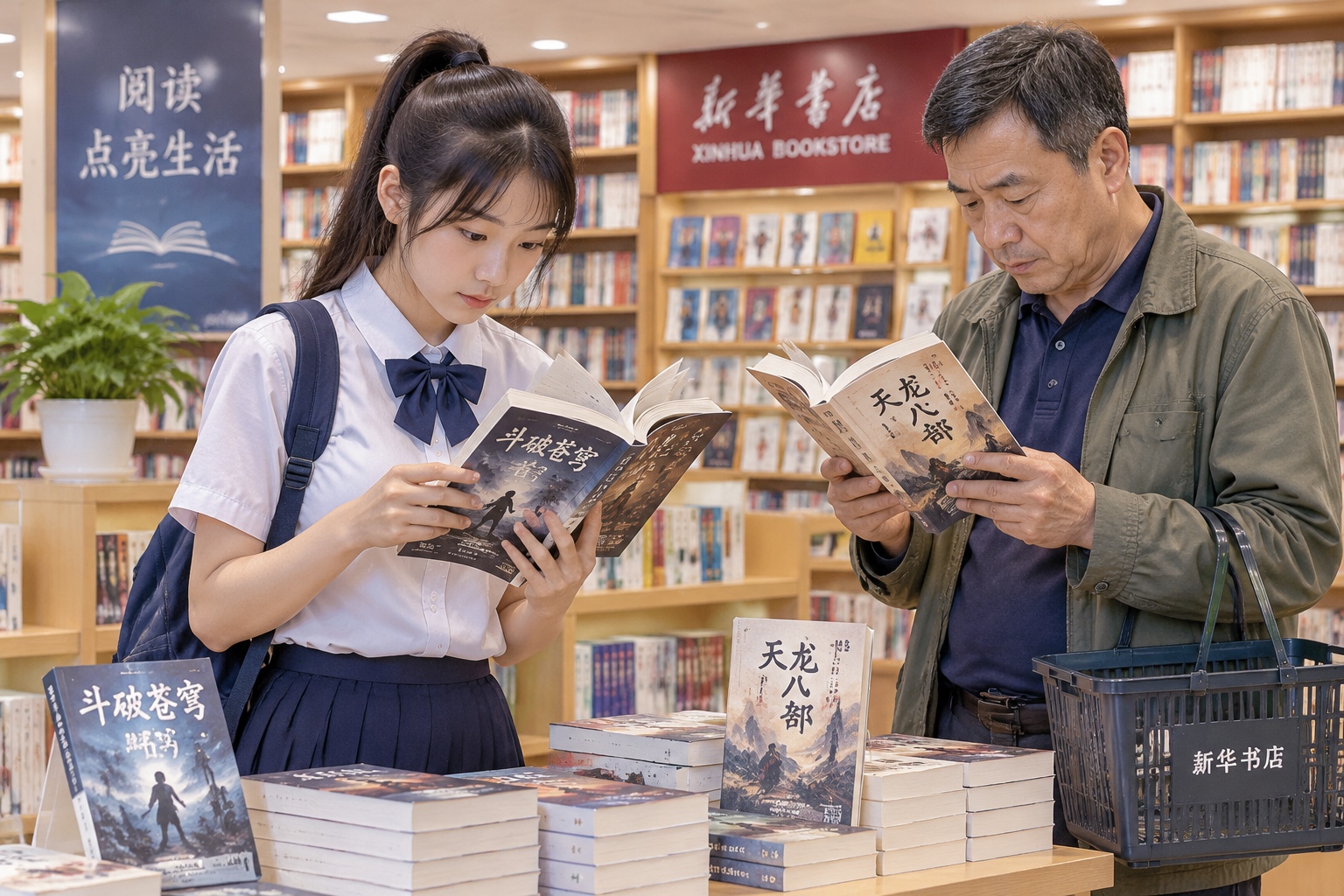
The characters escaped the books long ago. In 2004, when a chapter of Demi-Gods and Semi-Devils was added to a widely used high-school reading textbook, it set off a national argument about whether wuxia counted as literature. It also meant a generation met these women in class, not only on television.
Television matters just as much. The 1983 Hong Kong adaptation of The Legend of the Condor Heroes is still the one that people of a certain age describe as formative, and its theme song remains a karaoke standard. Ask a Chinese woman in her forties about Huang Rong, and she is as likely to talk about the actress who played her when she was twelve as about the novel.
And the borrowing continues. In a society where pressure on women to marry is still a live subject — the public argument over shengnü, leftover women, has been running since around 2007 — these characters offer a different script. Not usually a rejection of family, but a reminder that cleverness, stubbornness and the ability to run an organisation are also recognised ways to live a life.
What a reader outside China can take away
The question of what a strong woman looks like gets different answers in different places, and the answers reflect what a society already admires. American stories often answer with a body: someone who can win the fight or run the company. Chinese wuxia, written by a man in a hurry for tomorrow’s edition, often answers with a mind and a refusal — the woman who sees the trap first, and the woman who declines to follow a rule she never agreed to.
Neither answer is the whole truth. Both are worth reading.
If you want a way in, A Hero Born is the door. Huang Rong is there in the early pages, disguised as somebody else, already cheating.