

Introduction: A Digital Path to Immortality
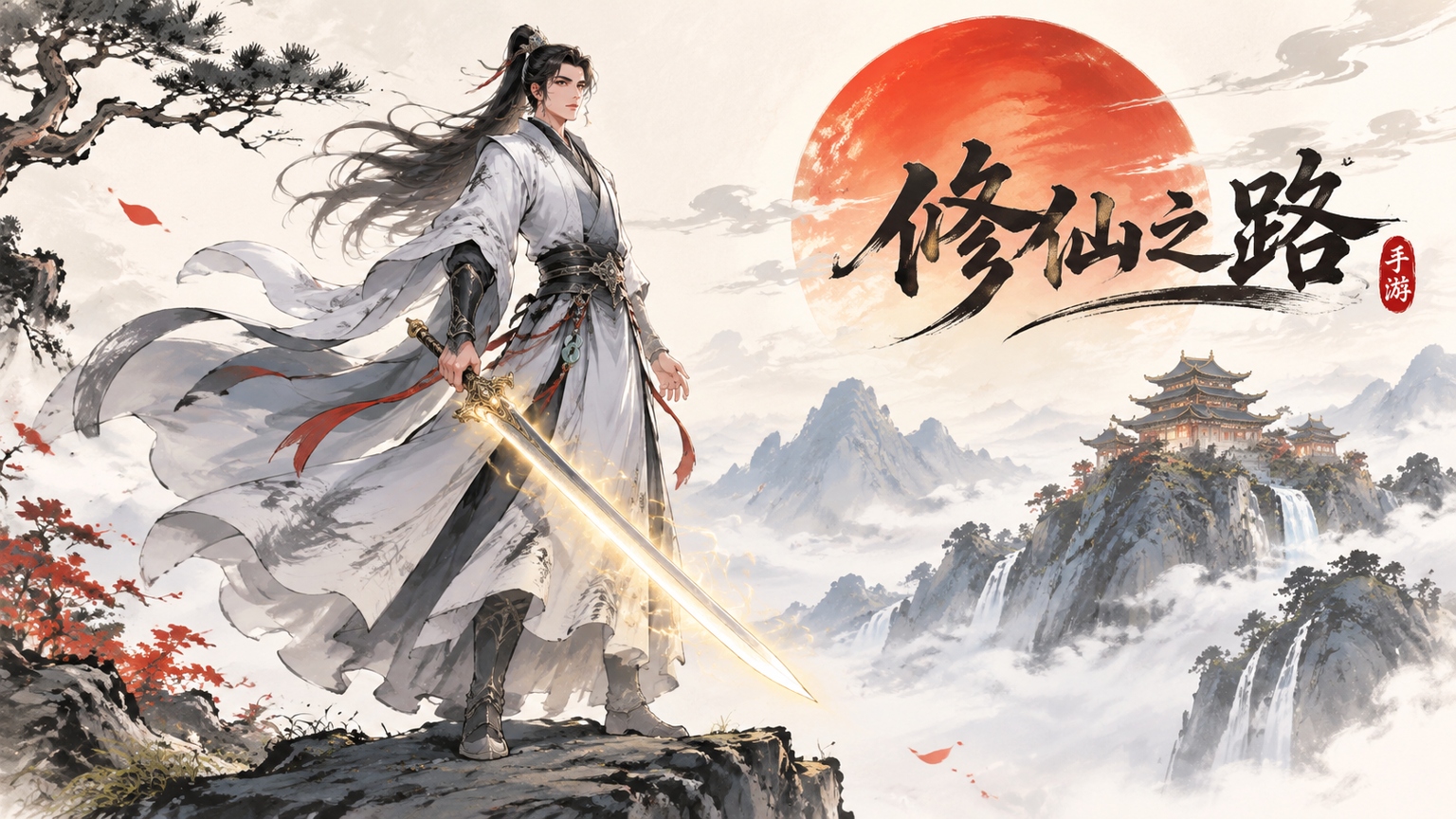
You’re standing on a misty mountain peak, your sword humming at your side. Below, a demon lord stirs in his castle. You take a deep breath, feel the spiritual energy flowing through your meridians, and leap—not down, but up, soaring into the clouds. This isn’t a scene from a Chinese fantasy novel; it’s a typical moment in a cultivation game (修仙游戏, xiūxiān yóuxì), a genre that has exploded in popularity among young Chinese players.
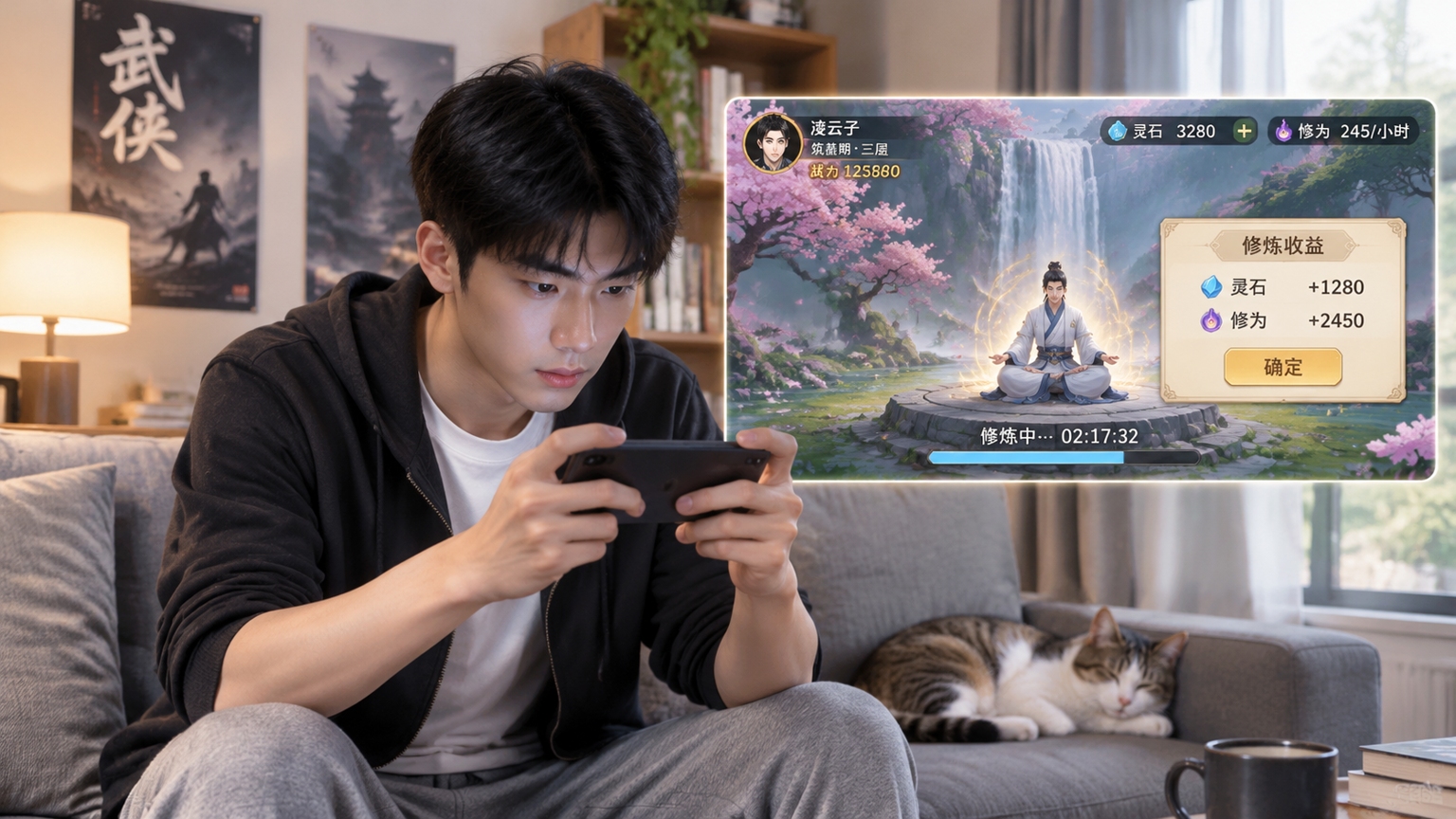
If you’ve never heard of cultivation games, you’re not alone. Outside China, they remain a niche curiosity. But inside the country, they represent a fascinating blend of ancient Taoist mythology, martial arts, and modern game design. Titles like Amazing Cultivation Simulator (了不起的修仙模拟器), Immortal Way of Life (一念逍遥), and Five Elements Immortal Epoch (五行修仙纪元) have attracted millions of players who spend hours grinding for breakthroughs, forming sects, and chasing the ultimate goal: immortality.
What Exactly Is a Cultivation Game?
At its core, a cultivation game simulates the journey of a cultivator—a person who uses meditation, alchemy, and combat to strengthen their soul and body, eventually transcending mortal limitations. The concept comes from xianxia (仙侠) and xiuzhen (修真) fiction, which itself draws on Daoist practices of inner alchemy and the pursuit of longevity.
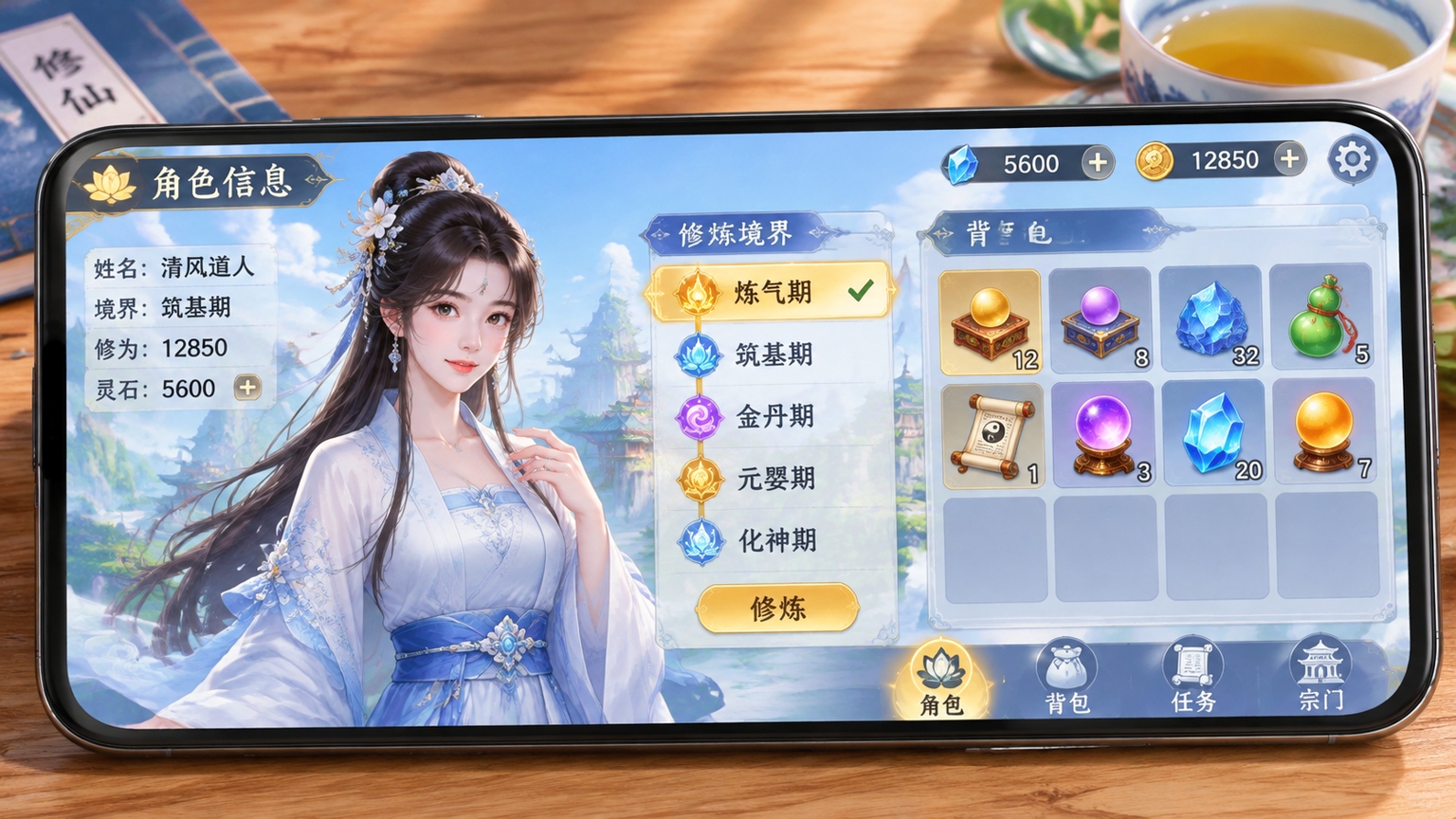
In these games, players start as a weak apprentice and progress through realms: Qi Refining, Foundation Establishment, Core Formation, Nascent Soul, and so on. Each breakthrough requires accumulating experience, gathering rare resources, and often surviving a heavenly tribulation (天劫)—a lightning storm that tests your worth. Fail, and you might lose progress or even die permanently (in hardcore modes). Succeed, and you gain immense power, longer life, and access to new abilities like flying swords, spell formations, or even splitting your soul.
Unlike Western RPGs that focus on quests and loot, cultivation games emphasize self-improvement and cyclical progression. The loop is addictive: train, break through, face a stronger enemy, train again. It’s a digital version of the classic Chinese saying: 修仙之路,永无止境 (The path of cultivation has no end).
Why Are They So Popular Among Chinese Youth?
A 2023 report by the China Game Industry Research Institute showed that cultivation-themed games accounted for roughly 8% of the domestic mobile gaming market, with revenue exceeding ¥15 billion (about $2 billion). But the real story is cultural resonance.
For many young Chinese, cultivation stories are a shared childhood staple, from novels like A Will Eternal (一念永恒) to anime and webcomics. Playing a cultivation game feels like stepping into a world they already know intimately. The mechanics—meditating, refining pills, building a flying sword—are not foreign but familiar. It’s like a Western player getting to live out a Harry Potter fantasy, except the magic system is rooted in their own heritage.
Moreover, cultivation games offer a sense of control and achievement in an increasingly competitive real world. “In a cultivation game, my effort directly translates to power,” says Li Wei, a 26-year-old player from Shanghai. “I can set my own pace. There’s no boss telling me what to do, only the heavenly law of the dao. It’s liberating.”
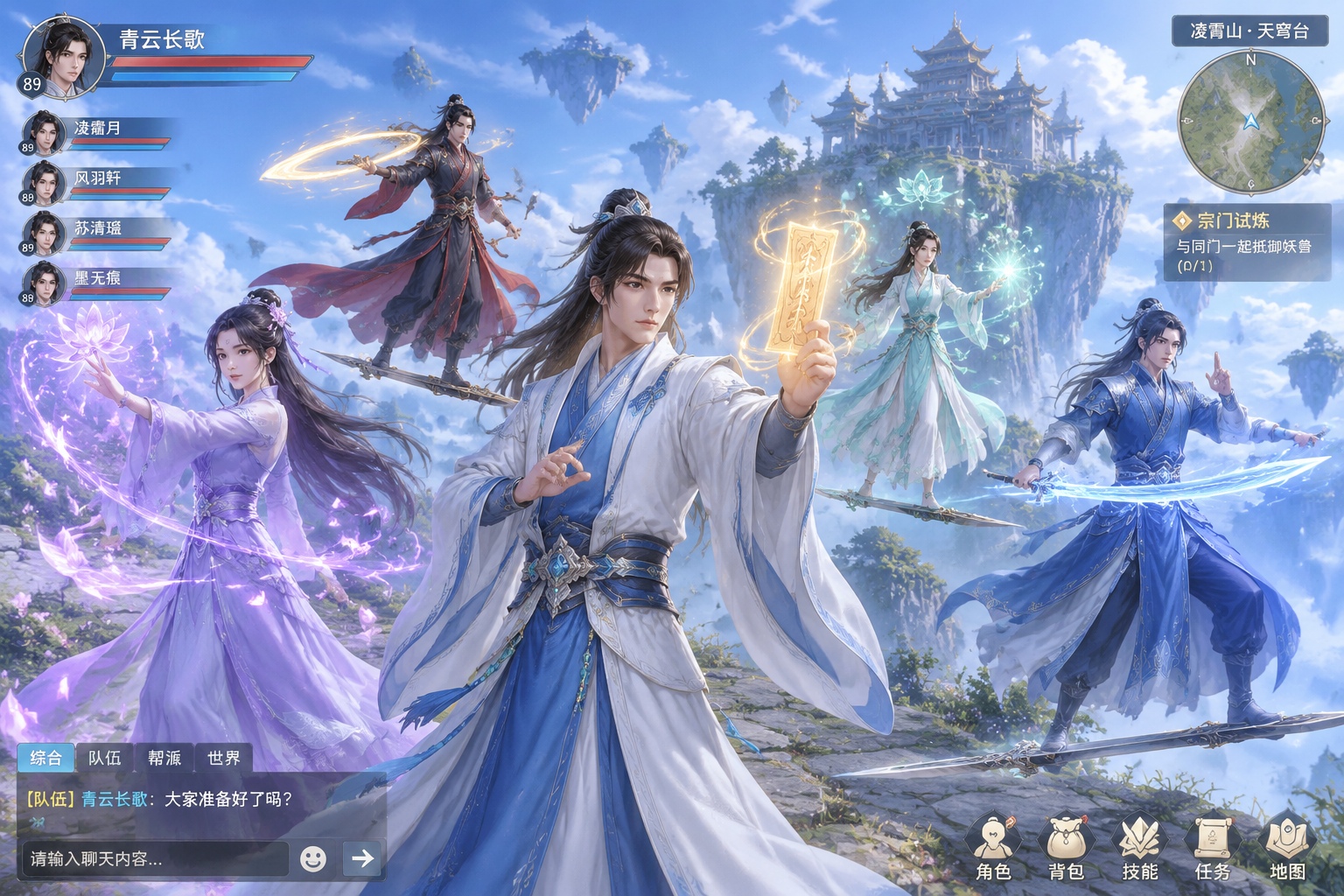
The genre also thrives on social interaction. Many cultivation games are massively multiplayer, allowing players to form sects, compete in tournaments, or even marry in-game. These communities become tight-knit, organizing events and sharing strategies. “My sect has members from all over China,” says Zhang Yu, a 22-year-old player. “We chat every day, not just about the game but about life. It’s like a second family.”
From Browser Games to Blockbusters: The Evolution
Cultivation games first appeared in the early 2000s as text-based browser games and chatroom RPGs. They were simple: type commands to meditate, fight monsters, and ascend. But as mobile technology improved, so did the genre. Today’s top titles feature stunning 2D or 3D graphics, real-time combat, and intricate systems for crafting, alchemy, and territory management.
One standout is Amazing Cultivation Simulator, a PC game that combines colony simulation with deep cultivation mechanics. Players manage a sect, assign tasks to disciples, and explore a procedurally generated world. It has a devoted modding community and has sold over 500,000 copies on Steam. Another is Immortal Way of Life, a mobile game that offers a more streamlined experience: idle progression (you gain resources even when offline) combined with active combat and social features. It has been downloaded over 10 million times.
These games are not just for hardcore players. Many include auto-play options, making them accessible to casual gamers who want to enjoy the story and aesthetics without constant clicking. The blend of idle mechanics and deep strategy appeals to a broad audience, from students to office workers.
What Foreign Players Find Surprising
If you’re new to cultivation games, a few things might catch you off guard. First, the sheer amount of text. Many games are story-driven, with lengthy descriptions of cultivation techniques, historical lore, and poetic dialogues. This can be a barrier for non-Chinese speakers, though some fan translations exist.
Second, the concept of “face” (面子) and social hierarchy sometimes extends to in-game mechanics. Higher-realm cultivators can suppress lower ones with their aura; challenging a senior without proper etiquette can lead to consequences. This mirrors real-world social dynamics in a fantastical way.
Third, the aesthetics are distinctly Chinese: ink-wash landscapes, bamboo forests, Taoist talismans, and architecture inspired by ancient temples. The music often features traditional instruments like the guqin and erhu. It’s a sensory immersion into a world that feels ancient yet digital.
Finally, the grind is real. Cultivation games are notorious for requiring hundreds of hours to reach the highest realms. But fans argue that the journey is the point. “Every breakthrough feels earned,” says Chen Jie, a 30-year-old player. “It’s not about the destination; it’s about becoming stronger with every step.”
Conclusion: A Genre That Reflects Modern China
Cultivation games are more than just entertainment; they’re a window into how Chinese youth engage with their cultural heritage in a digital age. They take ancient philosophies—about self-cultivation, harmony with nature, and the pursuit of transcendence—and translate them into interactive experiences that resonate deeply. As the genre continues to evolve, with better graphics, more innovative mechanics, and broader global reach, it’s worth paying attention. Who knows? You might find yourself downloading one, creating a character, and starting your own path to immortality.
Start the discussion at forum.chinacomes.com