
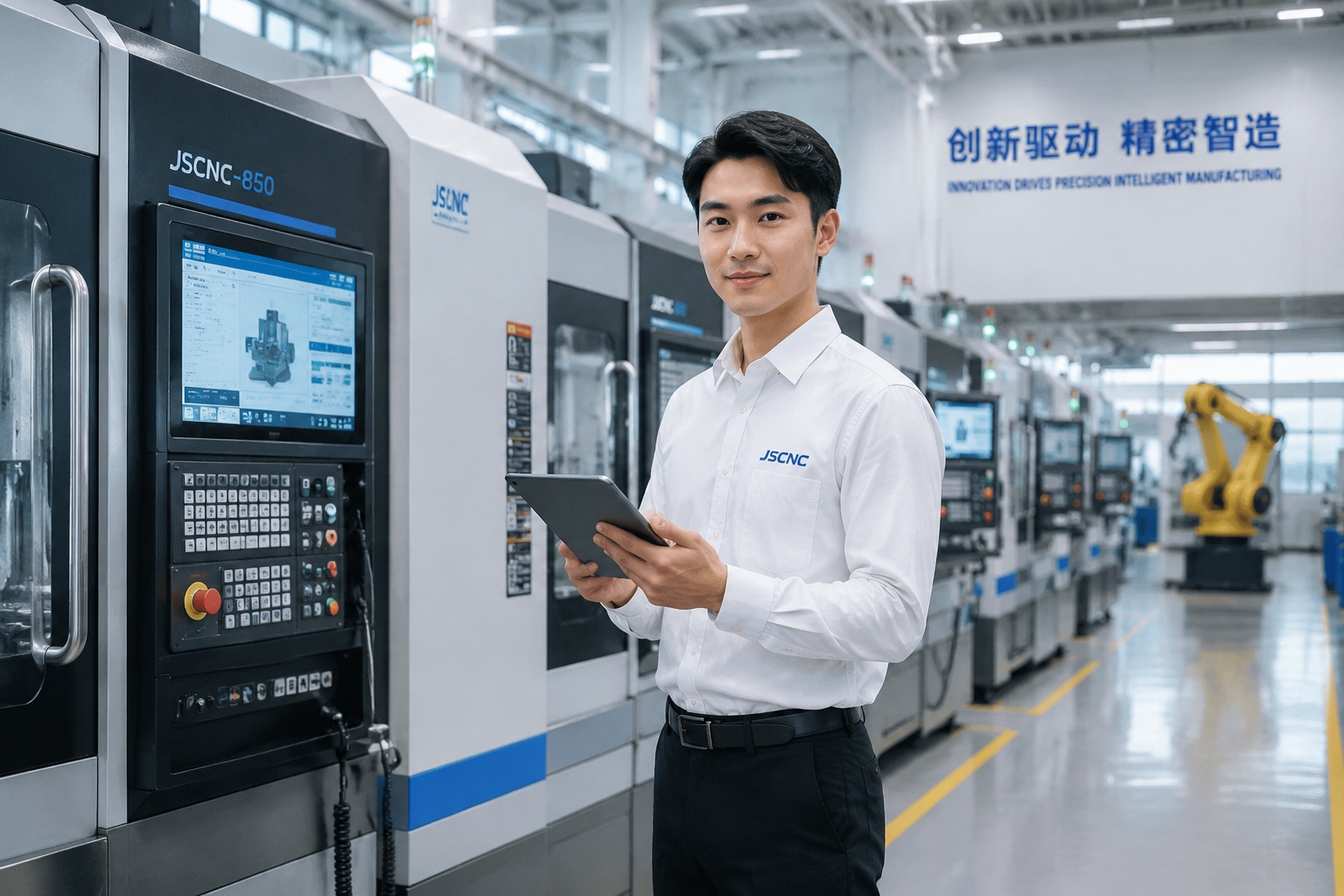

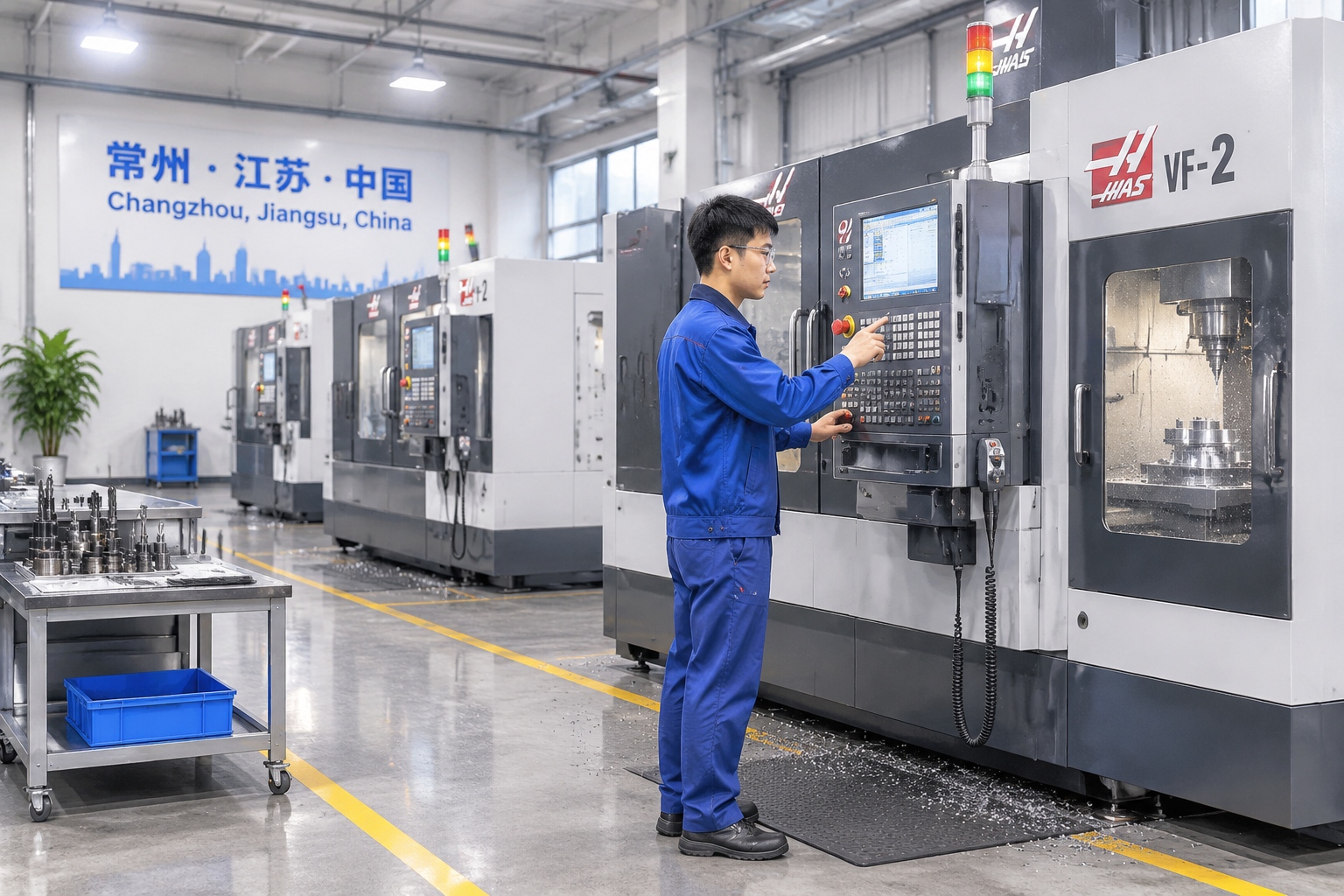
On a production floor in Changzhou, Jiangsu, rows of CNC machining centers hum as they cut metal parts for electric vehicle motors. The machines, painted a uniform gray, carry logos of a Chinese brand from Nanjing. Ten years ago, the same workshop relied on imported equipment from Germany and Japan. ‘The domestic machines were not good enough for precision parts,’ says Qian Lei, a 36-year-old engineer who manages the shop floor. ‘Now they are not just good enough—they are also cheaper to maintain and faster to upgrade.’
This shift is not an isolated story. It is happening across Jiangsu, a province along China’s east coast that has quietly become one of the world’s largest machine tool making hubs. Machine tools, which are used to make other machines, are known as the ‘mother machines’ of manufacturing. Their accuracy and reliability determine whether a factory can produce a smartphone part or a jet engine blade. For decades, this industry was dominated by a handful of countries. China was the biggest buyer, but the high-end segment was largely controlled by foreign players.
The ‘Mother Machine’ Industry
Machine tools are not ordinary products. They cut, shape, and grind metal and other materials into precision components. Every car engine, airplane fuselage, and medical implant starts with a machine tool. If a country cannot make its own high-end machine tools, it remains dependent on others for the most sophisticated manufacturing, from semiconductors to power generation equipment.
That is why the Chinese government has spent years pushing for localization. The High-end CNC Machine Tools and Basic Manufacturing Equipment national project, launched in 2009, has channeled billions of yuan into research. Jiangsu, with its strong industrial base and engineering talent, became a testbed for these efforts.
Jiangsu’s Machine Tool Belt
The province’s machine tool industry is not concentrated in one city but spread across a belt that includes Nanjing, Suzhou, Wuxi, Changzhou, and Yangzhou. Each city has its own specialties. Nanjing is known for large-scale gantry milling machines and CNC systems developed by local universities and research institutes. Suzhou and its satellite towns are home to precision grinding and laser cutting equipment suppliers. Taizhou, a smaller city, has turned into a global center for wire-cut electrical discharge machines, a low-cost but essential tool for making molds.
According to the Jiangsu Province Machinery Industry Association, the province accounts for around one-fifth of China’s total machine tool output value. In some niche products, such as CNC wire-cut machines, more than half of China’s production comes from Taizhou alone.
From Low-End to Mid-Range
For years, Chinese machine tools were seen as cheap but imprecise. They worked well enough for simple parts, but factories producing high-accuracy components—like engine valves or dental implants—still bought from Yamazaki Mazak, DMG Mori, or GF Machining Solutions. The gap was not just in hardware but also in software and control systems. A CNC machine is only as good as the controller that interprets the design. Chinese controllers from brands like GSK and Huazhong were considered entry-level.
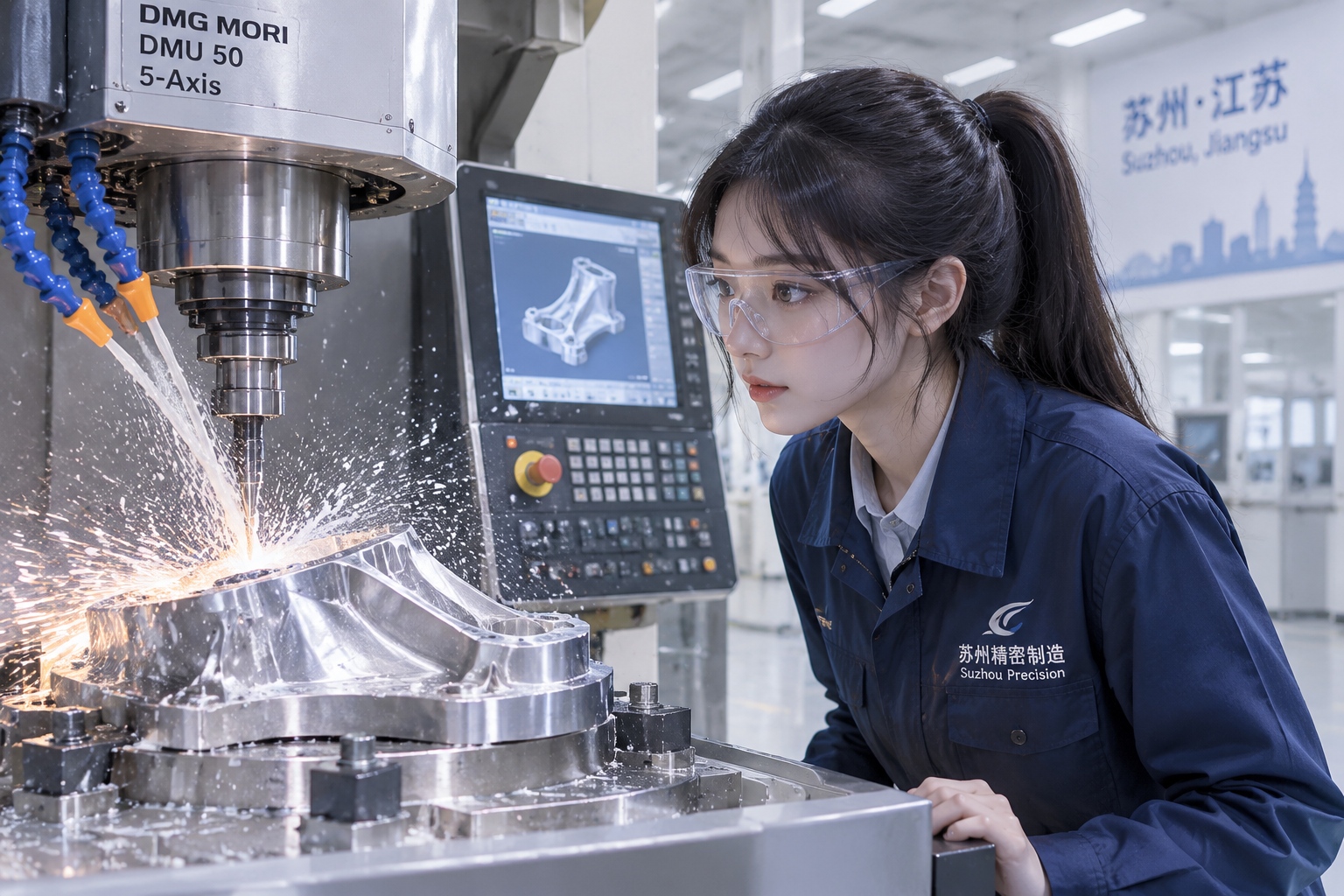
That perception is changing. In 2023, a joint research team from Nanjing University of Aeronautics and Astronautics and a local company developed a five-axis linkage control system that passed tests run by a major aerospace manufacturer. The system now drives a machine that mills titanium parts for aircraft. Engineers involved in the project say the accuracy reached 10 microns, roughly one-eighth the thickness of a human hair. That is not yet at the level of the best Swiss or German machines, but it is close enough for many applications.
Supply Chain Pressure and Local Alternatives
The COVID-19 pandemic and subsequent trade restrictions exposed a vulnerability: if Chinese factories could not import certain machine tools or components, they had to stop production. This accelerated the shift to domestic alternatives. A manufacturer of hydraulic components in Wuxi told me that in 2022, their German-made grinding machine needed a replacement spindle. The delivery time was eight months, and the price had doubled because of shipping bottlenecks. Instead of waiting, they found a local supplier in Jiangsu who could make a compatible spindle with the same tolerances. The retrofit worked, and the factory now uses domestic parts for maintenance.
This story reflects a broader trend. According to customs data, China’s imports of machine tools from Germany and Japan have been declining since 2019, while domestic production has risen. In Jiangsu, the output of high-end CNC machines, defined as those with more than five axes, grew by an estimated 15% annually in recent years.
What It Means for Workers
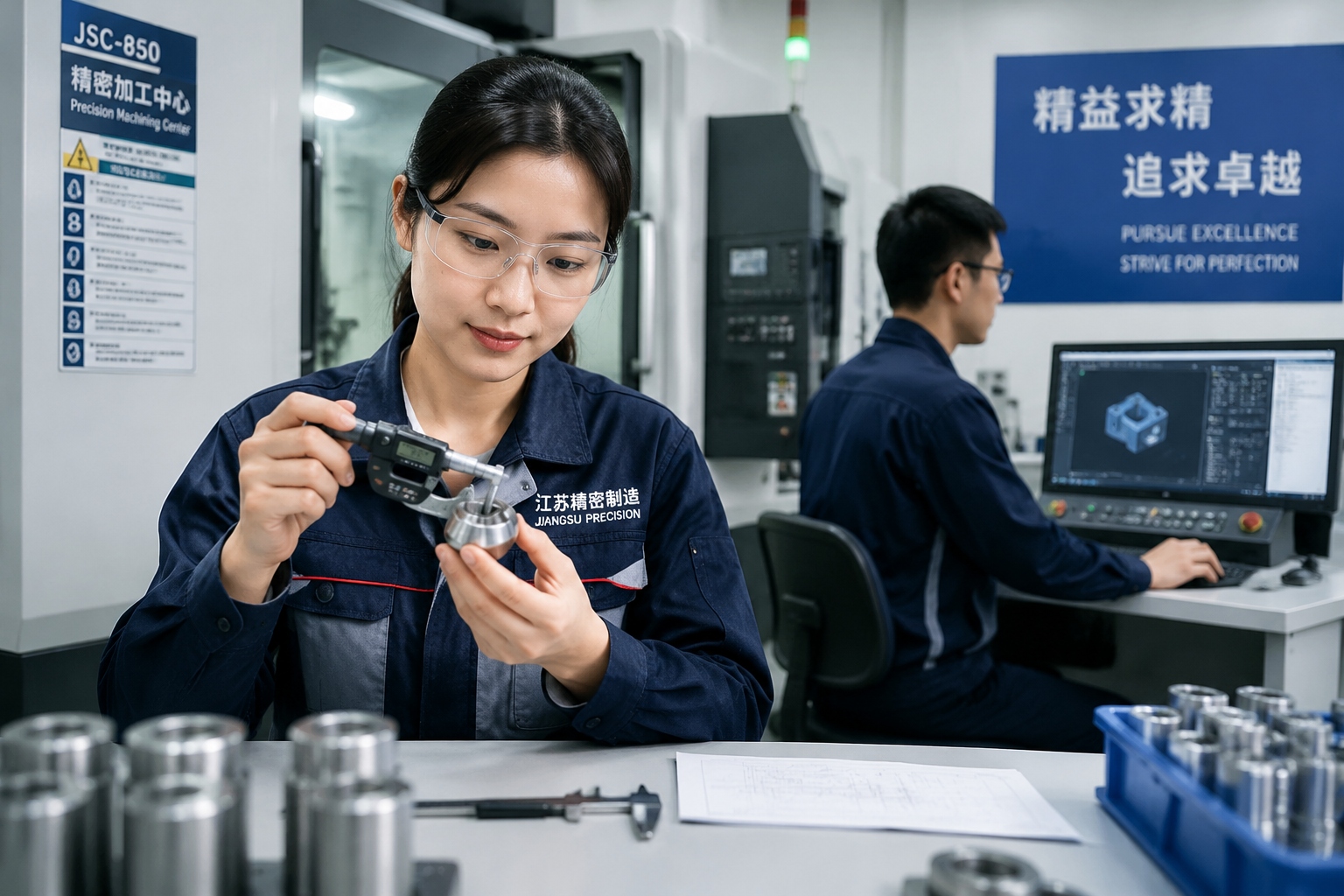
The upgrade is not just about machines; it is about people. In the past, operating a machine tool was relatively low-skill work. Today, modern CNC machines require workers to read complex blueprints, write and debug programs, and understand tool wear dynamics. Jiangsu’s vocational schools have responded by adding courses in CAM (computer-aided manufacturing) and industrial robotics. Apprenticeships are common. A young technician at a Changzhou mold factory told me that she started as an apprentice at 3,000 yuan per month five years ago. Now, as a CNC programmer, she earns around 12,000 yuan a month, which is competitive with white-collar jobs in the city.
But there is also a squeeze. Older workers who cannot adapt to digital controls find themselves replaced by younger, more tech-savvy operators. Factories are automating which means fewer jobs for simple loading and unloading. The industry is therefore investing in retraining programs, often with government subsidies.
The Road Ahead
Jiangsu’s machine tool industry is far from perfect. Even the best local brands still lag behind the top global players in long-term stability and precision durability. Some critical components, like high-end linear guides and ball screws, are still imported from Japan or Taiwan. But the direction is clear: the province is moving from making basic machines that compete on price to developing sophisticated systems that compete on performance.
For overseas buyers, this means more options. Chinese machine tools are no longer just budget alternatives. They are now entering mid-range markets in Southeast Asia, Latin America, and even Europe. A machine tool builder in Nanjing recently exported a 5-axis machining center to a German tooling company—a symbol of how far the industry has come.
When I visited the Changzhou factory, Qian Lei, the engineer, pointed to the familiar-looking machines. ‘The next generation will not just copy foreign designs,’ he said. ‘They will define what a smart factory looks like, with built-in sensors, AI-based maintenance, and fully automated production lines.’ He paused, then added, ‘But that battle is still ahead.’
Start the discussion at forum.chinacomes.com