

A red envelope with a little extra arithmetic
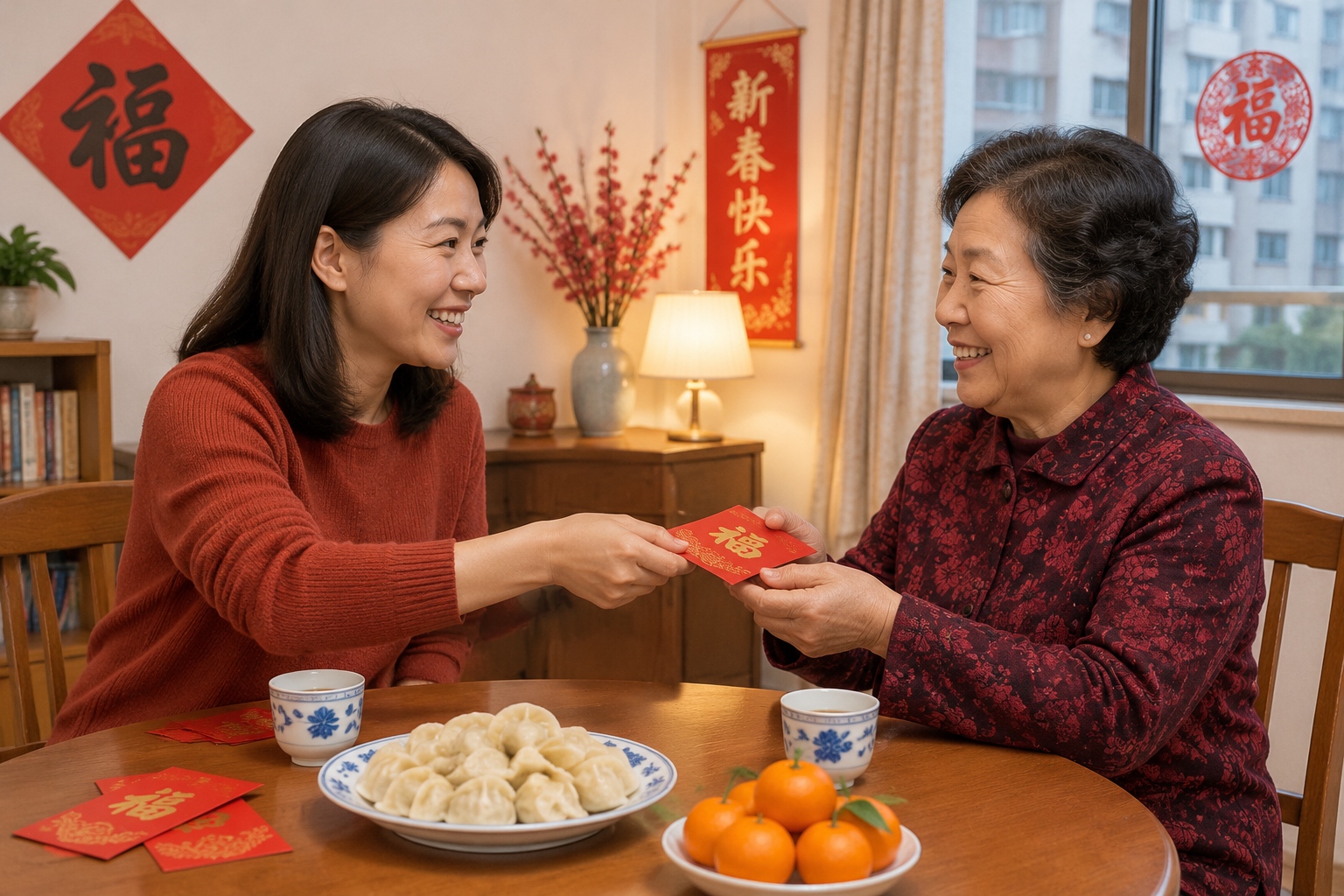
In a Shanghai apartment one Lunar New Year, a friend handed me a red envelope. It held 188 yuan, not 200. She smiled and said, “图个吉利”—just for the lucky sound. The amount was not about being generous or stingy. It was doing a second job: saying something nice.
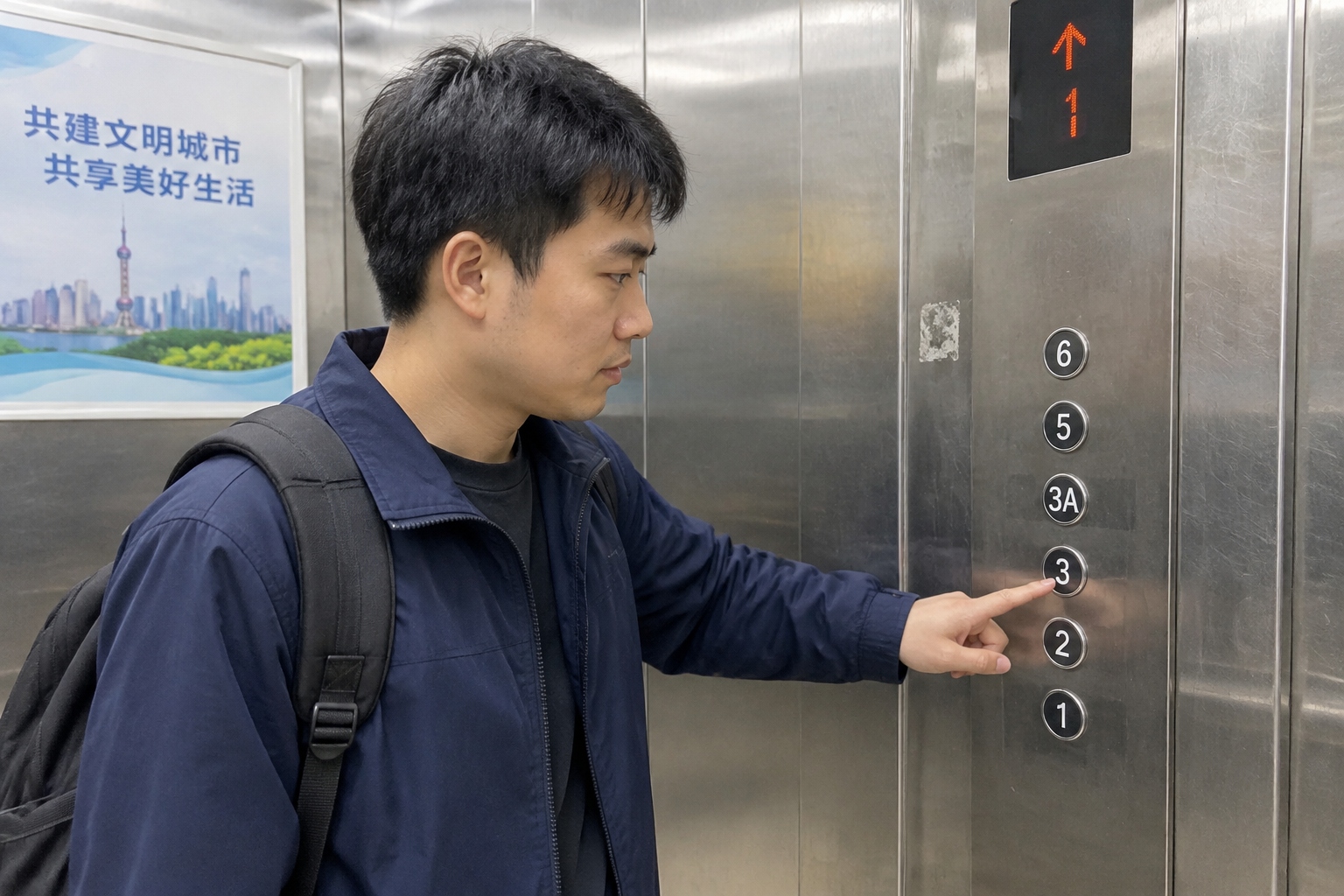
Days later, in the elevator of an older residential building, I saw buttons marked 1, 2, 3, 3A, 5, 6. No 4. Same city, same ordinary people. One number was being used as a small blessing; another was being quietly stepped around.
That contrast is a good way into number culture in China. It is not a secret belief system that governs every choice. It is closer to wordplay, etiquette, and an old habit of letting sounds carry wishes. This article is about Mandarin, the most widely spoken form of Chinese. Cantonese and other varieties have their own sound associations.
Why 4 sounds like death—and why people still use it
In Mandarin, four is sì (fourth tone). Death is sǐ (third tone). They are not the same word, and tone matters. But Chinese puns often ignore tone. A near-match is enough. That is why 4 often reads as unlucky.
But 4 is not forbidden. It is in dates, bus routes, ID numbers, phone numbers, prices, page numbers. April is the fourth month. There are four seasons and four directions. A box of four mooncakes is a normal product. The avoidance is selective.
Why 8 became the all-purpose lucky number
Eight is bā. In 发财 (fācái), “to get rich,” the character 发 is pronounced fā. It is not a perfect match—b and f are different initials—but the rhyme and tone line up, and in lucky speech that is enough. Phrases do the rest: 888, 168, 518.
This is why 8 shows up in prices, phone numbers, opening dates, and wedding dates. The most famous example is the Beijing Olympics, which opened on August 8, 2008, at 8:08 p.m. local time: 8/8/08, 8:08. That was not an accident. It was a public signal everyone could read.
Six and nine: smooth and long-lasting
Six is liù. The blessing 六六大顺 (liù liù dà shùn) means “six six, great smoothness.” It works for journeys, business, exams, moving house. Online, 666 means smooth or impressive. A red packet of 66 or 666 yuan says: may things go smoothly.
Nine is jiǔ, and it sounds exactly like 久 (jiǔ), “long-lasting.” That is why 99 or 999 appears in romantic messages. Some couples choose September 9 for marriage registration because 9/9 sounds like “long long.” Again, this is a preference, not a rule.
The numbers have different jobs. 6 is about smoothness. 8 is about wealth. 9 is about duration. 4 is the one people step around in formal settings. The system is less a system than a set of handy puns.
Where the numbers show up—and where they don’t
Red envelopes and gifts
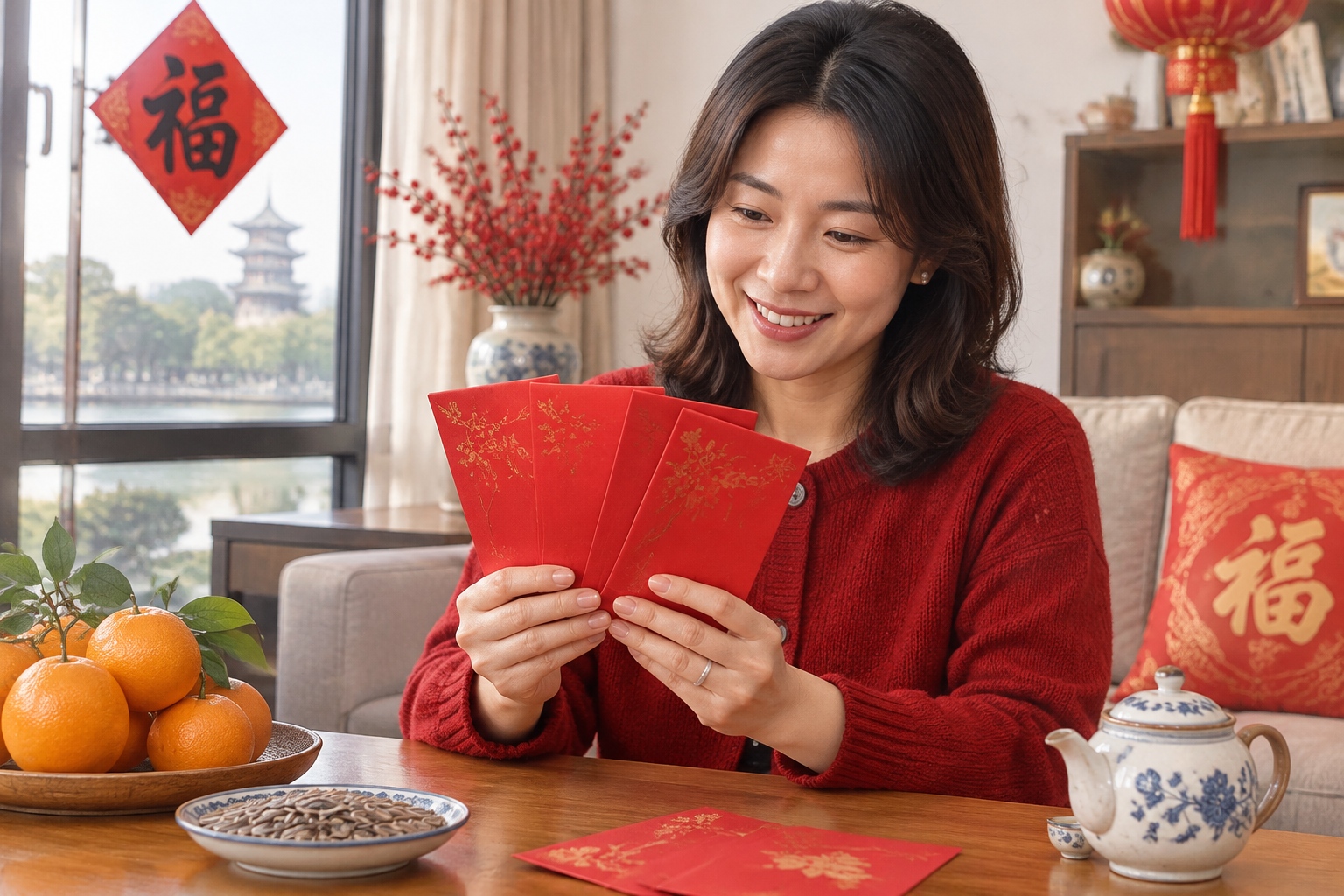
Red envelopes are where number etiquette is most visible. A cash gift of 400 yuan may make the giver pause, because 4 is the one number many people would rather not put in a happy envelope. 600, 800, 888, or 999 are safer. 520 (wǒ ài nǐ, “I love you”) and 1314 (yī shēng yī shì, “for a lifetime”) are modern digital codes, mostly between couples or close friends.
But cash is not the same as a product. A box of four mooncakes is completely normal. A set of four bowls can be a nice housewarming gift if the design is good. The number matters most when the amount is the message: cash, a red packet, a price, a date on an invitation. In ordinary shopping, four is just four.
Floors, phone numbers, and the everyday 4
Floor numbering is the most visible public example. In some residential buildings, the fourth floor is renamed 3A, and 14 and 24 may be skipped too. This is not a national building code. You will find buildings that skip 4 and buildings that do not. Some buyers avoid a 4th-floor apartment; others see a discount. A developer may relabel a button because it costs almost nothing and keeps some buyers comfortable.
Phone numbers and license plates follow the same logic. A number with several 8s may be valued; one with several 4s may be cheaper. But a phone number is still a phone number. Nobody refuses to call a friend because the number contains a 4.
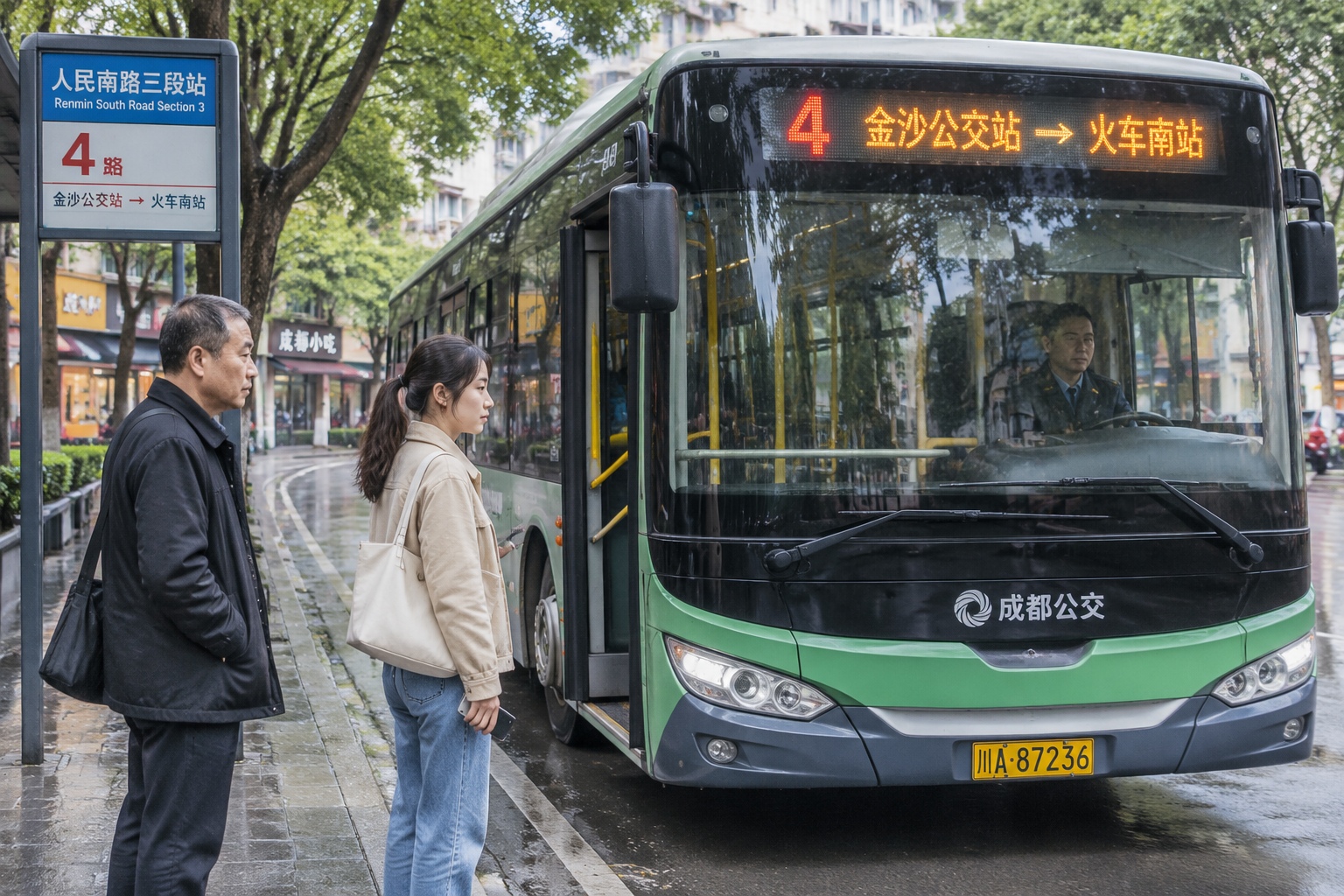
This is the part outsiders sometimes miss. The number 4 is not radioactive. It is a bus route, a birthday, a price tag, a page number. The avoidance is situational. It appears when a number is doing social work: a gift, a blessing, a public date, a formal purchase. In daily life, people use 4 all the time without thinking about death.
How to read it as an outsider
If you are giving a formal red envelope in a Chinese context, choose a common lucky amount with 6, 8, or 9—600, 800, 888, or 999. Avoid 400 if it is easy to avoid. Do not over-explain. A simple “图个吉利” (tú ge jílì)—“just for good luck”—is enough.
If you are giving a gift, do not panic about four pieces. Context matters. Four mooncakes, four seasons, four directions—these are normal. If you are choosing a cash amount for a wedding or a business gift, the sound of the number is more likely to be noticed.
And if a Chinese friend uses 4 in a phone number or lives on the fourth floor, do not assume they are secretly anxious. Many people are not. Some are. Most are somewhere in between: they might choose 888 for a wedding red packet and still take the bus route 4 home.
That is the honest picture. Number culture in China is real, but it is not a cage. It is a layer of meaning that people pick up when it is useful and put down when it is not. Like skipping the 13th floor in some Western buildings, it says less about what people truly believe and more about how they like to make daily life a little smoother—or a little luckier.