

The Morning Ritual: A New Anxiety
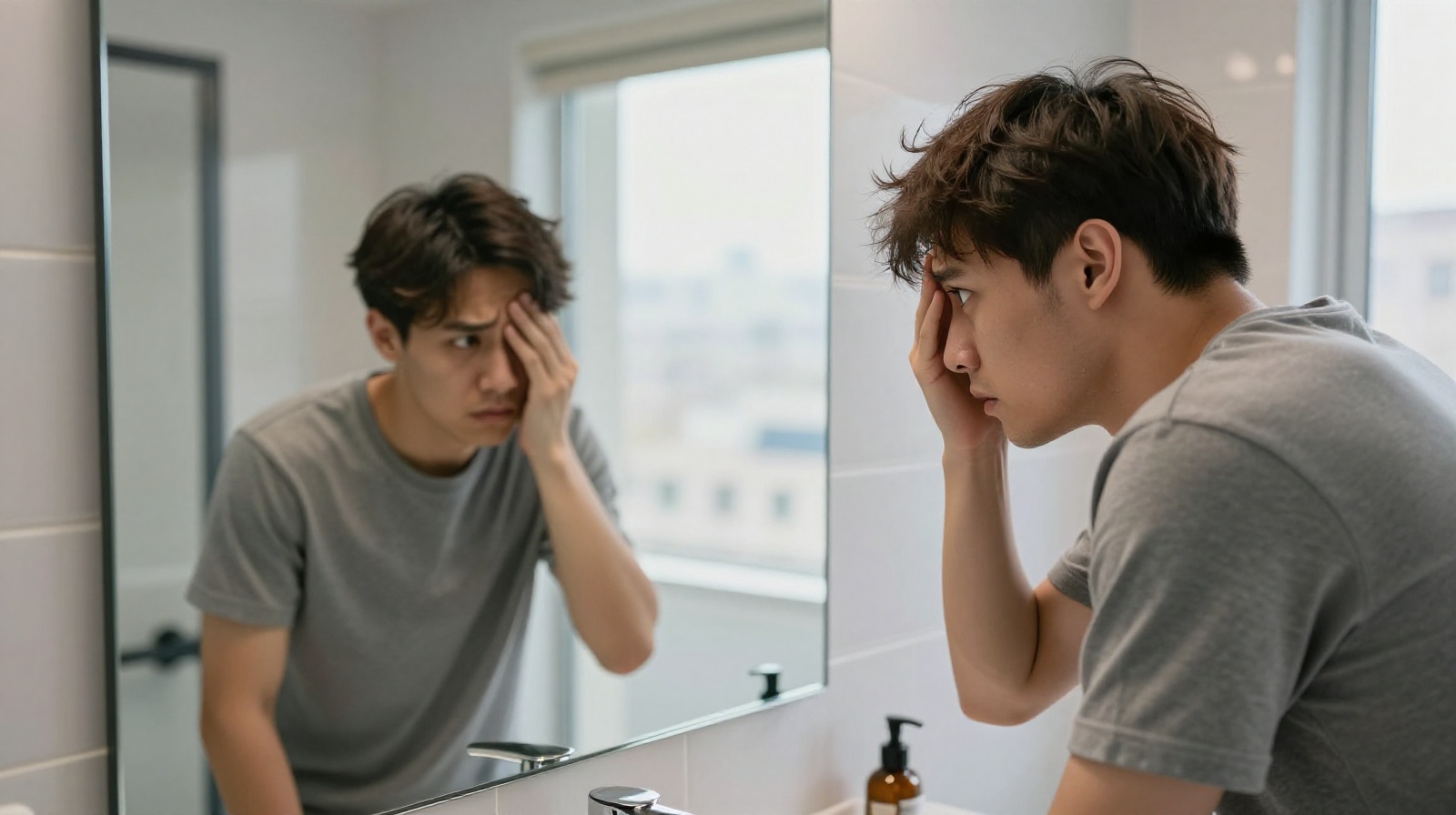
At 8:30 AM in a high-rise office in Shenzhen, Lin Wei, a 26-year-old software engineer, stares at the shower drain. A significant clump of hair sits among the water and soap suds. He sighs, not because he is surprised, but because it is becoming a routine part of his morning.
Lin is far from alone. According to recent data from the Chinese Medical Association’s Dermatology branch, over 250 million people in China suffer from hair loss, with more than one-third of them aged between 20 and 40. Two decades ago, anti-hair loss products were niche items for middle-aged men. Today, they are a daily necessity for young professionals, driving a market that exceeds 10 billion yuan annually.
Why Young People Are Losing Their Hair
To understand this phenomenon, one must look beyond genetics. While hereditary hair loss (androgenetic alopecia) is common globally, the accelerating rate among Chinese youth points to lifestyle and environmental factors.
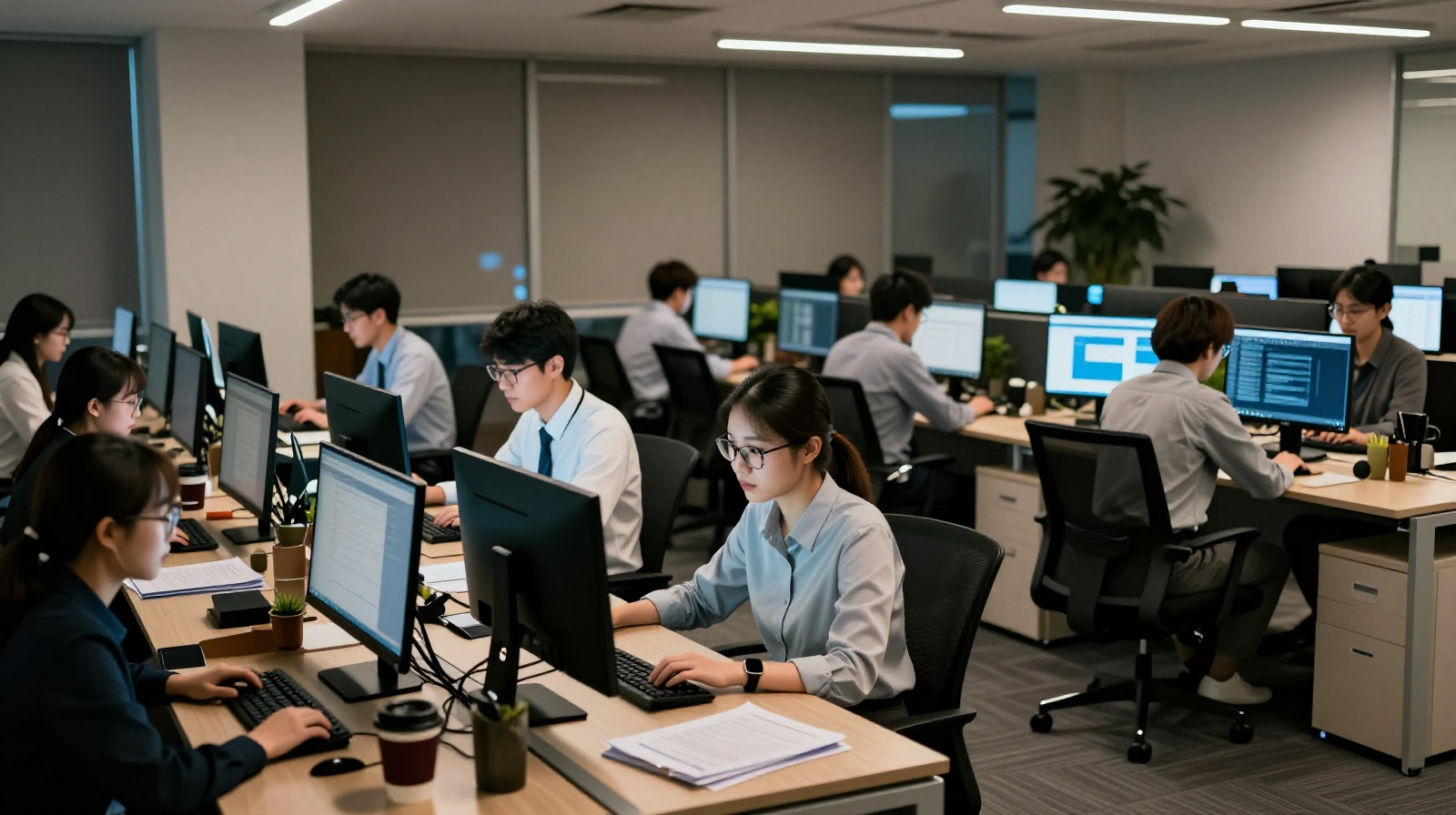
The primary driver is the intense pace of modern work life. The concept of “996”—working from 9 AM to 9 PM, six days a week—is prevalent in China’s tech and manufacturing sectors. For many young people, long hours mean late nights, skipping meals, and chronic stress. Sleep deprivation and poor diet are well-documented triggers for hair thinning.
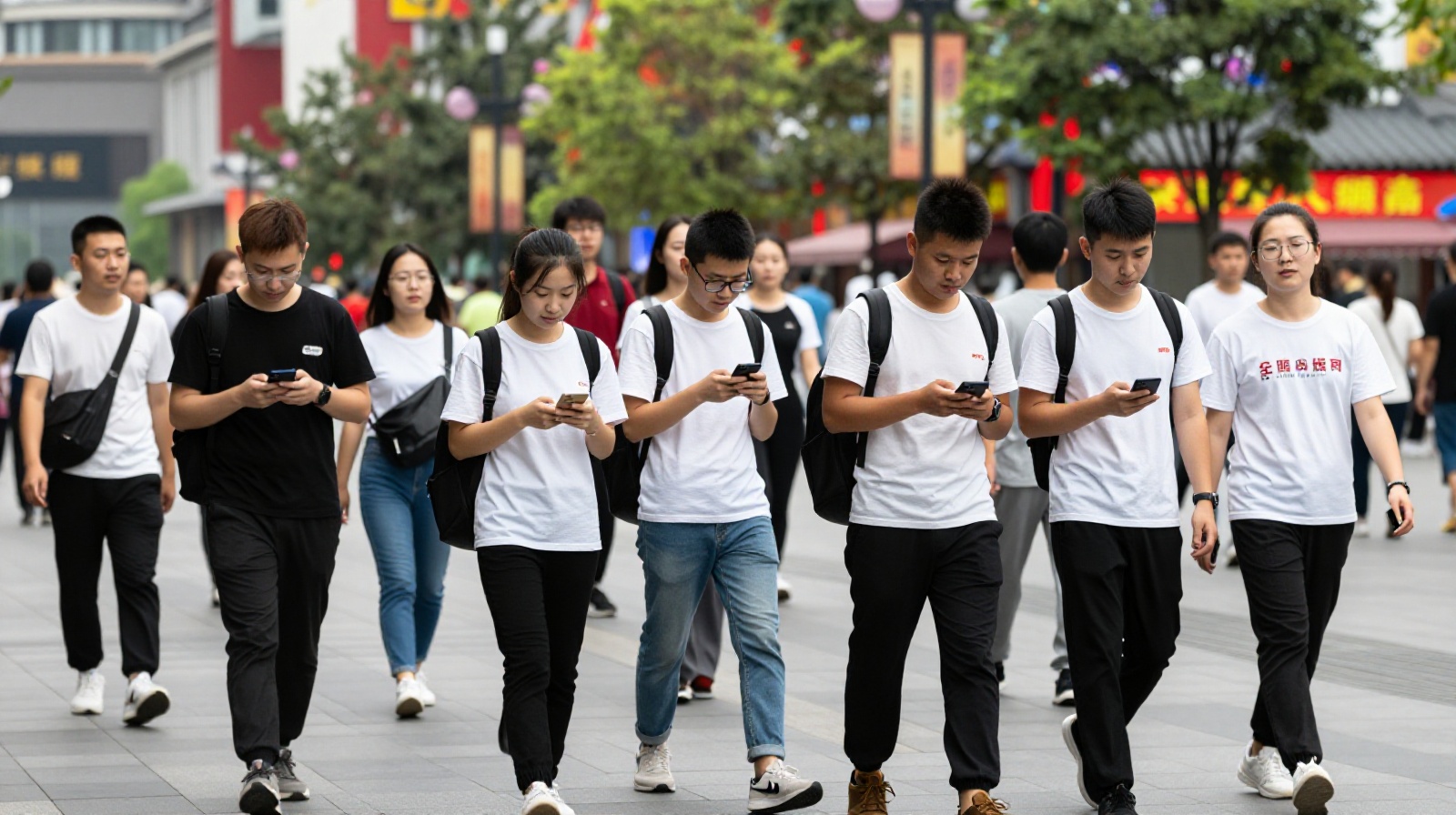
Furthermore, the digital lifestyle plays a role. Young Chinese adults spend an average of several hours daily on smartphones, often scrolling through social media or working late into the night. This sedentary behavior, combined with high mental pressure, creates a perfect storm for hair health.
From Ginger Shampoos to Surgical Solutions
The response from Chinese youth has been swift and varied. The market is flooded with products ranging from traditional remedies to high-tech gadgets.
Initially, many tried “folk” solutions.生姜 (ginger) shampoo became a household name, based on the traditional belief that it stimulates blood flow. However, as awareness grew, consumers moved toward scientifically backed products containing minoxidil or finasteride, often prescribed by dermatologists.
For those with advanced hair loss, the solution has become medical. Hair transplant clinics, once rare and expensive, are now common in major cities like Beijing, Shanghai, and Chengdu. The procedure, which involves moving hair follicles from the back of the head to thinning areas, has become a popular “rite of passage” for young job seekers preparing for interviews or weddings.

The rise of these clinics reflects a broader trend: the medicalization of appearance. Hair is no longer just about vanity; it is seen as a critical component of professional image and personal confidence in a competitive job market.
Marketing Anxiety into Sales
The anti-hair loss industry in China has mastered the art of converting anxiety into consumption. Social media platforms like Xiaohongshu (Little Red Book) and Douyin (TikTok) are filled with influencer campaigns. These videos often feature dramatic “before and after” transformations, leveraging the fear of social rejection and professional disadvantage.
The slang term “hairless youth” (秃头青年) has become a self-deprecating meme, used by millions online to bond over their shared struggle. Brands have capitalized on this, creating a culture where buying anti-hair loss products is framed as an act of self-care and resilience.
However, the market is also chaotic. Many products lack rigorous clinical trials, and consumers often struggle to distinguish between effective medical treatments and marketing gimmicks. This has led to a growing demand for verified, doctor-recommended solutions.
A Symptom of Deeper Pressures
Ultimately, the obsession with hair loss among Chinese youth is not just about aesthetics. It is a physical manifestation of deeper societal pressures. In a society that values youth, vitality, and professional success, losing one’s hair can feel like losing control over one’s future.
For Lin Wei and millions like him, the battle against hair loss is a small rebellion against the forces that are reshaping their lives. It is a search for stability in an uncertain world.
As China’s economy shifts from rapid growth to high-quality development, the mental and physical toll on its workforce remains a critical issue. The booming anti-hair loss market is a visible indicator of this cost. Until work-life balance improves and social pressures ease, young Chinese people will likely continue to invest in their hair, hoping that if they can save their locks, they might also save their well-being.