

The Invisible Chef
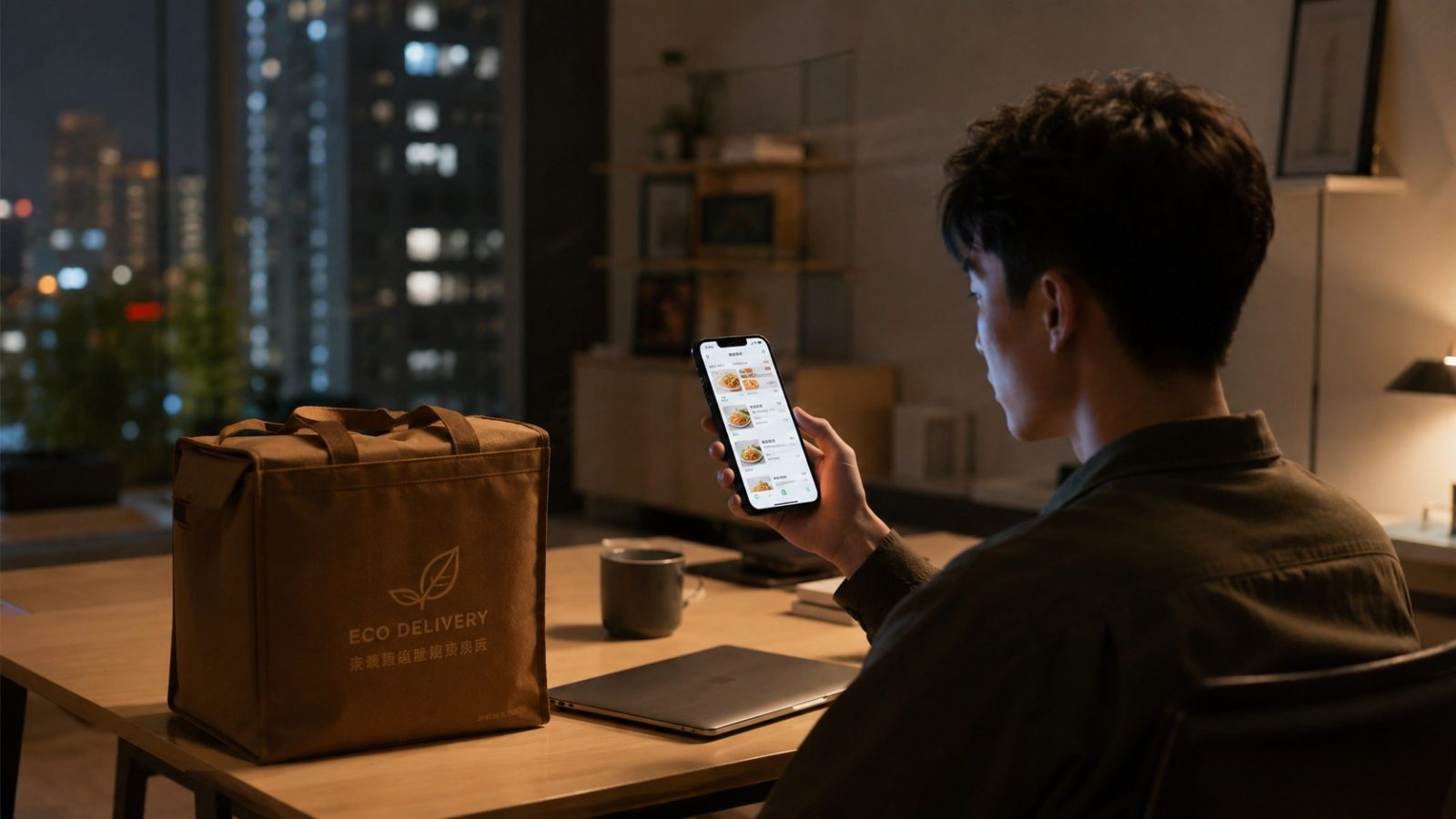
At 7:30 PM in Shanghai, Li Wei sits alone in his apartment. He is not cooking, nor is he going to a restaurant. He opens an app, sees a banner for “Spicy Crawfish Noodles” from a shop three kilometers away, and clicks “Order.” The decision took ten seconds. But behind that click lies a complex mechanism: an algorithm that has analyzed Li Wei’s past orders, his current location, the weather, and the real-time traffic conditions of over 200 delivery riders in his district.
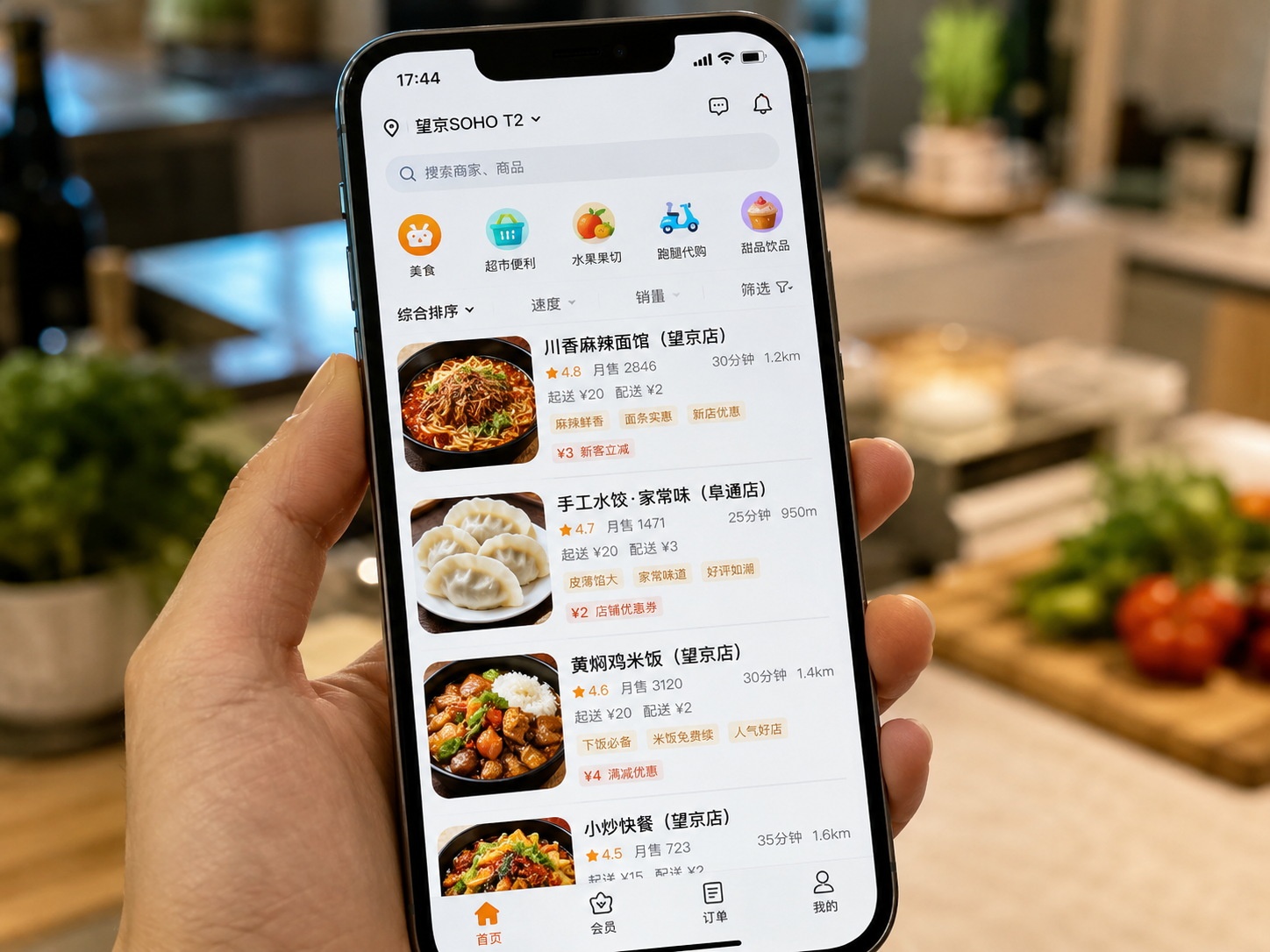
For many Western observers, Chinese food culture is often stereotyped around communal dining—round tables with shared dishes, loud conversations, and family hierarchies. While these traditions persist, a silent revolution is happening in the digital realm. For the 400 million users of China’s delivery platforms, the “invisible chef” is no longer a grandparent or a spouse, but a predictive model.
This shift is not just about convenience; it is about access. Ten years ago, if you lived in Beijing, you likely ate Beijing-style noodles. If you lived in Guangzhou, you ate Cantonese dim sum. Today, the algorithm breaks these geographical barriers. A single user in a tier-2 city like Chengdu can order authentic Sichuan “Ma La Tang” (spicy hot pot) from a specialized vendor who might have previously served only their immediate neighborhood.
From Local Stalls to National Screens
The digitization of regional cuisine has transformed how ordinary people experience food. Consider the case of “Luosifen” (river snail rice noodles), a dish famous for its pungent smell and spicy taste, originating from Liuzhou in Guangxi province. Once considered a niche street food, it is now one of the top-selling items on delivery apps nationwide.
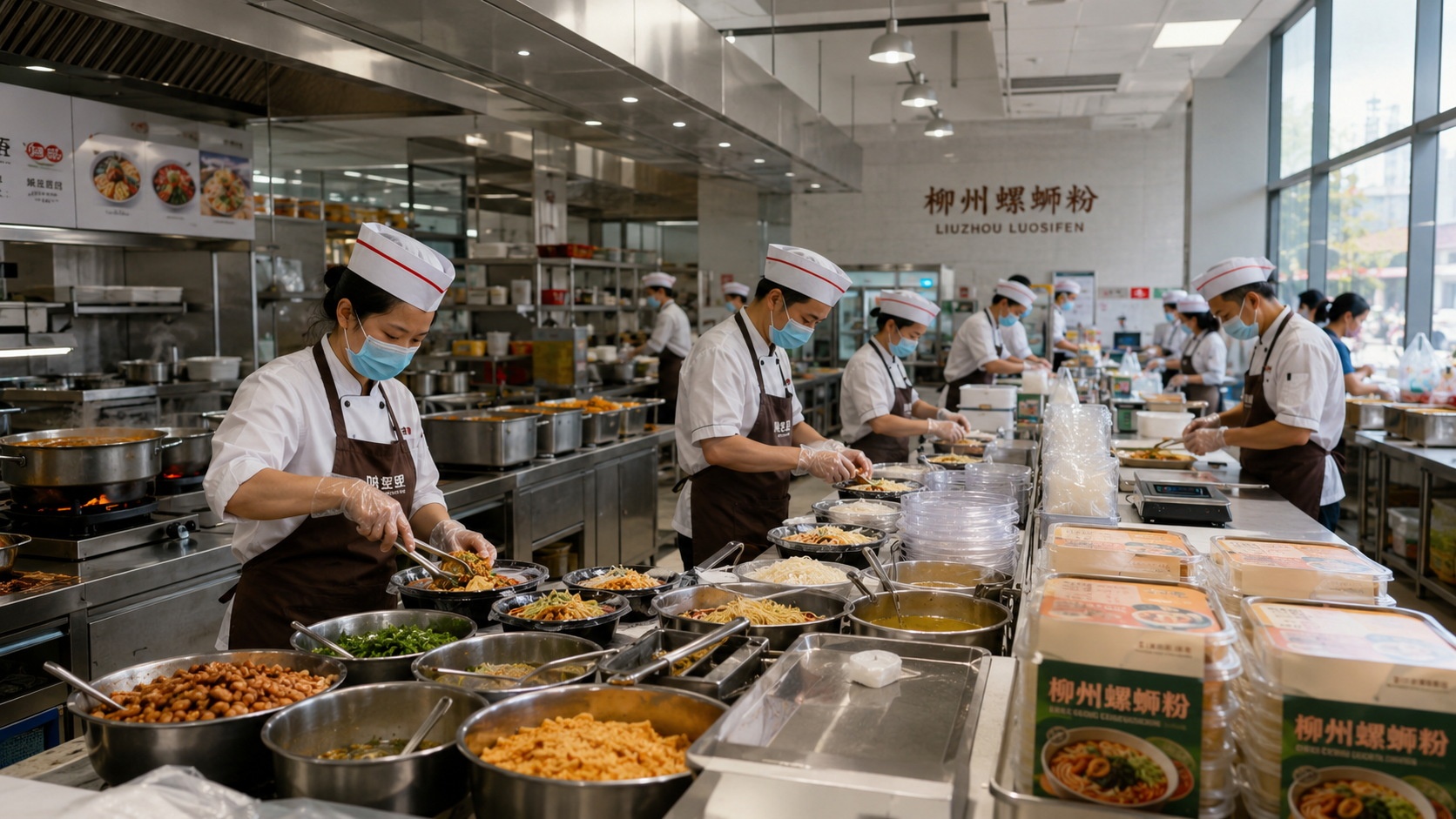
This phenomenon is driven by two factors: supply chain standardization and algorithmic exposure. Restaurants have learned to package these dishes for long-distance delivery, ensuring the texture remains intact. Meanwhile, the platform’s recommendation engine identifies users who have shown interest in spicy or fermented foods and pushes Luosifen to them. The result is a “taste migration,” where regional flavors become national trends.
Data from major platforms shows that the average order value for regional specialty dishes has increased by 15% year-over-year, indicating that users are not just buying food for survival, but for culinary exploration. The algorithm acts as a curator, introducing diners to cuisines they might never have discovered on their own.
The ‘Lone Diner’ Phenomenon
China is often described as a collectivist society, yet the delivery economy has given rise to a growing class of “lone diners.” In urban centers, single-person households are increasing rapidly. For these individuals, cooking for one is inefficient, and eating out with friends can be expensive or logistically difficult.
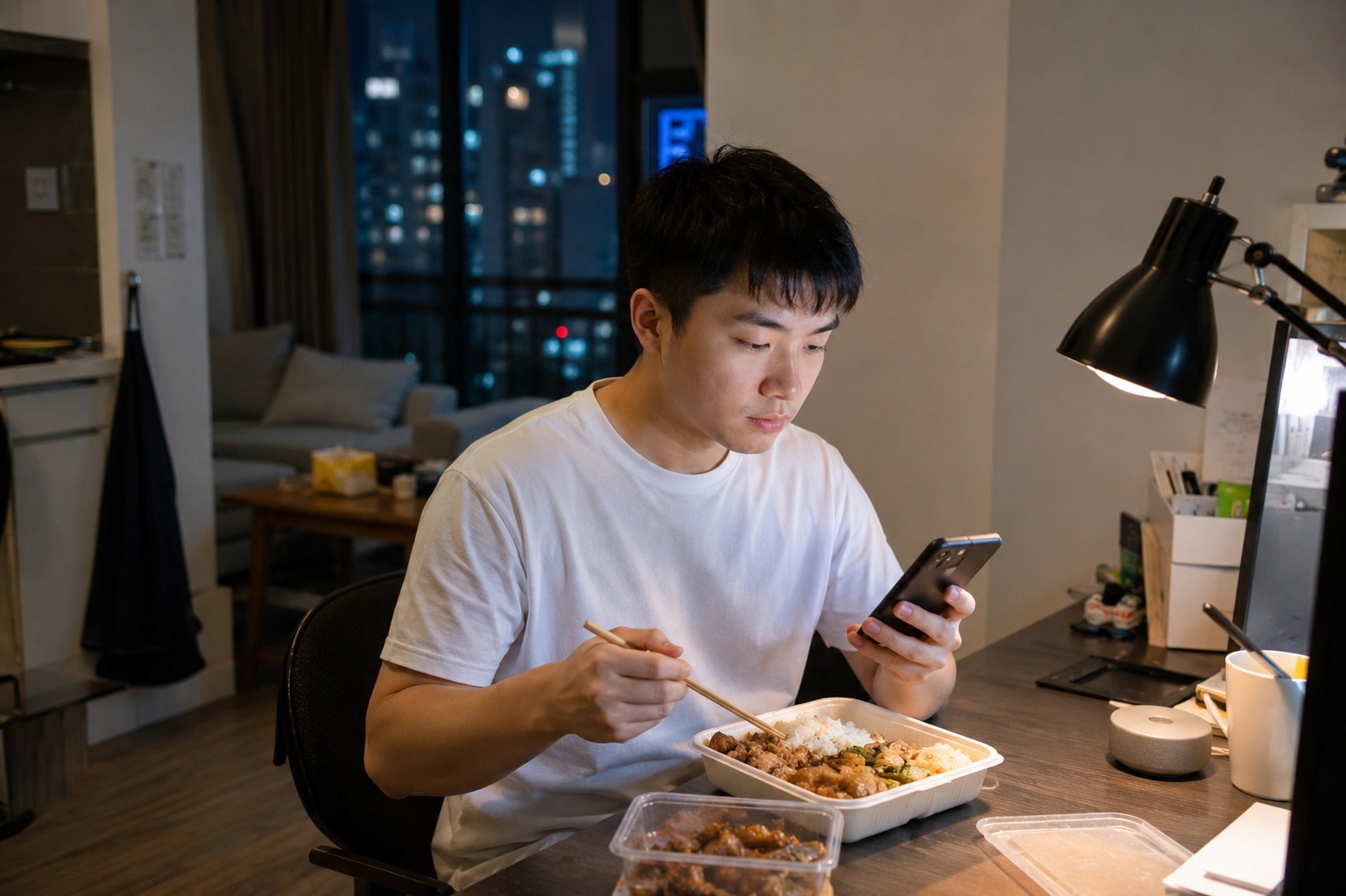
Delivery apps cater perfectly to this demographic. They offer portion sizes designed for one, diverse menu options that prevent boredom, and the privacy of eating alone without judgment. This has led to a fragmentation of dietary habits. Instead of a standardized family meal, each family member may have a completely different diet based on their individual algorithmic profiles.
This shift challenges traditional notions of food as a social bonding agent. While communal dining still exists for special occasions, the daily rhythm of life is increasingly individualized. The algorithm knows that User A prefers low-carb meals for health reasons, while User B craves high-calorie comfort food after a stressful workday. It serves them accordingly, creating a personalized culinary experience that defies traditional collective norms.
Economic Impact: Small Business vs. Platform Logic
While consumers enjoy greater variety, the economic reality for restaurant owners is complex. On one hand, delivery platforms have lowered the barrier to entry. A small shop with no prime retail space can reach thousands of customers through digital visibility. This has democratized entrepreneurship, allowing local chefs to compete with larger chains.
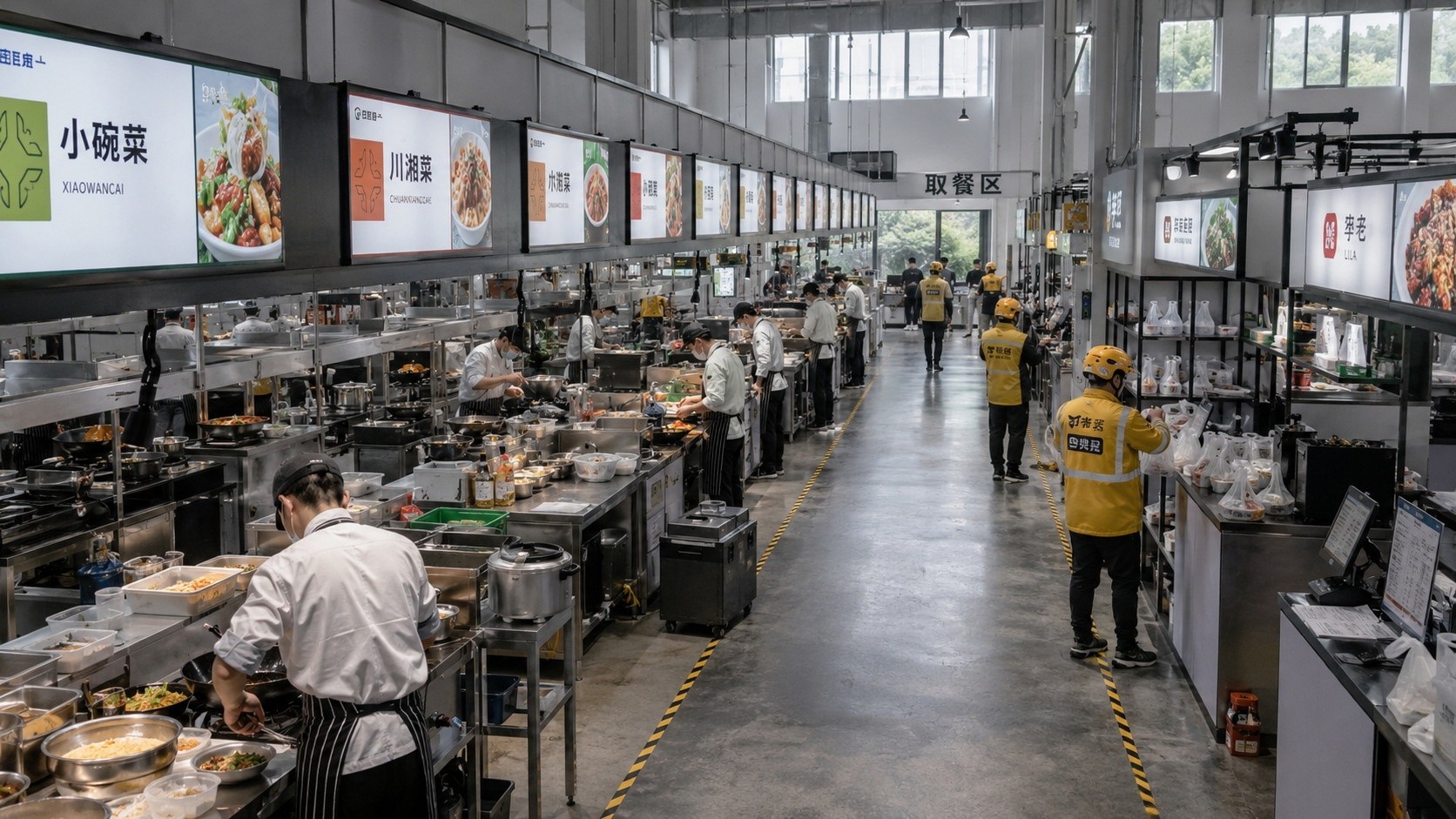
On the other hand, the reliance on algorithms creates a precarious existence. Restaurants are forced to compete in a “price war,” offering discounts and free delivery to maintain visibility in search results. The commission fees charged by platforms can eat into profits, forcing many small businesses to operate on thin margins.
This dynamic has led to the rise of “cloud kitchens”—delivery-only restaurants with no dining area, optimized solely for efficiency and packagability. While these kitchens reduce costs, they also raise questions about food quality and the loss of the traditional restaurant atmosphere. The algorithm prioritizes speed and volume, often at the expense of the nuanced dining experience.
Health & Habit: The Data-Driven Diet
The most profound change is in how urban youth view their own bodies and diets. In the past, dietary advice came from elders or general health guidelines. Today, it comes from data. Apps track calories, macros, and even sleep patterns, offering personalized recommendations.
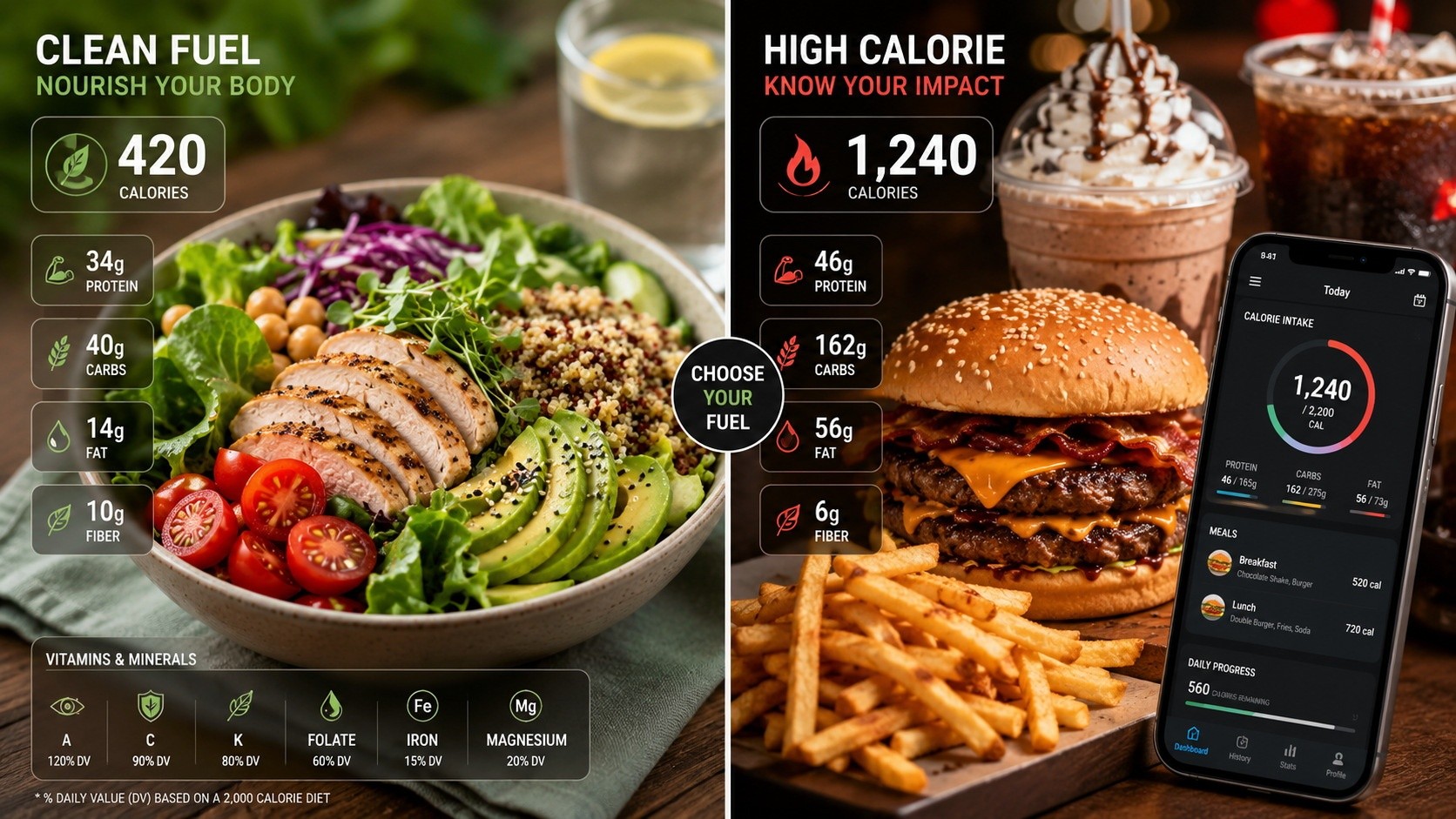
However, this data-driven approach has its downsides. The convenience of algorithmic suggestions can lead to a homogenization of taste. If the algorithm repeatedly recommends high-calorie, high-sodium meals because they are popular and profitable, users may develop unhealthy habits without realizing it. There is also the issue of “filter bubbles,” where users are only exposed to foods similar to what they already like, limiting their culinary horizons.
Despite these challenges, the integration of technology and food culture in China represents a significant leap in urban lifestyle. It reflects a society that is rapidly modernizing, where tradition and innovation coexist in a delicate balance. For the overseas reader, understanding this shift is key to understanding modern China: it is not just about economic growth, but about how technology reshapes the most fundamental aspects of daily life—the food on our plates.