

Introduction: A Quiet Room, a Pouring Stream
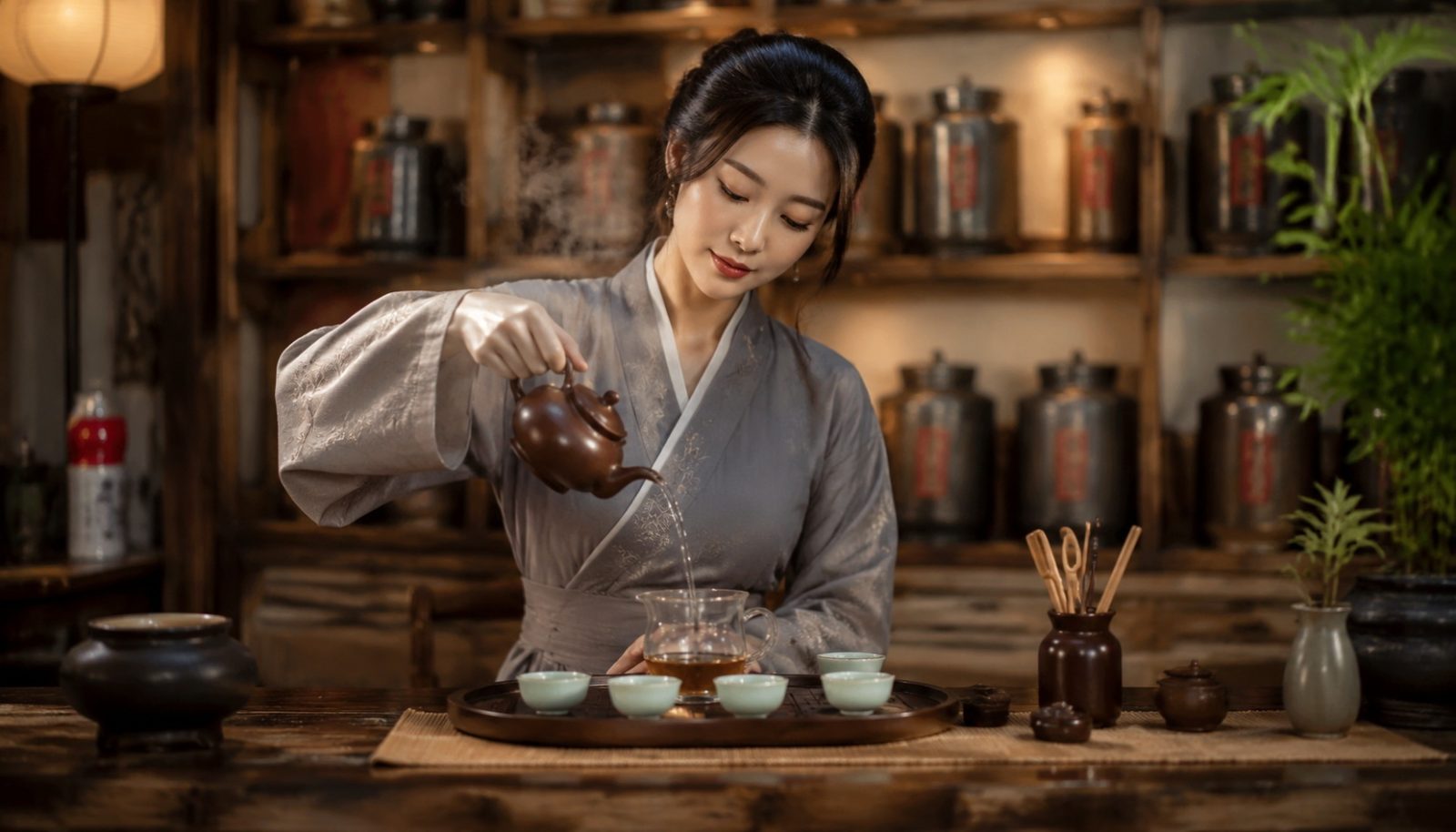
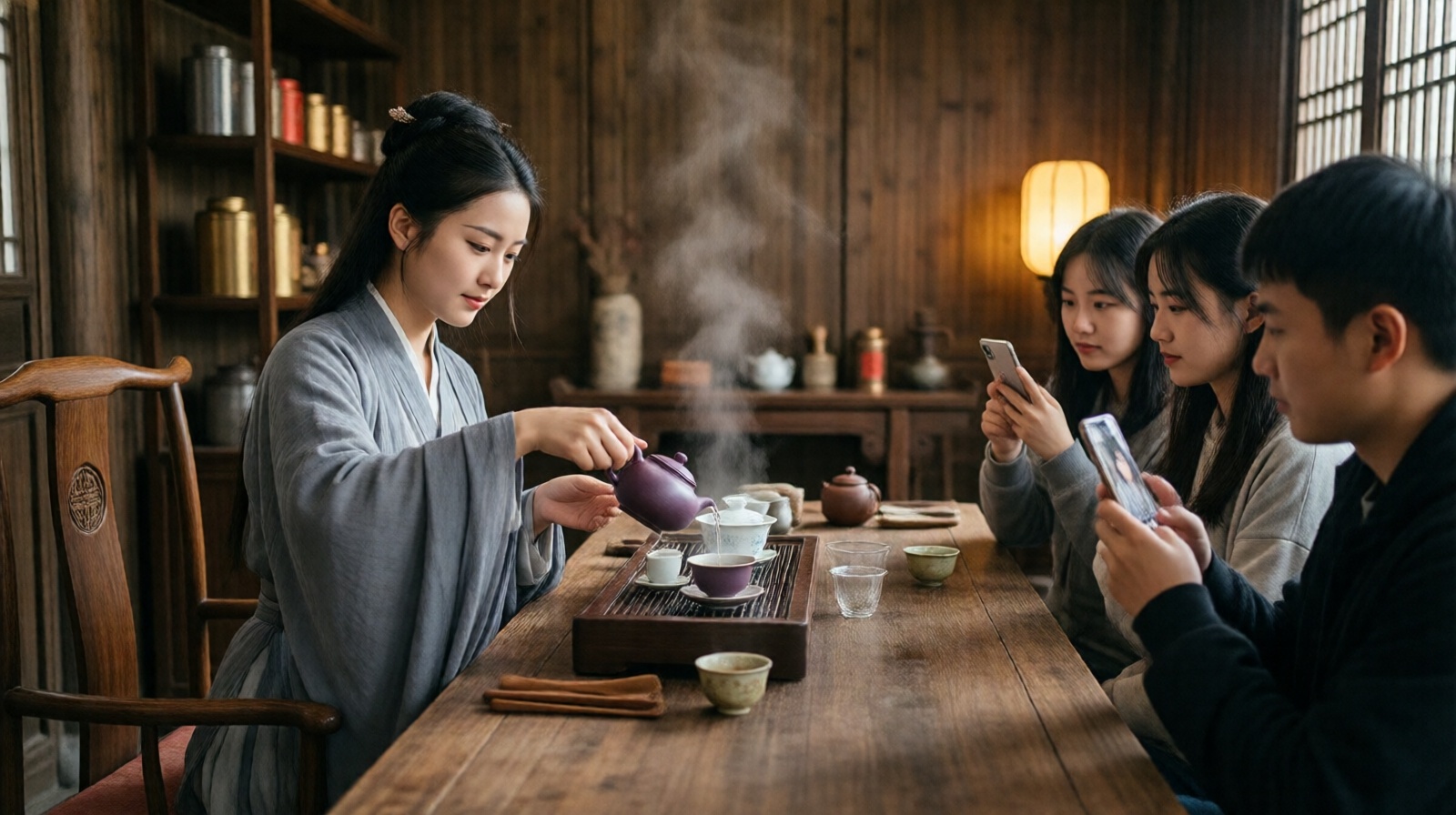
It’s a Tuesday afternoon in a modest tea house in Chengdu. The room smells of bamboo and incense. A woman in a long grey dress sits behind a wooden table. She picks up a small clay teapot, pours hot water over it, and gently swirls. Her fingers move slowly, deliberately. A small group of young people watches, phones raised, capturing every movement. This is not a museum exhibit or a tourist trap—it’s a regular tea ceremony performance, happening every day in cities across China.
Who Performs and Who Watches?
Tea ceremony performers are often trained in specialized schools or apprenticeship programs. Many are women, but men also practice the art. They learn the precise movements of washing cups, warming the pot, scooping tea leaves, pouring water in a circular motion, and offering the first brew to guests. Each step has a name and a purpose, like “The Phoenix Nods Its Head” or “The Spring Rain Splashes.”
The audience is surprisingly diverse. Business executives hold tea meetings to close deals. Couples book private tea tastings for dates. Young women come in groups to take aesthetically pleasing photos for social media. Grandparents bring grandchildren to teach them patience. In tourist neighborhoods, performances are short and dramatic; in traditional tea houses, they can last an hour, with the host explaining each step.
Why Such Ritual? The Meaning Behind the Movements
Outsiders might wonder: why all this fuss over a drink? In Chinese culture, the ritual of tea is a way to slow down in a fast-paced world. Every gesture—the warming of the pot, the sniffing of the empty cup after pouring—is a reminder to be present. The performance creates a shared moment of calm. For many Chinese, it’s not about the tea itself (though the taste matters), but about the intention and care woven into the process.
This idea of ritual aligns with a broader cultural appreciation for ceremonies in daily life, from the way elders pour tea to express respect to the formal tea ceremonies at weddings. Tea ceremony performances distill this into a concentrated, watchable experience.
Where Beauty Hides in the Details
The aesthetic of a tea ceremony performance is deliberate. The tea table is often made of solid wood; the tea set—teapot, fairness cup, tasting cups—is chosen for its shape and glaze. Many performers wear hanfu (traditional Chinese clothing) or simple elegant clothes. Soft background music flows from a hidden speaker: sometimes guqin (a seven-stringed zither), sometimes the trickle of a bamboo water fountain.
Lighting matters. Tea houses dim the lights to create intimacy. The steam rising from the hot water catches the light like fog. The performer’s hands, often adorned with a single bracelet, become the focal point. Even the arrangement of tea leaves on the scoop can be artful. It is a multisensory experience: sight, smell, sound, taste, and touch.
Modern Twists: How Tea Performances Adapt for a New Generation
In recent years, tea ceremony performances have evolved. Young performers have started blending traditional steps with modern presentation. Some tea houses host interactive sessions where guests learn to brew their own tea. On platforms like Douyin (TikTok in China), short videos of tea ceremonies rack up millions of views—especially those set to chill electronic music or filmed in natural light streams.
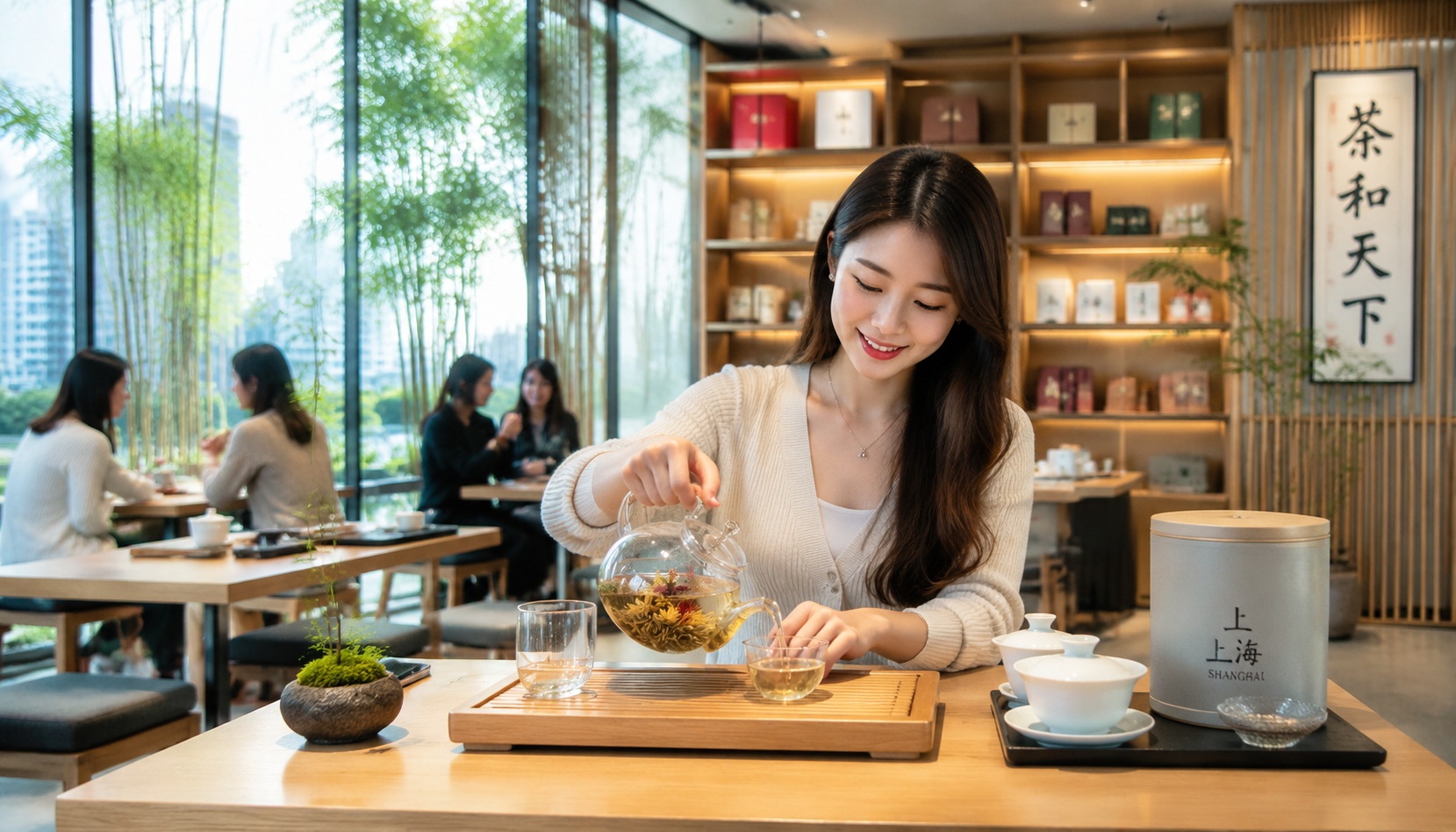
Cafés that specialize in traditional tea, like those in Shanghai or Hangzhou, offer abbreviated performances for busy office workers. The focus has shifted from strict protocol to accessibility: you don’t need to know the history to enjoy the beauty. The performance becomes a form of artistic expression, much like a live painting.
Conclusion: Not a Fading Tradition, but a Living Art
The next time you see a tea ceremony performance, you might not understand every gesture. But you will feel the calm. You will see the attention to detail. And you will realize that this is not an ancient relic locked in a museum—it’s a living, breathing practice that ordinary people, especially the young, are embracing as a way to find beauty in everyday life. A cup of tea can be just a drink, but with ceremony, it becomes a pause, a memory, a feast for the senses.
Start the discussion at forum.chinacomes.com