
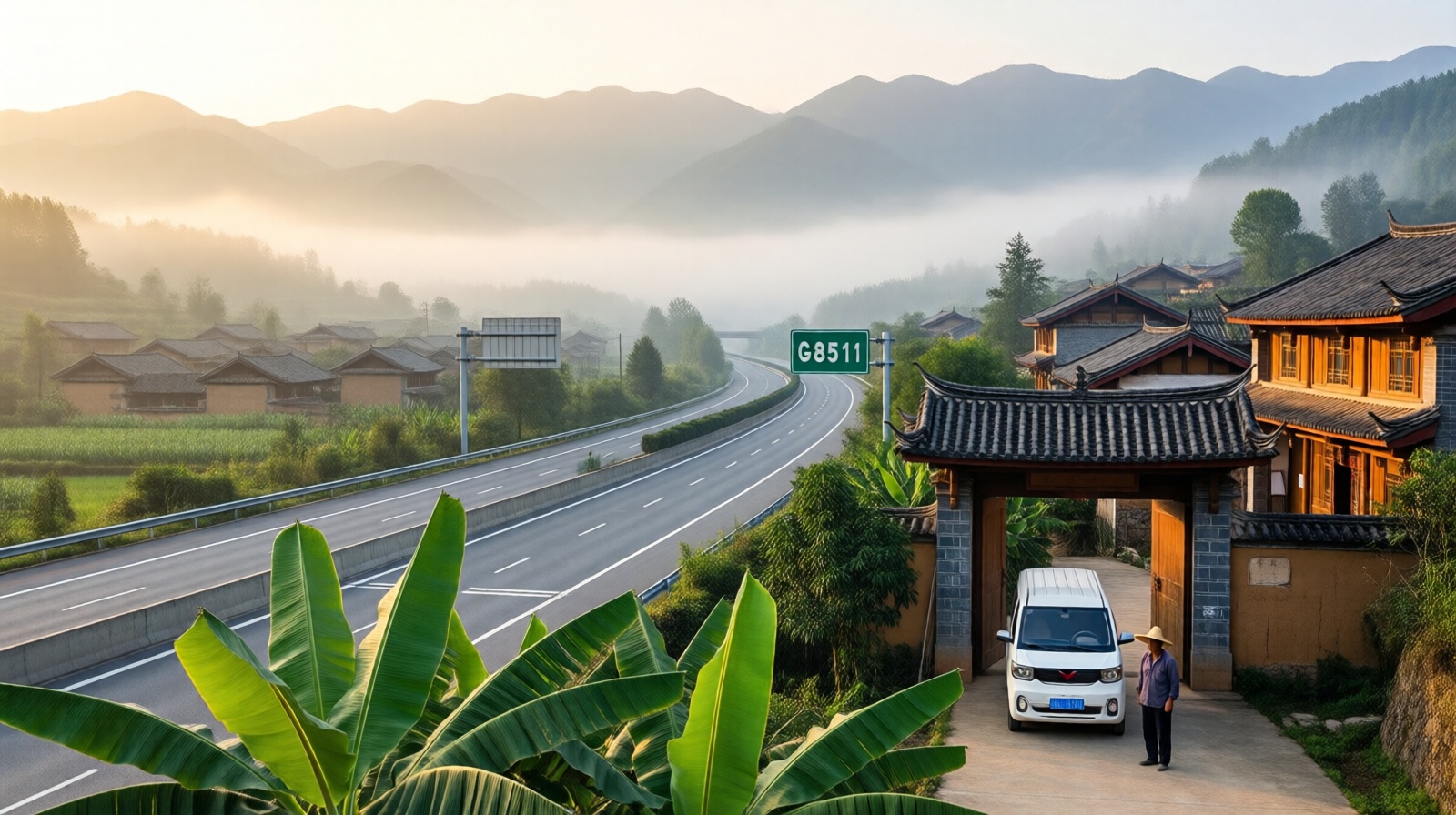

A Morning Like No Other
At 6:30 a.m., Li Laohan (Old Li) steps out of his courtyard in the mist-shrouded hills of Yunnan’s Wumeng Mountain range. Dew drips from the banana leaves. He slides into the driver’s seat of his eight-year-old Wuling microvan, turns the key, and listens to the familiar sputter. Then he does something that still feels strange after two years: he drives not toward the county road that snakes up the mountain, but toward the village gate, where a freshly painted green sign reads “G8511 Expressway – Kunming 280 km.”
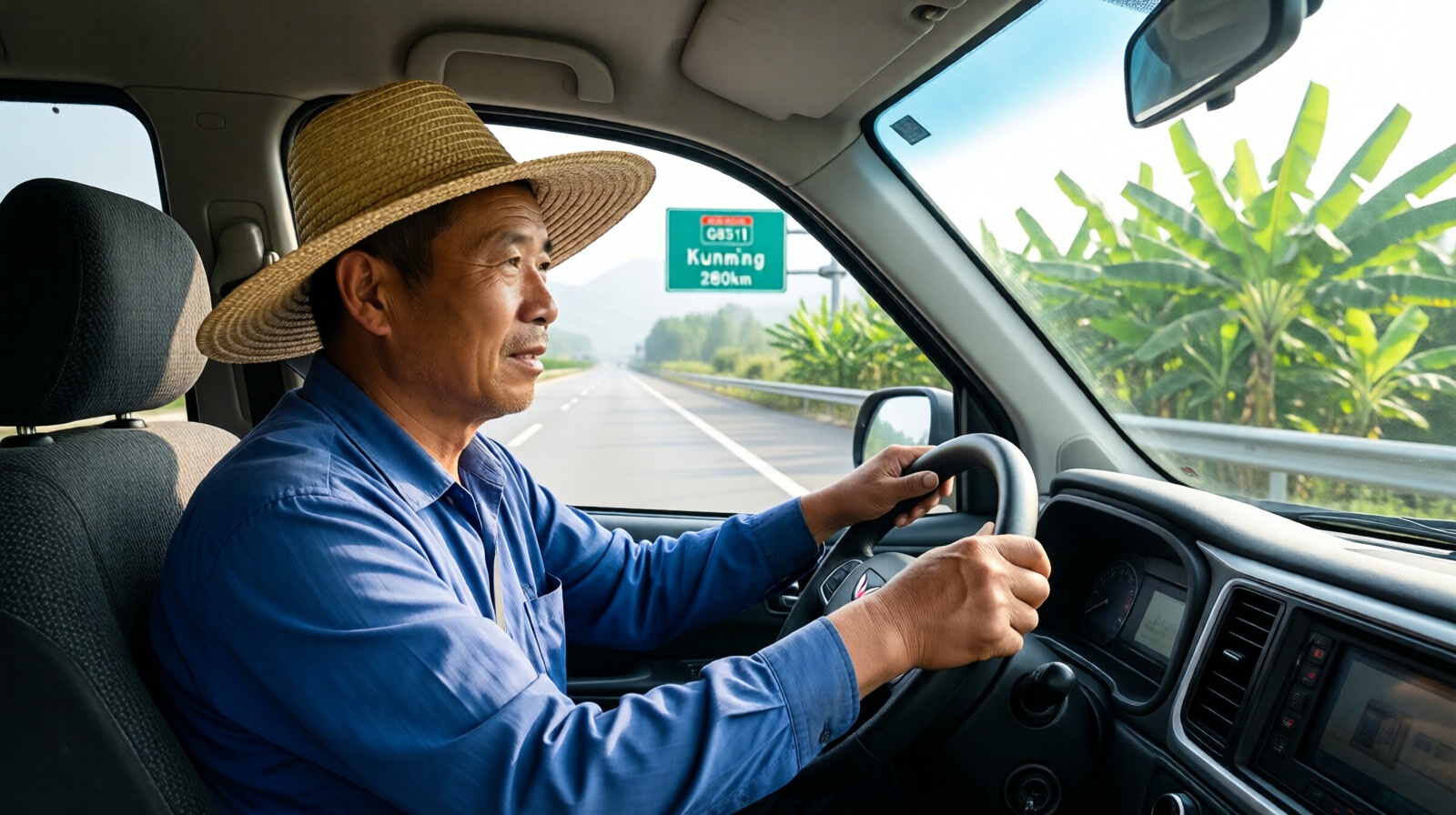
Fifteen minutes later, he pulls into the parking lot of the county’s agricultural wholesale market. The same trip used to take him nearly four hours—first in a crowded minibus that rattled over potholes, then on a gravel road that turned to mud in the rainy season. “I used to leave before dawn and come back after dark,” Li tells me, stepping out of his van with a crate of early-morning-picked shiitake mushrooms. “Now I can go, sell, and be home before lunch.”
The Old Way: A Day-Long Ordeal
Li Laohan is 57 years old. He has lived his entire life in Daping Village, a settlement of about 200 households tucked into the folds of the Yunnan-Guizhou Plateau. Until 2022, the only road linking his village to the outside world was a narrow, unpaved track that clung to the mountain’s edge. Buses ran twice a day, and if you missed the 6 a.m. departure, you had to wait until noon. During the monsoon season, landslides often blocked the road for days. For Li, who grows shiitake mushrooms and raises a few pigs, every trip to the county town meant losing an entire day of labor—and paying 30 yuan ($4) for the round-trip bus fare, plus the cost of hiring a porter to carry his goods to the bus stop.
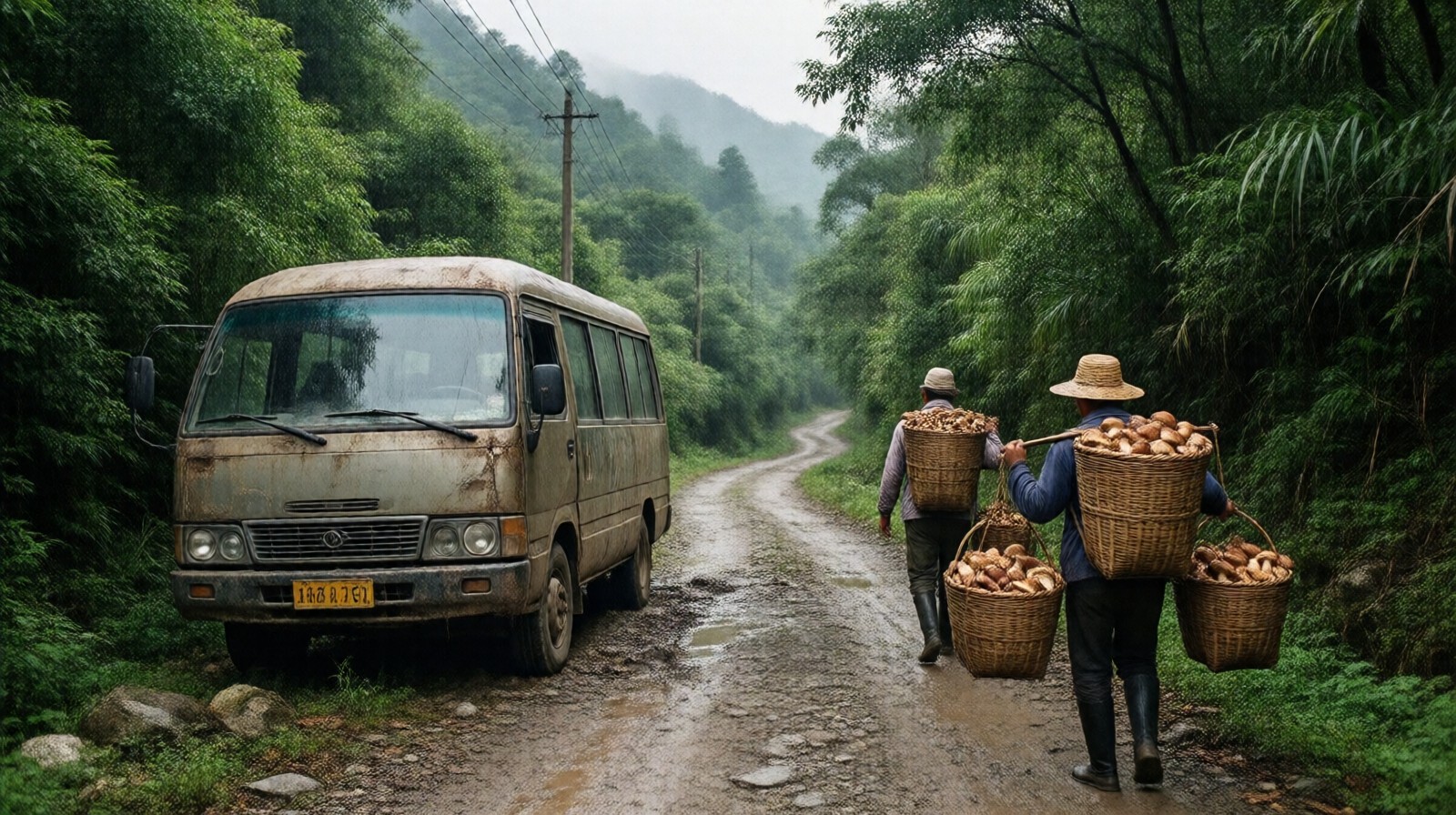
“I used to sell my mushrooms to a middleman who came to the village,” Li recalls. “He paid half the market price because he knew I had no other way. What could I do? I couldn’t carry 50 kilos of mushrooms on my back for three hours.” The middleman took his cut, the bus took its cut, and Li’s family of five lived on barely 8,000 yuan ($1,100) a year.
Blacktop and Concrete: The Expressway Arrives
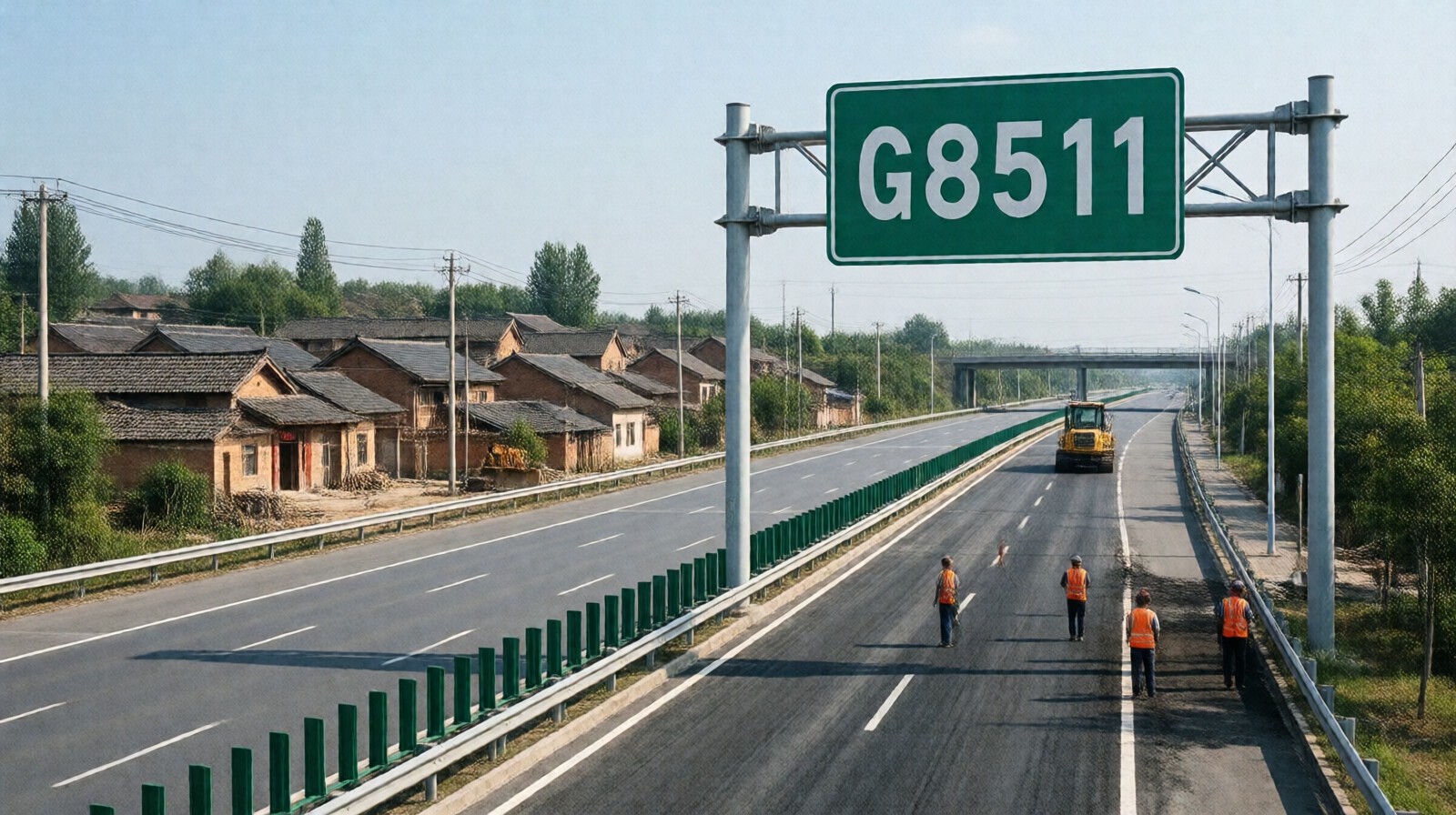
In early 2022, construction crews arrived in Daping Village. They drilled tunnels through the limestone hills and poured asphalt over what had been terraced fields. By the end of the year, the G8511 expressway—a four-lane artery connecting Yunnan’s provincial capital Kunming to the border with Myanmar—opened a new interchange just 500 meters from Li’s village. The local government also paved a 2.5-kilometer feeder road linking the village to the expressway tollgate.
The change was immediate. The first thing Li did was buy a used microvan with money he had saved from selling two pigs. The van cost him 12,000 yuan ($1,650), which he paid off in eight months. Now he drives his own produce to the county market three times a week. The 80-kilometer trip takes 40 minutes on the expressway, versus the old three-hour bus ride. He saves about 200 yuan a month on transport alone. More importantly, he sells directly to restaurant owners and supermarket buyers, who pay 40% more than the middleman did.
Beyond the Farm: New Possibilities
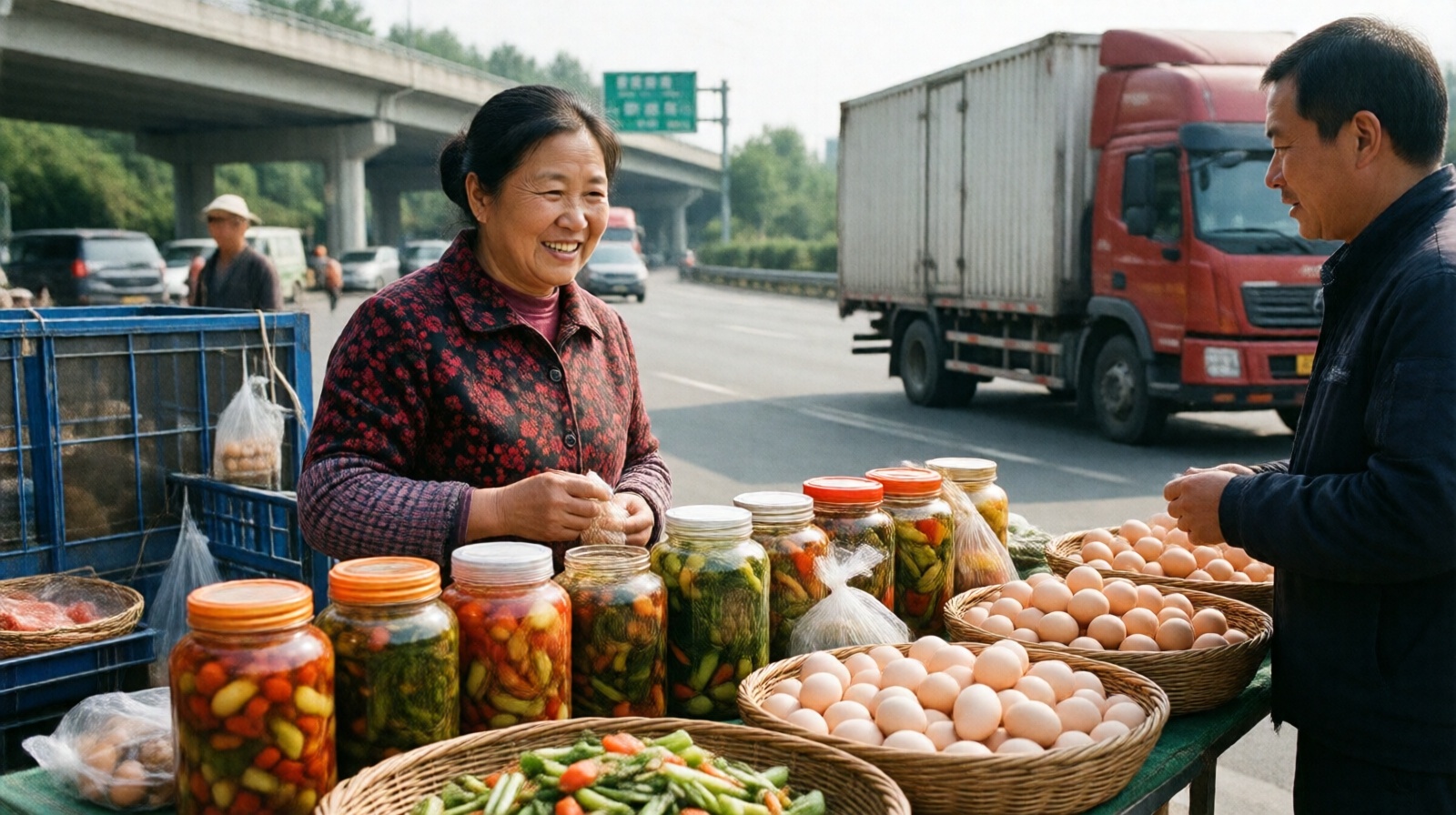
The expressway has changed more than just Li’s commute. His daughter, 21, now takes an express bus to Kunming every Sunday evening to attend a vocational college. The trip takes two and a half hours; before, she would have had to transfer twice and arrive exhausted after five hours. His wife Zhou Guiying has started a small stalls selling pickled vegetables and free-range eggs at the expressway service area, where truck drivers and tourists frequently stop. “I earn more in a weekend than I used to earn in a month from the village market,” she says, smiling.
Even the village itself is changing. A logistics company has set up a pickup point in the village head’s house, allowing residents to order goods online and have them delivered to the door. Li shows me a pair of running shoes he bought on Taobao—delivered in four days, which used to be unthinkable. “My son says next year we’ll have 5G,” Li adds, pointing to a new tower being erected on a hilltop overlooking the expressway. “I don’t know what for, but he says I can watch videos on my phone without buffering.”
The Cost of Connection
Of course, not everything is smooth. The expressway toll is 35 yuan ($5) each way for a small van—a significant expense for a farmer. Some villagers prefer the old bus because it’s cheaper, even if it’s slower. Li’s brother still refuses to drive, saying the speed makes him dizzy. And the expressway has brought more traffic and noise to what was once a quiet valley. But when I ask Li if he ever misses the old days, he laughs.
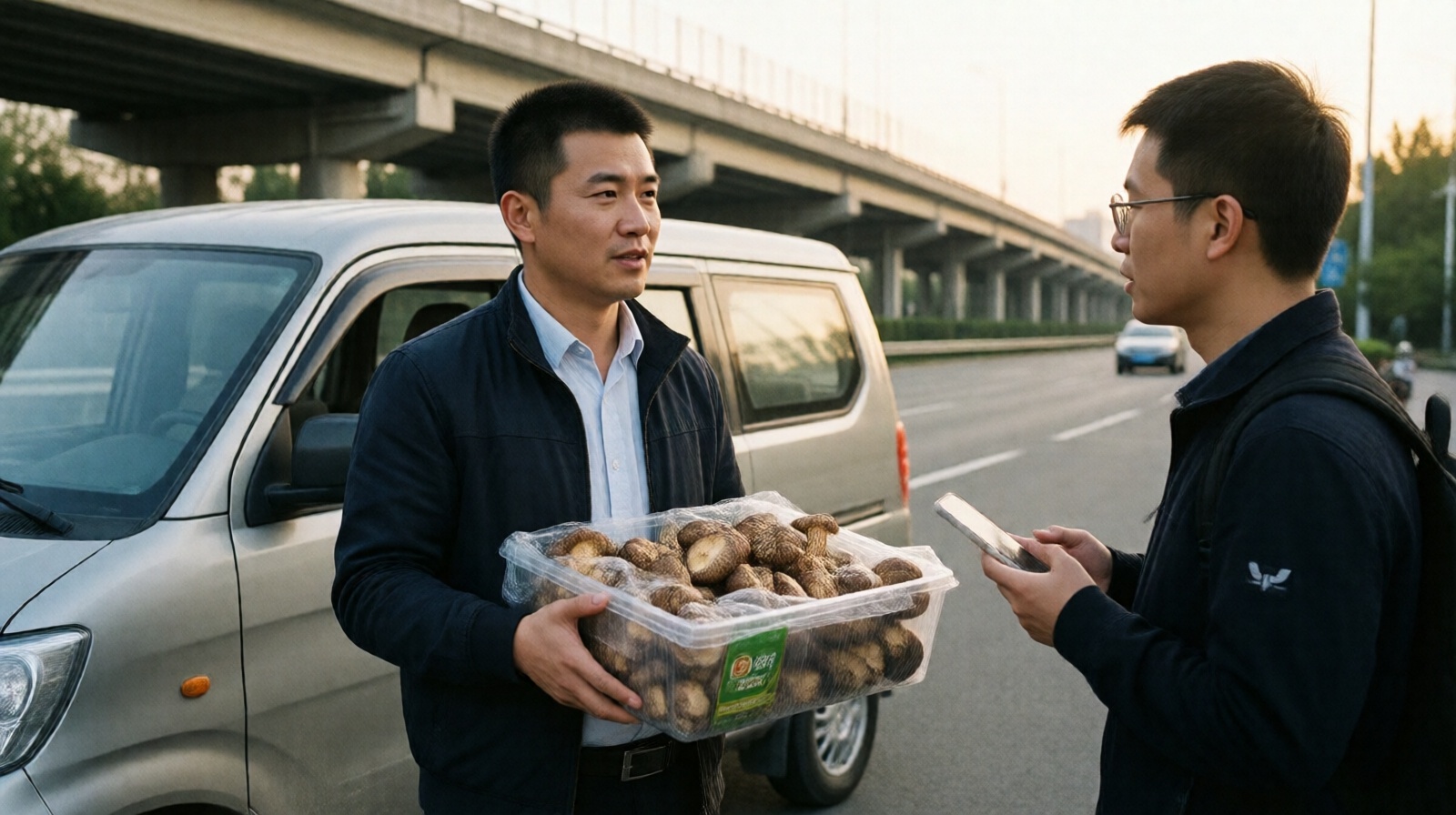
“Do I miss spending four hours on a bumpy bus, sweating and worrying about rain? No. I miss having no choice? No. The highway is noisy? I close my windows. The toll is expensive? I earn more now. I can take my wife to the county hospital in 40 minutes if she gets sick. I can bring fresh fish from the lake for dinner. Tell me, is that not worth 35 yuan?”
As I leave, Li is loading another crate of mushrooms into his van. Tomorrow morning, he will drive to Kunming—a city he had only visited once before the expressway. Now he goes every month. The highway, he says, has turned his village from a dead end into a stop on the map. “I am not rich,” he says, closing the van door. “But I am not stuck anymore.”
Start the discussion at forum.chinacomes.com