

Introduction: Why a Wuxia Hotel?
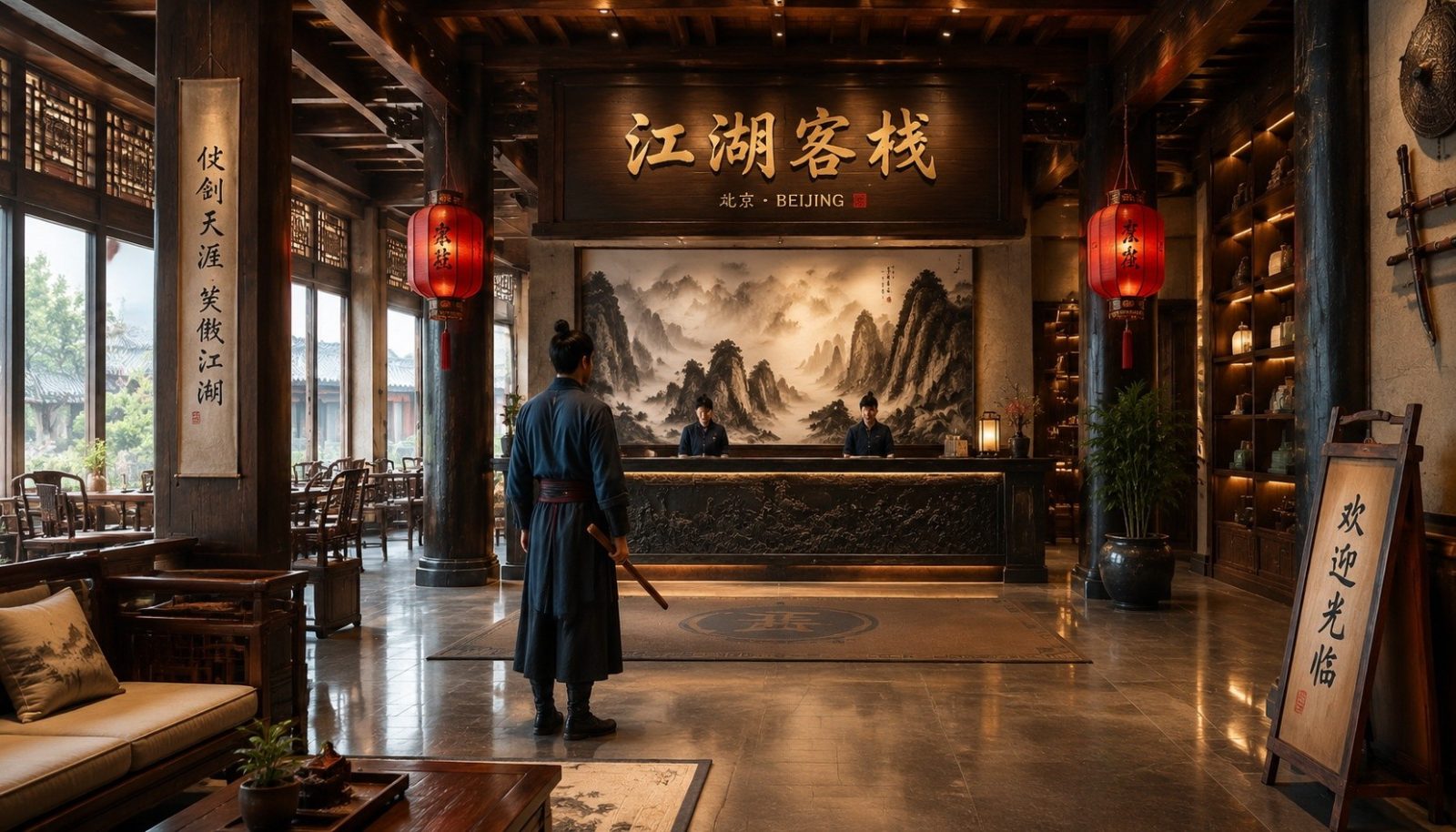
I’ll admit, when I booked a three-night stay at Beijing’s “Jianghu Inn” (not its real name, but close enough), I wasn’t expecting to walk out with a PhD in martial arts. I just wanted a fun place to crash. But then the front desk handed me a wooden sword instead of a keycard, and my journey into the world of wuxia began. Wuxia is a Chinese martial arts fantasy genre — think flying swords, secret sects, and heroes with improbable names. This hotel promises to make you the hero of your own story. And I was curious: could a themed hotel actually teach me something about Chinese culture, or would it just be a gimmick?
Immersive Design: Stepping Into a Martial Arts Movie
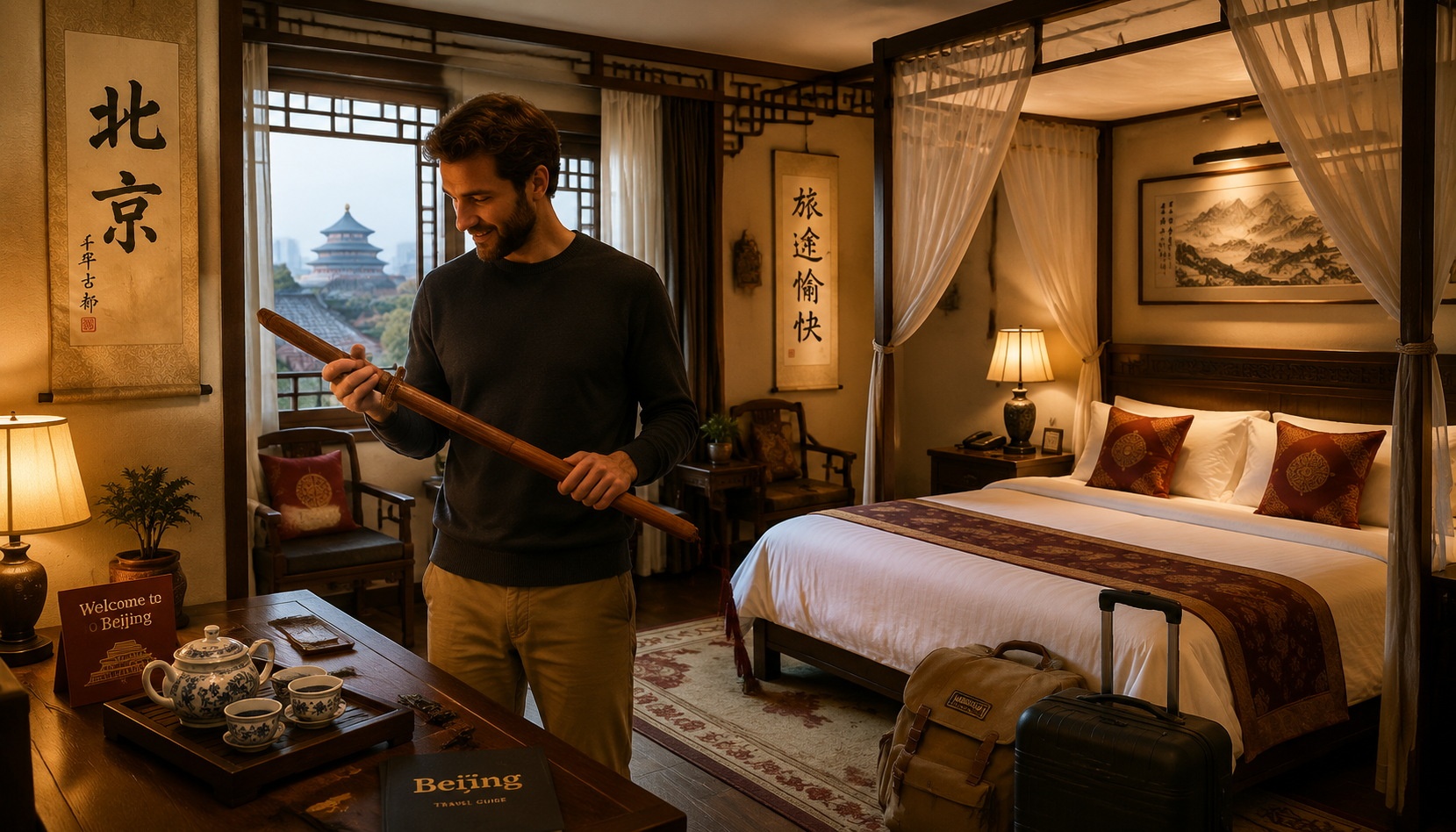
From the moment you walk in, the place feels like a film set. Ancient-style wooden furniture, red lanterns, and staff dressed in flowing robes greet you. The lobby ceiling is painted with a giant dragon. The elevator doors open to the sound of a guzheng (Chinese zither). Even your room key is an old-fashioned wooden tag with a tassel. My room was called “Eagle’s Nest” and featured a canopy bed, calligraphy scrolls, and a rack for a replica sword. It’s not just decoration; every detail is meant to immerse you in a world where kung fu masters roam.
The Experience: Acupressure Classes and Night Talks
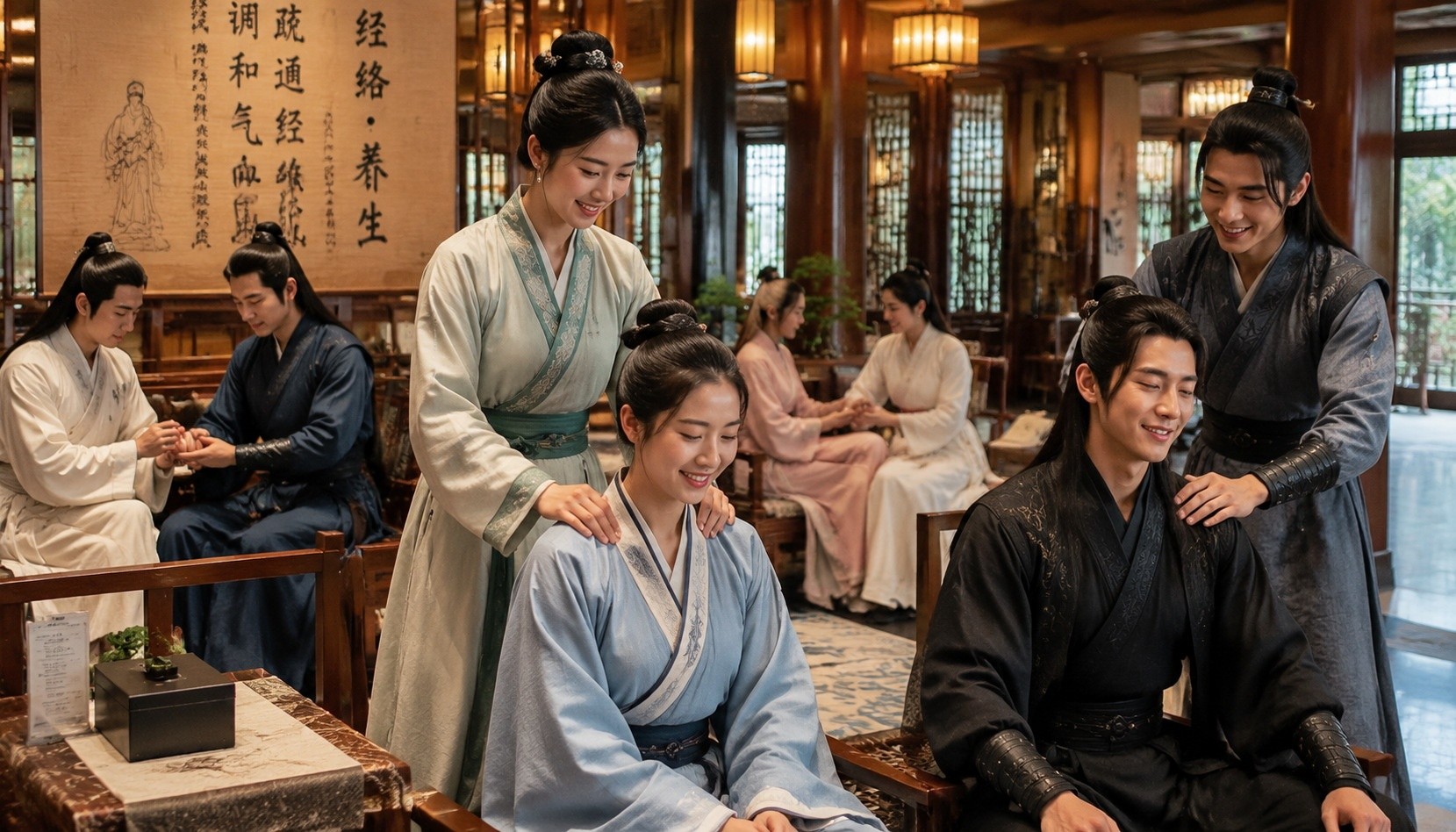
The highlight is the acupressure class taught by a master — or at least someone who played one on TV. The class starts with a 30-minute talk on the history of traditional Chinese medicine and acupressure, followed by hands-on practice where we tried pressing points on each other. It was more giggly than mystical: nobody could find the right spots. But the instructor was patient and full of stories. In the evening, guests gather in the tavern-style lounge for “river and lake” talks, sharing travel tales and pretending we are all wandering heroes. Beer is served in porcelain bowls. It’s silly but incredibly fun.
Service and Details: Ordinary Chinese Hospitality
What stood out most was the warmth of the staff. They weren’t actors performing a role — they were genuinely enthusiastic about sharing their culture. The woman at the front desk insisted on taking a photo of me with my wooden sword. The housekeeper left a handwritten note explaining the symbolism of the ink painting in my room. These moments felt real, not scripted. It reminded me that ordinary Chinese people are often proud of their heritage and happy to explain it to curious foreigners.
Connecting with Foreign Readers: Tradition Meets Modern China
For someone unfamiliar with Chinese pop culture, the wuxia genre might seem obscure. But the hotel bridges that gap. It uses modern amenities (free Wi-Fi, heated toilet seats) while celebrating traditional stories. Young Chinese guests were just as excited as I was — many came to take Instagram-worthy photos in costume. This blend of old and new is exactly what makes modern China fascinating. The hotel is not a museum; it’s a living space where history meets play.
Conclusion: A Real Cultural Experience
Did I learn acupressure in three nights? Not really. I can’t cure your headache by pressing your hand. But I did learn something more valuable: Chinese culture is alive and willing to be playful. The hotel gave me a taste of a genre that has entertained generations, and a glimpse of how ordinary people cherish their traditions. If you come to Beijing with a sense of humor and curiosity, you’ll leave with a wooden sword and a story to tell.
Start the discussion at forum.chinacomes.com