

Stuck on the Highway: A Family’s Golden Week Story
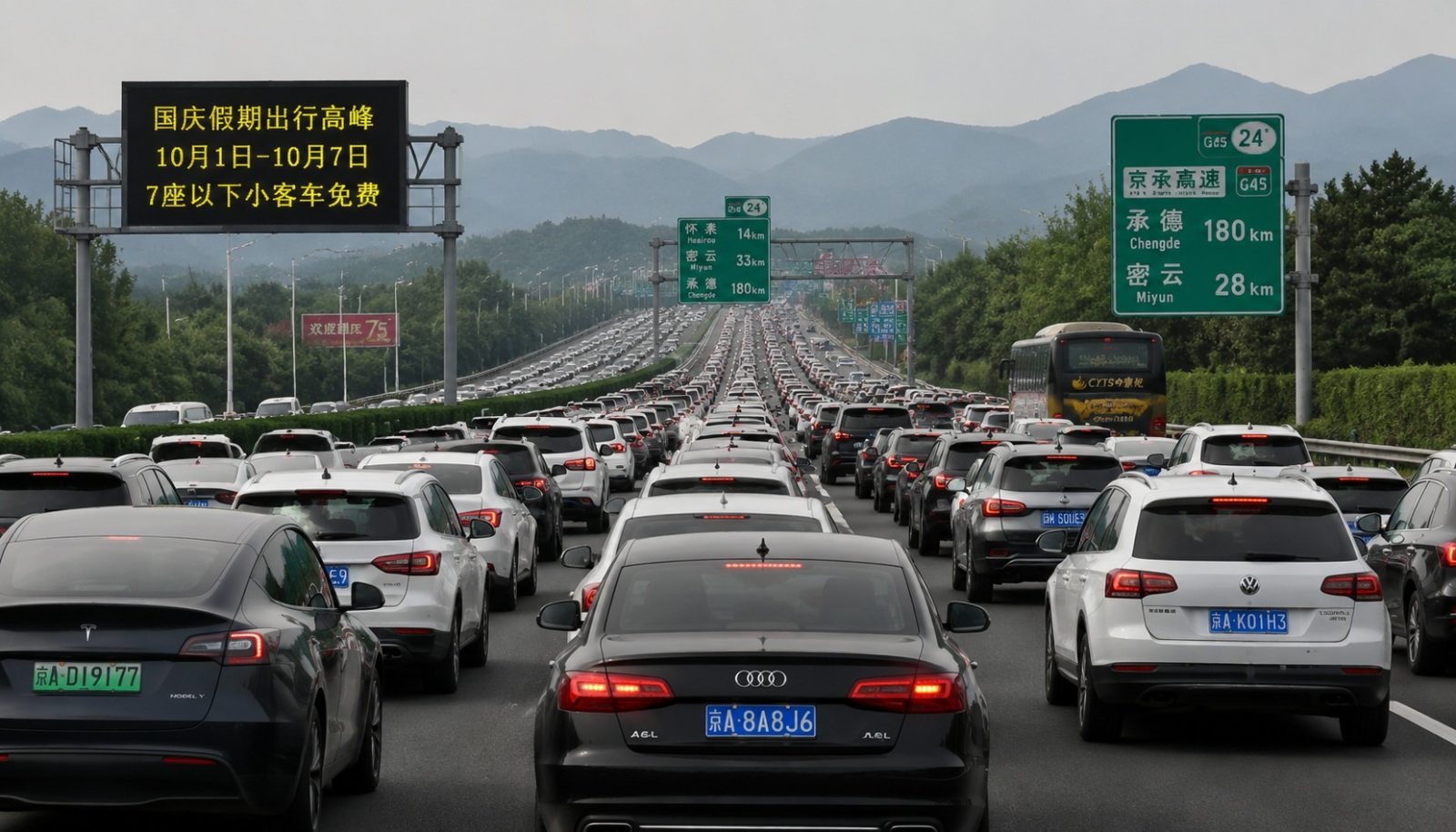
At 6 a.m. on October 1, Li Wei, a 38-year-old father from Beijing, packed his wife and son into their gray Volkswagen SUV. Their plan: drive 800 kilometers to Xi’an for a family reunion. By 9 a.m., they had barely made it past the sixth ring road. The navigation app showed a sea of red—traffic jams stretching for over 40 kilometers ahead. Li Wei sighed, switched on a podcast, and settled in for what would become an 11-hour drive that normally takes 9. What he didn’t realize: every minute of that delay was fueling a massive economic machine.

The Numbers Behind the Gridlock
Li Wei’s experience is far from unique. During China’s National Day Golden Week in 2024, nearly 1 billion inter-regional trips were made, with over 80% by road. China now has more than 300 million cars on the road—a number larger than the entire population of the United States. Its expressway network has reached 168,000 kilometers, the world’s longest. But the same infrastructure that enables mass mobility also creates predictable bottlenecks: holiday traffic jams have become as certain as the rising sun.
In 2023, the average Golden Week trip length by car was 420 kilometers, and the average delay due to congestion was 2.5 hours. For a family like Li Wei’s, that delay meant extra fuel, extra snacks, and—if they were unlucky—an emergency repair. But economically, those hours are not just lost time; they are a trillion-yuan opportunity.
The Consumption Chain of a Traffic Jam
When cars crawl, money still moves. Consider what happens inside a typical Golden Week jam:
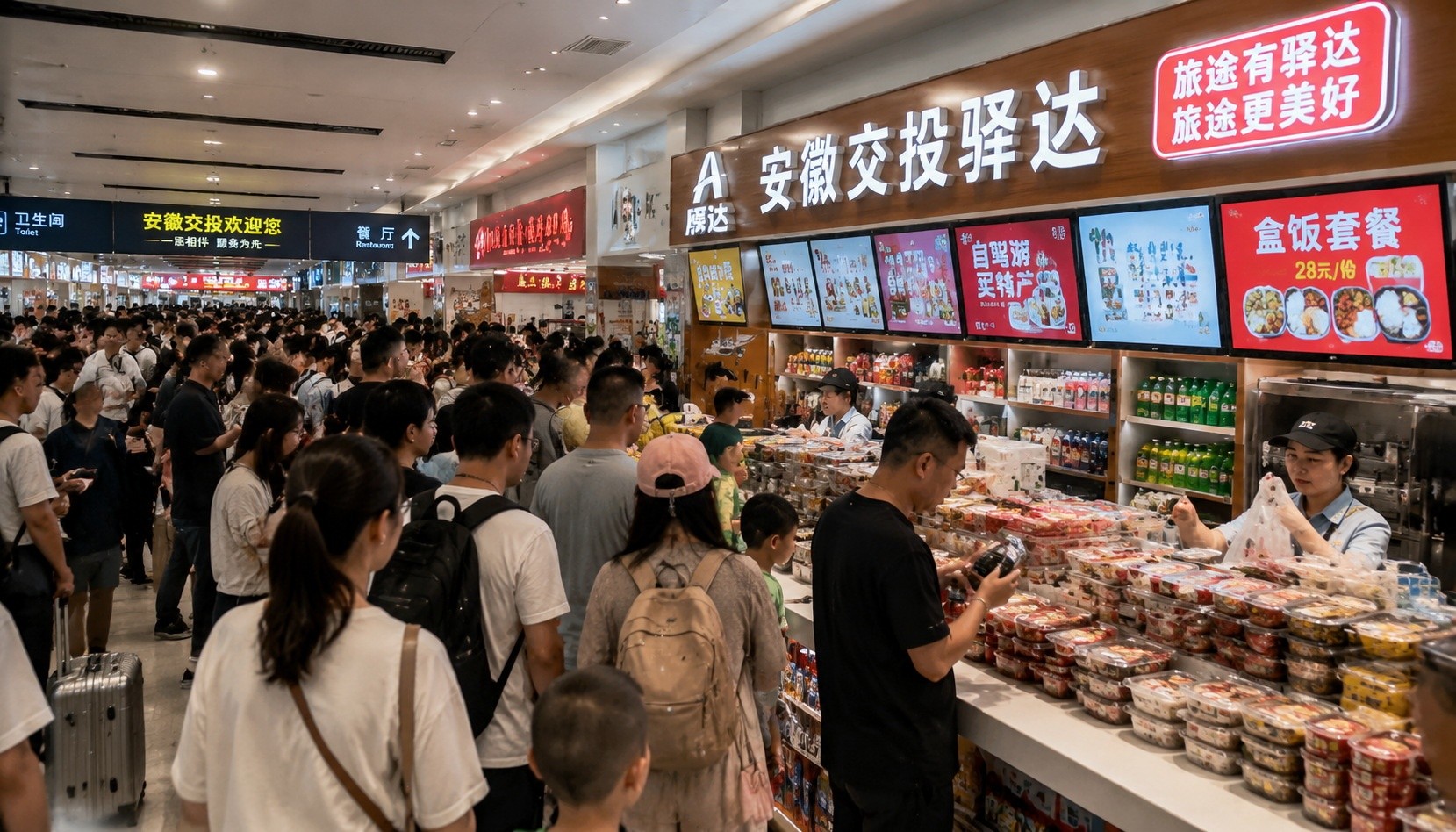
- Service station food: A simple boxed lunch that costs 15 yuan on a normal day is sold for 45 yuan during the holiday. One busy highway service area can sell 10,000 boxes per day. Annual Golden Week service area revenue is estimated at 12 billion yuan.
- Portable power banks: For drivers stuck with low phone batteries, rental power banks at service areas charge 4 yuan per hour. Thousands of charging cabinets dotted along highways generate over 1 billion yuan during the week.
- Emergency roadside assistance: Towing trucks, tire change vans, and mobile mechanic services charge premium rates. A simple tire change can cost 300 yuan. The total road assistance market during Golden Week exceeds 2 billion yuan.
- Nearby homestays: When jams force drivers to stop midway, they often book last-minute rooms. Platforms like Meituan and Fliggy report a 300% surge in same-day bookings near highway exits. Average room rates double.
Add it up: a single traffic jam generates millions of yuan in consumption along every major artery. The total holiday-related spending on road trips is estimated at 1.2 trillion yuan (about $165 billion)—nearly 1% of China’s annual GDP.
The Wider Industrial Ecosystem
Beyond the immediate consumption, the Golden Week road trip economy feeds a vast industrial chain:
- Automakers: SUVs and new energy vehicles (NEVs) are the stars. In 2024, NEV sales exceeded 11 million units, with many families buying cars specifically for holiday trips. The average new car buyer during Golden Week spends 180,000 yuan.
- Navigation apps: Amap and Baidu Maps see daily active users spike to over 200 million during the holiday. They monetize through real-time traffic alerts, gas station partnerships, and in-app hotel bookings. Their holiday revenue can reach 3 billion yuan.
- In-car entertainment: Subscription services for audio books, music, and video see a 200% increase in usage. Bilibili and iQiyi report that average streaming time per user rises to 4.5 hours during a round trip.
- Fuel and charging: China’s 120,000 gas stations and 6 million NEV charging piles operate near capacity. A single highway charging station can serve 500 cars per day, generating 60,000 yuan in electricity sales. National fuel sales during Golden Week climb 25% above weekly average.
- Travel platforms: Ctrip, Fliggy, and Tongcheng earn huge commissions from highway-side hotel bookings, scenic spot tickets, and car rental services. Holiday travel revenue for these platforms tops 120 billion yuan.
Together, these industries make up the trillion-yuan ecosystem. The traffic jam is not a bug; it’s a feature of China’s consumer economy.
Social Meaning: Beyond the Gridlock
On one level, the holiday jam is a headache. But it also reflects three deep truths about China today:
- Rising middle class: Car ownership in China has jumped from 78 million (2010) to over 300 million (2024). More families can afford travel, and they prioritize experiences over goods. The road trip is a symbol of this shift.
- Infrastructure achievement: China builds expressways faster than any country. Even remote counties are connected. That the system can handle 1 billion trips—though with delays—is a marvel of engineering and planning.
- The pain of peak demand: Nine concentrated days of travel create unavoidable strain. It reveals the tension between a thriving consumer society and a holiday system that funnels everyone into the same narrow window. Calls for staggered vacation policies are growing louder.
Looking Ahead: The Future of Holiday Traffic
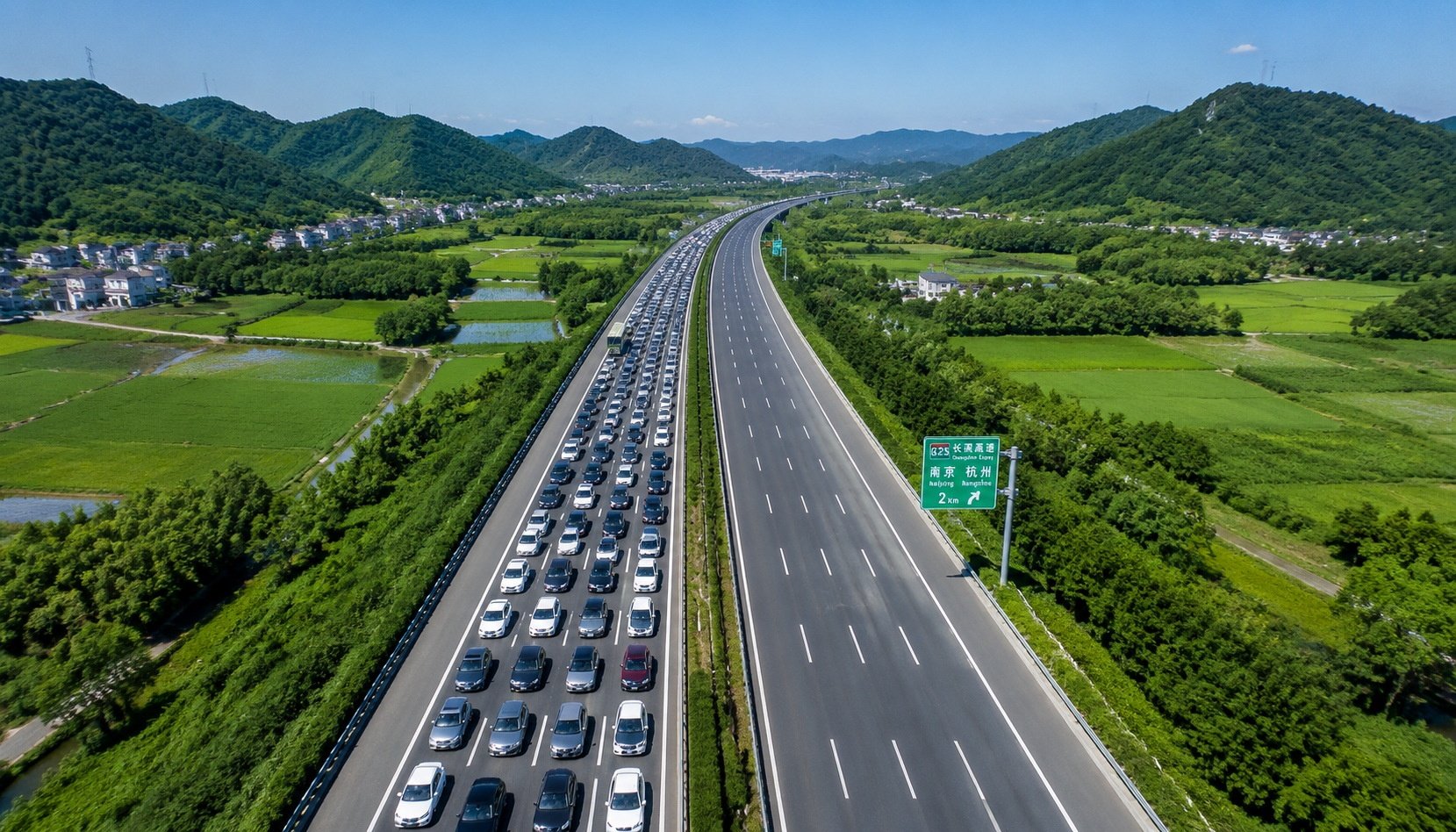
Two trends will reshape the holiday traffic economy. First, the rapid rise of NEVs. Already, electric cars account for 35% of new sales. Their long charging times could worsen jams or, if battery swapping stations proliferate, ease them. Second, smart traffic systems are being deployed on major highways. In 2025, 30 expressway sections in China will test AI-powered lane management and real-time rerouting, potentially reducing delays by 15%.
Policy changes are also on the table. The Chinese government is exploring an extended paid leave system to allow families to choose their own travel dates, not just the public holidays. If implemented, it could spread demand across the year, reducing the economic pain—and the economic boom—of Golden Week.
For now, Li Wei and millions like him will keep hitting the road. They will sit in traffic, complain, but also spend. And that spending, from a 45-yuan boxed lunch to a 180,000-yuan SUV, will continue to power one of the world’s most extraordinary consumer phenomena.
Start the discussion at forum.chinacomes.com