
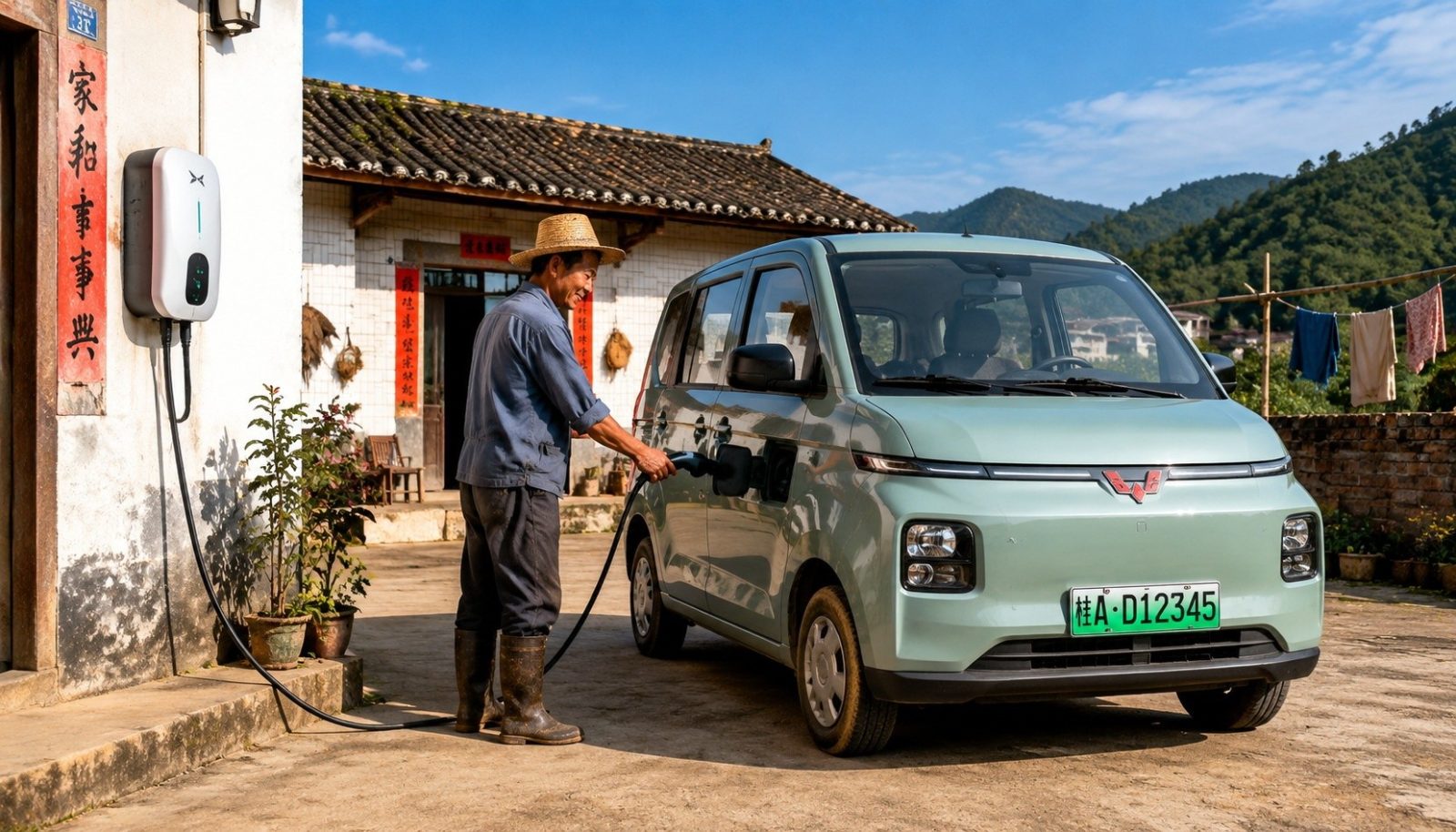

The Farmer Who Now Charges at Home
In a small village in Shandong province, Li Wei, a 40-year-old farmer, used to drive a gasoline-powered three-wheeler to transport vegetables to the nearby market. Last year, he replaced it with a budget electric minivan. His daily commute is 30 km round trip. He now charges the vehicle overnight from a 220-volt outlet in his courtyard, installed with the help of a government-subsidized home charger program. Li Wei is one of millions of rural Chinese who are turning to electric vehicles (EVs)—not because of environmental idealism, but because the numbers work.
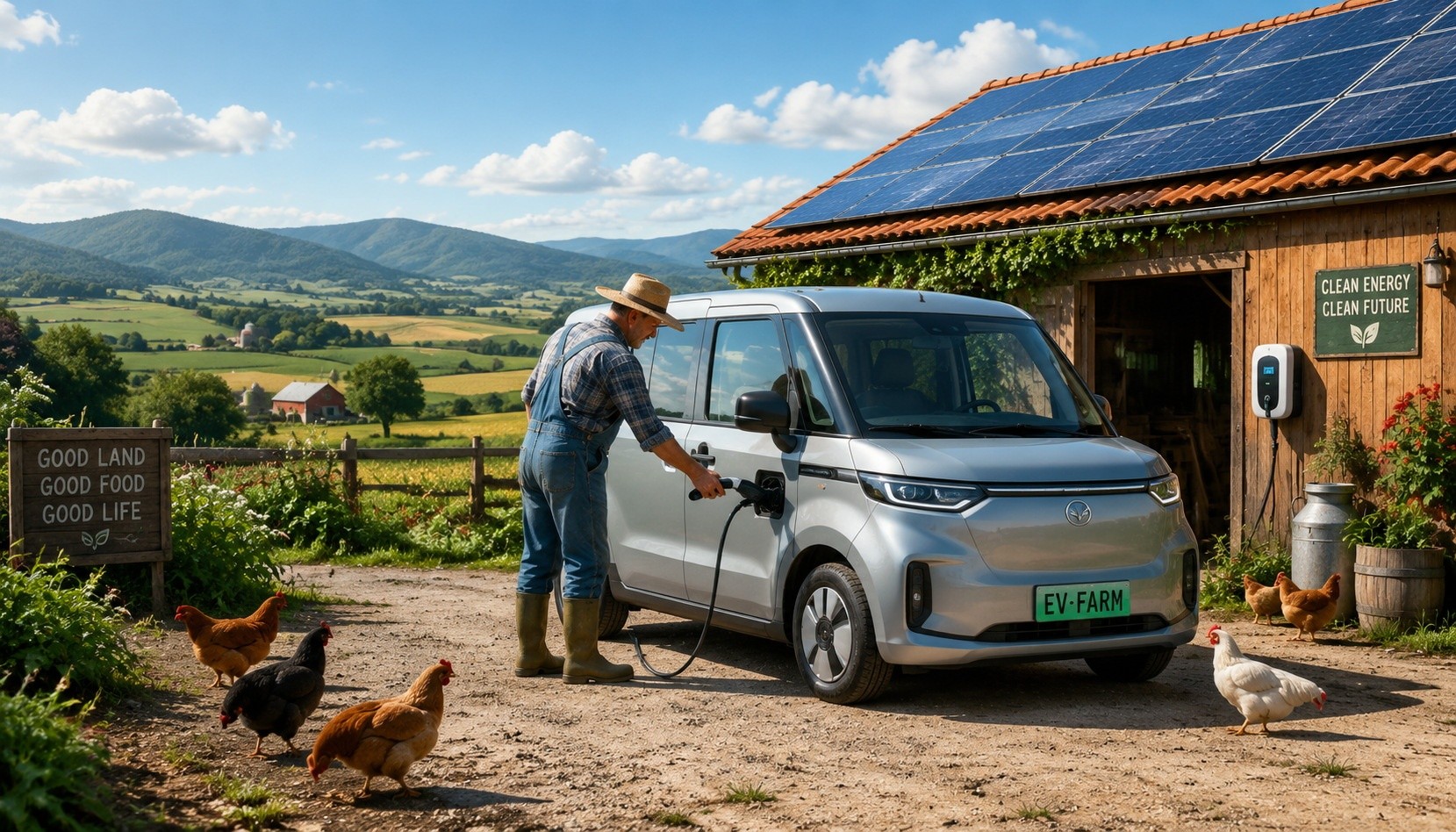
Rural Charging: A National Priority
China’s central government has made expanding EV charging infrastructure into the countryside a strategic goal. In 2023, the State Council issued guidelines to accelerate the construction of charging piles in rural areas, with a target of adding 5 million private and public chargers by 2025. As of mid-2024, over 2.5 million chargers have been installed in counties and townships across the country, an increase of 45% year-on-year. This push is not just about convenience; it’s about unlocking the world’s largest untapped EV market.
The logic is straightforward: China’s rural population exceeds 500 million people, and while per capita income is lower than in cities, the cost of driving an EV is significantly cheaper. A typical rural commuter in a small EV might spend only 5–8 yuan (USD 0.70–1.10) per 100 km on electricity, compared to 50–60 yuan for gasoline. Upfront subsidies—some local governments offer 10,000–20,000 yuan (USD 1,400–2,800) toward the purchase of a new EV—further sweeten the deal.
How Charging Gets to the Fields
Building chargers in remote villages is expensive and logistically challenging. Many villages lack the grid capacity to support fast charging, and the return on investment for a single charger can take years. To overcome these hurdles, China has deployed a three-pronged strategy: government grants to grid companies for upgrading distribution transformers, partnerships with state-owned oil giants like Sinopec and PetroChina to add charging piles at existing rural gas stations, and private-sector innovation such as mobile chargers that can be dispatched to areas with high seasonal demand (e.g., during harvest or Spring Festival).
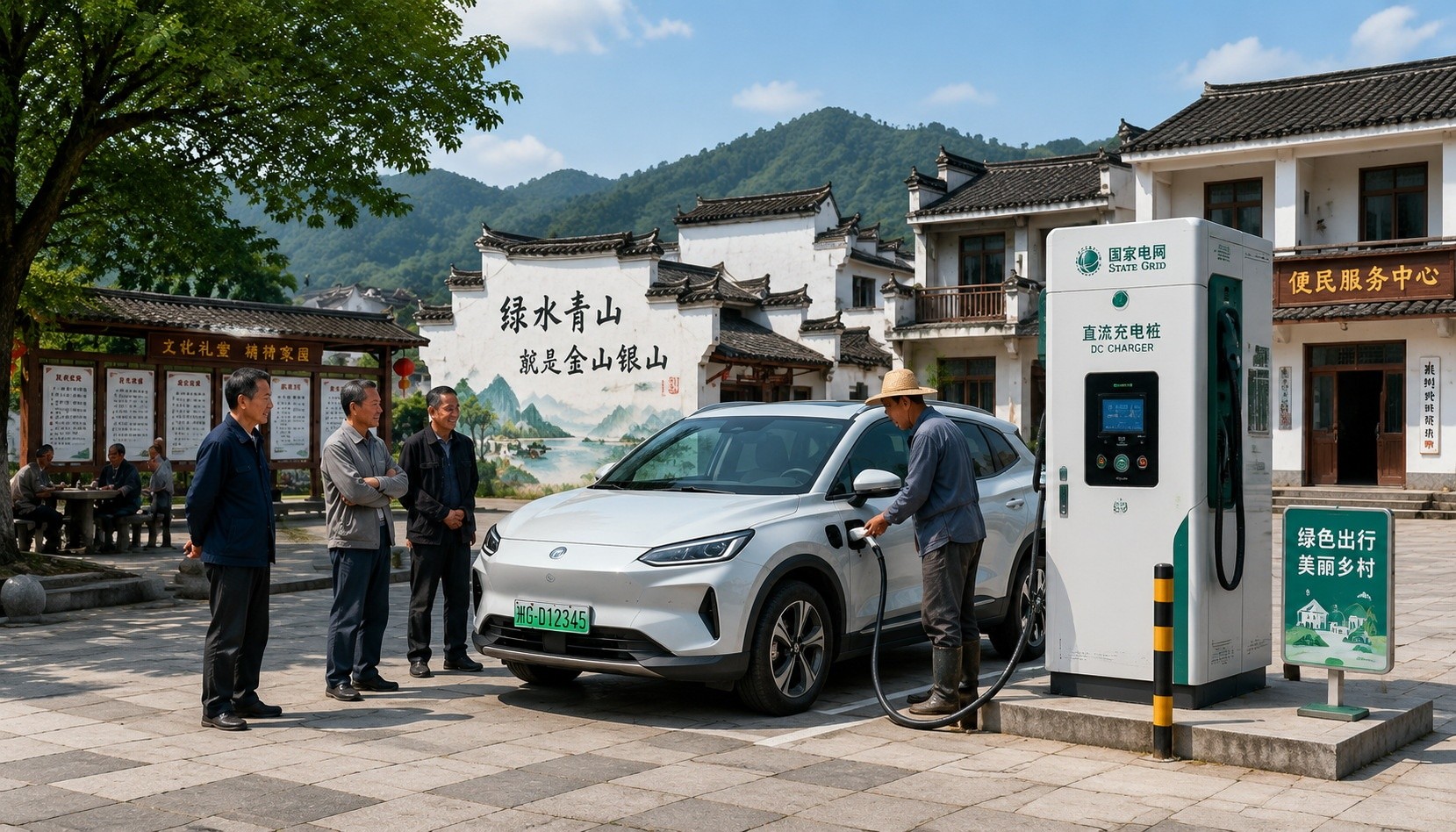
Take Zhejiang province’s “One Village One Charger” pilot program. Since 2022, the provincial government has installed at least one public DC fast charger in each of the 1,500 participating villages. The chargers are managed by a county-level platform that also offers maintenance and billing services. Usage data shows that the average charger is used 3 times per day, with peak usage in the evenings—suggesting that even a single unit can serve a community of a few hundred households.
Not a Smooth Ride (Yet)
The rural charging rollout is not without problems. Many chargers are underutilized during off-peak months, leading to revenue shortfalls for operators. In some regions, second-hand EV buyers struggle to access home charger subsidies, which are often tied to new car purchases. Grid stability remains a concern: in parts of Henan, local transformers have tripped when multiple households charge simultaneously during summer peak air-conditioning loads. And for farmers who rely on two- or three-wheelers for daily transport, affordable electric options are still scarce—most sub-10,000 yuan (USD 1,400) models lack battery certification for safe home charging.
Still, the trend is clear. Data from the China Electric Vehicle Charging Infrastructure Promotion Alliance shows that in 2023, rural public charging volumes grew 250% year-on-year, outpacing urban growth. BYD, the country’s largest automaker, now markets a “rural edition” of its Seagull EV with a reinforced charging cable and a 8-year battery warranty for rural buyers.
Conclusion: Driving the Future
China’s rural charging infrastructure is still in its early stages, but the combination of policy support, falling vehicle prices, and creative solutions is making EV ownership a realistic choice for hundreds of millions of people who live outside major cities. As Li Wei puts it: “I don’t care about the global climate. I care about saving money. And this car saves me 4,000 yuan a year on fuel.” That’s a kind of green transition that happens one wallet at a time.
Start the discussion at forum.chinacomes.com