

The First Time I Held a Yixing Teapot
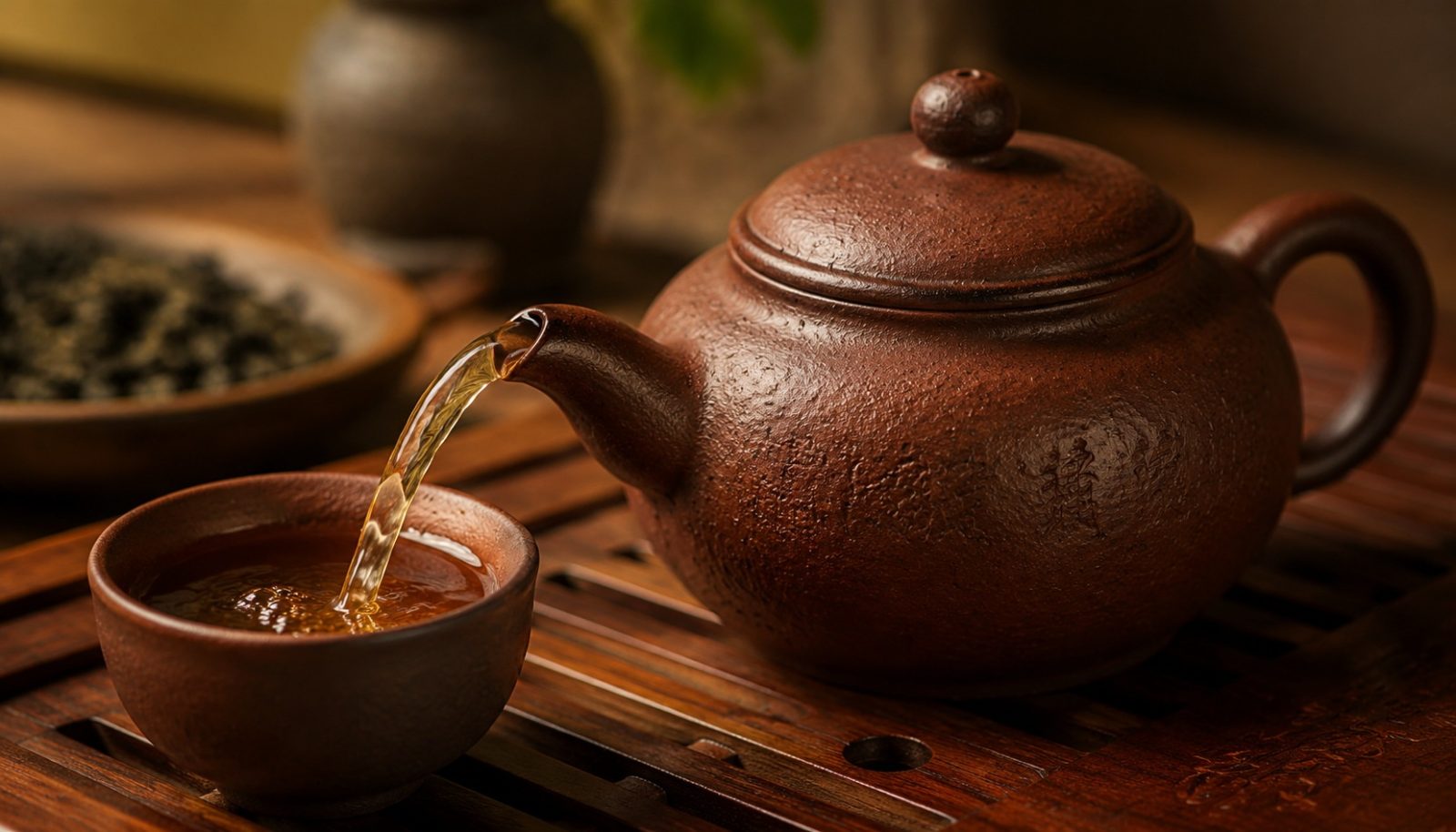
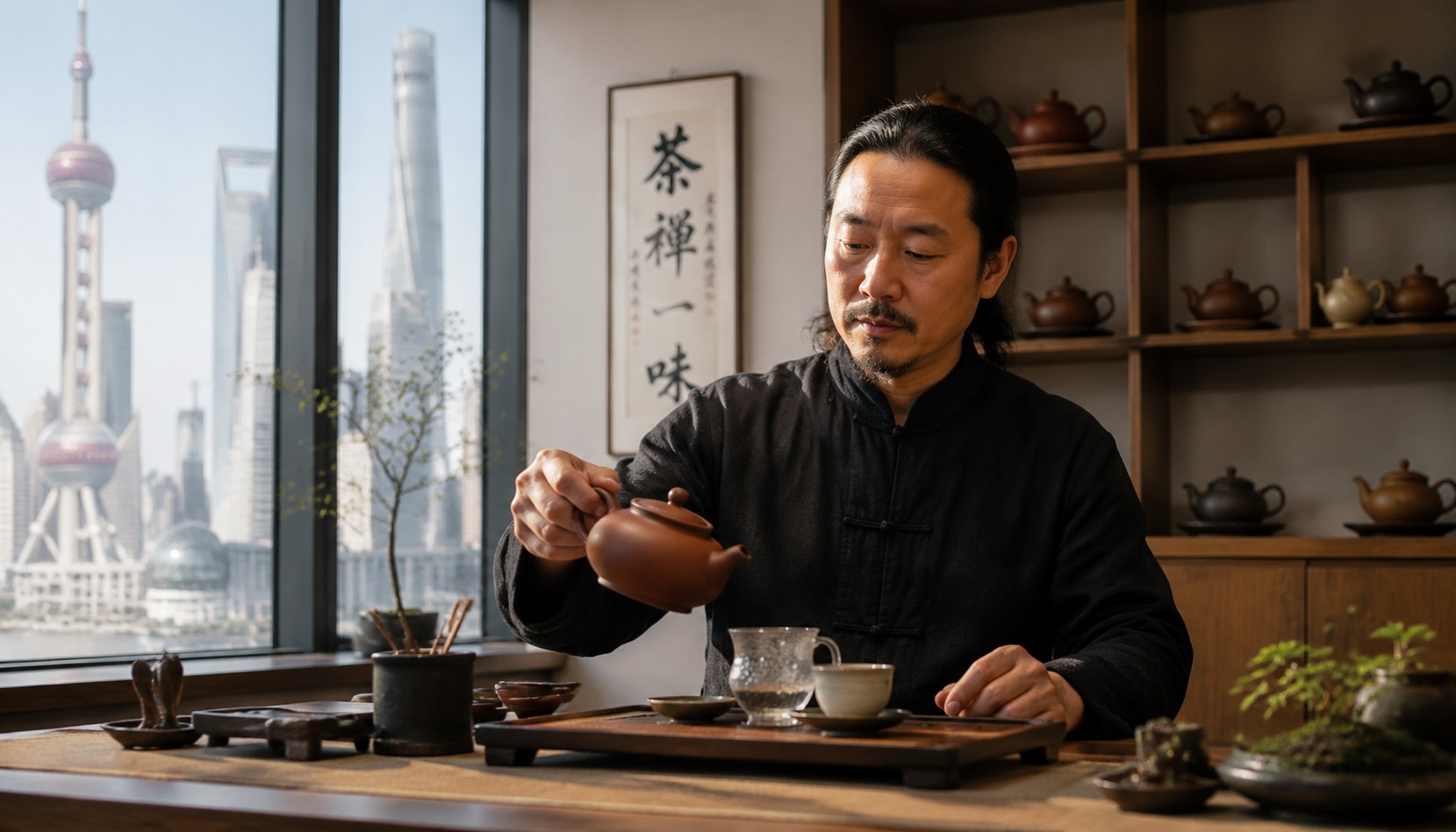
A tea master friend of mine once invited me to her studio in Shanghai. She brewed a 2007 Sheng Pu’er in a small, unglazed brown pot. I was skeptical—could the vessel really make a difference? But the tea was velvety, sweet, and somehow more ‘alive’ than anything I had tasted before. That pot, she explained, was a Yixing teapot—named after a small city in Jiangsu province. And it had been in her family for three generations.
The Magic of Porous Clay
Yixing teapots are made from zisha, a purple clay found only in the region around Yixing. The clay’s unique dual-porosity structure—tiny pores that absorb tea oils and release them slowly—is the secret. When you pour hot water into a seasoned pot, the clay expands, allowing the tea to ‘breathe’. Over time, the pot absorbs the essence of the teas brewed in it, enhancing future infusions. Even a casual drinker can notice: tea from a Yixing pot tastes smoother, with a rounder mouthfeel.
Does It Really Work?
Yes, but the effect is subtle. It’s not magic—it’s material science. The pores trap volatile compounds, softening bitterness. Many tea shops in China offer blind tastings: the difference between a Yixing brew and a porcelain-gaiwan brew is often night and day.
Raising a Teapot: A Bond Between Person and Object
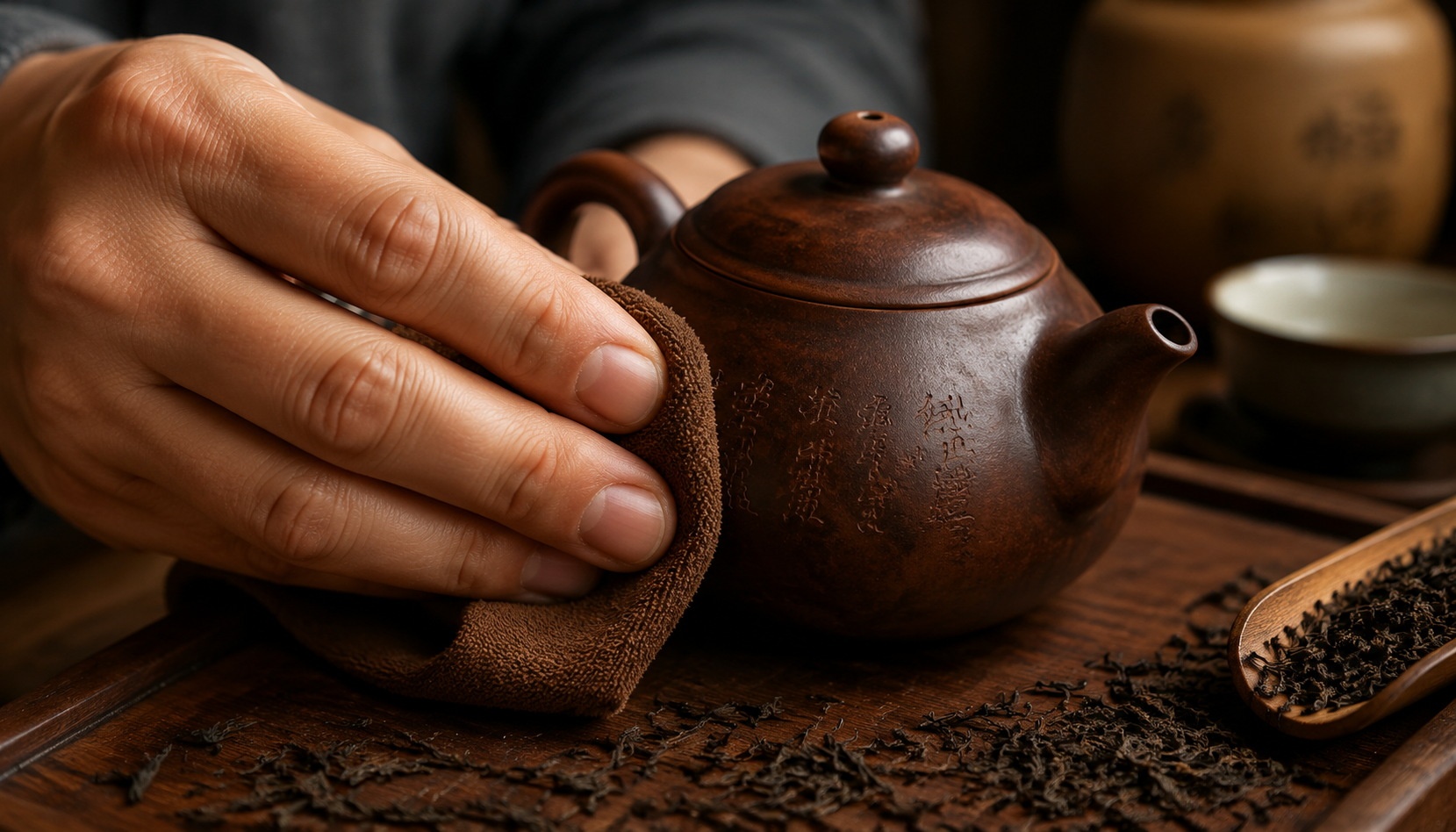
Chinese tea lovers speak of ‘raising’ a teapot (yang hu). They dedicate one pot to one type of tea—say, oolong or raw pu’er. Over months and years, the pot develops a patina, a gentle shine from the oils absorbed. The color deepens. The surface becomes satin-smooth. Owners take pride in this slow transformation. It’s a process of care: rinsing the pot with hot water after each use, never washing with soap, letting it dry naturally. Some even sleep with their pots to keep them company.
Modern Twists: Coffee, Cocktails, and Cold Brew
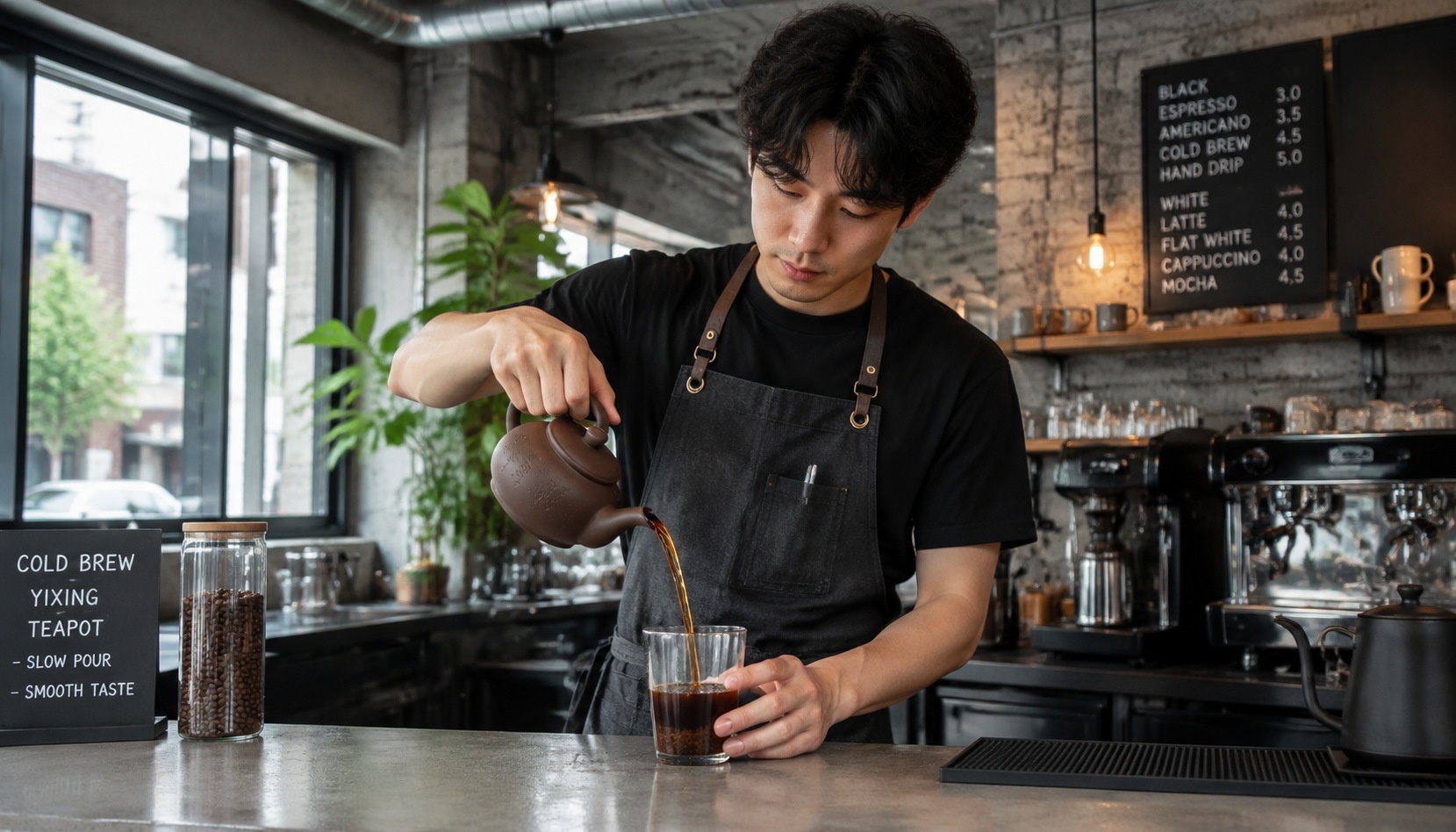
Young Chinese are reinventing traditions. In hip cafes in Chengdu and Hangzhou, baristas use Yixing teapots to steep cold-brew coffee, claiming the clay smooths acidity. Some mixologists infuse spirits with tea in small Yixing vessels. On social media, influencers post videos of ‘Yixing pour-over’—syncing the clay’s heat retention with coffee extraction. The teapot becomes a canvas for creativity, not a relic of the past.
Craftsmanship in Yixing’s Studios
In Dingshu town, the heart of Yixing pottery, thousands of artisans still shape clay on hand-turned wheels. Master potters like Gu Jingzhou (now deceased) are legendary. Today, a balance exists: some studios use electric kilns for efficiency, but the best pots are still fired in traditional dragon kilns using pine wood—a process that takes days and yields unpredictable, beautiful ash glazes. A handmade pot can cost from $50 to over $10,000. But for many, the cost is secondary to the story—the fingerprint of the maker on the clay.
Everyday Aesthetics
Yixing teapots embody a Chinese philosophy: beauty in utility, patience in craft. They aren’t just tools; they are companions in the daily ritual of tea. Whether you’re a seasoned connoisseur or a curious newcomer, holding a well-loved Yixing pot connects you to centuries of tea culture—and to a community of people who believe that the right vessel can turn a drink into an experience.
Start the discussion at forum.chinacomes.com