In China, eating spring bamboo shoots isn't just about food; it's a race against time. Discover how ordinary people hike mountains at dawn to catch the fleeting window of 'seasonal eating,' and why modern logistics can't replace this deep cultural connection.
Forget the neon skylines for a moment. To understand modern China, you have to stand in a crowded morning market at 6 AM. This is where the economy breathes, neighbors meet, and life happens before breakfast.
Step into a Chinese summer night where the air smells of charcoal, smoke, and sizzling lamb. Unlike formal dining, Shao Kao is raw, loud, and deeply social—a cultural ritual where strangers become neighbors over skewers.
In Guangzhou, morning tea is not about speed. It is a multi-hour ritual where steam rises over bamboo baskets, carts roll through crowded halls, and conversations stretch from business deals to family gossip. For locals, this isn't just breakfast; it's a vital social marathon.
A new travel trend among China's college students involves hitting dozens of landmarks, sleeping on overnight trains, and spending under $50 in a single weekend. This 'Special Forces' style is reshaping urban tourism.
In cities across China, small shop owners quietly place bottles of water outside their doors for sanitation workers. It's not a government mandate or a viral campaign; it's a daily habit born from mutual respect and the simple reality of shared streets.
Forget the quiet corners of Western coffee shops. In China, bubble tea stores are battlegrounds where brands fight with prices as low as $1 and marketing stunts that rival blockbusters. Here is how ordinary people live through this fierce competition.
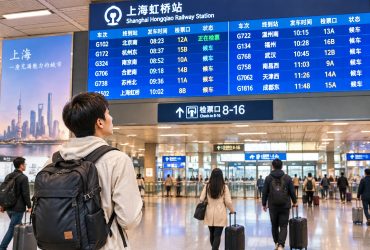
A traveler drops their wallet in a Chinese high-speed train. Instead of chasing it across the country, they watch as a digital system and a dedicated team retrieve it within hours. Here is the real story behind China's modern service efficiency.
It started as a joke for single students in Beijing universities, but today, November 11th is the world's largest shopping carnival. This report follows ordinary citizens through the pre-sale chaos, the live-streaming frenzy, and the logistics miracle that moves millions of packages in a single day.
From sizzling skewers to bustling night markets, China's street vendors are more than just food sellers. They are the heartbeat of urban recovery, balancing economic necessity with a vibrant cultural revival.