


The Weekend Sprint: Beyond the Hype
If you scroll through Xiaohongshu (Little Red Book) or Douyin this weekend, you might see a pattern that defies traditional travel logic. Young people are arriving at a train station at 11 PM, eating breakfast by 7 AM, hitting two major landmarks before lunch, devouring street food for dinner, and catching the last high-speed train home just after midnight.
This is “Special Forces Tourism” (Tezhongbing You). The name comes from Chinese military training, known for its grueling pace. For outsiders, it sounds like a recipe for burnout. But for the 20-somethings doing it, it’s not about suffering; it’s about efficiency.
Unlike Western backpacking, which often emphasizes slow immersion and long stays, this trend is driven by a different set of constraints. Most participants are university students or young professionals with limited annual leave and tight budgets. They aren’t trying to “live” in another city for a week; they are trying to consume its highlights in the most time-efficient way possible.

The Anatomy of a 24-Hour Sprint
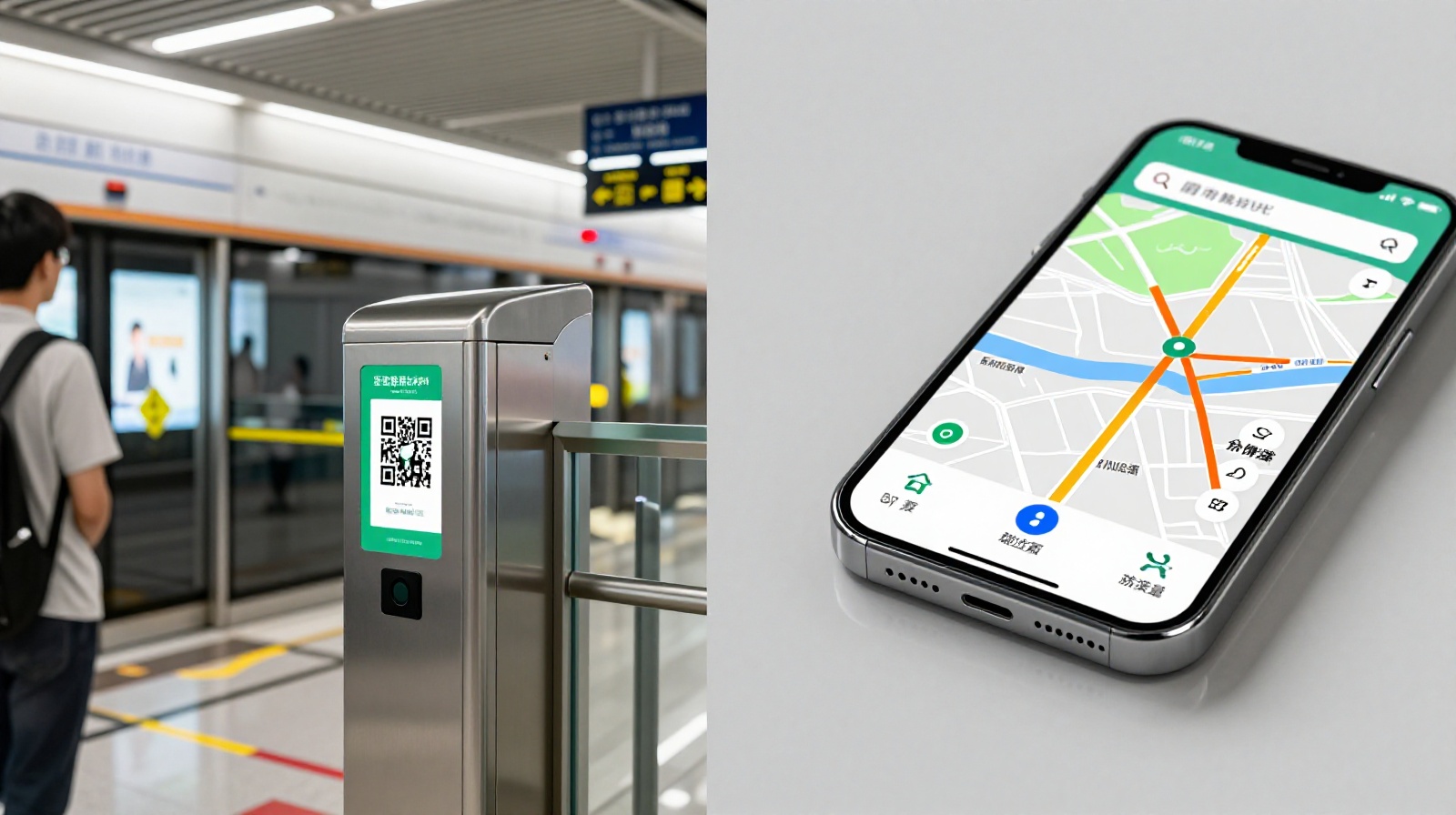
To understand how this works, you have to look at the tools. In many parts of the world, coordinating such a trip would be a logistical nightmare involving paper tickets, cash exchanges, and confusing local transit maps. In China, friction has been largely removed by digital infrastructure.
Take Lin, a 24-year-old marketing assistant from Beijing. Last month, she executed a “Changsha Sprint.” Her plan was simple: take the overnight train to Changsha (a city famous for spicy food and nightlife), spend one day eating and sightseeing, and return Sunday night.
The Digital Backbone
Lin’s trip relied on three pillars:
- The 12306 App: China’s official rail booking system. It allows real-time seat selection and instant e-tickets, eliminating the need to queue at physical counters.
- WeChat/Alipay: Mobile payments are ubiquitous. You don’t need to carry cash or worry about change when buying a 5-yuan snack from a street vendor.
- Real-Time Navigation: Apps like Amap (Gaode) integrate subway, bus, and ride-hailing data. Lin knew exactly which exit of the Changsha station led to her hotel and how many minutes it took to walk to the first landmark.
Why Constraints Breed Creativity
So why do this? Is it just for social media clout?
To some extent, yes. The “check-in” culture is real. But reducing it to vanity misses the point. For many young Chinese, this style of travel is a response to economic and structural pressures.
The Math of Limited Freedom
With work weeks often exceeding 40 hours and annual leave being scarce for entry-level jobs, a long vacation is a luxury. Special Forces Tourism turns the weekend into a mini-adventure. It’s affordable because it minimizes accommodation costs (sleeping on trains or using budget hostels) and maximizes the “value per hour” of their leisure time.
From Sightseeing to Immersion
There’s also a cultural shift. Older generations might have preferred all-inclusive resort packages. Younger travelers want authenticity. By rushing into local neighborhoods, they often end up eating at crowded, no-name eateries that locals love—places that don’t appear in guidebooks but offer the true flavor of the city.
Beyond the Tourist Trap
Interestingly, this trend has a positive side effect on urban governance and local economies. Because these travelers move fast, they often bypass the overly commercialized “old towns” that have been sanitized for mass tourism. Instead, they dive into residential districts.
In cities like Zhengzhou or Chengdu, this surge of weekend traffic has forced local businesses to adapt. You’ll find 24-hour laundromats, late-night snack stalls, and subway services running later on Fridays and Saturdays to accommodate the influx. It reveals a city that is safe, well-connected, and surprisingly resilient.

A New Lens on Chinese Youth
Special Forces Tourism might look chaotic from the outside, but it reflects a generation that is pragmatic, resourceful, and eager to connect with their country’s diversity. They are not waiting for permission to explore; they are hacking their schedules to make it happen.
For foreign readers, this isn’t just a quirky travel trend. It’s a window into how modern Chinese youth navigate life: balancing pressure with play, using technology to remove barriers, and finding joy in the sprint rather than the marathon.