

The ‘Silent Revolution’ in Mobility
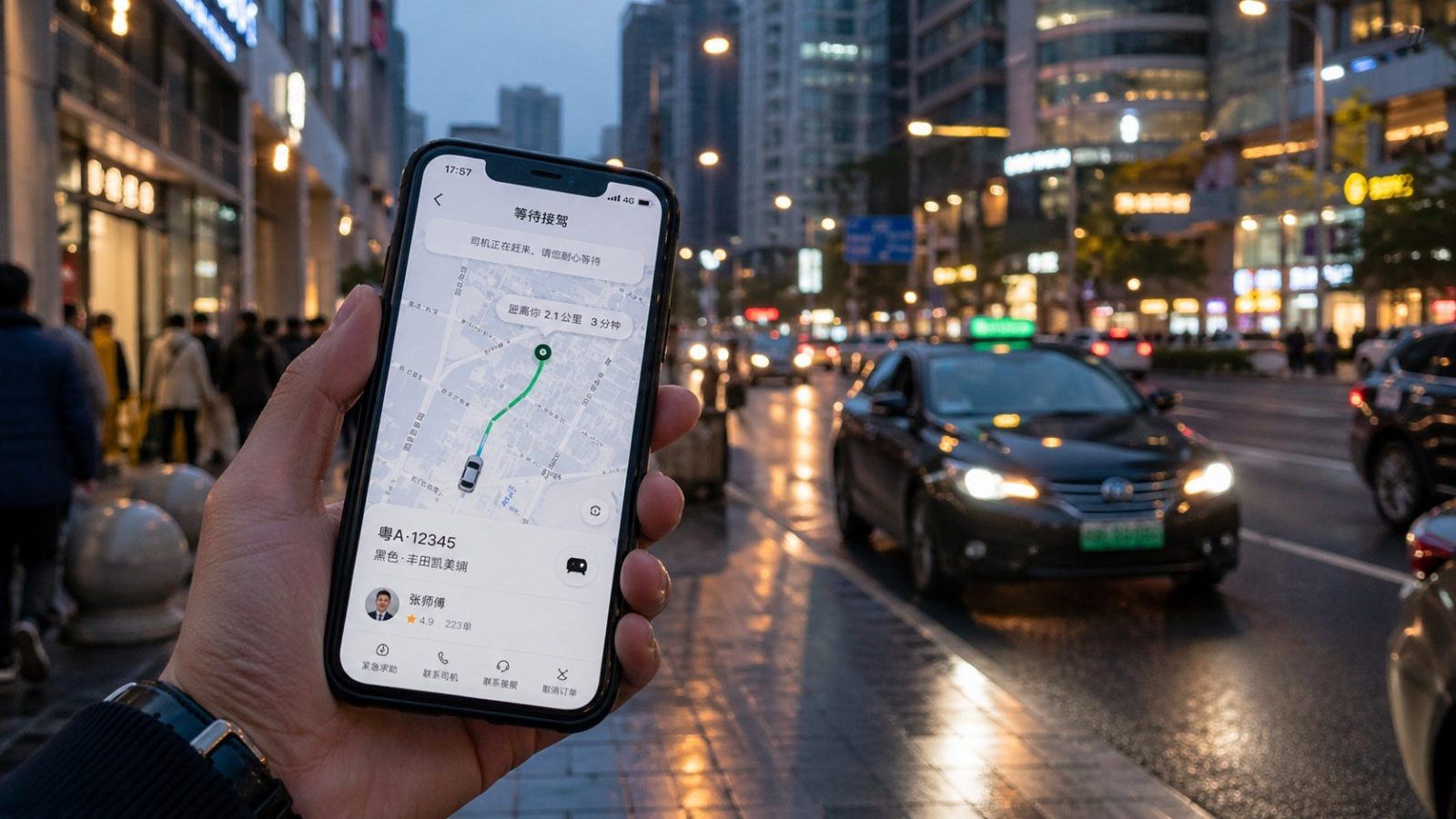
Five years ago, standing on a rainy corner in Shanghai meant waving your hand at passing taxis and hoping one wasn’t already occupied. Today, that same act is nearly obsolete. You tap a button on your phone, and within 60 seconds, a car arrives.
This isn’t just about convenience; it’s a fundamental shift in how cities move. For visitors from Europe or North America, where hailing a cab can still involve waiting 20 minutes or more, China’s ride-hailing ecosystem feels almost like science fiction made real. But is it truly efficient, or does the speed come with hidden costs? To understand this, we need to look past the app interface and into the invisible machinery driving every trip.
The Algorithm as the Invisible Dispatcher
At the heart of China’s ride-hailing industry—dominated by players like Didi Chuxing—is not a human dispatcher shouting instructions over a radio, but a sophisticated algorithm. This system matches drivers and passengers in milliseconds, optimizing routes based on real-time traffic, weather, and demand.
Demystifying the ‘Black Box’
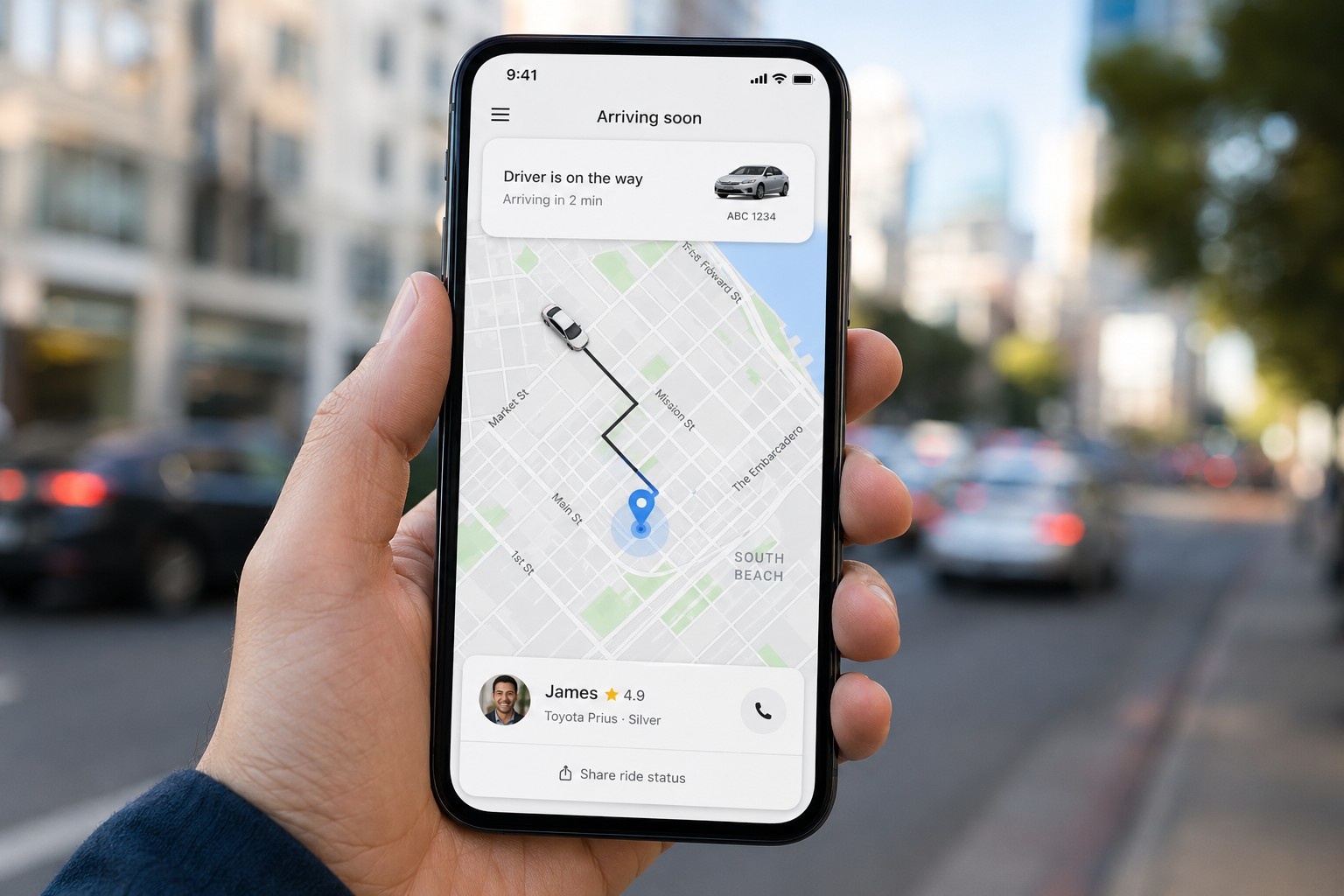
For the average user, the app is simple: you enter your destination, see the price, and wait. But behind the scenes, the algorithm performs millions of calculations. It considers the driver’s current location, their battery level (for EVs), historical traffic patterns, and even the likelihood of a passenger canceling.
One common concern among foreigners is surge pricing. In China, dynamic pricing exists but is often more regulated than in Western markets. During peak hours, prices rise to incentivize more drivers to get on the road. However, the transparency is striking: you know the exact fare before you book. There are no surprises at the end of the ride.
A Tale of Two Hours
Imagine booking a ride at 2 PM on a Tuesday versus 8 PM on a Friday. At 2 PM, the algorithm might assign you a driver three blocks away because traffic is light and demand is low. The wait time: 4 minutes. At 8 PM, with heavy congestion and high demand, the system might send a driver from five kilometers away, or suggest a slightly more expensive ‘Express’ tier. The algorithm isn’t just finding *a* car; it’s trying to minimize the total waiting time for thousands of people simultaneously.
Beyond Speed: Efficiency vs. Human Cost
While passengers enjoy speed and predictability, the driver’s experience is more complex. Ride-hailing in China has become a primary source of income for millions, often referred to as the ‘gig economy.’
The Driver’s Perspective
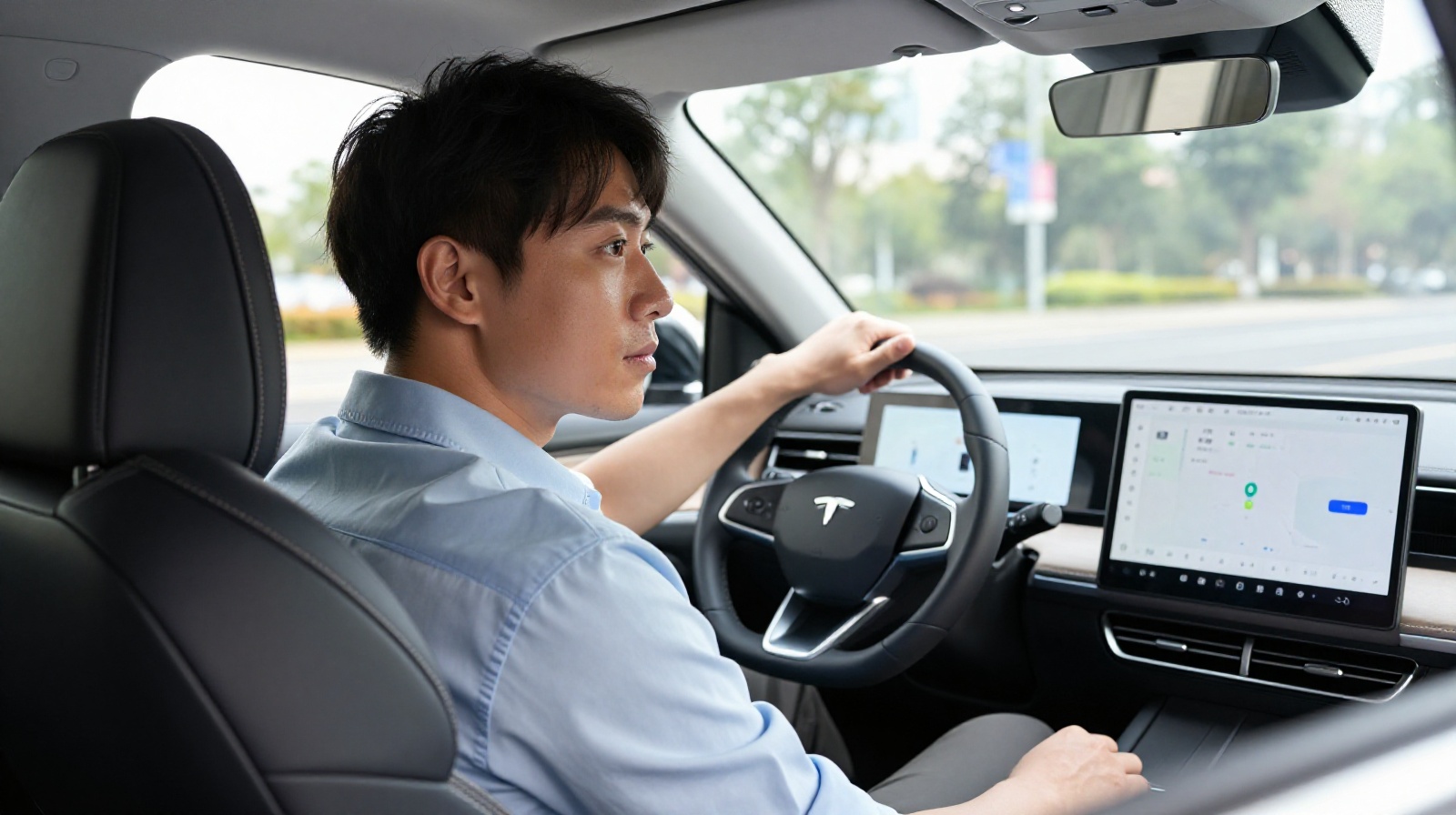
For drivers, the algorithm is both a tool and a taskmaster. It provides clear navigation and steady flow of orders, but it also imposes strict time limits. Drivers are often pressured to meet certain acceptance rates or trip quotas to maintain their ‘rank’ on the platform. A lower rank can mean fewer high-value requests.
This creates a high-pressure environment. Many drivers spend 10-12 hours a day behind the wheel, navigating not just city streets but also the digital pressures of the app. They must balance the need for speed with the physical reality of fatigue and traffic laws.
The Passenger’s Benefit
Conversely, passengers benefit from unprecedented safety features. Every trip is recorded. GPS tracks the route in real-time, allowing friends or family to share the journey status. If a driver deviates significantly from the assigned path, the app may alert the user or authorities. This transparency has reduced incidents of crime and fraud compared to traditional unregulated taxis.
The Broader Impact on City Living
Ride-hailing doesn’t exist in a vacuum; it interacts with public transport in complex ways. In cities like Shenzhen or Hangzhou, ride-hailing often serves as the ‘last mile’ connector, bridging the gap between subway stations and final destinations.
Complementing Public Transit
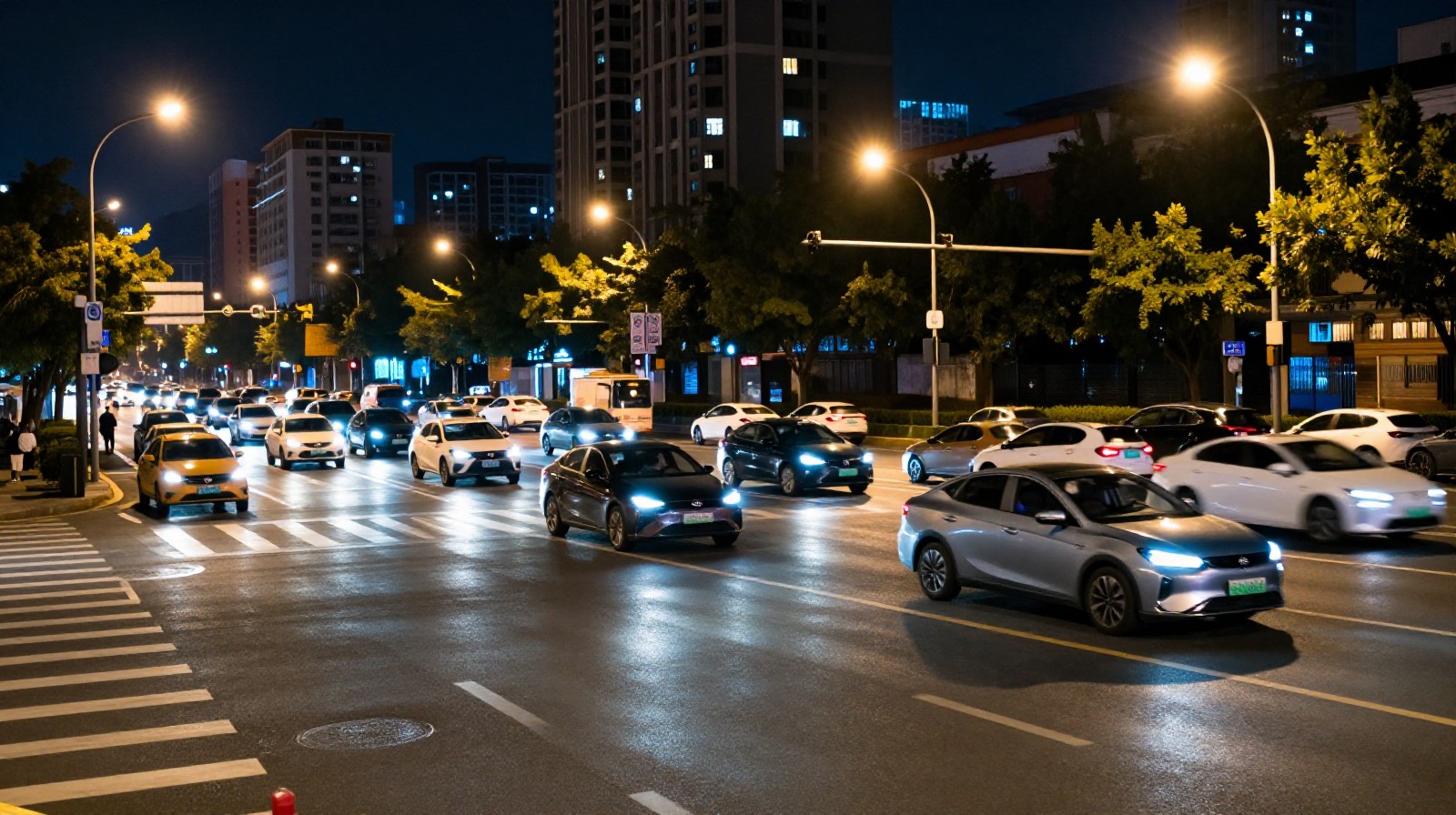
Rather than replacing subways, which remain the backbone of urban mobility due to their low cost and high capacity, ride-hailing fills the gaps. It enables a ‘late-night economy,’ allowing people to dine out or attend events without worrying about getting home via infrequent buses.
Green Initiatives
A significant shift is underway in fleet composition. Chinese cities are aggressively pushing for electric vehicles (EVs). In many tier-1 cities, new ride-hailing cars must be fully electric. This has not only reduced urban noise and emissions but also lowered operating costs for drivers, who pay less for electricity than for gasoline.
Conclusion: A Tool, Not a Magic Wand
The speed of China’s ride-hailing industry is impressive, but it is not without its challenges. Traffic congestion remains a major issue in megacities, and the social welfare of gig workers is an ongoing debate.
However, for the average citizen, the algorithm has simplified life. It removed the uncertainty of waiting, provided transparent pricing, and integrated seamlessly into daily routines. As technology continues to evolve, the focus will likely shift from pure speed to sustainability and fairness. For now, China offers a compelling case study: how digital efficiency can reshape urban living, for better and for worse.