


The Digital Key to Your New Home
I still remember my first day in Shanghai. I stood on a sidewalk, phone in hand, staring at a map that felt more like a puzzle than a guide. In the West, you might walk into an estate agent’s office or browse Zillow. Here, the search begins—and often ends—on your screen. For millions of young professionals moving to cities like Beijing, Shenzhen, or Chengdu, renting isn’t just about finding walls and a roof; it’s about navigating a complex digital ecosystem that dictates where you live, how much you pay, and who holds the keys.
It can feel overwhelming. The interfaces are dense with information, written in rapid-fire Chinese slang, and filled with photos that look too perfect to be true. But once you understand the logic behind these apps, renting in China becomes less of a gamble and more of a strategic hunt. It is a process that blends ancient hospitality with modern algorithmic precision.
Know Your Platforms: The Big Three
The Chinese rental market is fragmented across several major platforms. Knowing which one to use depends on your priority: convenience, price, or authenticity.
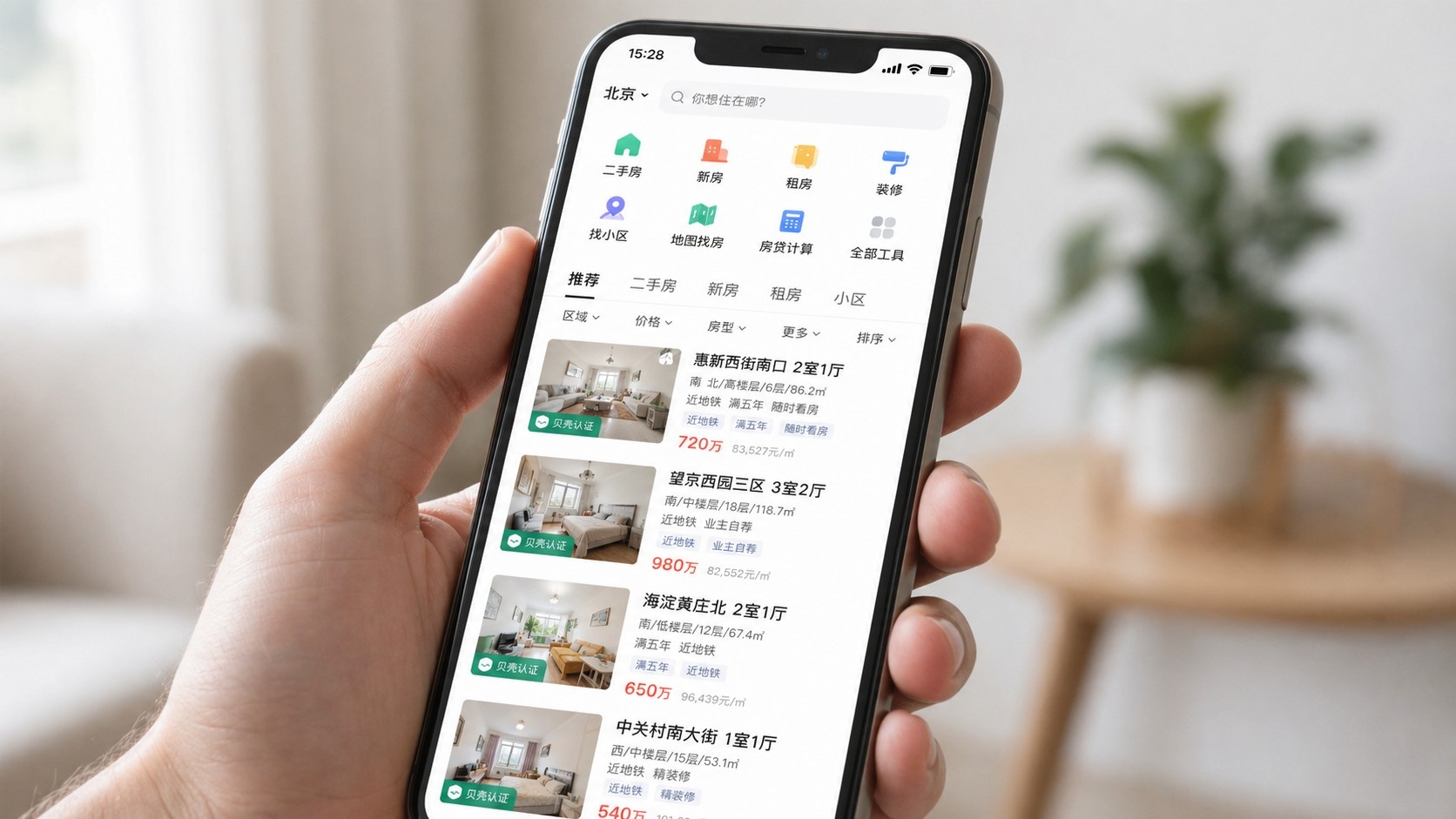
Beike (Ke.com): The Verified Route
If you value accuracy and safety above all else, start with Beike. It is the largest real estate information platform in China, operating similarly to Zillow but with a much stricter verification process. Almost every listing on Beike is “real,” meaning the photo matches the actual apartment.
Beike uses an algorithm called Lianjia (linked housing) that tracks historical transaction data. You can see exactly how much similar apartments in that building rented for last month. This transparency is rare in other markets. The downside? It’s expensive. Agents charge a full month’s rent as a fee, and the prices are rarely negotiable.
58 Tongcheng & Ganji: The Bargain Hunter’s Paradise
These two platforms merged years ago and dominate the mass market. They are similar to Craigslist or Facebook Marketplace but on a much larger scale. Here, you will find the cheapest deals, including sublets from students leaving for internships.
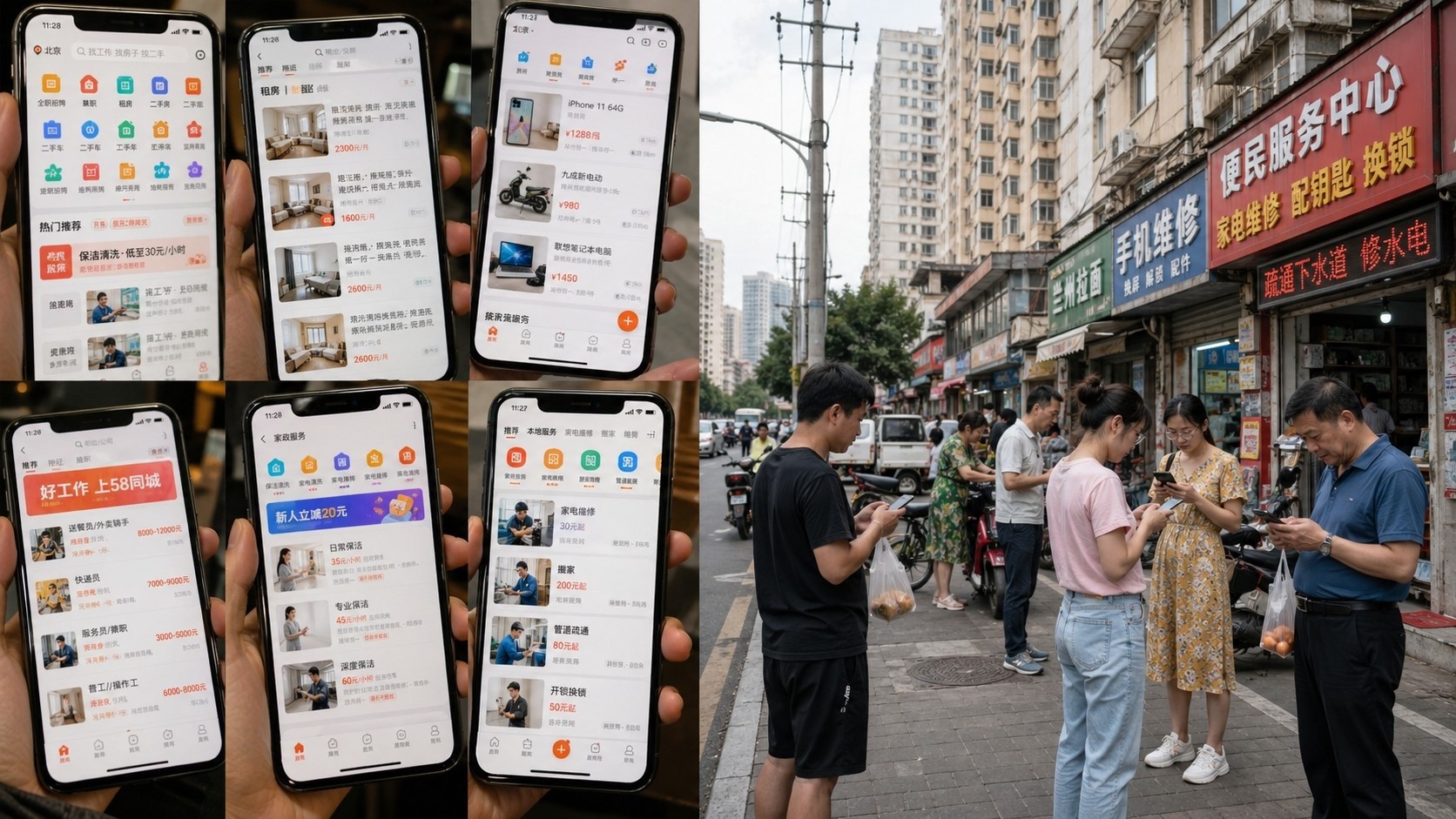
However, proceed with caution. Because anyone can post, fraud is common. You might see a stunning apartment for half the market rate—it’s likely a “bait” listing designed to get your phone number so an agent can sell you something else. If you use these apps, treat every deal that seems too good to be true as exactly that.
Xianyu: The Social Rental Hub
Owned by Alibaba, Xianyu is primarily a second-hand goods marketplace, but it has become the go-to spot for direct landlord-tenant connections. This is where you find “no agency fee” rentals. You are chatting directly with people who want to sublet their spare room or move out before their lease ends.
Decoding the Language of Listings
To navigate these apps, you need a quick dictionary of Chinese rental slang. These terms appear in titles and descriptions constantly:
- Qianjiang (前 jan):** “Move-in now.” This doesn’t necessarily mean empty. It means the previous tenant has left, and it’s ready for you.
- Nongzi (农字): Literally “grassroots,” this often refers to apartments in buildings constructed on collective rural land. These are usually cheaper but have different legal protections than commercial housing.
- Huoshan (火山): A slang term for high-rise apartment complexes that look like volcanoes due to their unique architecture, or simply large-scale residential compounds with many shared amenities.
The “Mystery Box” of Shared Housing
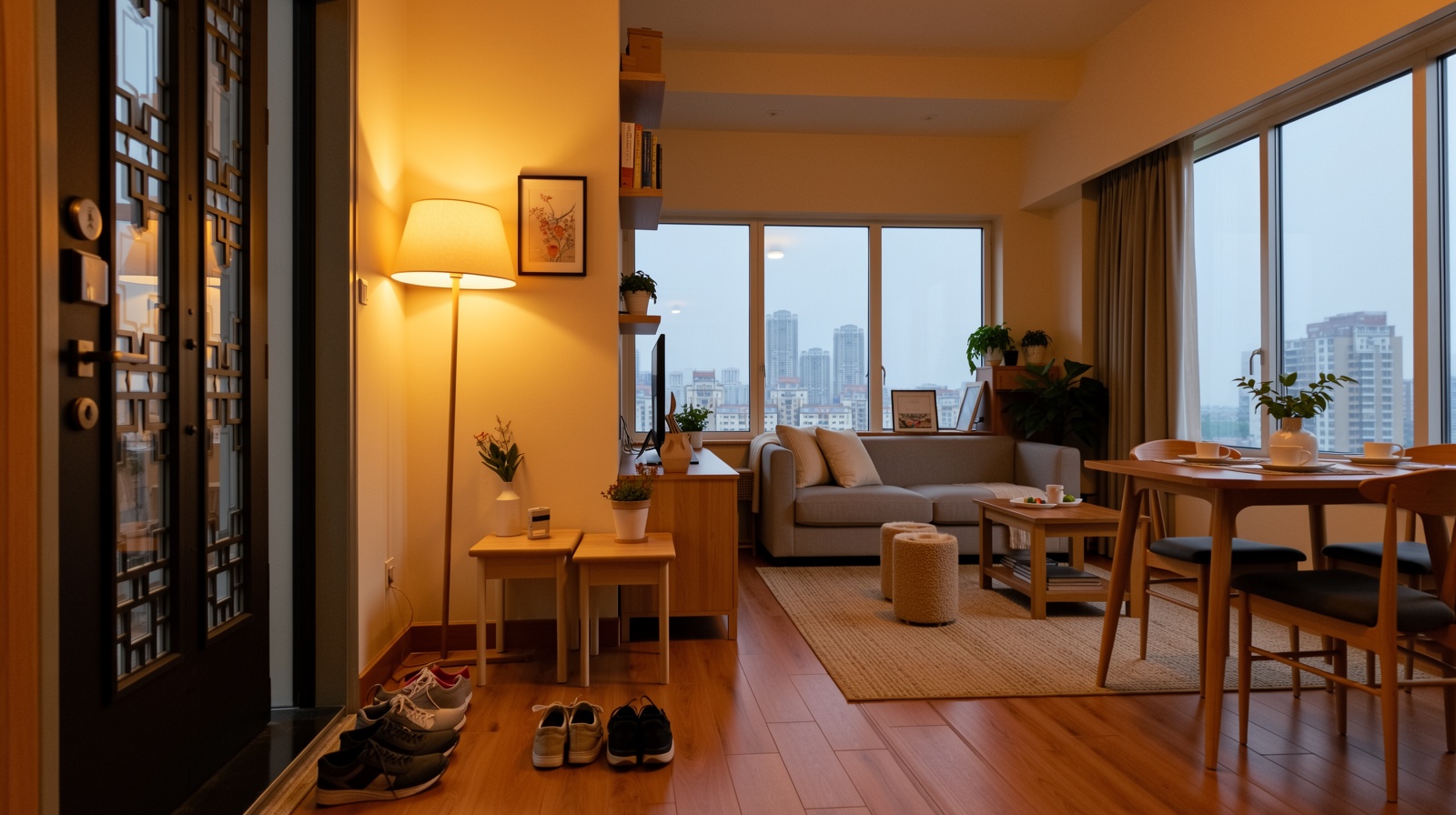
In China’s tier-1 cities, space is a luxury. It is common for young professionals to rent a single room in a three-bedroom apartment, sharing the kitchen and living room with strangers. This is called hezu (shared rental).
When browsing shared apartments on apps, look closely at the photos of the common areas. Are there multiple sets of toothbrushes in the bathroom? Is the kitchen cluttered? These details tell you more about your future roommates than any profile bio. On Xianyu, check the seller’s reputation score (often called “Zhima Credit” or Sesame Credit). A high credit score is a good indicator that they are a real person with a history of reliable transactions.
Visiting in Person: The Non-Negotiable Rule
No matter how convincing the photos, never rent without seeing the apartment. In China, “virtual tours” are becoming more common via video calls, but they can be manipulated with wide-angle lenses and lighting tricks.
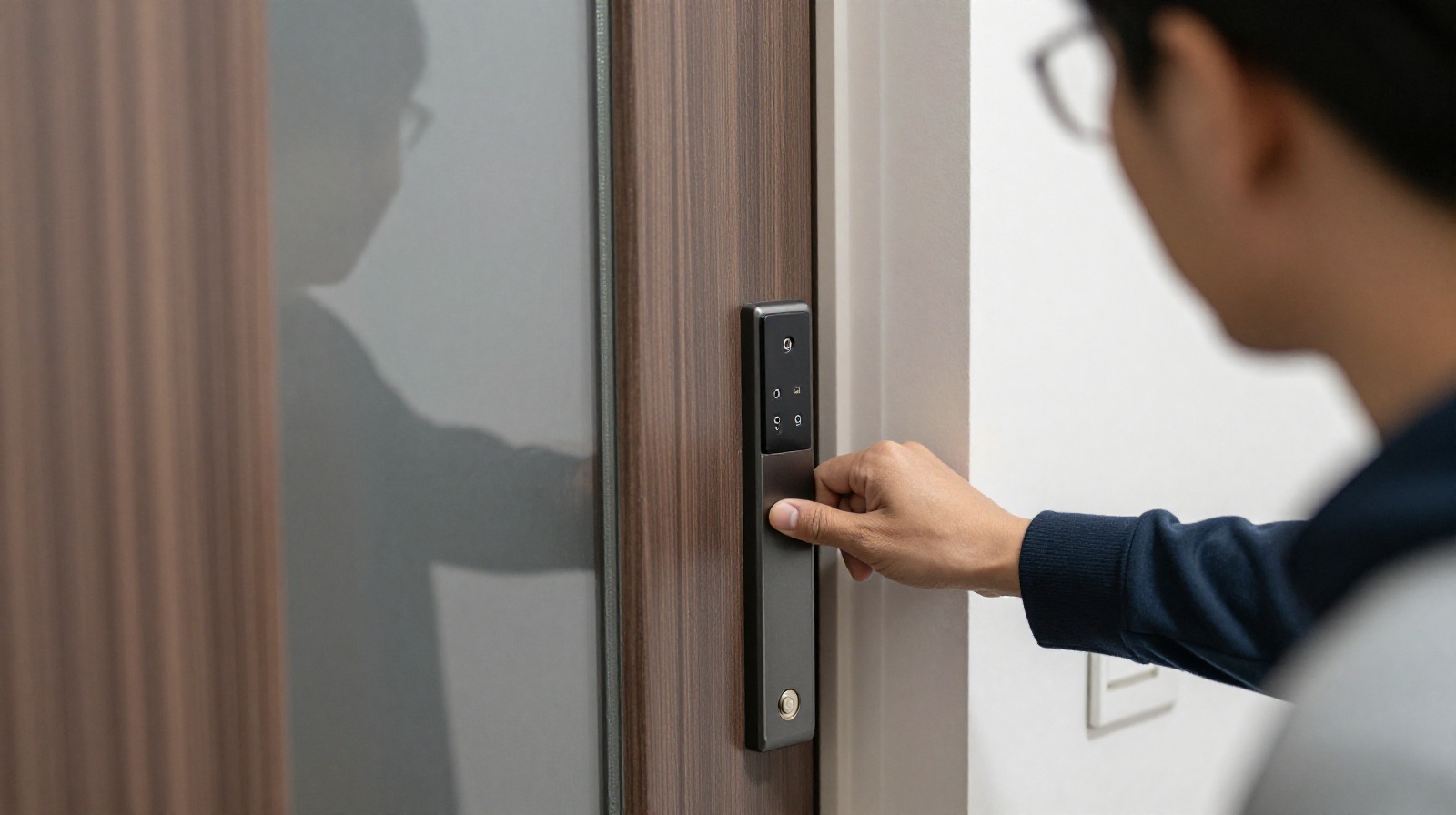
When you visit, check three things: water pressure in the shower, soundproofing between walls (tap on them), and the quality of the lock. Many older compounds use simple mechanical locks that are easy to pick. If security is a concern, ask if electronic smart locks can be installed—they are affordable and widely available.
Conclusion: Your Home Awaits
Finding a rental in China is a mix of digital sleuthing and human connection. The apps are tools, not masters. Use Beike for safety, Xianyu for savings, and 58 Tongcheng for volume—but always verify with your eyes. Once you sign the contract, you aren’t just getting an address; you’re unlocking access to the vibrant, fast-paced life that defines modern Chinese cities.