

The ‘Instant’ Expectation
It is 12:05 PM in Beijing. A young office worker, Li Wei, opens his phone and selects a chicken rice bowl from a local restaurant three kilometers away. He taps pay, and the app confirms delivery in 28 minutes. By 12:35 PM, the doorbell rings. The food is still steaming.
In many Western countries, such speed is often viewed with skepticism or logistical impossibility. In the United States, a typical takeout order might involve a 45-minute wait at the counter or a 90-minute delivery window via third-party apps. Yet in major Chinese cities like Shanghai, Shenzhen, and Chengdu, this seamless exchange happens millions of times a day. It is not merely a convenience; it has become an invisible utility, as essential to urban life as electricity or water.
The Human Engine: The Delivery Rider Ecosystem
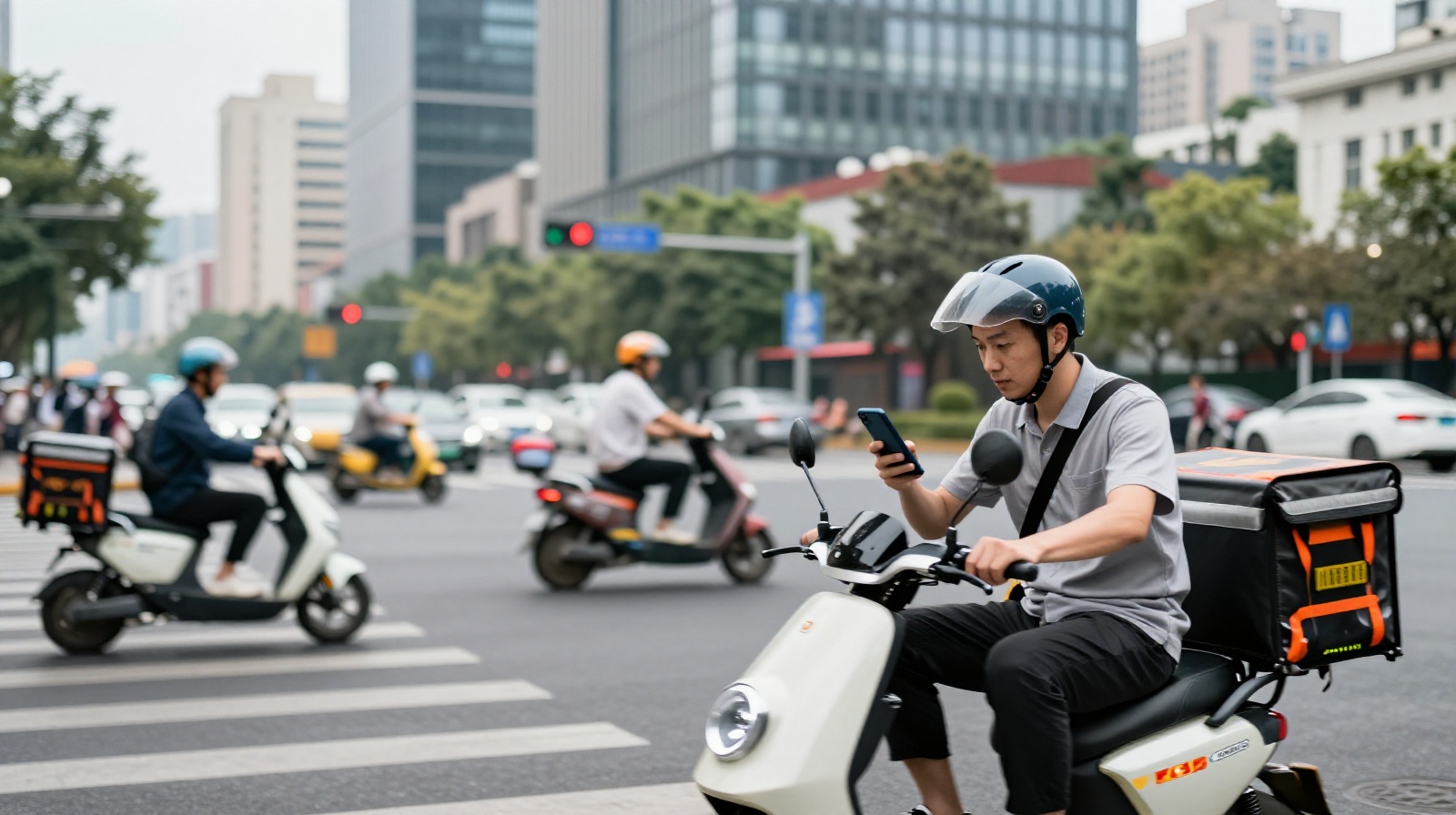
Behind every digital notification is a physical human being navigating the city’s veins. There are over 10 million delivery riders in China today, forming one of the largest flexible labor forces in the world.
To understand this system, you must see it from the street level. A rider does not just follow a map; they interpret the city. They know which alleyways allow scooter passage during rush hour, which building entrances are open to outsiders, and how to bypass traffic lights without breaking local regulations. This requires an intimate, almost instinctual knowledge of urban geography.
The narrative around these workers is complex. On one hand, they face immense pressure from algorithmic time limits, often racing against the clock in extreme weather conditions. On the other hand, this sector provides crucial income mobility for millions who have transitioned from rural areas or traditional industries. They are not just couriers; they are a vital social safety net and the backbone of China’s gig economy.
Tech Meets Street: From Algorithm to Alleyways
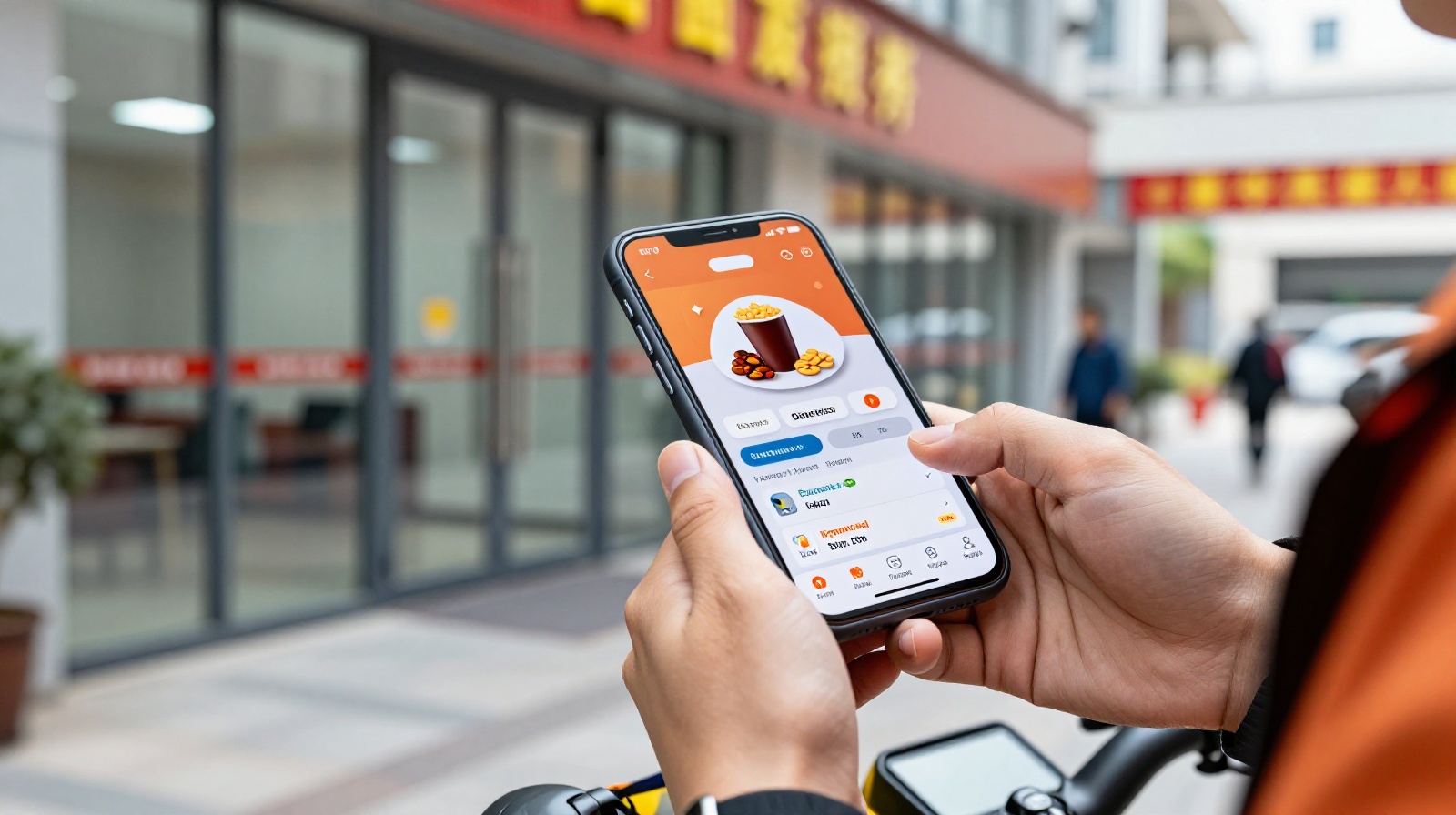
The speed is not accidental. It is the result of sophisticated technology meeting dense physical infrastructure. When Li Wei ordered his lunch, an AI routing system immediately calculated the optimal path. This is not a simple point-to-point line on a map. The algorithm accounts for real-time traffic data, weather conditions, predicted kitchen prep times, and even the elevator wait time in high-rise buildings.
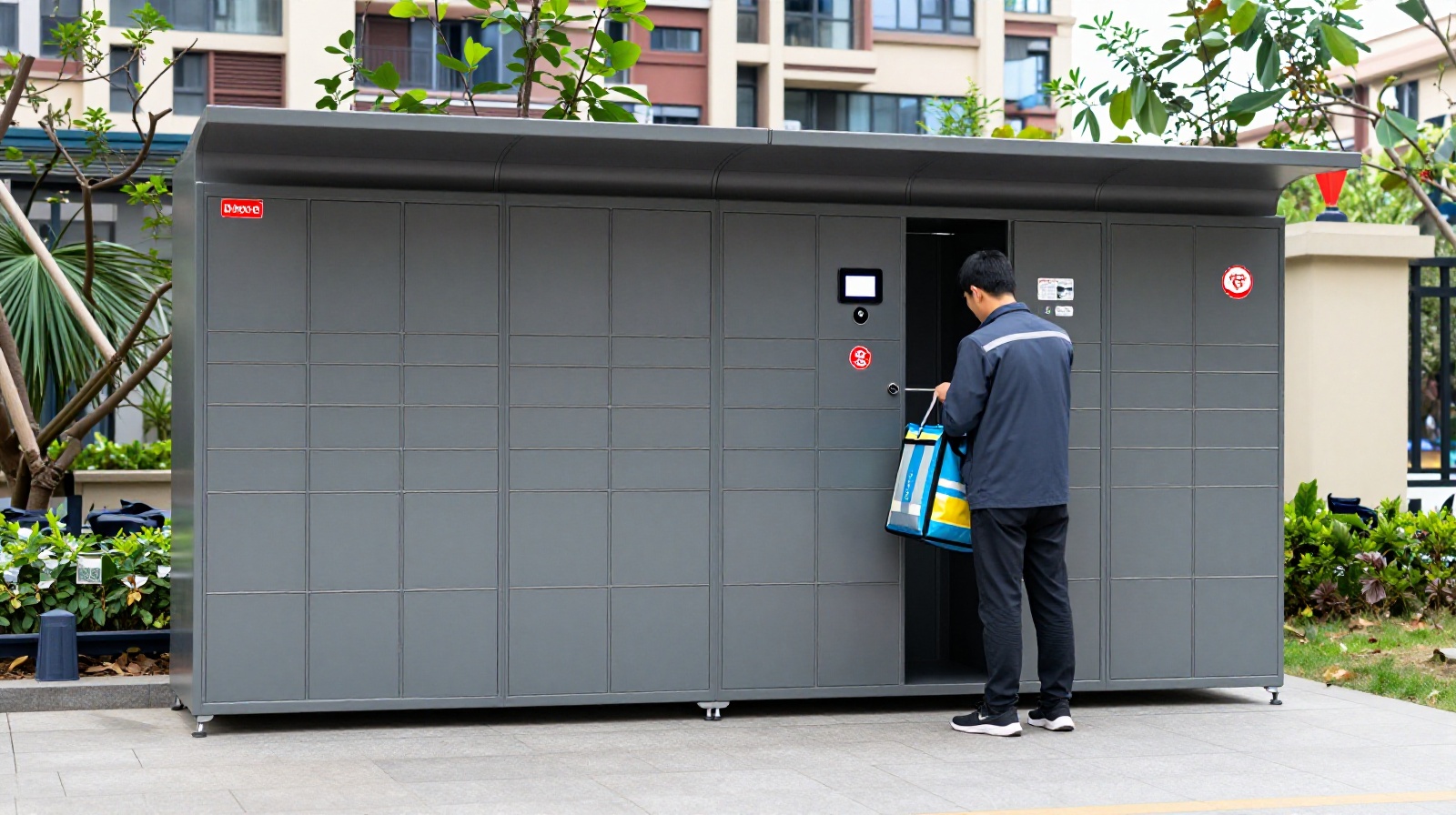
Furthermore, the ‘last 100 meters’ of delivery has been solved through community innovation. In many residential compounds, you will find smart lockers or designated pickup stations managed by property security. This allows riders to drop off dozens of orders in a single stop, maximizing efficiency. It is a hybrid model where digital precision meets physical convenience.
A New Social Contract: Convenience vs. Privacy
This ultra-fast delivery culture has reshaped urban social habits. For many young professionals living in compact apartments or working long hours in open-plan offices, cooking and dining out are often impractical. Food delivery offers a solution that balances cost, time, and variety.
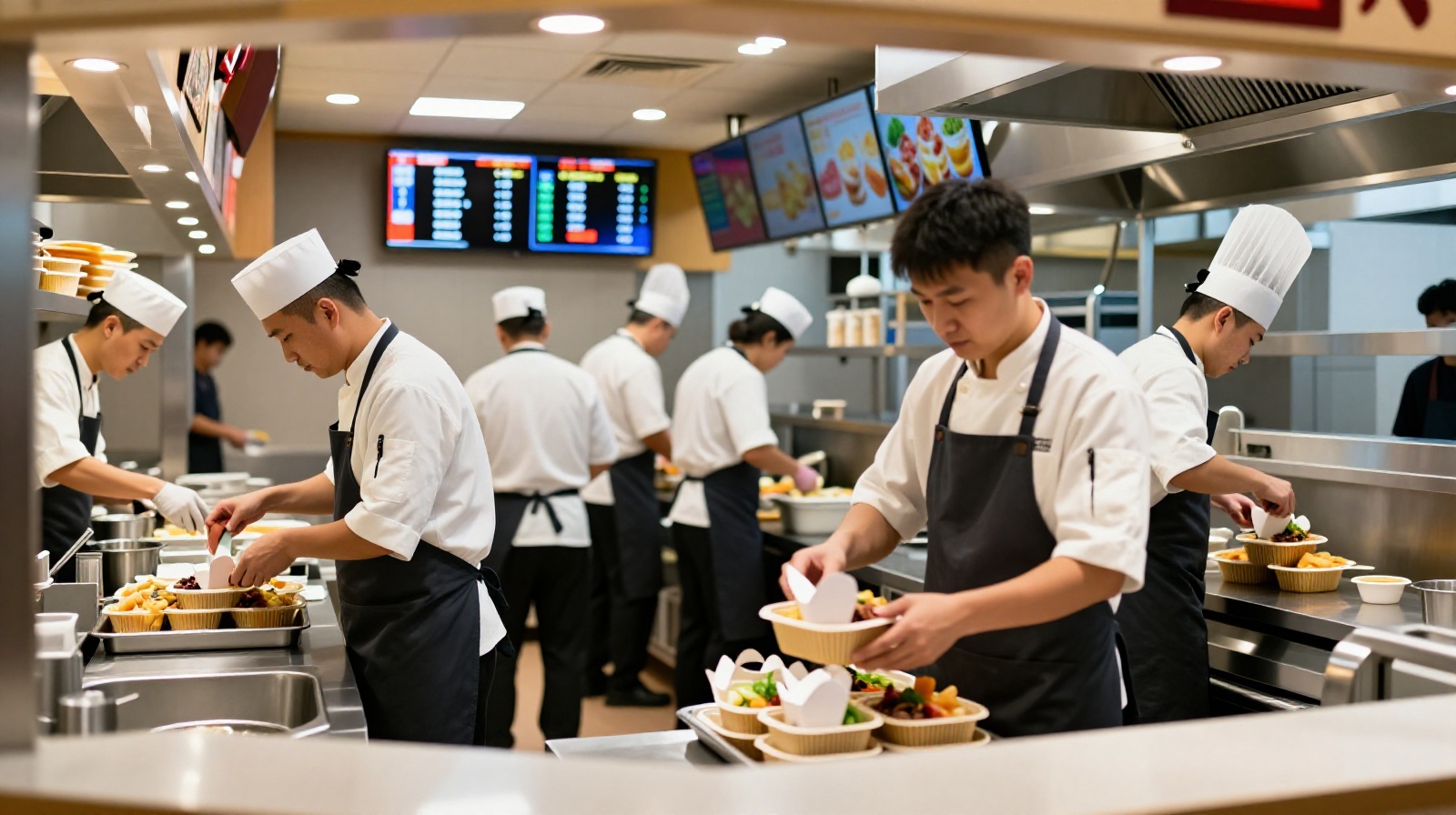
However, this convenience comes with trade-offs. The sheer volume of orders has transformed restaurant business models, pushing chefs to prepare food for takeout before customers even sit down. In neighborhoods, the constant stream of scooters can be noisy, and the accumulation of packaging waste is a growing environmental concern.
It’s Not Just Speed, It’s Infrastructure
If you view China’s food delivery system solely as a tech triumph, you miss the bigger picture. The speed is made possible by a unique convergence of factors: high-density urban planning that keeps distances short, widespread adoption of mobile payments, and a highly flexible labor market.
For an outsider, this might seem like magic. But for those living in Chinese cities, it is simply how life works today. The delivery rider ringing the doorbell is not just delivering dinner; they are connecting the digital economy to the physical world, one hot meal at a time.