


Introduction: An Accidental Recommendation
It started on a lazy Sunday afternoon in a Beijing café. A Chinese friend saw me scrolling through my phone, bored, and asked, “Have you ever tried xianxia or xiuzhen novels?” I shrugged. I knew Chinese web novels existed—I’d heard about the epic Three-Body Problem—but cultivation stories? They sounded like a strange mix of martial arts and Taoist alchemy. “Just read the first chapter,” he insisted, and sent me a link. That single click pulled me into a rabbit hole I haven’t climbed out of for over a year.
From Skepticism to Obsession: What Makes Cultivation Novels So Addictive?
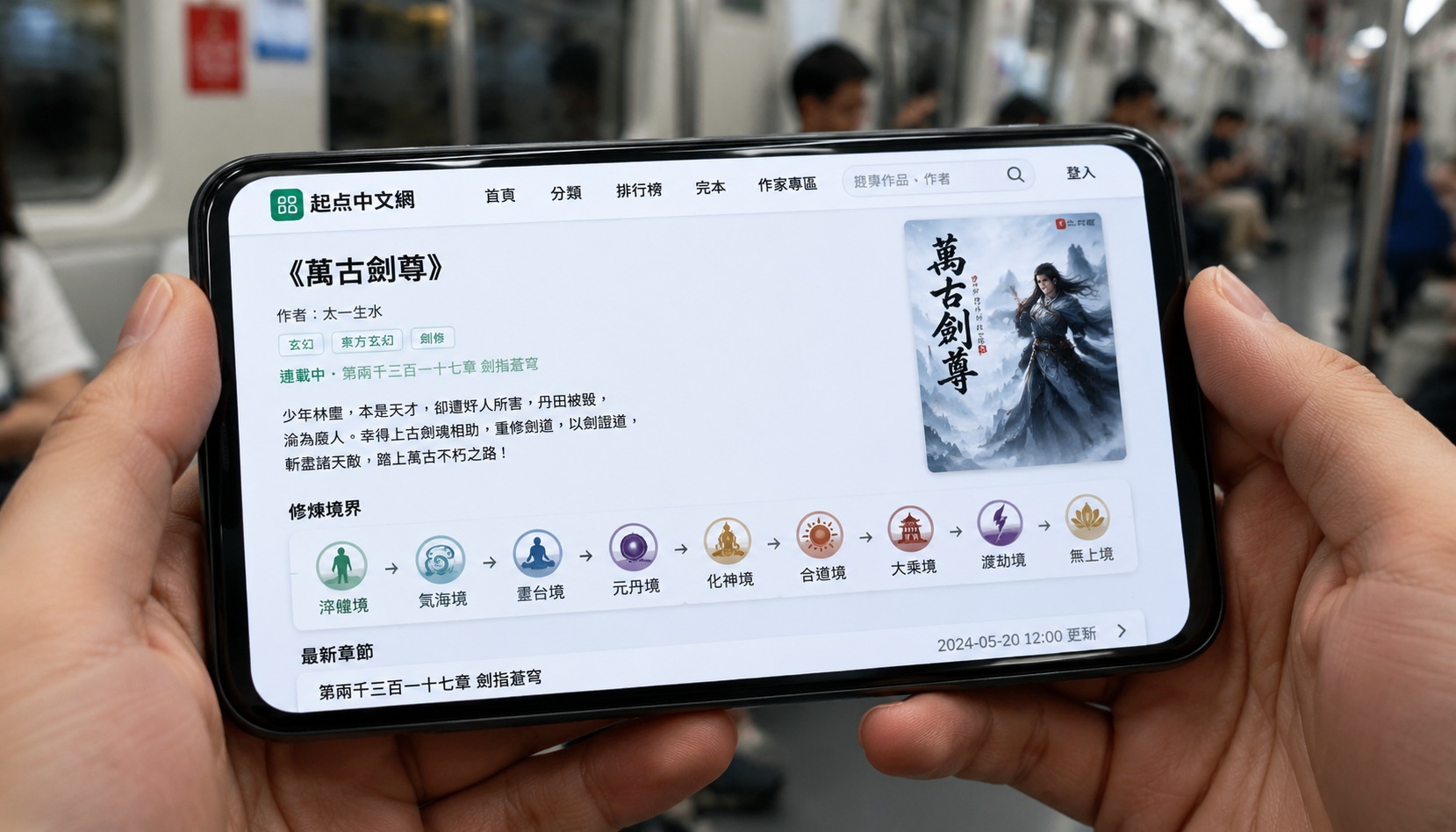
My first reaction was confusion. The protagonist, a young man with no special talent, gets humiliated, then discovers a mysterious manual in a cave. He starts meditating, absorbing “spiritual energy,” breaking through “realms”—Qi Gathering, Foundation Establishment, Core Formation. I had to keep Googling terms. But by chapter 10, I was hooked. The formula may sound familiar—underdog rises, faces betrayal, gains power—but the sheer scale and inventiveness are breathtaking. Each novel runs for thousands of chapters, with endless subplots and world-building. It’s like binge-watching a TV series that never ends, and Chinese platforms like Qidian (起点) and Zongheng (纵横) deliver new chapters daily, keeping readers addicted.
What struck me is how these novels blend ancient mythology with modern storytelling. Characters fly on swords, fight dragons, and brew immortality pills, yet they also face corporate-like sect politics and bureaucratic exams. It’s a wild fusion that somehow feels both timeless and utterly contemporary.
The China Hidden in Cultivation Worlds: Culture, Values, Modernity
Reading xiuzhen has been like taking a crash course in Chinese culture. Concepts like dao (the Way), yin-yang, and qi are not just abstract ideas; they shape the power systems. The importance of shifu (master) and menpai (school) mirrors real-world Confucian hierarchies. The constant pursuit of immortality reflects a deep cultural desire for legacy and self-improvement. But the novels also show modern China. Many heroes are pragmatic, cynical about authority—a tone that resonates with young Chinese readers navigating a hyper-competitive society. I’ve seen debates in comment sections about whether the protagonists are “right” to betray sects for personal gain. These stories are a mirror of China’s own tensions between tradition and change.
From Page to Screen: How Young Chinese Consume Web Novels
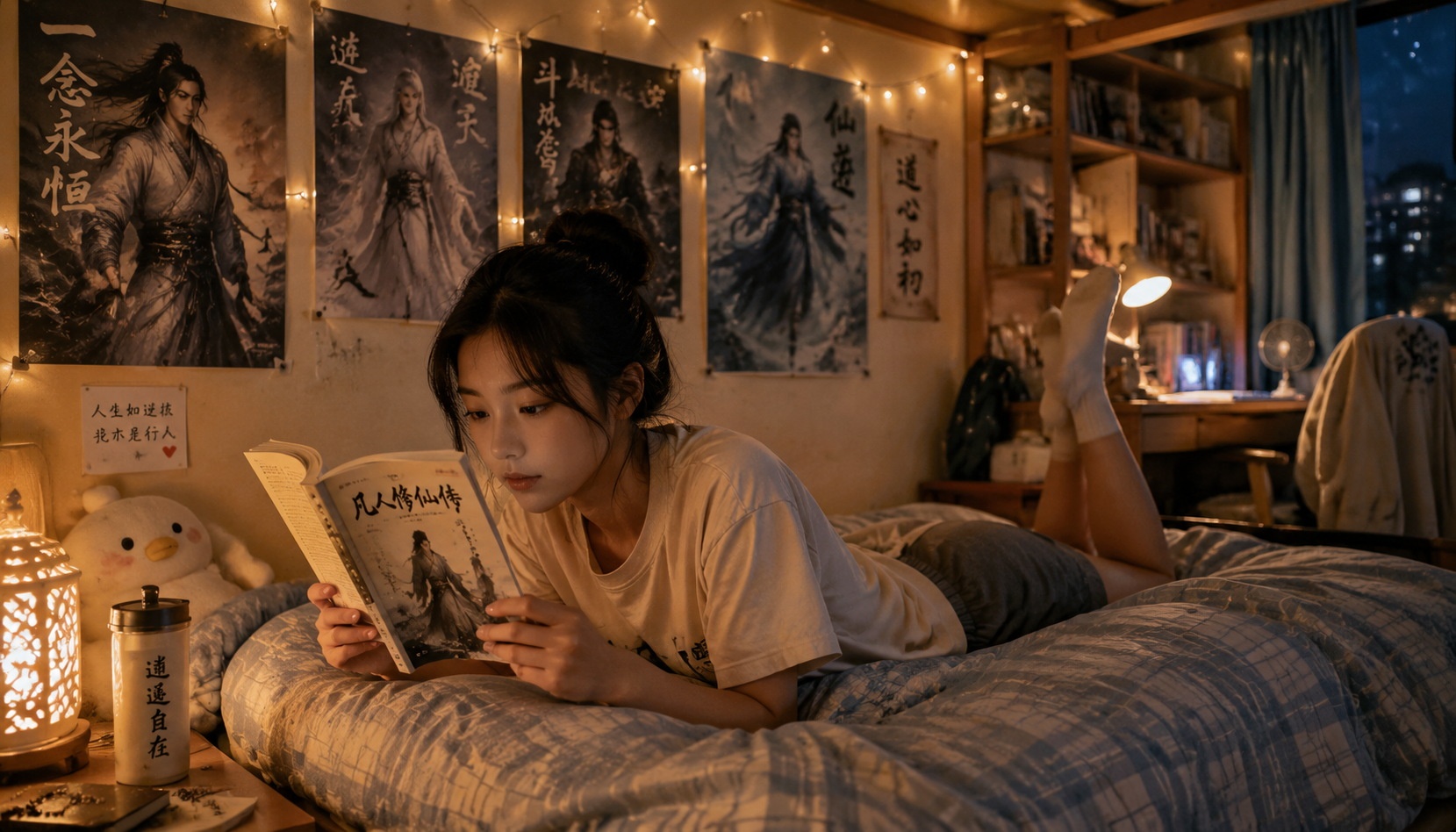
My friend explained the ecosystem. Most readers are in their 20s and 30s, reading on phones during commutes or before sleep. Many use apps like Qidian or iReader, where they pay per chapter (a few cents each) or unlock with daily ads. Popular novels spawn audio dramas, manhua (comics), and live-action series. I’ve started watching Joy of Life (Qing Yu Nian) and The Founder of Diabolism (Mo Dao Zu Shi)—both adaptations of web novels. The industry is massive: the Chinese web literature market was worth over $6 billion in 2023, with millions of writers competing for attention.
What surprised me was how interactive it is. Authors write with real-time feedback from readers, sometimes changing plotlines based on comments. I’ve even left comments (in my broken Chinese) and gotten replies from the author. It feels like being part of a living story.
Conclusion: Cultivation Novels as a Window into China
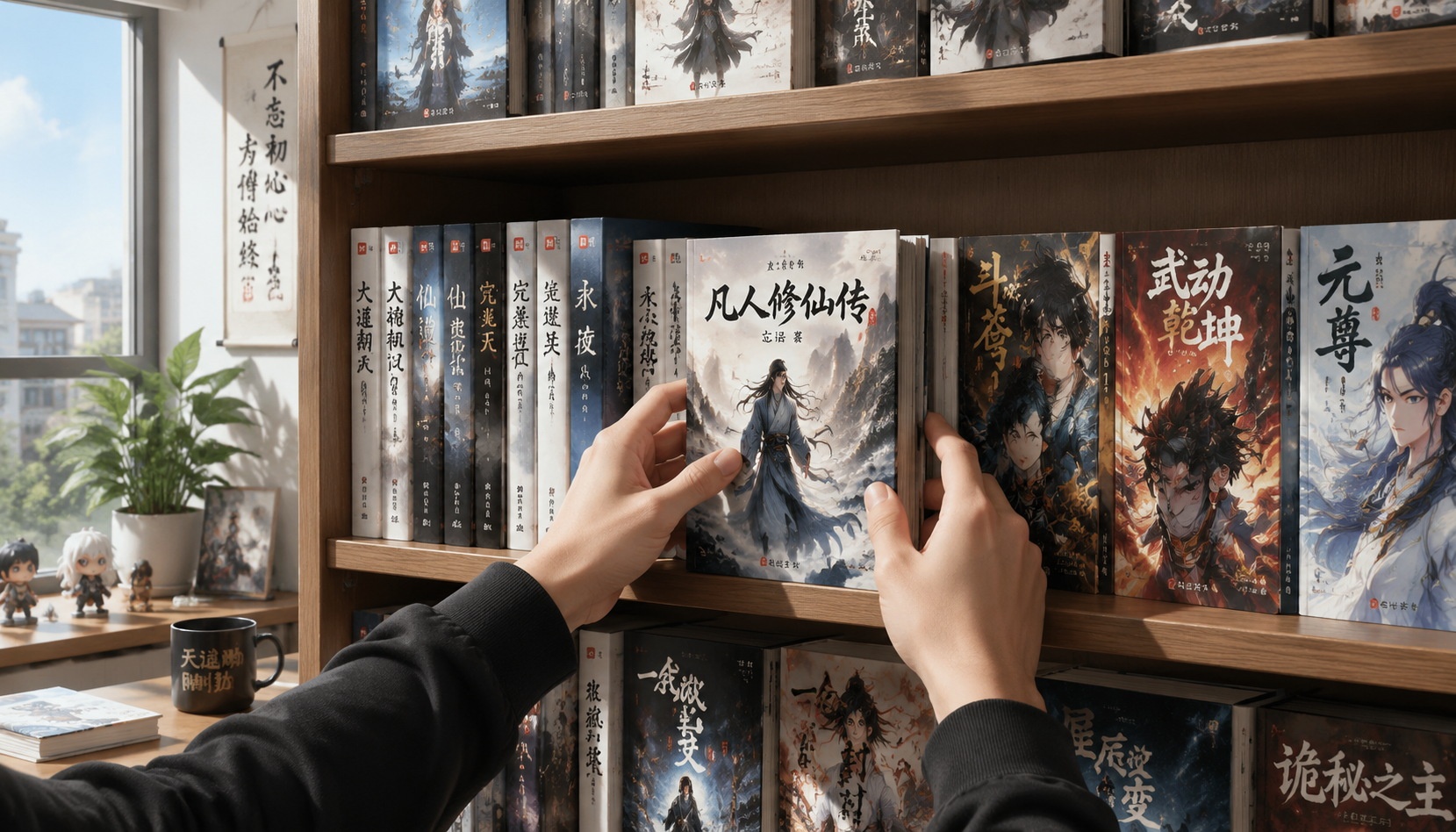
One year in, I’ve finished seven cultivation series (each over 2,000 chapters) and started three more. I’m still terrible at distinguishing all the realms, but I’ve gained a deeper appreciation for Chinese creativity and storytelling. These novels are not just escapist fantasies; they’re a lens through which millions of Chinese people process their ambitions, anxieties, and dreams. The next time someone asks me what China is really like, I might not point to a news headline—I’ll recommend a cultivation novel.
Start the discussion at forum.chinacomes.com