

Introduction: A World That Never Fades
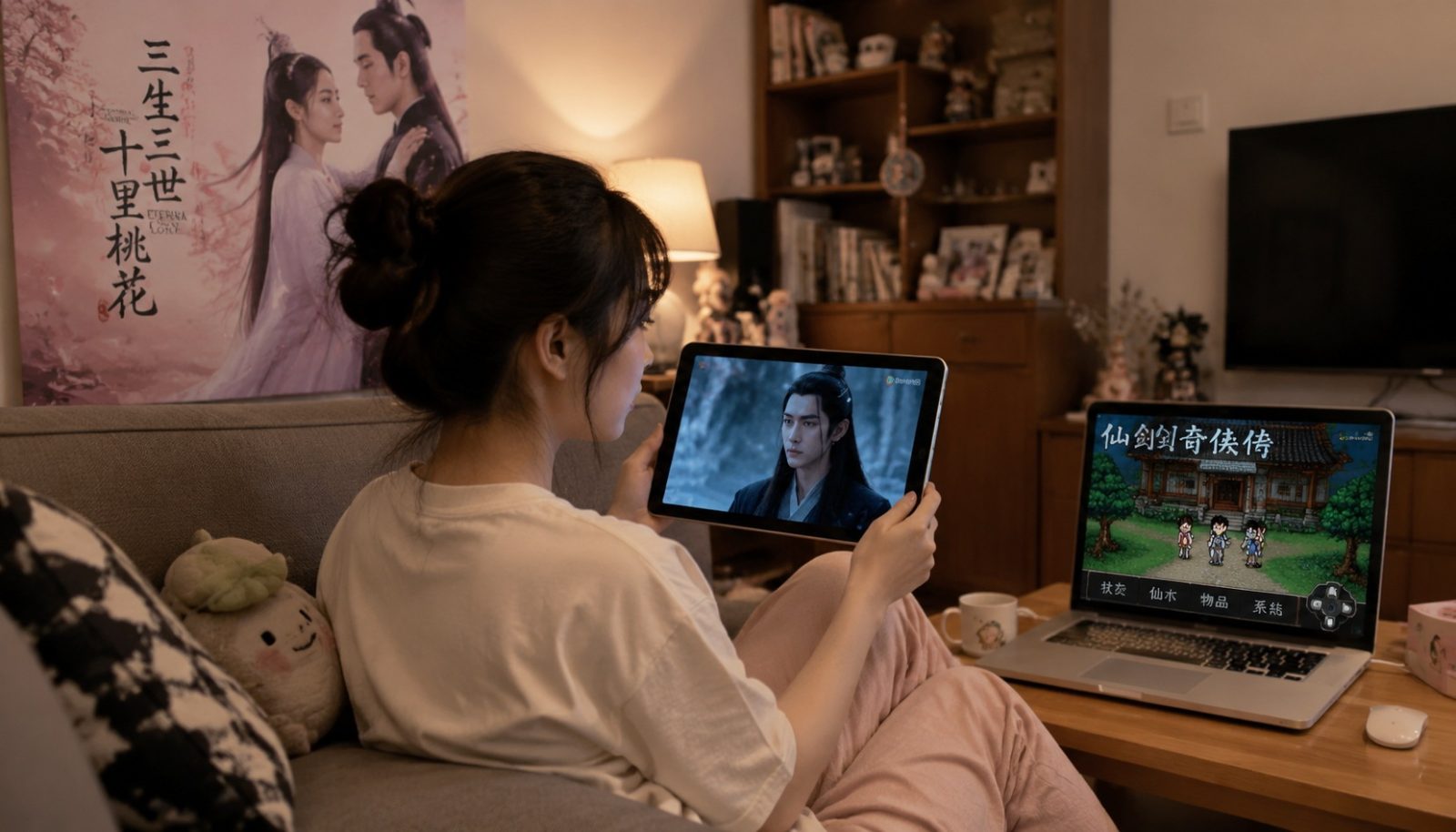
Imagine a weekend in Beijing: a 22-year-old student, Li Wei, finishes his online class and opens Steam. He launches the 1995 classic Chinese Paladin (仙剑奇侠传) – pixel art, turn‑based combat, a story about a young innkeeper who discovers he’s the reincarnation of a hero. On his phone, his girlfriend is watching the latest episode of Eternal Love (三生三世十里桃花), a TV series about a fox goddess and her mortal romance spanning three lifetimes. Same genre, 25 years apart – both xianxia (仙侠), or “immortal heroes.”
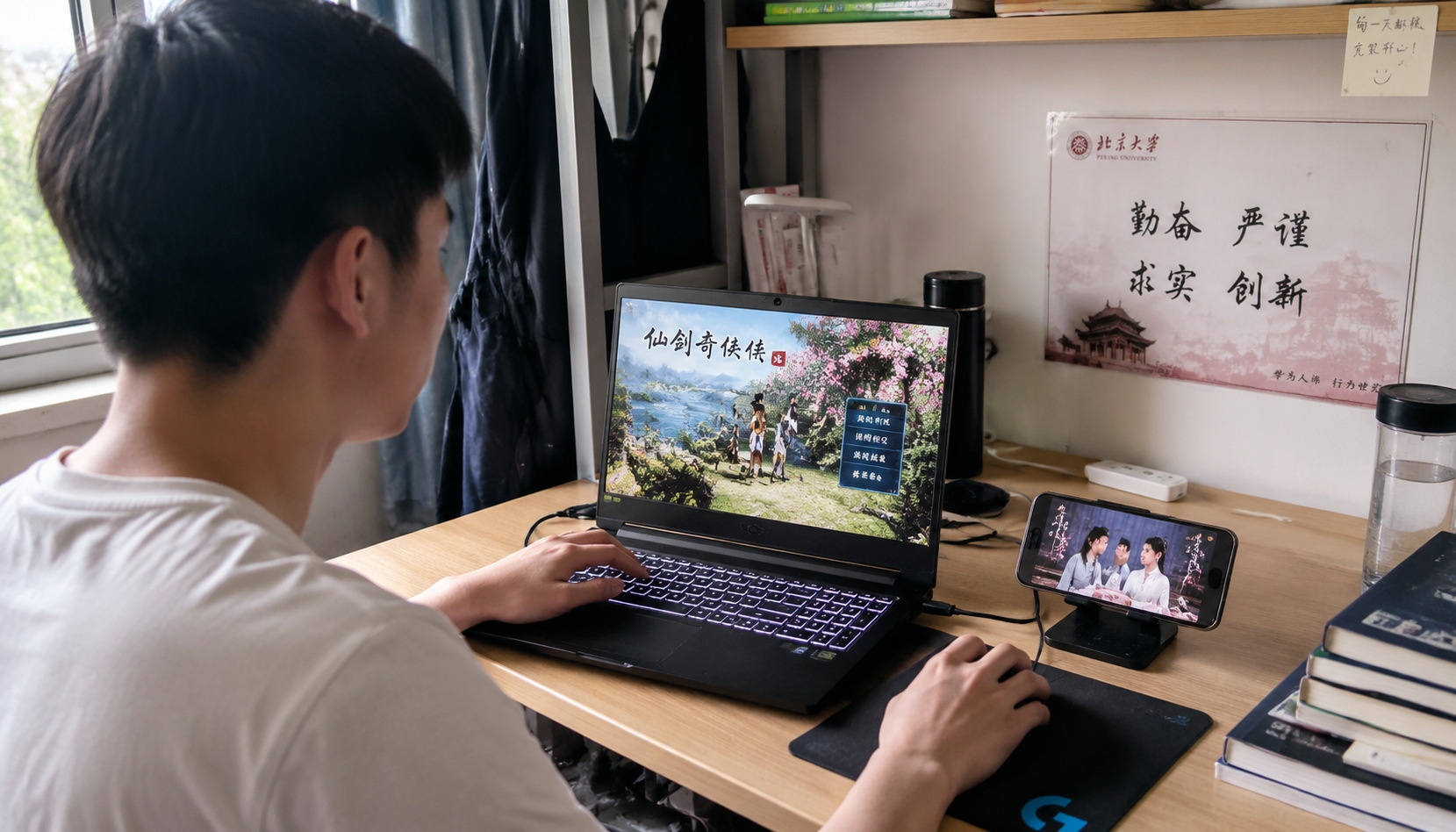
This is no niche nostalgia. Xianxia IPs have become a cultural engine in China, fueling games, novels, TV series, films, and even theme park attractions. But why do these tales of cultivation, flying swords, and celestial courts remain so popular? Let’s break it down.
The Core Appeal: Mythology Meets Philosophy
Xianxia draws from three deep wells: ancient Chinese mythology, Daoist philosophy, and the wuxia tradition of chivalry. Unlike Western fantasy (think Tolkien’s elves and wizards), xianxia centers on cultivation – a journey of self‑improvement through meditation, martial arts, and moral choices. Characters progress from mortal to immortal, gaining powers while confronting inner demons.
This framework offers a unique fantasy world that feels both exotic and universal. The struggle to become a better version of oneself resonates across cultures. For many Chinese readers and viewers, it’s a modern metaphor for personal growth and ambition in a competitive society.
Why It Feels Different from Western Fantasy
In a Western epic, a hero might be chosen by prophecy. In xianxia, anyone can start as a nobody and climb the ranks through effort – a meritocratic dream that appeals especially to young people. The world is also more fluid: immortals can fall, gods can sin, and love can cross realms. This flexibility makes for endless storytelling.
Characters and Emotions: Love, Sacrifice, and Ordinary Heroes
What makes xianxia IPs endure is their focus on relatable human emotions wrapped in supernatural settings. Take Chinese Paladin’s protagonist, Li Xiaoyao. He begins as a lazy teenager who only wants to be a hero to impress girls. His journey involves heartbreak, loss, and a decision to sacrifice his own life to save the world. That emotional arc – growth through suffering – is why players still cry over a 30‑year‑old game.
Similarly, Eternal Love’s Bai Qian is not a perfect goddess; she’s impulsive, proud, and makes mistakes. Her romance with the mortal Ye Hua (and later the heaven‑lord) explores themes of fate, forgiveness, and devotion. These stories don’t just show power – they show vulnerability.
For overseas audiences, subtitles or dubbing remove language barriers, but the emotions translate directly. A love that spans three lifetimes is universal. A hero who chooses to die for love – that’s a story anyone can feel.
Visual Evolution: From Pixels to Spectacle
The production quality of xianxia IPs has skyrocketed, attracting new audiences. The original Chinese Paladin game used 320×200 pixel graphics. By 2023, the mobile game Honor of Kings included xianxia‑themed skins with cinematic effects. TV series like Love Between Fairy and Devil (2022) used cutting‑edge CGI to depict flying swords, collapsing palaces, and elemental magic.
This visual upgrade makes the genre more accessible. Young viewers who grew up with Hollywood blockbusters now see Chinese fantasy with comparable spectacle. Streaming platforms like iQiyi and Tencent Video invest heavily in high‑budget adaptations, often releasing them with international subtitles on YouTube or Netflix.
Going Global: Streams, Fans, and Translations
Xianxia IPs have found a global audience through multiple channels:
- Video games: Chinese Paladin and its sequels have been unofficially translated by fans for decades. The series now has official English releases on Steam, drawing praise for its storytelling.
- TV dramas: Eternal Love (2017) became a hit on YouTube with over 5 billion views (including Chinese platforms). International fans created subtitles in English, Spanish, Arabic, and more.
- Novels: Web novels like Coiling Dragon and I Shall Be Sealed have massive followings on platforms like Wuxiaworld, where volunteer translators turn Chinese cultivation fiction into English.
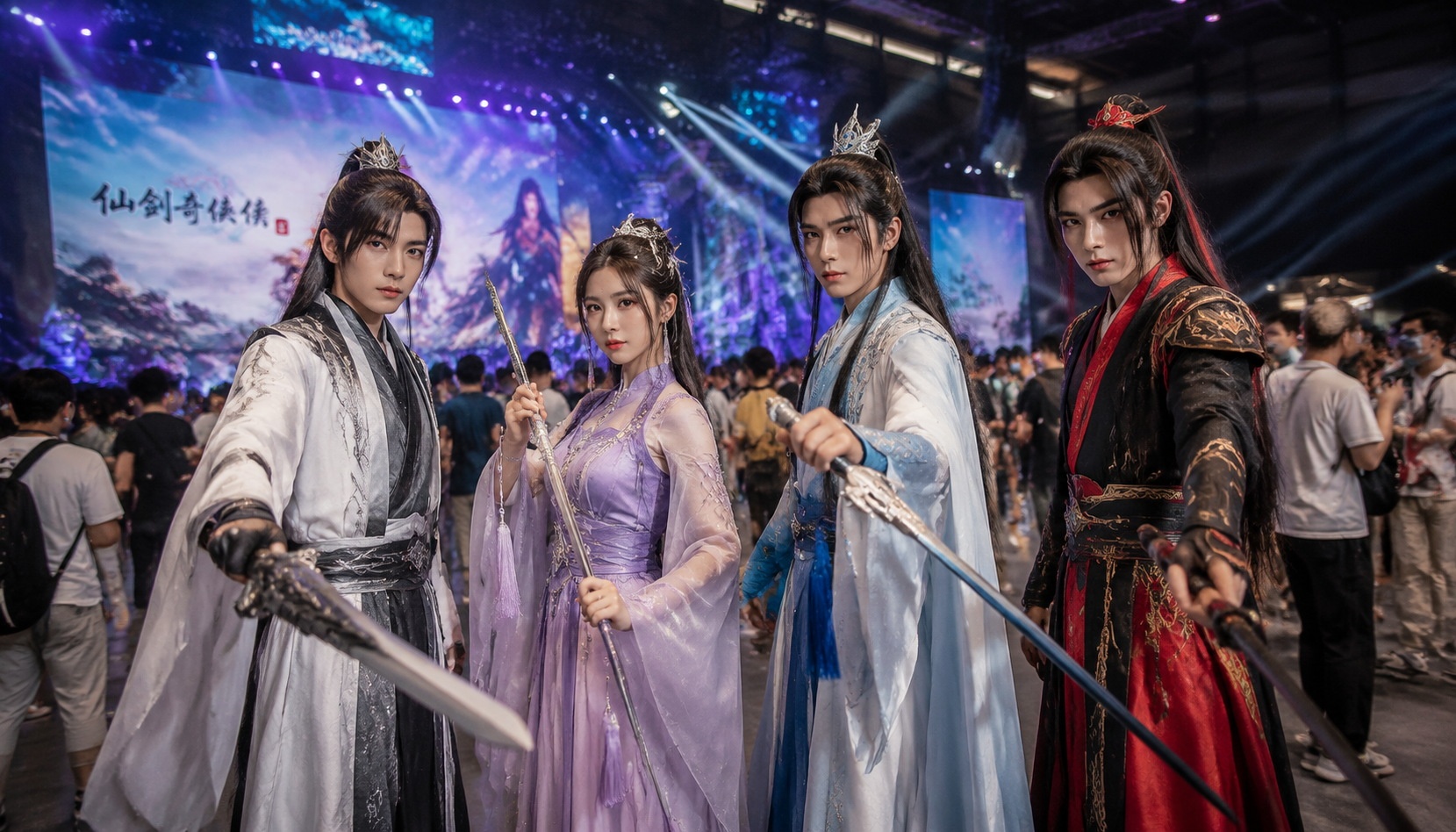
- Fan communities: Reddit’s r/noveltranslations, Discord servers, and Facebook groups host discussions, fan art, and even cosplay. Western fans often draw parallels to Star Wars (the Force is like qi) or Harry Potter (magic schools vs. cultivation sects).
The result: a cross‑cultural conversation. Chinese fans explain qi and dao; Western fans introduce tropes like “litRPG”. This fusion keeps the genre evolving.
Conclusion: More Than a Genre – A Cultural Bridge
Xianxia IPs never get old because they speak to timeless human desires: the wish to master oneself, the thrill of adventure, the pain of love and loss. They package Chinese culture not as a museum piece but as a living, breathing fantasy world that anyone can enter.
So whether it’s Li Wei replaying a 1995 game or a fan in Brazil binge‑watching Eternal Love, the magic works the same. The swords still fly. The hearts still break. And the stories keep going.