

Introduction: A Question That Strikes at the Heart of Culture
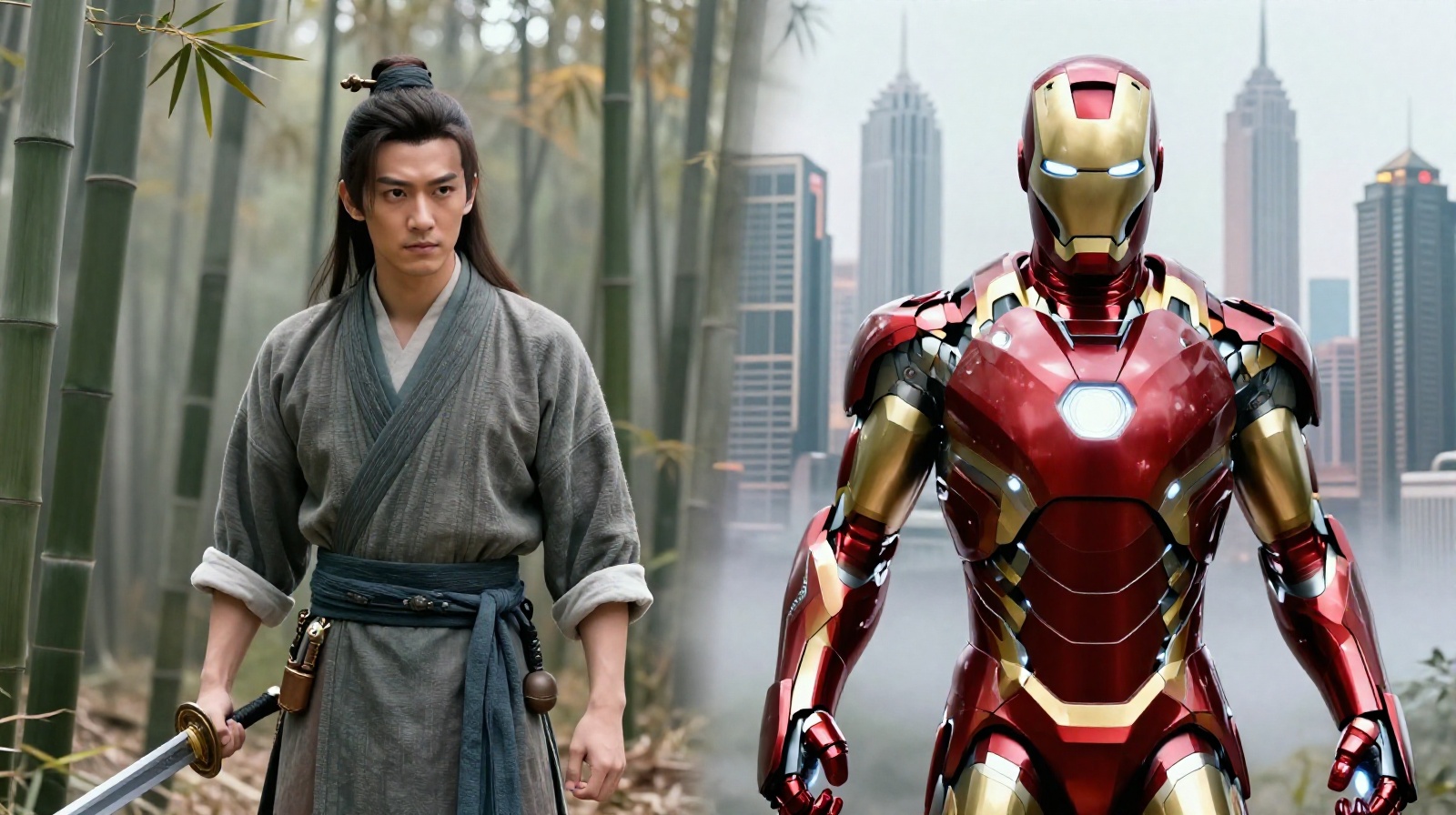
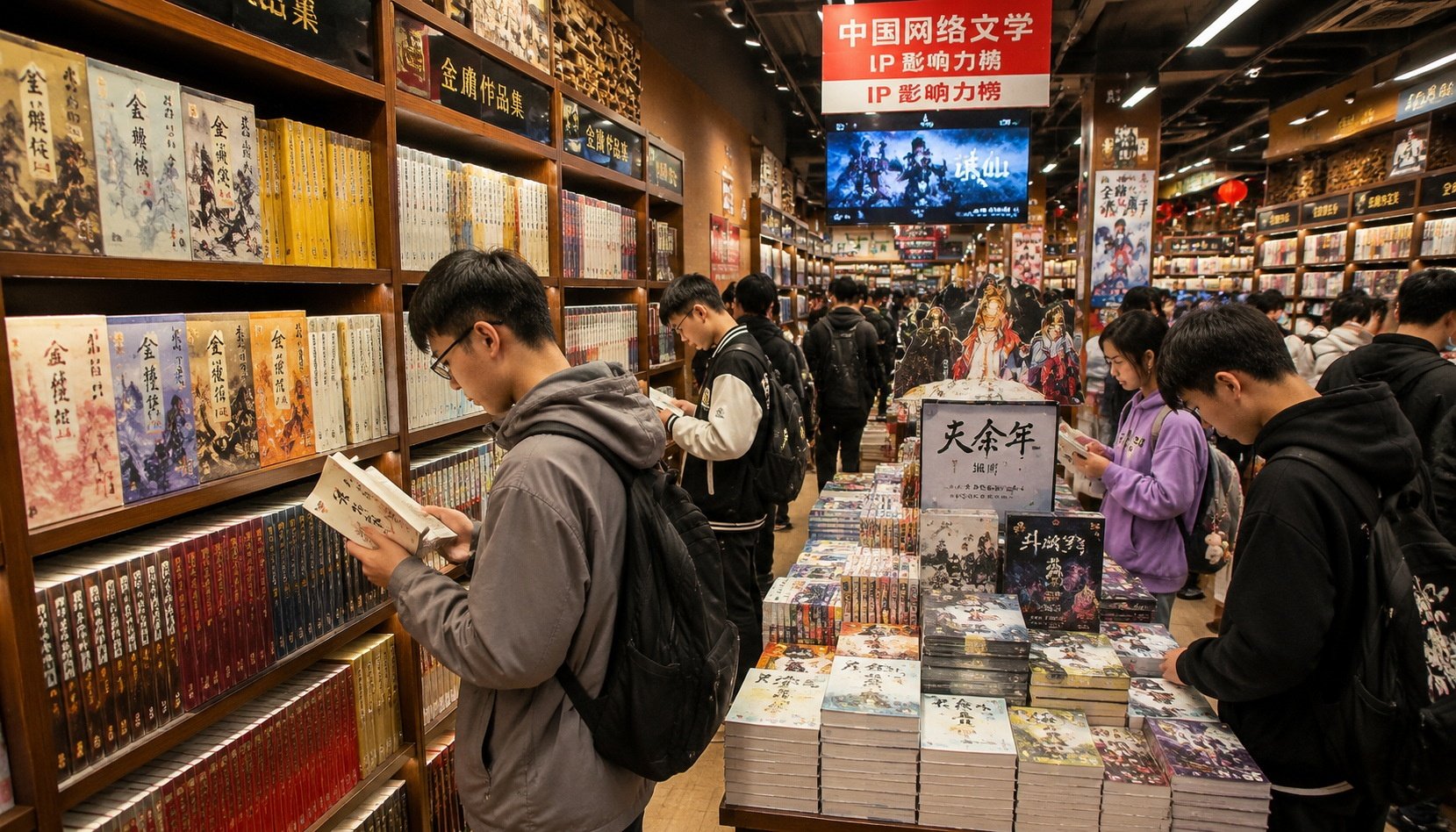
If you walk into a Chinese bookstore today, you’ll find entire shelves dedicated to wuxia novels—martial arts sagas filled with wandering heroes who fly across bamboo forests and fight with ancient swords. At the same time, in the cinema next door, Marvel movies like Avengers: Endgame break box office records. Both worlds are wildly popular, but ask any Chinese fan: “Who is your favorite superhero?” and you’ll likely hear names like Guo Jing, Linghu Chong, or Zhang Wuji—characters born from the imagination of writer Jin Yong (Louis Cha), not from a comic book studio in New York.
This contrast opens up a fascinating window into how different societies define heroism. Why does China’s most beloved superhero choose to sacrifice his personal freedom for the sake of a village, while Iron Man builds a suit to save the world on his own terms? The answer lies deep in centuries of history, philosophy, and social structure.
Cultural Roots: Chivalry (Xia) vs. Individualism
At the core of Chinese superhero mythology is the concept of xia (侠). Unlike the Greek demigods or modern American icons, a xia does not derive power from a radioactive spider, alien heritage, or billionaire wealth. Instead, his strength comes from internal cultivation—years of rigorous martial arts training, moral discipline, and a deep sense of duty to the community. In Jin Yong’s masterpiece The Legend of the Condor Heroes, the protagonist Guo Jing is not particularly clever; he is stubbornly loyal, and his power grows from his commitment to protect his homeland from invaders.
Western superheroes, especially those from Marvel and DC, often follow a pattern of “gifted individual fights evil alone.” They put on a mask, hide their identity, and operate outside the system. In contrast, Chinese heroes never hide who they are. They are known by their real names and are deeply embedded in social networks—family, sect, nation. Their struggles are not just against villains but against the temptations of revenge, pride, and detachment. The ultimate goal for a xia is not personal glory but the harmony of the world—a Confucian ideal.
For an American reader familiar with Spiderman’s “With great power comes great responsibility,” the Chinese version would be more like “With great power comes great obligation to the collective.” The difference is subtle but profound: one emphasizes individual choice, the other social duty.
Real-World Reflection: The Everyday Heroes of China
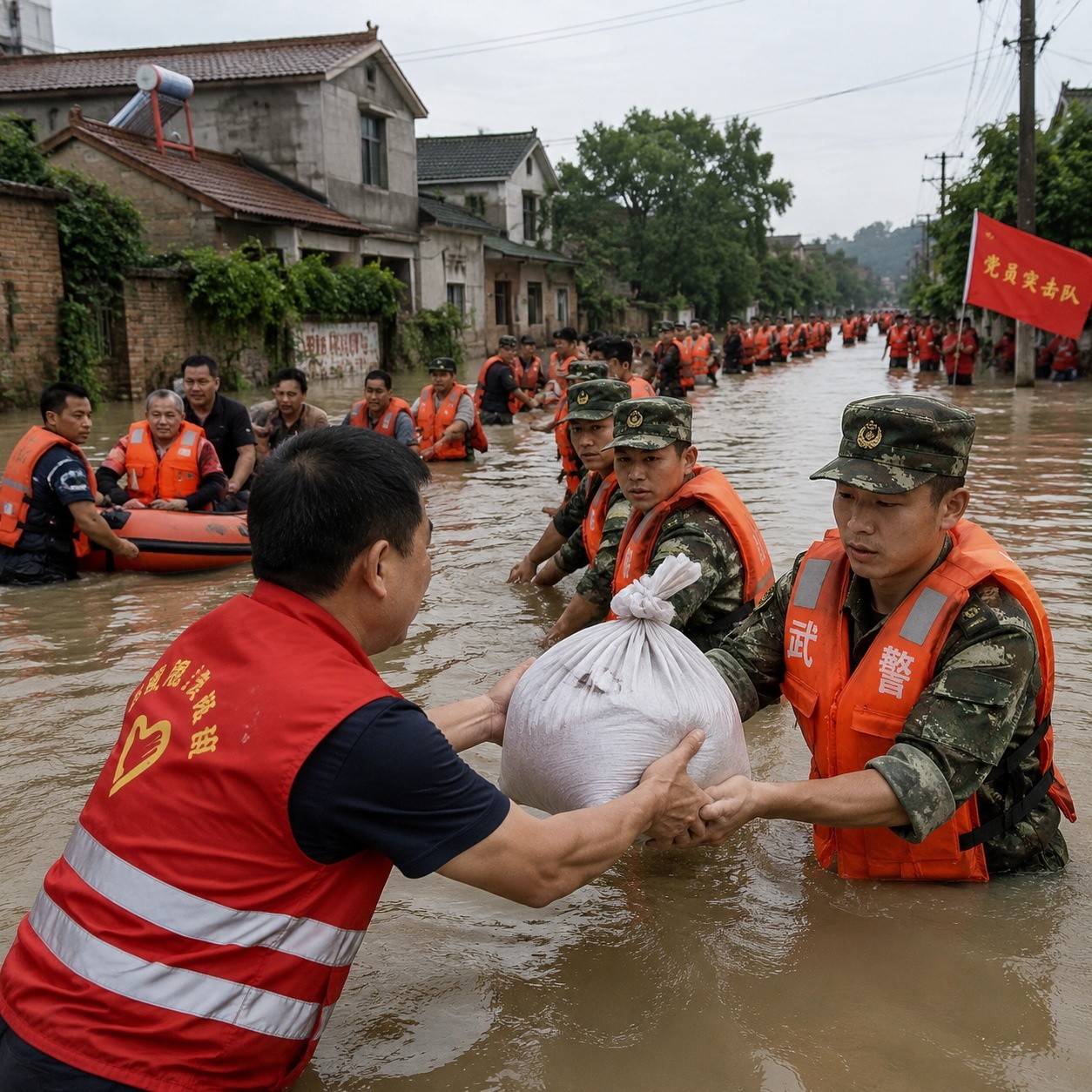
Perhaps the most striking difference is how Chinese people talk about heroes in real life. When asked to name a modern-day hero, many Chinese will point to a doctor in a protective suit during the COVID-19 pandemic, a soldier wading through floodwaters in Henan, or a firefighter rescuing people from a collapsed building. These are not fictional characters with superpowers—they are ordinary people doing extraordinary things under the banner of jingshen (spirit) and fuwu (service).
During the 2021 Henan floods, videos circulated online of workers using a bulldozer to sweep away debris while residents threw ropes from balconies. No one had laser vision, but everyone acted as a collective force. The idea of a lone hero coming to save the day is far less common than the image of a team of neighbors, soldiers, and volunteers forming a human chain. This reflects a society that values interdependence. In Western narratives, the hero often stands alone against an indifferent system; in China, the system itself is expected to provide a framework for heroism.
Contemporary Innovation: Online Literature and Comics Reimagine the Hero
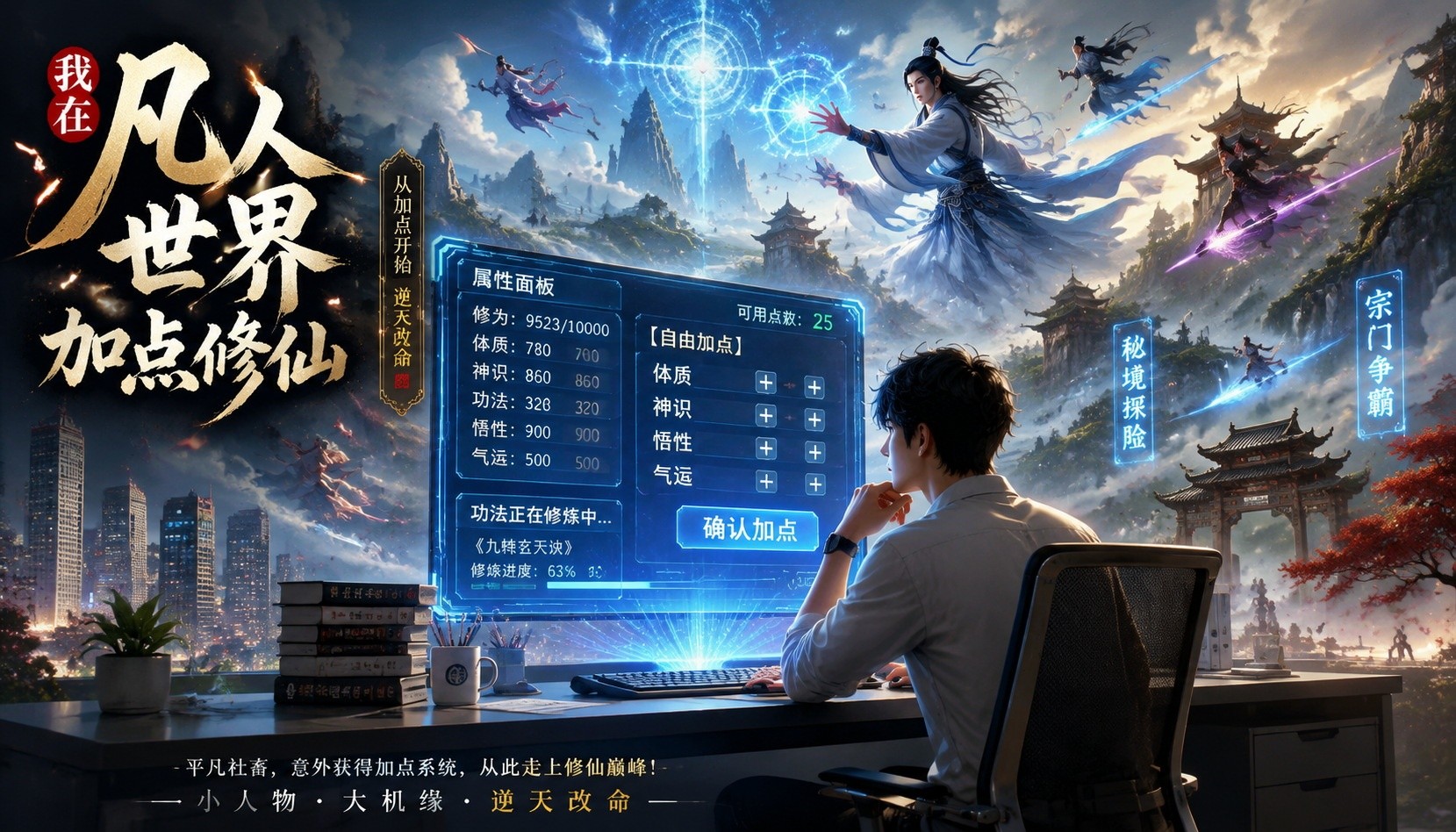
In the last decade, Chinese web novels and animation (donghua) have exploded in popularity, creating a new generation of heroes that blend tradition with modern life. Take the genre of xiuzhen (cultivation fantasy): protagonists like those in Tenkuu no Chronicle or A Will Eternal start as ordinary office workers who suddenly enter a parallel world of magic and martial arts. Their journey parallels the modern worker’s struggle for self-improvement and success in a competitive society.
These stories often feature office politics, teamwork, and the tension between individual ambition and group harmony. In the hit comic The King’s Avatar, the hero is a professional esports player who, after being kicked out of his team, rebuilds himself through sheer persistence and collaboration. He doesn’t have a superpower—he has skill, discipline, and the support of new friends. That is a very Chinese hero: someone who succeeds not by being born special, but by working harder than anyone else, and never forgetting his loyalty to his teammates.
Social Resonance: Collectivism vs. Individualism at the Core
Underlying these differences is a fundamental cultural divide: collectivism versus individualism. In Chinese culture, a person is defined by their relationships—to family, community, nation. The hero, therefore, acts to preserve these bonds. In Western cultures, the individual is often seen as autonomous and self-determining. The hero’s journey is one of self-actualization and defiance against oppressive structures.
This doesn’t mean Chinese superheroes lack personal depth. Far from it: Jin Yong’s characters are famous for their emotional struggles—unrequited love, betrayal, the conflict between loyalty and desire. But their resolution always points toward the greater good. Xiao Feng, the tragic hero of Demigods and Semi-Devils, chooses suicide to end a war between tribes, sacrificing himself for peace. To a Chinese audience, this is the highest form of heroism: self-sacrifice for harmony.
In contrast, when Iron Man sacrifices himself in Endgame, it is a deeply personal choice to save the universe—but also a climax of his individual character arc. Both are heroic, but one is rooted in communal responsibility, the other in individual redemption.
Conclusion: What This Tells Us About China Today
The Chinese superhero is not a reflection of a desire for power, but a mirror of a society that prizes connection and mutual responsibility. As China modernizes rapidly, these ancient values continue to shape how people understand courage, leadership, and sacrifice. A Chinese teenager reading Jin Yong today is not just escaping into a fantasy world; she is learning that true strength comes from within, and that the greatest battles are fought with integrity and compassion.
So next time you watch a Marvel movie and wonder about the popularity of Chinese superheroes, remember: their “differentness” is not a weakness. It is a profound expression of a civilization that has always believed that the hero is not the one who stands above others, but the one who stands with them.