

Introduction: When a Chinese Game Grabbed the World’s Attention
Imagine you’re in a chaotic fight, and just as an enemy is about to land a fatal blow, you shoot a grappling hook at a distant tree, zip through the air, and land safely behind a rock. That’s the signature move in Naraka: Bladepoint, a Chinese battle royale game that blends wuxia (martial arts fantasy) with fast-paced action. Since its release in 2021, it has amassed over 20 million players worldwide, with a significant chunk coming from overseas.
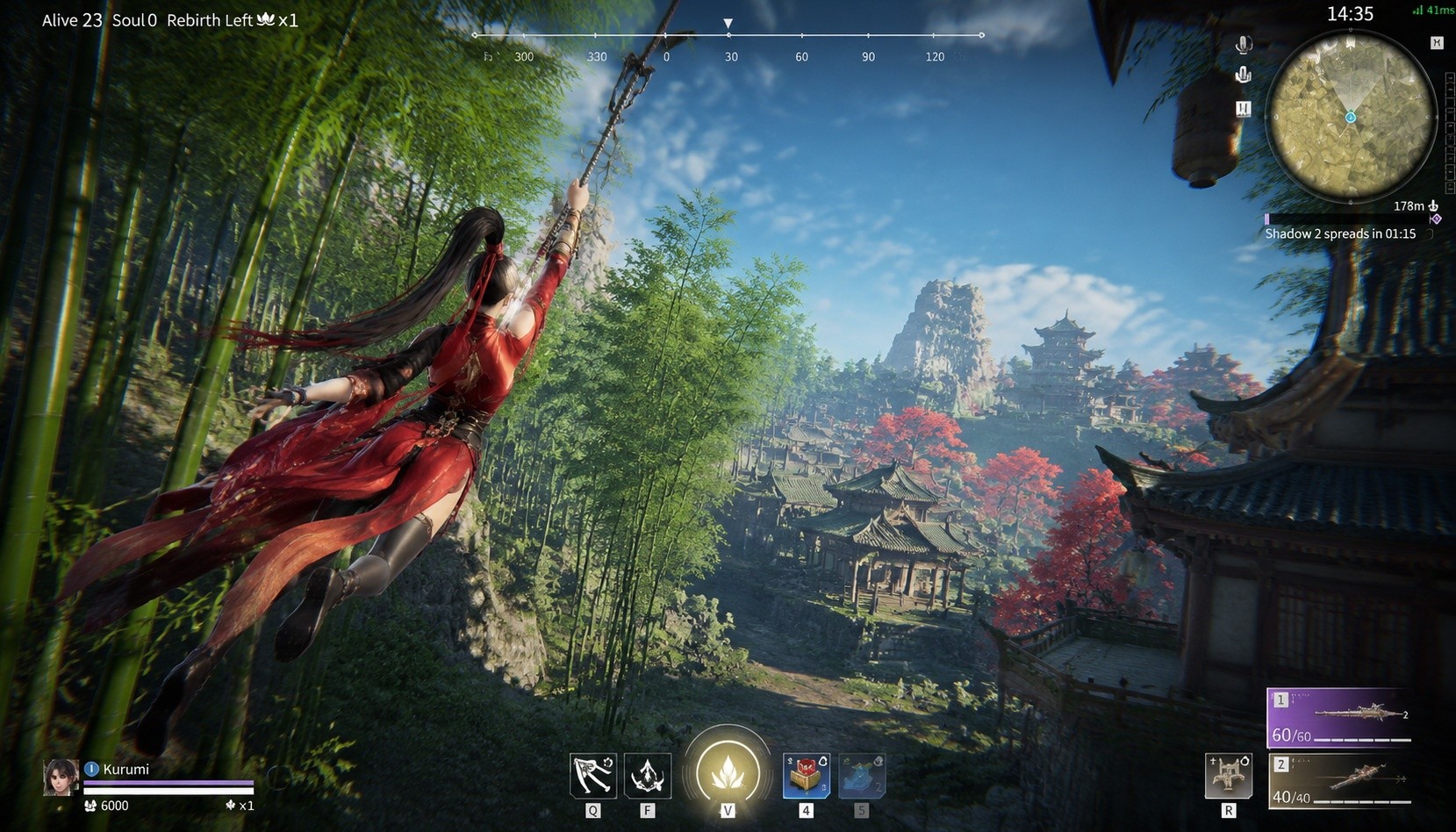
But what’s really surprising? Foreign players aren’t just enjoying the game—they’re diving into Chinese culture. They’re learning phrases like “上天入地” (soaring to the sky and drilling into the earth), watching wuxia films, and even reading translated versions of Jin Yong’s novels. The grappling hook, or “飞索” (flying rope), has become a cultural ambassador.
The Grappling Hook: From Ancient Qinggong to Game Innovation
In wuxia literature, heroes can leap across rooftops and run on water using “轻功” (lightness skill). Naraka translates this into a grappling hook that lets players swing, climb, and pull themselves toward enemies. For Western players used to realistic shooters, this feels like a superpower. “I’ve never played anything where movement is this free,” says Jake, a 24-year-old gamer from Texas. “It’s like Spider-Man but with swords.”
The hook isn’t just a gimmick—it’s deeply integrated into combat. Pro players use it to dodge, close gaps, and even cancel animations. This mechanic, rooted in wuxia imagination, feels fresh and exhilarating. Chinese developers at 24 Entertainment didn’t just copy Western battle royale formulas; they injected a distinctly Chinese flavor.
Real Stories: Foreigners Learning Chinese for the Game
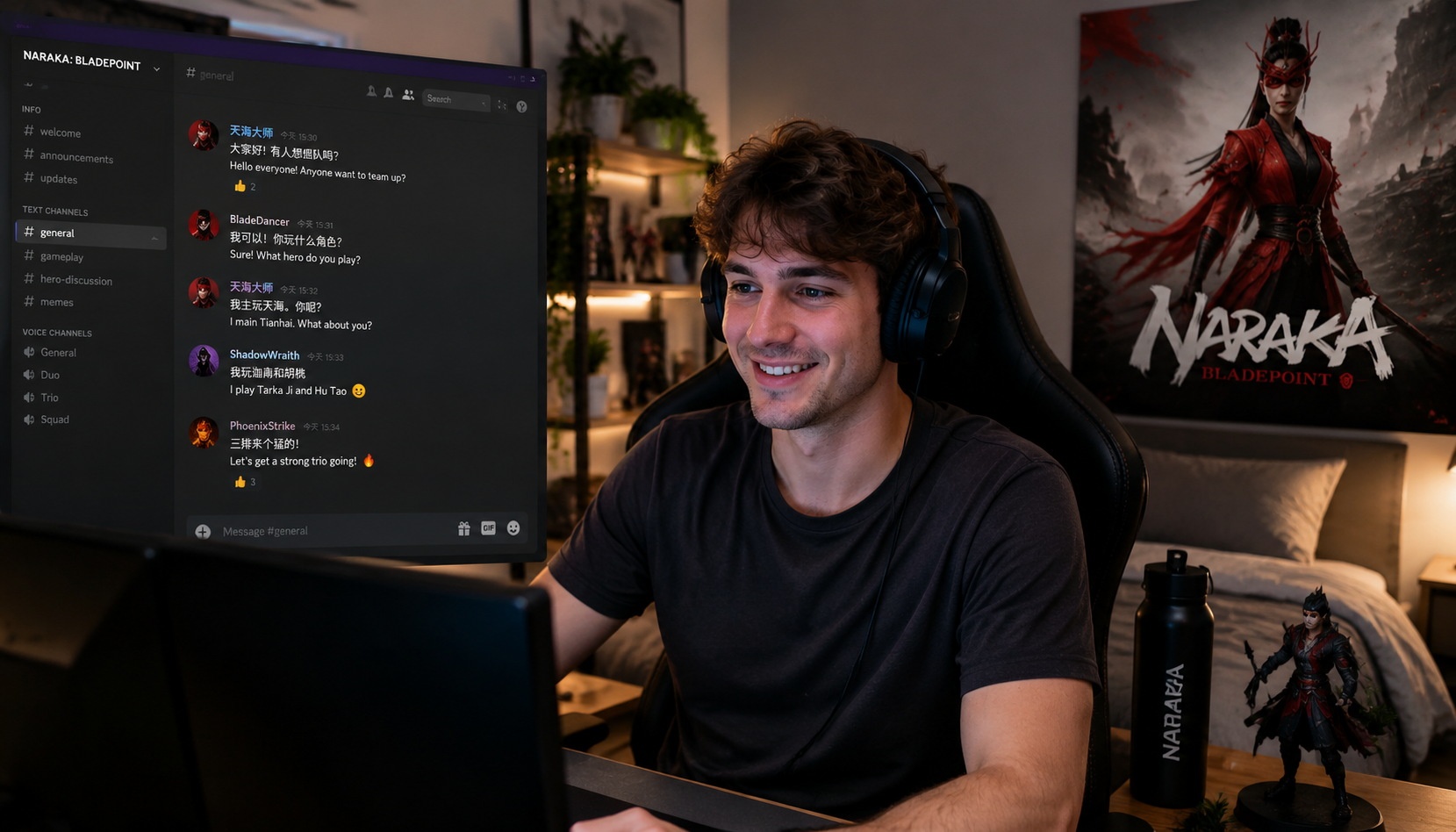
The game’s voice lines are all in Chinese, and many overseas players have started picking up the language just to understand callouts. On Reddit and Discord, you’ll find threads asking for translations of phrases like “小心飞索” (watch out for the grappling hook) or “他在树上” (he’s in the tree). Some even create memes mixing Chinese characters with English slang.
Then there’s the deeper cultural pull. A YouTuber named “BabaBooey” made a 40-minute video analyzing wuxia tropes in Naraka, referencing classic novels like The Legend of the Condor Heroes. Comments are full of people saying, “I never knew Chinese martial arts had such depth.”
Casual players might not become scholars, but they gain a glimpse into a rich tradition. The game’s characters, from Viper Ning to Tarka Ji, are based on mythical and historical figures, sparking curiosity about Chinese mythology.
Cross-Cultural Exchange: Chinese Wuxia IP Going Global
Naraka isn’t an isolated phenomenon. Games like Genshin Impact and Honkai: Star Rail have already introduced Chinese aesthetics to millions. But Naraka offers something different: it directly represents wuxia, a genre that’s been largely niche in the West. The game’s success shows that international players are hungry for new cultural experiences, not just clones of existing hits.
The developers also embrace this cross-cultural exchange. They’ve added global events like the “Naraka World Championship,” where players from Europe, America, and Asia compete. During the 2023 finals, Thai and Korean players surprised audiences by speaking Chinese in interviews. The chat exploded with laughing emojis and admiration.
Conclusion: Gaming as a Cultural Bridge
Cultural exchange doesn’t have to be serious lectures. Sometimes it’s a grappling hook that makes you curious about why Chinese heroes can fly. Naraka: Bladepoint proves that when a game is fun, players will naturally want to learn more about its roots. In an era of global gaming, this is how stories travel—not through textbooks, but through joysticks, keyboards, and a whole lot of flying ropes.
Start the discussion at forum.chinacomes.com