

A New Low for a Beloved Classic
In early 2025, a new adaptation of The Smiling, Proud Wanderer (笑傲江湖) hit streaming platforms. Within days, it earned a 2.5 out of 10 on Douban, China’s largest review site. Viewers complained about wooden acting, illogical plot changes, and fight scenes that looked more like a video game than martial arts. “They turned Linghu Chong into a lovesick teenager,” one top comment read. This is not an isolated case. Over the past decade, nearly every remade wuxia TV drama has been met with similar outrage.
By the Numbers: The Remake Curse
Data from Douban shows a clear pattern: of the 15 major wuxia remakes released between 2015 and 2024, only two scored above 6.0. The 2017 version of Ode to Joy—not wuxia, but a comparison—scored 7.4, while the 2019 Heavenly Sword and Dragon Slaying Sabre remake barely reached 5.7. The 2021 Demi-Gods and Semi-Devils (Tian Long Ba Bu) flopped at 4.2. Audiences consistently rate new versions lower than originals from the 1990s and early 2000s, many of which remain above 8.0. Why does this keep happening?
Why Remakes Fail: Casting, Plot, and CGI
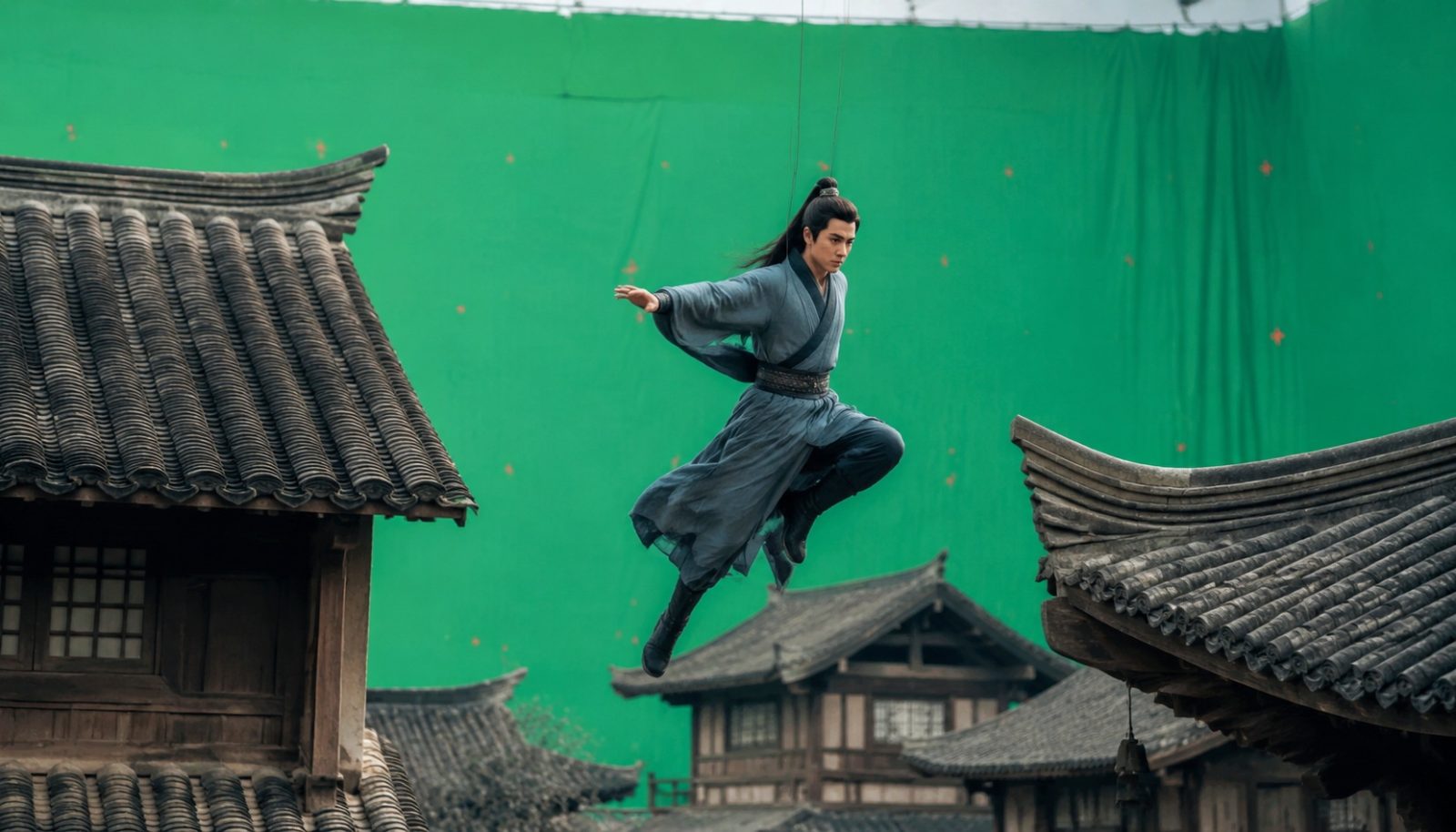
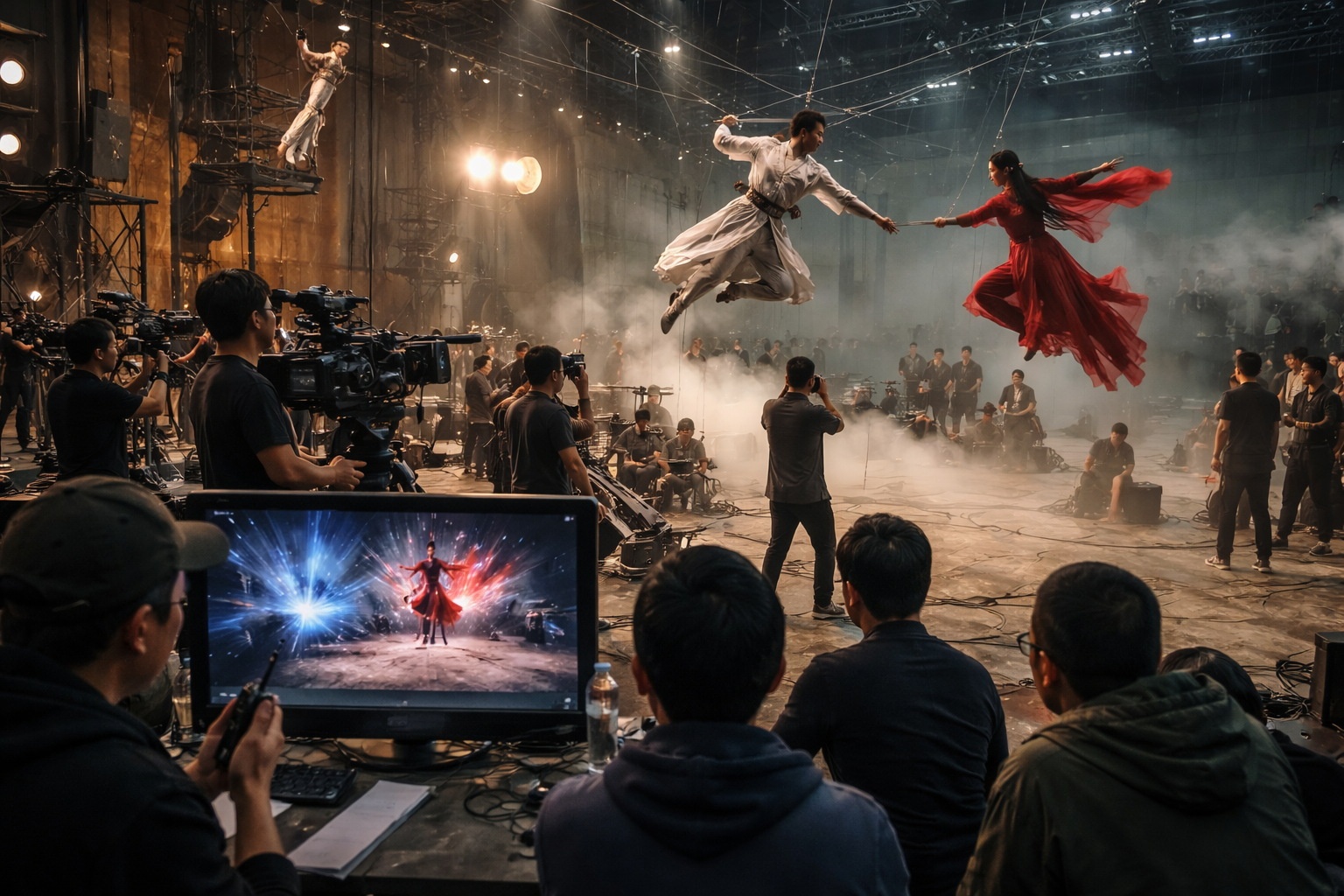
The complaints fall into three buckets. First, casting controversies. Producers often favor popular idols over trained actors, leading to mismatched roles. A 30-year-old influencer playing a 16-year-old martial arts prodigy? That’s become the norm. Second, plot tampering. To “innovate,” writers add love triangles or modern slang, stripping away the original’s philosophical depth. Third, overreliance on CGI. Instead of real wirework and choreography, characters fly around with green-screen backgrounds. “The 1997 version used actual stunt doubles; today they just press a button,” a fan on Zhihu noted.
The Deeper Problem: A Creative Industry in Crisis
Behind these failures is a broader issue in China’s TV production ecosystem. Streaming platforms demand hundreds of episodes per year, forcing rushed schedules. A 2023 industry report revealed that top wuxia IP licenses cost up to ¥200 million (≈$28 million), but production budgets are often slashed to leave room for star salaries. Directors have little time for rehearsal or stunt training. “We shot 40 episodes in 90 days,” a stunt coordinator told Southern Metropolis Daily in 2022. “No time for safety or quality.” The result is a product that favors speed over artistry.
Yet there are rare successes. The 2023 animated series The Legend of Hei (not strictly wuxia, but martial arts fantasy) scored 8.3, proving that when creators respect the source material and invest in animation, audiences respond. The lesson is clear: remakes fail not because the classics are untouchable, but because the industry prioritizes profit over passion.
Can the Curse Be Broken?
Some producers are starting to listen. In 2024, a new Condor Heroes adaptation was announced with a focus on “returning to the original novel” and hiring veteran martial arts choreographers. Whether it succeeds will depend on whether the industry can resist the temptation of quick returns. For now, every new remake trailer is met with a collective sigh from millions of fans—and a flood of angry comments.

Start the discussion at forum.chinacomes.com