

Introduction: The Rise of Car Tourism
On a crisp autumn Saturday, the narrow asphalt road leading into Moganshan, a mountain village two hours from Shanghai, is clogged with cars. License plates from Zhejiang, Jiangsu, and even distant Beijing line the roadside. Drivers wait patiently, their trunks stuffed with camping gear and city-bought groceries. But instead of pitching tents, many are heading to a new kind of rural lodging: the upgraded farmstay.
In China, the term “nongjiale” (农家乐) once meant a simple meal of homegrown vegetables and a hard bed in a farmer’s spare room. Today, that concept is being reinvented. The explosion of self-driving tourism—facilitated by expanding highways, affordable electric vehicles, and a post-pandemic craving for open spaces—has created a booming demand for comfortable, stylish accommodations in the countryside. According to the China Tourism Academy, domestic自驾游 (self-driving tourism) trips exceeded 2 billion in 2023, accounting for over 60% of all domestic travel. This wave is turning villages into destinations and farmer’s homes into startups.
From Farmstay to Boutique: The Upgrade
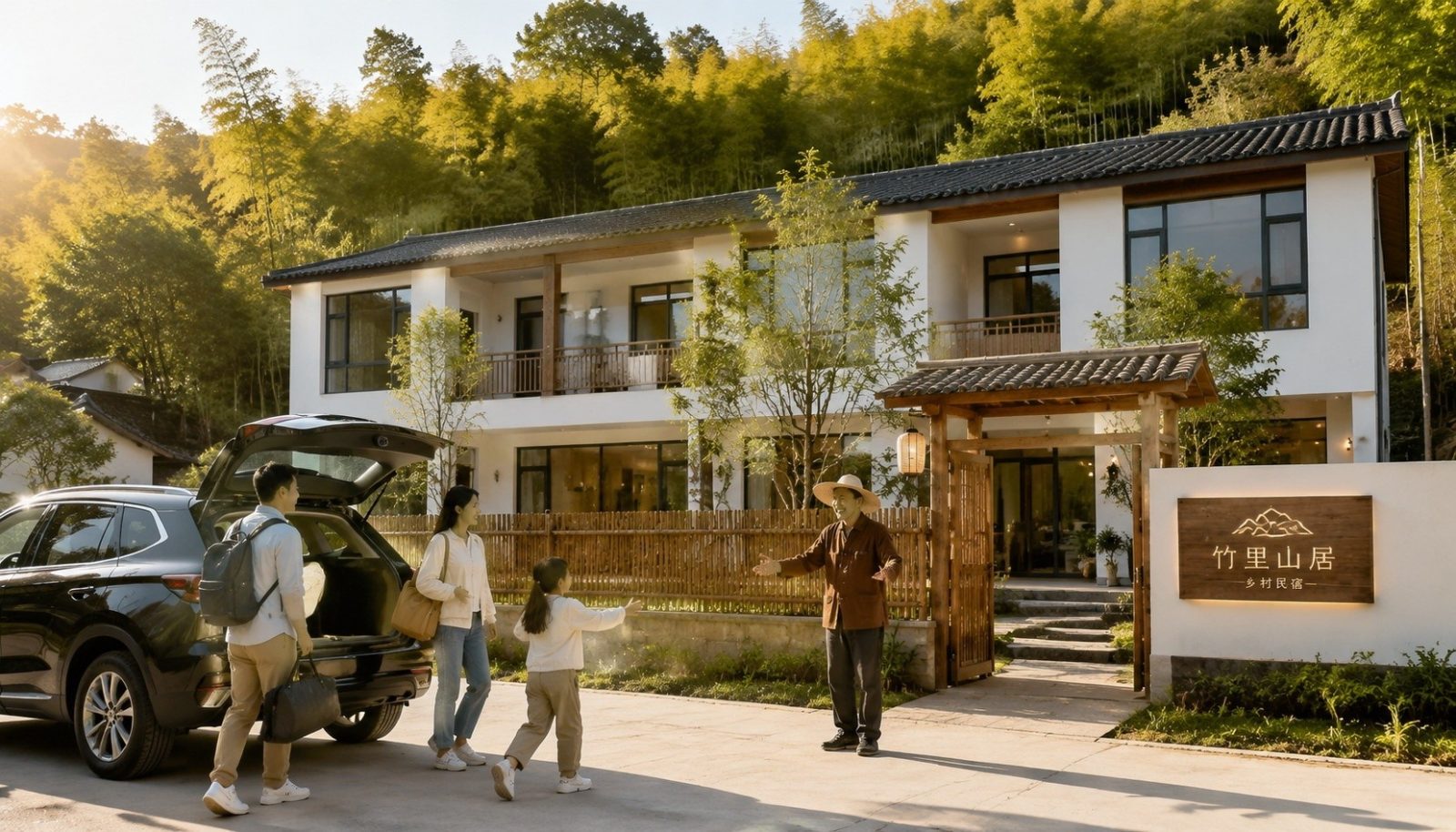
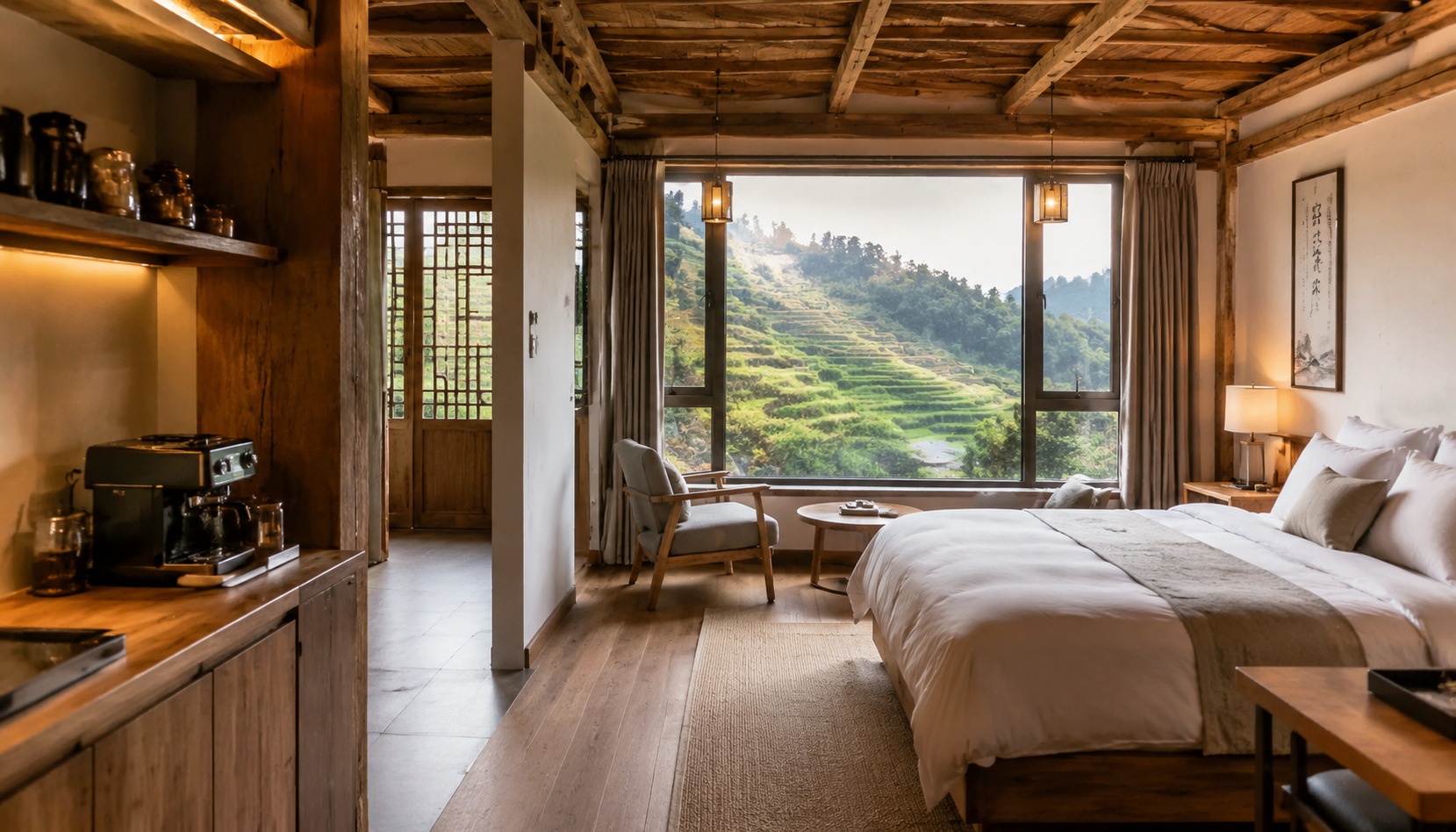
Take the case of Old Chen, a 55-year-old farmer in Zhejiang’s Anji County. Five years ago, he rented out two rooms for 80 yuan ($11) a night, offering guests a shared bathroom and a simple breakfast of porridge and pickles. Today, he has transformed his three-story house into a seven-room “min-su” (民宿) with private bathrooms, central heating, coffee machine, and a rooftop terrace overlooking bamboo forests. The nightly rate: 680 yuan ($94), and he is often fully booked on weekends.
What changed? The guests. Urban Chinese have become sophisticated travelers. They want clean linens, reliable Wi-Fi, Instagram-worthy interiors, and authentic local experiences—not just a place to sleep. To meet these expectations, many families take out loans, hire interior designers, or learn hospitality skills through government-sponsored training programs. The result is a new kind of rural accommodation: part traditional farmhouse, part boutique hotel, with touches like exposed wooden beams, hand-painted murals, and farm-to-table dinners.
Stories from the Ground: A Family’s Transformation
Li Juan, a 32-year-old mother in Yunnan’s Dali Prefecture, returned to her husband’s ancestral village in 2021 after losing her job in a city restaurant. With a small loan and help from a nonprofit, she converted the crumbling courtyard into four guest rooms, each decorated with Bai ethnic embroidery. In the first year, she earned 120,000 yuan ($16,600)—more than double her previous city salary. “The car people come in waves,” she says, standing at her gate and waving at a passing SUV. “They stop, take pictures of the rice fields, and then look for a place to eat. We learned to cook fusion dishes they like, like pizza with local mushrooms.” Her success has inspired neighbors to start their own min-su along the same road, creating a mini-cluster of upgraded farmstays.
Technology Bridging the Gap
This transformation would be impossible without digital platforms. Apps like Ctrip, Meituan, and Xiaohongshu (Little Red Book) allow rural hosts to list their properties with photos and reviews. Short video platforms like Douyin (TikTok’s Chinese version) let farmers broadcast their daily lives—planting tea, harvesting chestnuts, making tofu—attracting curious urban audiences who then book a weekend stay. In 2022, bookings for rural accommodations on Ctrip grew by 200%, with self-driving travelers accounting for the majority.
Social media has also driven demand for “photo-ready” design. A single viral post of a treehouse or a glass-floor bathroom can fill a remote village with weekenders. That pressure pushes even reluctant farmers to invest in renovations—sometimes exceeding their budget, but often paying off.
Challenges: Homogeneity, Environment, and Sustainability
The boom is not without problems. Many villages face fierce competition: when every house becomes a min-su, prices drop, and profits thin. In popular spots like Moganshan, some hosts complain of “copycat design”—identical Scandinavian-style cottages with the same breakfast menu. Environmental stress is also real: increased traffic, waste, and water usage strain rural infrastructure. Local governments are now enforcing stricter building codes and waste management rules. In Zhejiang, new min-su projects require approval to prevent overdevelopment.
For long-term success, operators must think beyond imitation. The most resilient are those who tie their business to local culture—like workshops on bamboo weaving, organic farming experiences, or seasonal festivals. “We don’t want to become a cheap copy of a city hotel,” says Chen, the Anji farmer. “We want guests to feel the mountain life.”
Conclusion: A Window into Rural China’s Future
The upgrade of farmstays into boutiques is more than a business trend. It is a quiet revolution in how Chinese villagers interact with the modern economy. For overseas readers, this story offers a lens into China’s ongoing rural transformation—driven not by grand government plans alone, but by millions of individual decisions made over dinner tables, planning apps, and weekend drives. The countryside is no longer a place to leave behind; for a growing number of families, it is a place to invest in, to renovate, and to welcome the world.
Start the discussion at forum.chinacomes.com