

Introduction
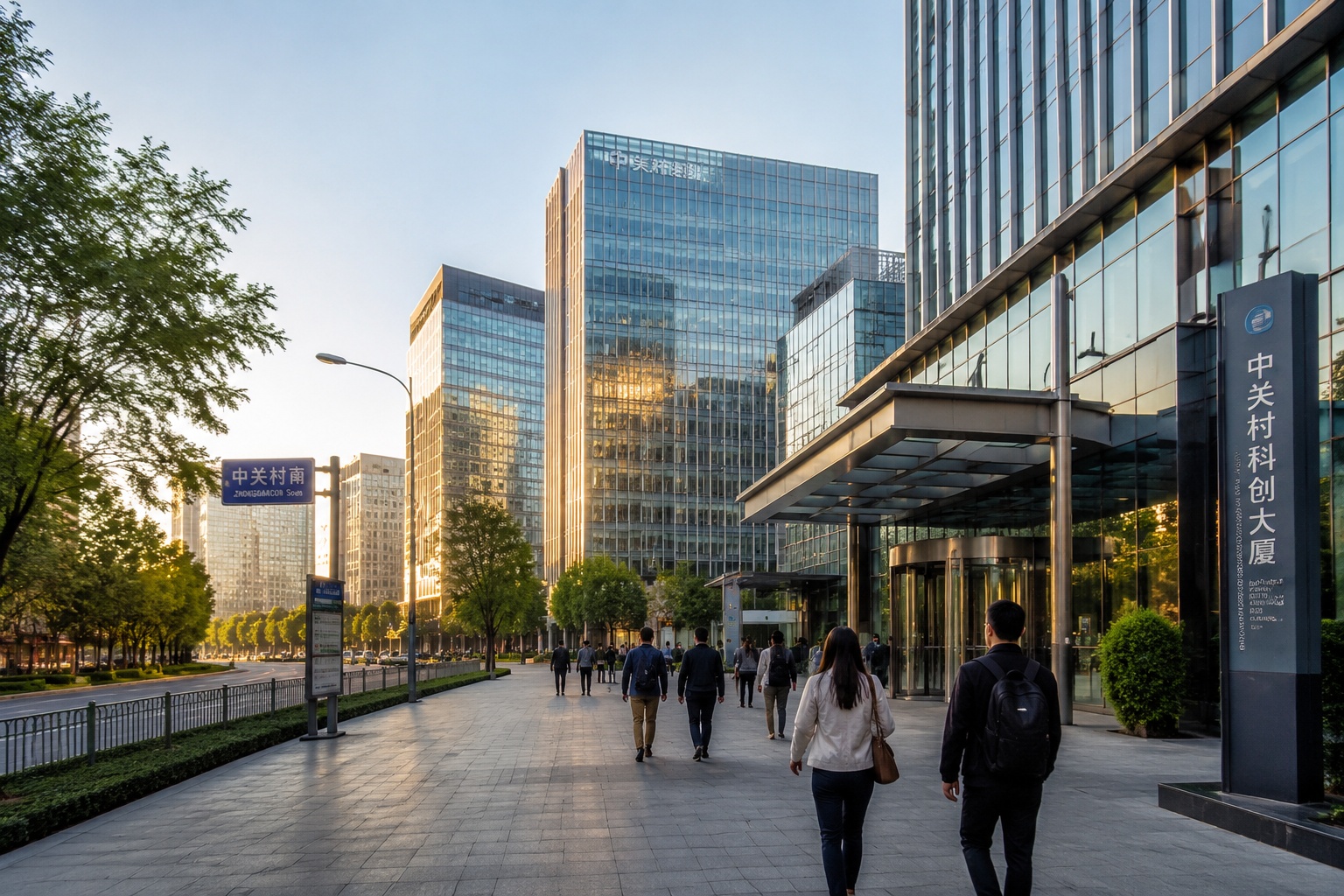
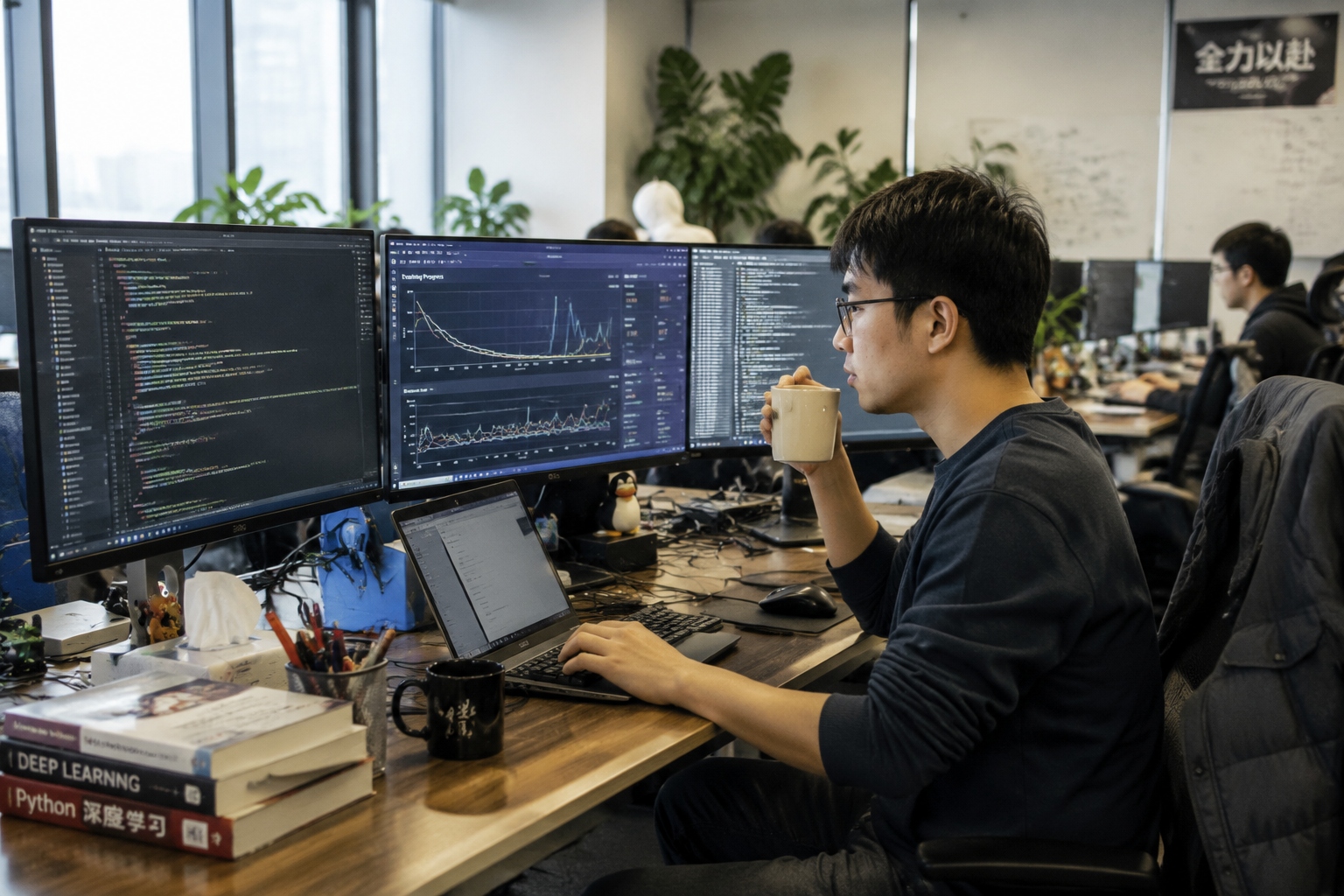
It’s 7:30 a.m. in Haidian District, Beijing. The metro carriages are packed with people heading to offices that cluster around Zhongguancun, the city’s original tech hub. Among them is Liu Wei, a 29-year-old algorithm engineer. He arrives at his company’s fourth-floor office, grabs a coffee from the shared kitchen, and opens a laptop with three monitors. Within minutes, he’s scrolling through model training logs, checking whether last night’s neural network run produced a lower error rate. This is not a scene from Silicon Valley. It’s the new normal in Beijing.
The phrase “from Silicon Valley to Wisdom Valley” has been used so often by media and officials that it risks becoming a cliché. But behind the slogan is a concrete shift: Beijing now hosts over 2,000 AI companies, and the number is growing. The city is a global leader in everything from computer vision to autonomous driving. Yet for those inside the industry, the story is less about glory and more about hard daily work—debugging code, persuading clients, and testing products in real streets and hospitals.
Morning in Beijing: A Day in the Life of an AI Engineer
At 8:15, Liu Wei and his team hold a stand-up meeting. Their product is an AI vision system that detects defects on factory production lines. Today, they are discussing a problem: the system works well in the lab but struggles when the workshop lighting changes. “The real world is messy,” says Liu. “That’s where the hard part lives.”
After the meeting, Liu returns to his desk. His calendar is split between coding sessions, client calls, and data-labeling checks. In the corner of the room, another engineer is trying to fix a robotic arm that keeps missing a picking point. Everyone is focused, but no one is heroically saving the world. They are solving problems, one line of code at a time.
This is the routine of Beijing’s AI workforce—a young, well-educated, and increasingly international group. According to a 2023 report, the city has more than 400,000 people working in AI-related fields. Many of them live in shared apartments near their offices, eat at canteens, and work late into the night. The energy is not about hype but high-intensity iteration.
AI in Everyday Life: Traffic, Hospitals, and Classrooms
By 10 a.m., Liu’s colleague Zhang Min is on a video call with a hospital in Chaoyang District. Their company has developed an AI system that analyzes CT scans to spot lung nodules. The hospital has been testing it for six months. “Doctors are skeptical at first,” Zhang says. “But when they see that the system can highlight suspicious areas in seconds, they start to treat it as a second opinion.”
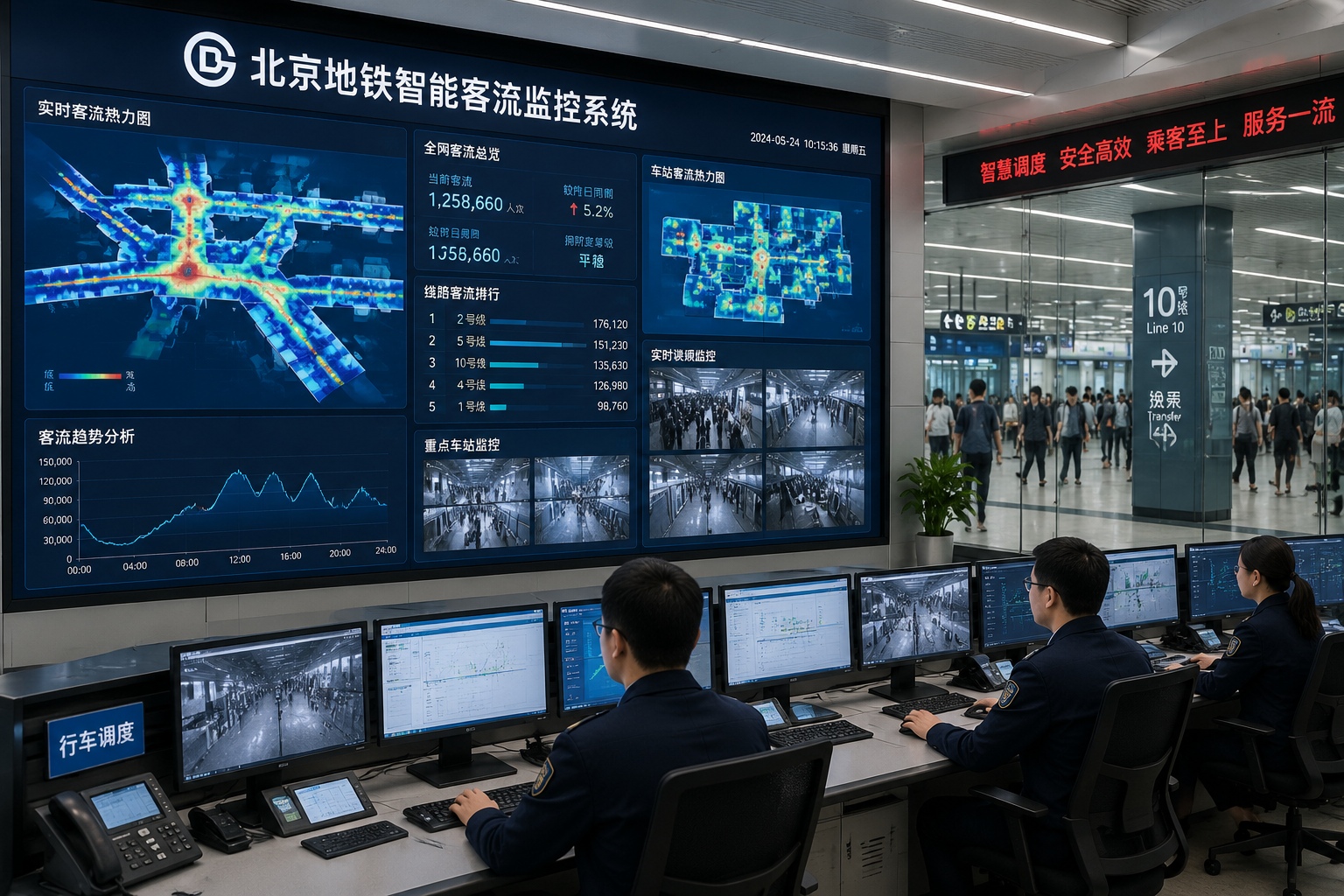
Across the city, AI is quietly embedded into public services. In Beijing’s subway, AI-powered cameras monitor passenger flow and adjust train frequencies. On the sprawling expressways, smart traffic systems smooth out congestion. In more than 200 primary schools, AI-assisted apps help teachers grade essays and kids practice spoken English. These are not futuristic demos; they are daily operations.
One evening, a reporter walks with a community nurse in Dongcheng District. She uses a tablet with an AI chatbot to guide elderly residents through health questionnaires. The software was built by a local startup and is now used in 30 neighborhoods. “It doesn’t replace us,” she says. “It saves us from paperwork, so we have more time to talk to patients.”
Founders: From Overseas Returnees to Local Tinkerers
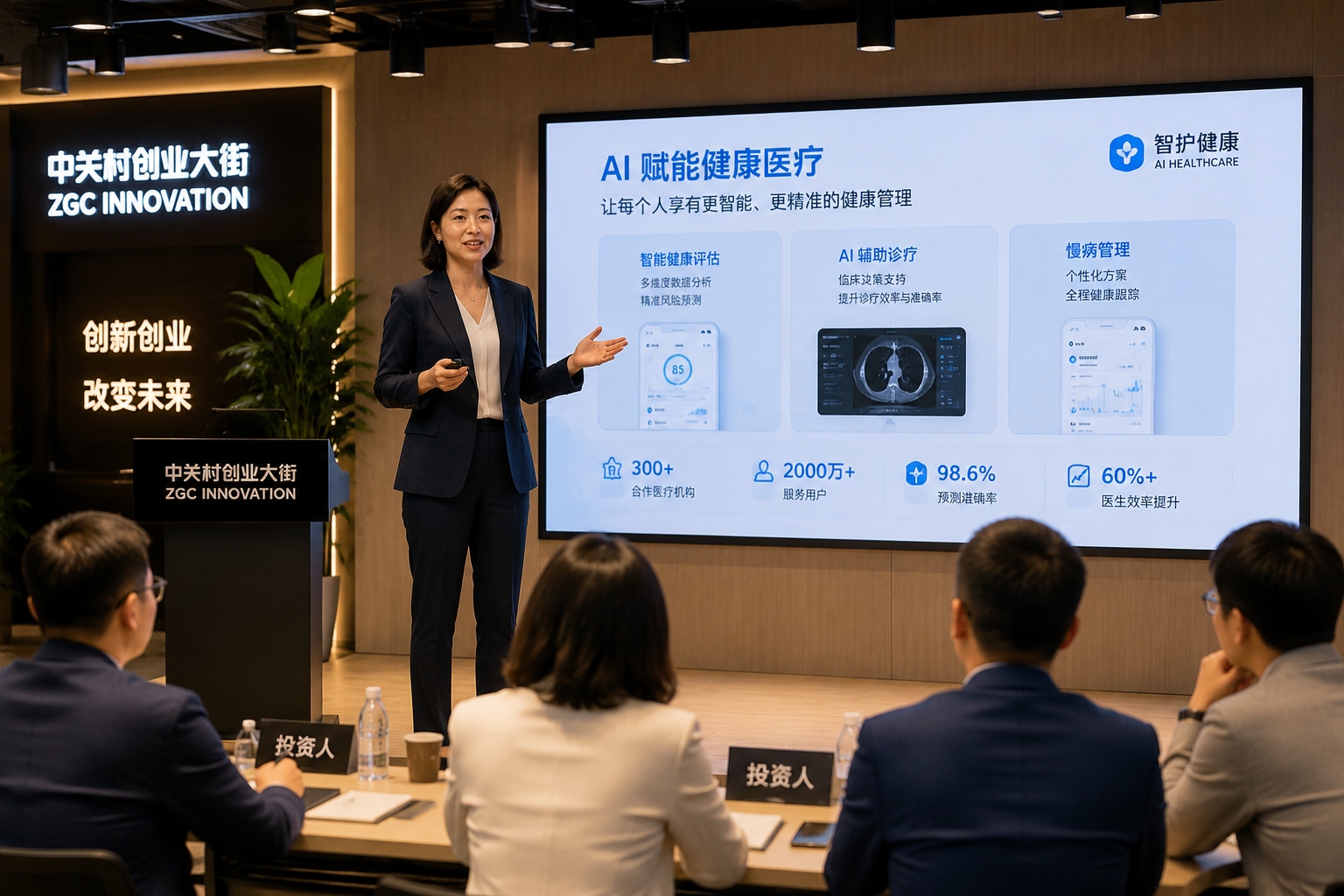
Li Hao, 35, is a founder of a startup that makes AI-powered finance software. He returned to Beijing from California in 2016, attracted by the size of the domestic market and government support. His first office was a shared space in Zhongguancun with cracked walls and borrowed furniture. Today, his company has 120 employees and clients across China.
Not every founder has a Silicon Valley resume. Wang Fang, a former hospital administrator, co-founded a company that uses AI to help rural clinics detect diabetic retinopathy. She had no technical background but built the product with a small team of engineers. “We spent a year just collecting data from rural hospitals,” she says. “AI is only as good as the data, and getting good data requires trust.”
Then there is Chen Jie, a former search-engine engineer who left a big tech company in 2020 to start his own robotics team. His company now sells a navigation system to warehouse operators, using cheap sensors and clever deep-learning code. He does not have a foreign degree. He learned by building and breaking things in his parents’ garage. “You don’t need to go to Silicon Valley anymore,” he says. “Beijing has the tools and the market.”
These stories illustrate a wider trend: AI entrepreneurship in Beijing is no longer limited to tech elites. The city’s deep talent pool, abundant venture capital, and easy access to large-scale deployment make it possible for people with domain knowledge to become founders. In 2024, Beijing-based AI startups raised more than 60 billion yuan in funding, nearly a third of the national total.
The Ecosystem: What Makes Beijing an AI Hub
Beijing’s AI strength is often attributed to three things: research institutions, policies, and capital. The city is home to Tsinghua University and Peking University, whose graduates staff many of the world’s leading AI labs. The national government has also created several industrial parks, such as the Beijing Economic-Technological Development Area, where companies can access shared computing centers and test sites.
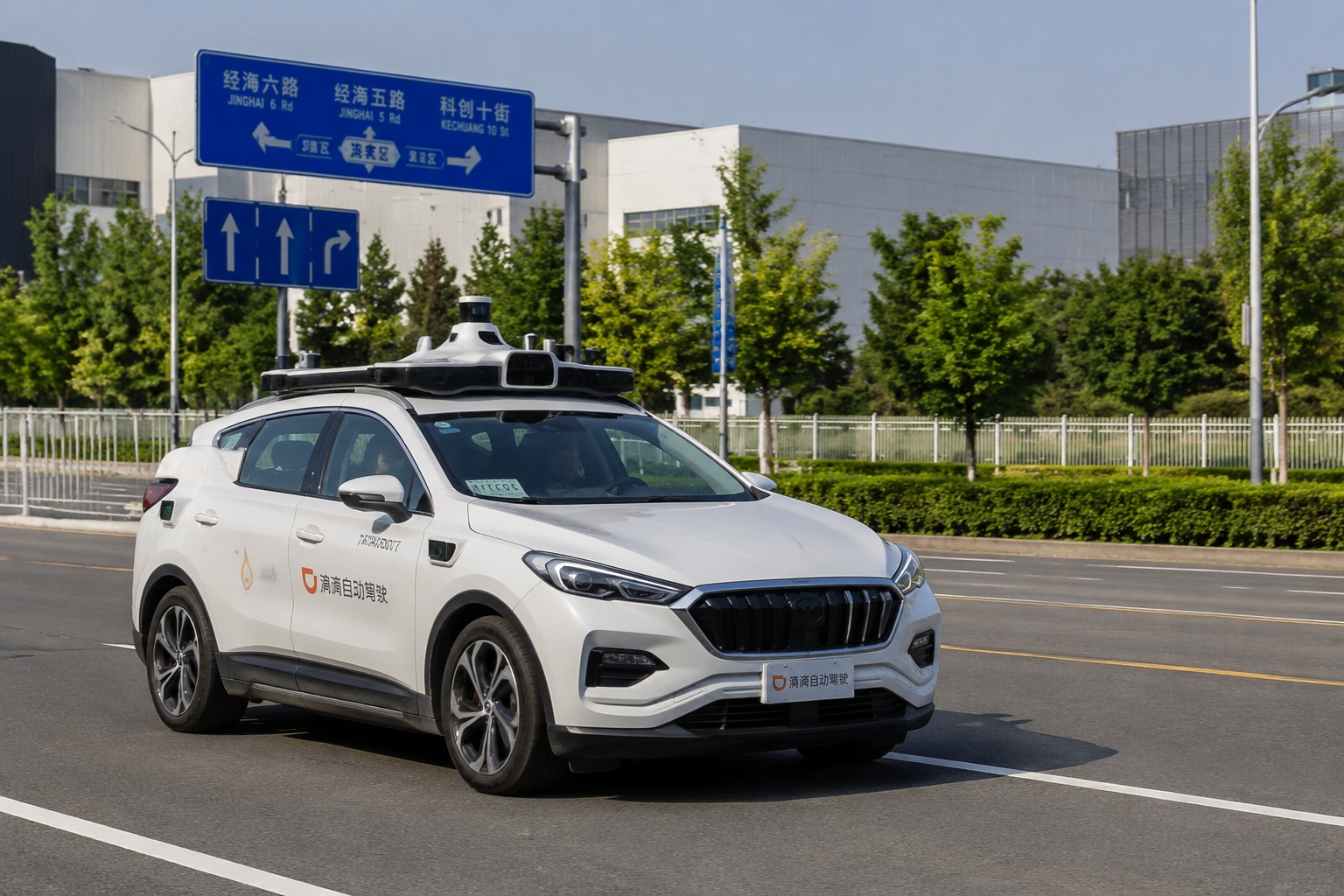
But engineers on the ground emphasize a less visible factor: user demand. China’s huge market gives AI companies an advantage—they can test products in real cities with real traffic, real hospitals, and real factories. One executive at a self-driving company explains: “In Beijing, you can drive a test car through brutal traffic every day. That’s a kind of education you can’t get in a lab.”
The local government has played a role, but not by micromanaging. It sets standards, offers subsidies, and builds testing infrastructure. For example, the city has opened a 300-kilometer autonomous driving test area in the southern suburbs, where companies can run trials without special permits. This pragmatic approach has made Beijing an attractive place for talent from around the world.
However, the ecosystem is also fiercely competitive. Office rents in Zhongguancun have risen sharply, and the best engineers command salaries comparable to those in San Francisco. Startups that do not grow fast enough quickly lose their edge. The city’s strength lies not in a single company but in the dense network of universities, labs, suppliers, and clients that keeps the whole system moving.
Reality Check: Challenges and Honest Reflections
Not everything is smooth. Liu Wei, the engineer, admits that his job is stressful and the work is often boring. “AI is 99% data cleaning and model tweaking, 1% breakthrough,” he says. The pressure to ship products quickly can lead to long hours and burnout. A recent survey of Chinese AI engineers found that more than half work more than 10 hours a day.
There are also structural challenges. Many small startups rely on government subsidies, which can be unpredictable. The gap between top-tier companies and the rest is wide. And while Beijing’s AI sector has grown, it faces scrutiny from regulators on data privacy and security. Overseas observers often focus on hype, but industry insiders point to a more complex picture: real progress, but also tight competition, high costs, and countless failed experiments.
AI ethics is another growing concern. Some engineers worry that the rush to deploy facial recognition and monitoring systems may outpace public debate. A young product manager says, “We have to ask ourselves not just whether we can build it, but whether we should.” These voices are often drowned out, but their existence shows a maturing industry.
Conclusion: More Than Hardcore Tech
At 9 p.m., Liu Wei finally closes his laptop. He takes the metro home, checking his phone for new data alerts. Tomorrow, he will repeat the same routine. But he knows that the small improvements he and his peers make every day—faster models, better algorithms, smarter products—are gradually changing how the city lives. From traffic lights that adapt to real-time flow to doctors who rely on AI to catch early-stage cancers, this is not a science-fiction tale. It’s the ordinary, hard-won reality of Beijing’s artificial intelligence industry.
The shift from Silicon Valley to Wisdom Valley is not about copying a model. It’s about building a different kind of tech culture—one that is messy, pragmatic, and deeply embedded in the everyday life of a city.
Start the discussion at forum.chinacomes.com