


The Message That Broke the Internet
It started with a simple WeChat message. Li Wei, a 28-year-old software engineer in Shenzhen, didn’t send his resignation via formal HR channels. He typed it out directly to his department head at 10:30 PM on a Tuesday.
“I’ve been working 9 AM to 10 PM, six days a week, for three years. I haven’t taken a single day of annual leave. Yesterday, I passed out in the elevator. Today, I’m leaving. Don’t expect me to work through the weekend again. If you need me to hand over tasks, I’ll do it during working hours only. Goodbye.”
He didn’t add polite fluff. He didn’t thank the company for the “opportunity.” He just stated facts. Within 24 hours, the screenshot of that message was shared millions of times across Chinese social media platforms like Weibo and Xiaohongshu. It wasn’t just a resignation; it was a manifesto.

Understanding “Neijuan” (Involution)
To understand why this letter resonated so deeply, you need to understand the concept of neijuan. Often translated as “involution,” it describes a situation where intense competition leads to diminishing returns. In China’s fast-growing tech and corporate sectors, this means working longer hours for the same or even lower relative value.
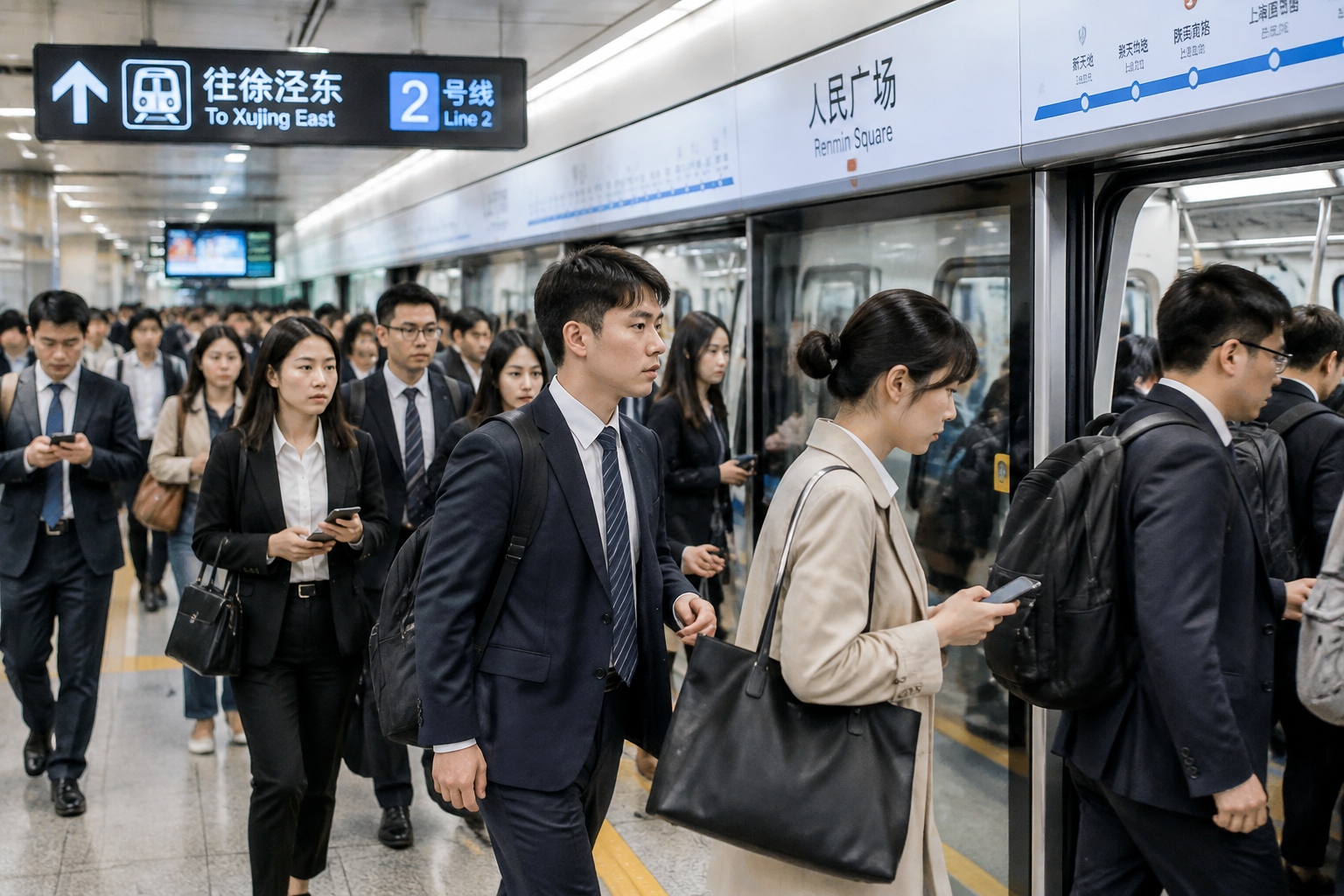
For years, Chinese young people have been caught in a cycle of overwork. The famous “996” schedule (9 AM to 9 PM, 6 days a week) was once considered normal in many startups and big tech firms. It wasn’t just about productivity; it was about performative loyalty. Staying late became a way to prove you cared more than your colleagues.
Li Wei’s letter cut through this noise. He pointed out the absurdity: he was burning out, not innovating. The company wasn’t gaining efficiency; it was just consuming human energy. This distinction is crucial for Western readers to grasp. It’s not that Chinese workers don’t want to work hard; it’s that they are tired of hard work that feels meaningless.
The Psychology of “Lying Flat”
Li Wei’s act was a small spark for a larger social phenomenon known as “tangping” or “lying flat.” This isn’t necessarily about laziness. It’s a passive resistance against societal pressures to buy houses, get married, and climb the corporate ladder at all costs.
In many Chinese cities, the cost of living, especially housing, has skyrocketed. A young professional in Shanghai or Beijing might spend 50% of their income on rent alone. When the traditional promise—”work hard, and you will succeed”—stops holding true, the motivation to compete vanishes.
For many, “lying flat” is a way to reclaim personal time and mental health. It’s a refusal to participate in a race that has no finish line. Li Wei’s viral letter gave voice to millions who felt stuck. They weren’t quitting their jobs; they were quitting the anxiety that came with them.

Clashing Values: Loyalty vs. Self-Worth
This incident highlights a generational clash in workplace values. Older generations, who grew up during China’s economic rise, often view long hours as a necessary sacrifice for stability and family support. They remember when hard work directly translated into tangible improvements in living standards.
However, Gen Z workers in China see the world differently. They have grown up in an era of abundance but also intense uncertainty. They value work-life balance, mental well-being, and personal growth over blind loyalty to a corporation. For them, a job is a transaction, not a family.
Li Wei’s letter challenged the old script. He refused to be taken for granted. He demanded respect, not just a paycheck. This shift is visible in other areas too, from the rise of “digital nomads” in scenic rural towns to the popularity of part-time gigs that allow for more flexible schedules.

A New Workplace Contract?
Is Li Wei’s resignation just a momentary outburst, or is it a sign of things to come? It’s likely both. Companies are beginning to notice. Some major tech firms have officially scaled back the 996 schedule, acknowledging that burnout hurts productivity in the long run.
The future of work in China may not be about working less, but working smarter. There is a growing emphasis on efficiency and results rather than hours logged. Employees are more willing to leave toxic environments, forcing employers to improve culture and benefits to retain talent.
Li Wei’s story reminds us that behind every statistic about China’s economy are real people with limits. The “rat race” is exhausting, and the desire for a balanced life is universal. Whether this leads to systemic change or just smaller personal victories remains to be seen. But one thing is clear: the era of blind obedience in the Chinese workplace is facing its biggest challenge yet.
Start the discussion at forum.chinacomes.com