

Introduction: The Lab Was Easier
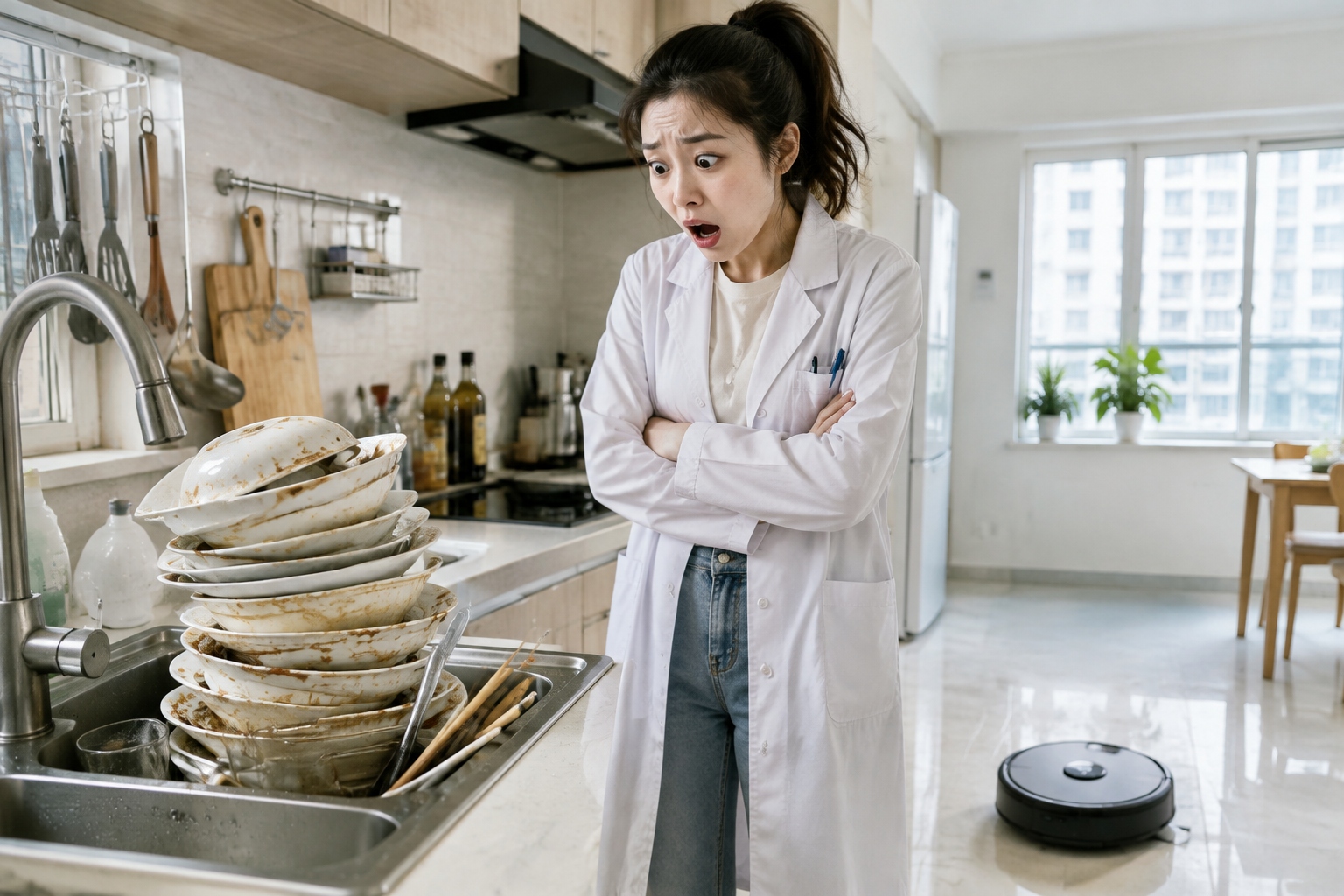
It was a Tuesday evening when I found myself standing in my kitchen, staring at a pile of dirty dishes and feeling genuinely intimidated. For context, I’m a scientist. I’ve worked with electron microscopes that cost more than a sports car and data sets that made my computer cry. And yet, loading a dishwasher correctly—or even deciding which sponge to use—that’s a challenge that makes my PhD defense look like a walk in the park.
This is the story of how I, a female scientist, decided to treat household chores like a research problem. And then I discovered that in China, the research has already been done—by thousands of engineers, delivery riders, and app developers who’ve created what I can only describe as “new weapons” for the domestic battlefield.
Why Housework Is Harder Than a PhD
Here’s the thing about lab work: you have hypotheses, you test them, and you get results. Housework is different. You clean the kitchen today, and somehow it’s dirty again tomorrow. There’s no “control group” for a clean room. You can’t publish your findings on gleaming floors. It’s an endless loop that defies every method I’ve learned.
When I first moved to Shenzhen for my postdoc, I thought I had it all figured out. I’d use a spreadsheet to track the time spent on each chore, then optimize the schedule. A week later, I had data. A month later, I had a spreadsheet that told me I spent 12 hours a week on chores—equivalent to a part-time job. That’s when I realized I needed a different strategy.
The Experimental Approach: Treating Chores Like a Research Project
So, I applied the scientific method. Step one: identify the problem. Step two: research existing solutions. Step three: design an experiment. In this case, the experiment was a head-to-head comparison of cleaning appliances that I found on Taobao and JD.com (yes, I read reviews like they’re peer-reviewed papers).
I also learned a critical lesson: I don’t have to do everything myself. In China, there’s a thriving service economy designed to free up people’s time. You can order food, groceries, and even home-cooked meals through apps. You can hire a cleaner by tapping your phone. This isn’t just convenience—it’s a lifestyle shift that particularly benefits working women like me.
My first breakthrough came when I stopped treating chores as moral duties and started treating them as logistical problems. I created a “time-cost analysis” and discovered that mopping, dishwashing, and laundry ate up 80% of my household labor. That was the moment I decided to invest in heavy artillery.
The New Weapons: Smart Home Technology in China
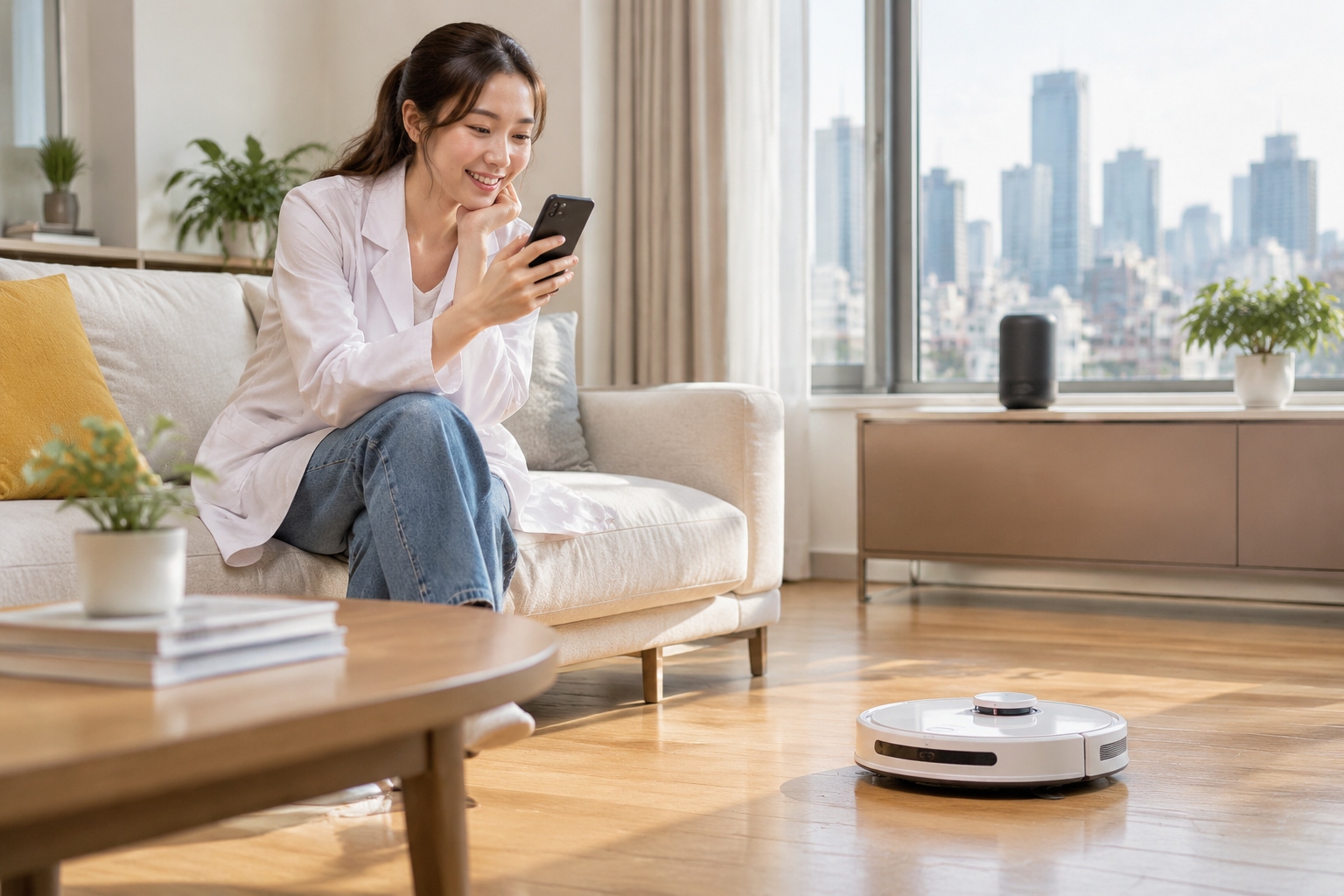
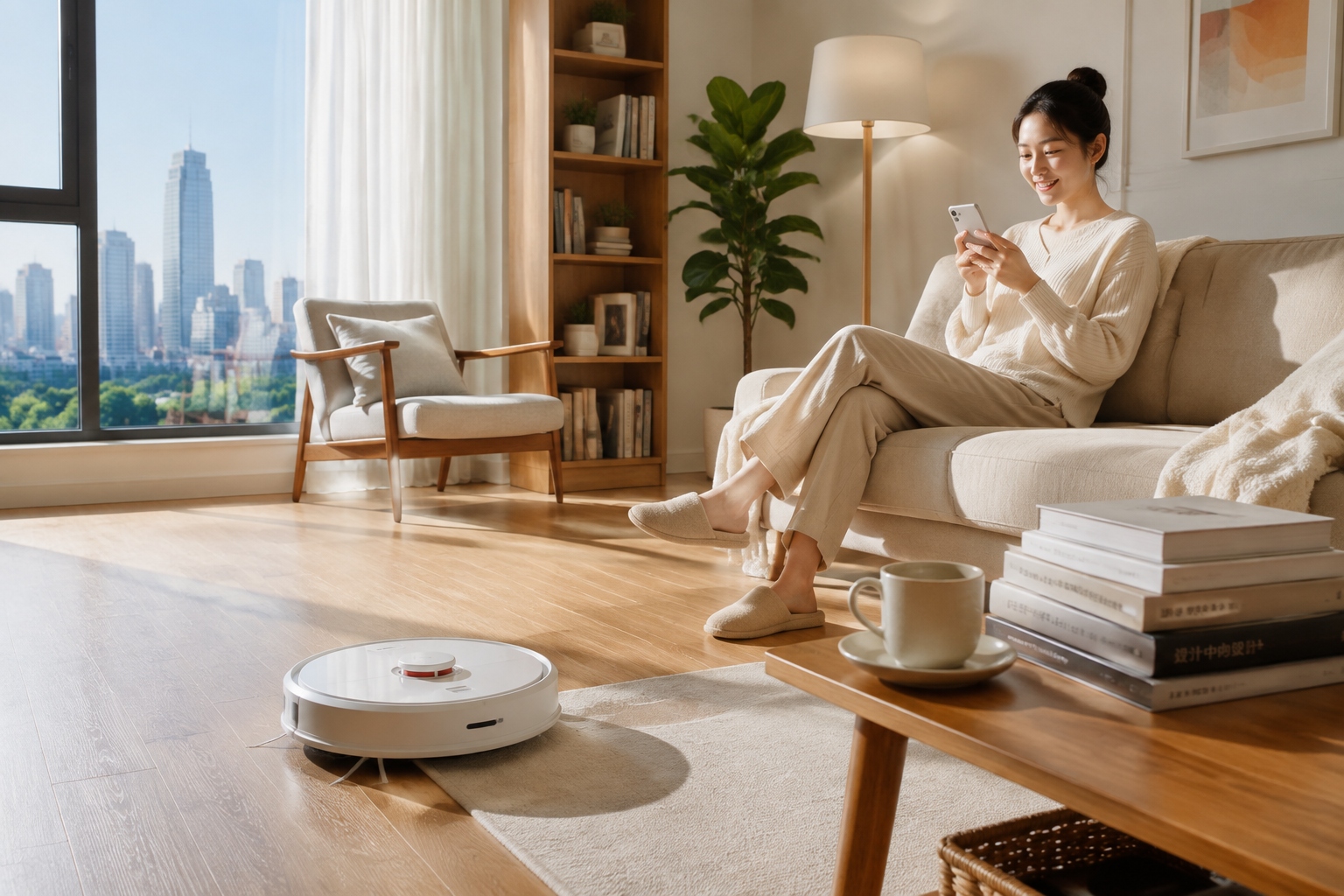
Let’s talk about my favorite class of weapons: smart appliances. In Chinese cities, it’s not unusual to see apartment balconies fitted with electric drying racks that lower and raise at the press of a button. I know, luxury, right? But the real game-changer for me has been the robotic vacuum. Not the kind that bumps into walls like a confused beetle, but the modern kind with laser mapping, automatic dust collection, and a self-cleaning mop. I named mine “Dobby” (from Harry Potter, if you haven’t caught on). It’s not perfect, but it frees up hours every week.
Then comes the dishwasher. I saved up for months to buy one, and now I’m the proud owner of a machine that makes my crockery sparkle. If you ever visit China, you’ll notice that many new apartments now come with dishwashers built into the kitchen design. It’s a sign that the country is catching up on the labor-saving front.
And for the heavy lifting? There’s the delivery robot—no, not the ones in restaurants. I’m talking about the food delivery apps. Did I already mention that you can order almost anything to your door in 30 minutes? That includes fresh vegetables, meal kits, and even a cup of bubble tea to keep you going while you fold laundry. For grocery shopping, apps like Hema (Freshippo) deliver within an hour—I can have dinner ingredients arriving while I’m still swiping through my lab notes.
The Secret Weapon: Outsourcing Without Guilt
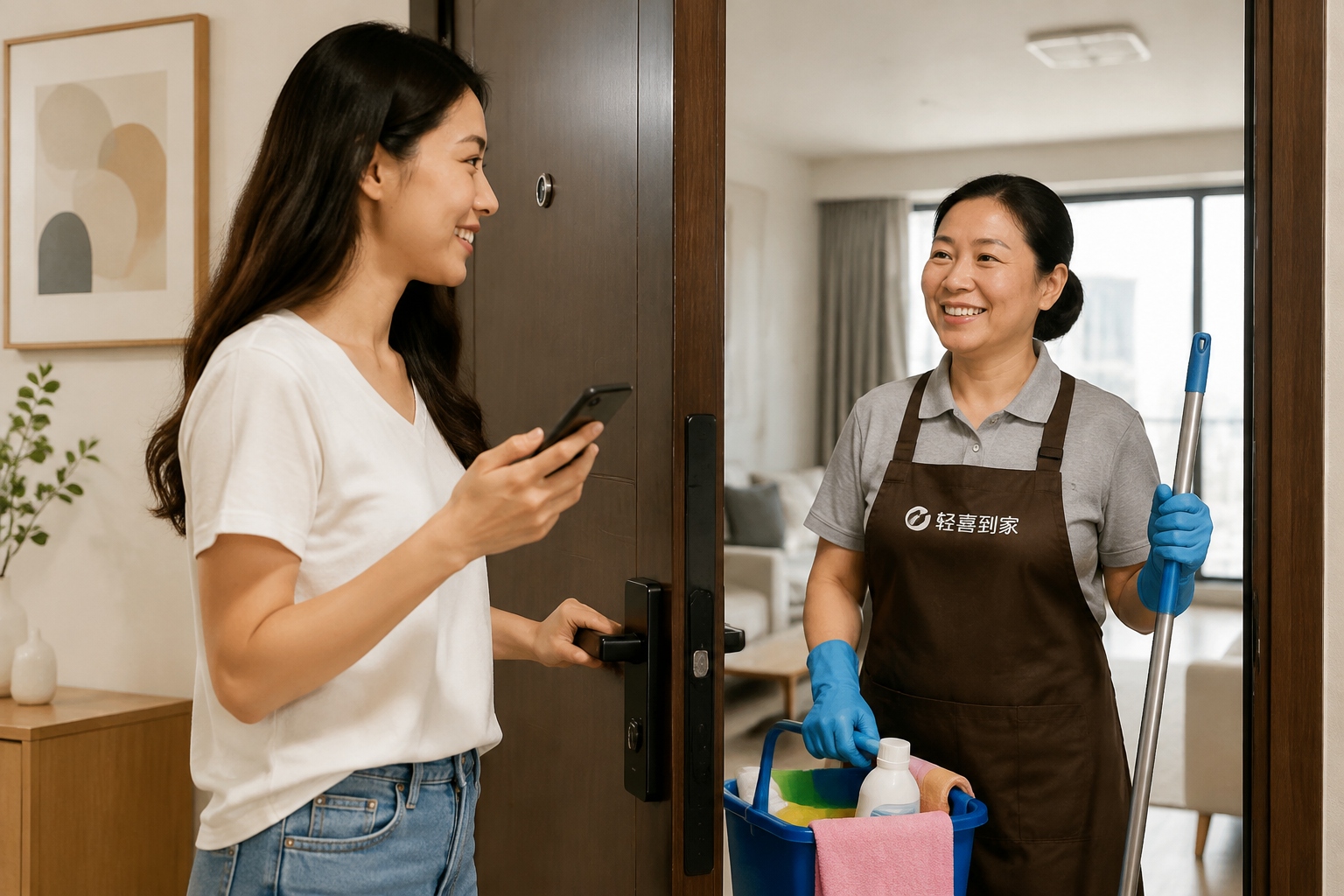
I know some people feel like they “should” do their own housework. But in China, especially in big cities, there’s a pragmatic attitude about this. Hiring a part-time cleaning lady (we often call her “阿姨” — literally “auntie”) is common, even for middle-class families. Many younger professionals book her through an app, pay a reasonable fee, and get back a few precious hours of weekend to spend on themselves, with friends, or just on the couch watching terrible reality TV.
For me, outsourcing is a form of self-respect. When I’m not exhausted from scrubbing floors, I can actually be a better scientist—and a better person. I’m not saying you must do this, but consider it: what would you do with an extra three hours every Saturday? I use mine to sleep in, then hike in the hills around Shenzhen—something I’d never have imagined doing back when I was battling dust bunnies like a medieval warrior.
The Battle Isn’t Won, But It’s More Manageable
Of course, no weapon can completely eliminate household chores. There’s always laundry that needs sorting, mail that needs opening, and dust that finds its way to the top shelf. But changing my mindset—from “I must do all this myself” to “I can use smart tools and services”—made a huge difference.
Here are a few principles I now live by (free of charge, no references needed):
- Invest in tools that save time repeatedly. A good robot vacuum, an electric kettle with temperature control, a large-capacity dishwasher—choose a few and say goodbye to your muscle memory.
- Use apps to outsource tasks that you don’t enjoy or are terrible at. Groceries, cleaning, even meal prep—there’s an app for that in China, and you’ll be supporting a service worker’s livelihood.
- Create a chore schedule that matches your energy. Don’t try to vacuum at 10 PM after a long day. Put it on a robot’s schedule instead.
- Accept imperfection. Not every surface needs to be spotless. Choose your battles wisely.
And one more thing: it’s okay to laugh at the absurdity. When my robot vacuum gets stuck on a single sock, I don’t rage; I take a photo and send it to my friends. The battle is never truly won, but at least we can enjoy the comedy.
So is this a victory? Sort of. I’ve made peace with the idea that chores are no longer an epic battle, but more of a background process—like an automatic update that runs while I enjoy my life. In the fight between a female scientist and household chores, the “new weapons” are not about fighting harder. They’re about using your brain, using the tech, and using the services around you.
Now, if you’ll excuse me, my Dobby is beeping. Apparently, it found a stray sock. Some battles, you never really win.
Start the discussion at forum.chinacomes.com