
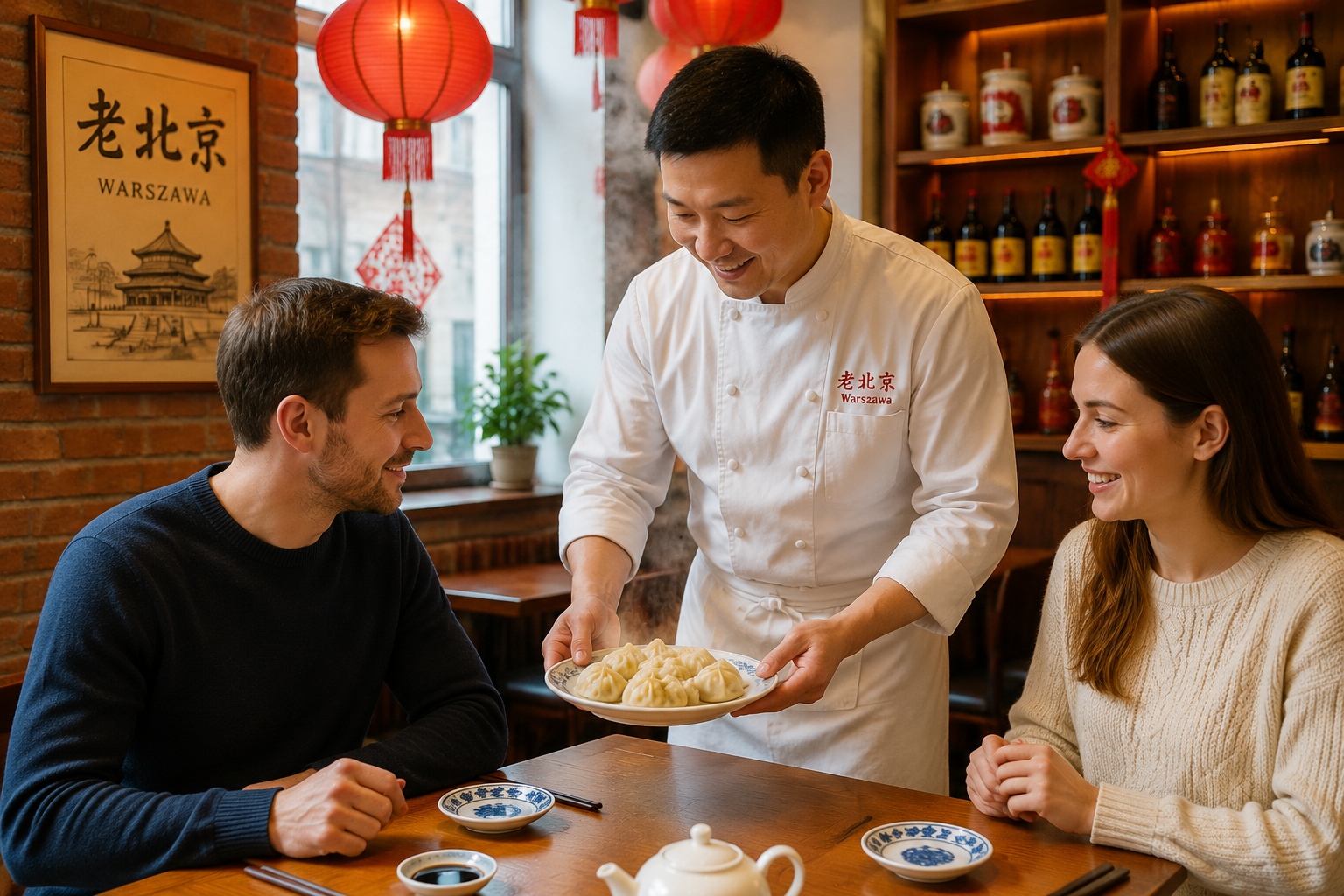

Let’s Start with the Dumplings
First-time visitors to one of Poland’s scrappier Chinese restaurants might find the menu slightly confusing. There’s “sweet and sour chicken,” obviously, but also a dish called “American-style fried rice” that no one in China has ever eaten. And if you ask for dumplings, you might get something that looks more like a pierogi’s long-lost cousin. These are the small cultural collisions you discover when you run a Chinese restaurant in Poland — and thanks to the Belt and Road Initiative, a growing number of Chinese entrepreneurs are figuring them out in real time.
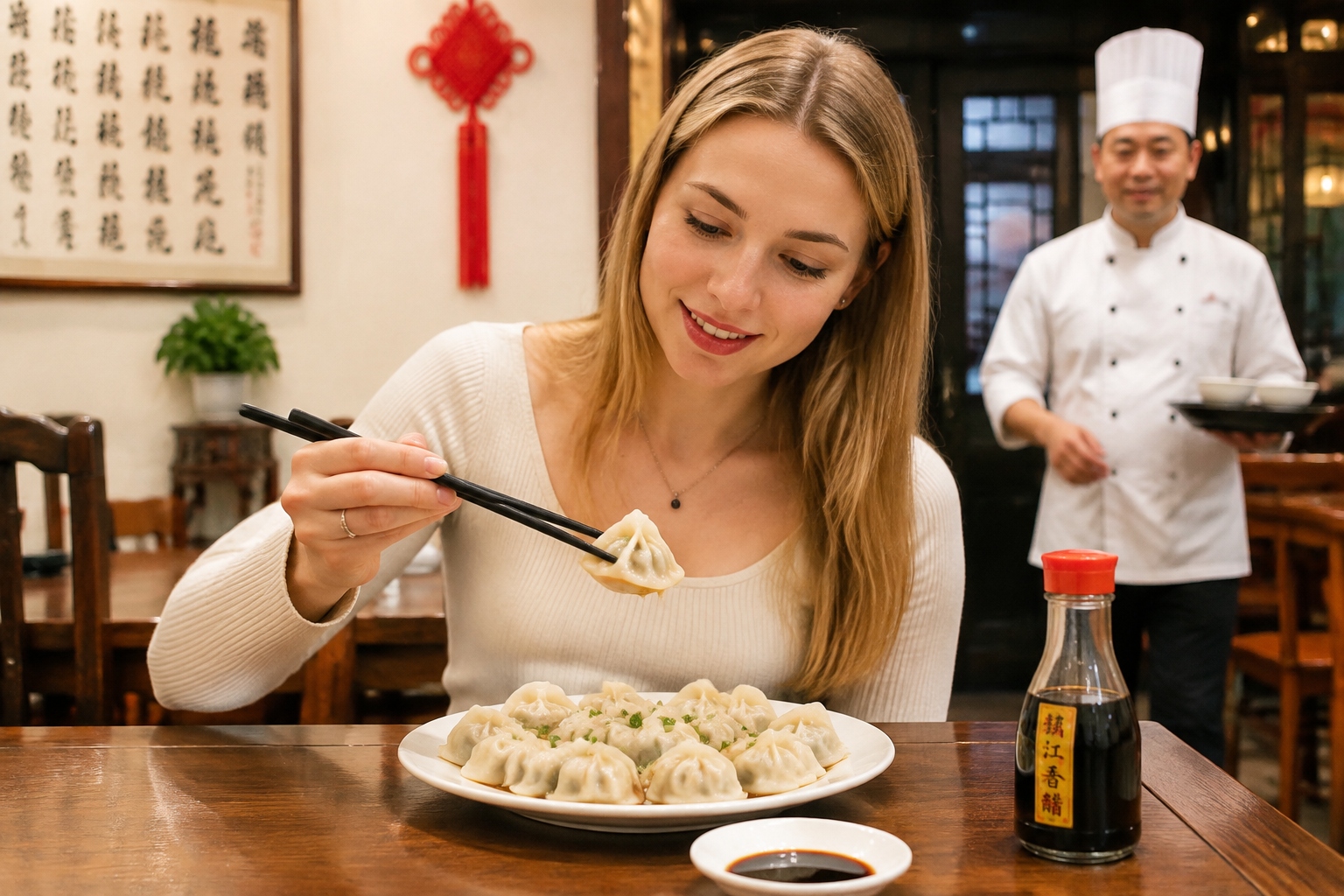
The Belt and Road Turns a Page
Poland is one of the few European countries where the Belt and Road Initiative seems to have a name for every occasion. Chinese investors have poured money into rail hubs, ports, and industrial parks. The China-Europe Railway Express, which now runs dozens of trains weekly to Poland, has turned the country into a key gateway for goods moving between Asia and Europe.
It’s also become a more visible presence on the ground. In 2023, the China-Europe Railway Express operated over 17,000 trips in total, and a large share passed through Poland. That flow has brought not just goods, but people: Chinese engineers, logistics managers and sales reps who need a decent bowl of noodles after a long flight. For local restaurateurs, these are the customers who keep the kitchen busy on weekdays.
A Chef from Shandong, a Restaurant in Warsaw
Li Wei looks like someone who could wrestle a pig, but he mostly wrestles with duck sauce. He was trained in Shandong, paid his dues in Budapest, and moved to Warsaw in 2018 to open a restaurant called “Czerwony Wąs” (“Red Mustache”) — a name that confuses both Chinese and Polish customers, but he likes it. “It’s memorable,” he says.
His first few months were a crash course in Polish food culture. A customer once asked for “Chinese pizza” (he made one with a scallion pancake base). Another ordered a bowl of hot and sour soup and requested a side of sour cream. “I thought she was trolling me,” Li laughs. “She was being genuinely Polish.”
Cheese in a Dumpling? Sure, Why Not?
Li quickly learned that authentic Sichuan heat was a no-go for most Poles. “One guy asked if we had a fire extinguisher,” he jokes. So he runs a dual-menu operation: one for Polish regulars who want sweet-sour and mild, and another for Chinese customers who ask for real mala. His bestseller is a platter of hand-made dumplings with two fillings: pork and chive for the purists, and potato-cheese for the local crowd.
“Poles trust cheese,” Li explains. “So I gave them cheese in a dumpling. Chinese tourists look at it like it’s a science experiment, then they try it and take a photo.”
It helps that Li hires locals. His cook, Agnieszka, started as a dishwasher and is now his second-in-command. She used to think Chinese food was just “sweet chicken and fried rice.” Now she can make hand-pulled noodles and argues with him about whether the sauce needs more sugar. “She tells me how to cook for Poles, and I tell her how to cook for China,” Li says.
He’s also come up with a “Polish-Chinese pierogi” for the holidays, blending sauerkraut and mushroom into a wonton wrapper. “It’s fusion, but not the fancy kind,” he says. “It’s the kind a grandmother would approve of.”
Supply Lines and Soy Sauce
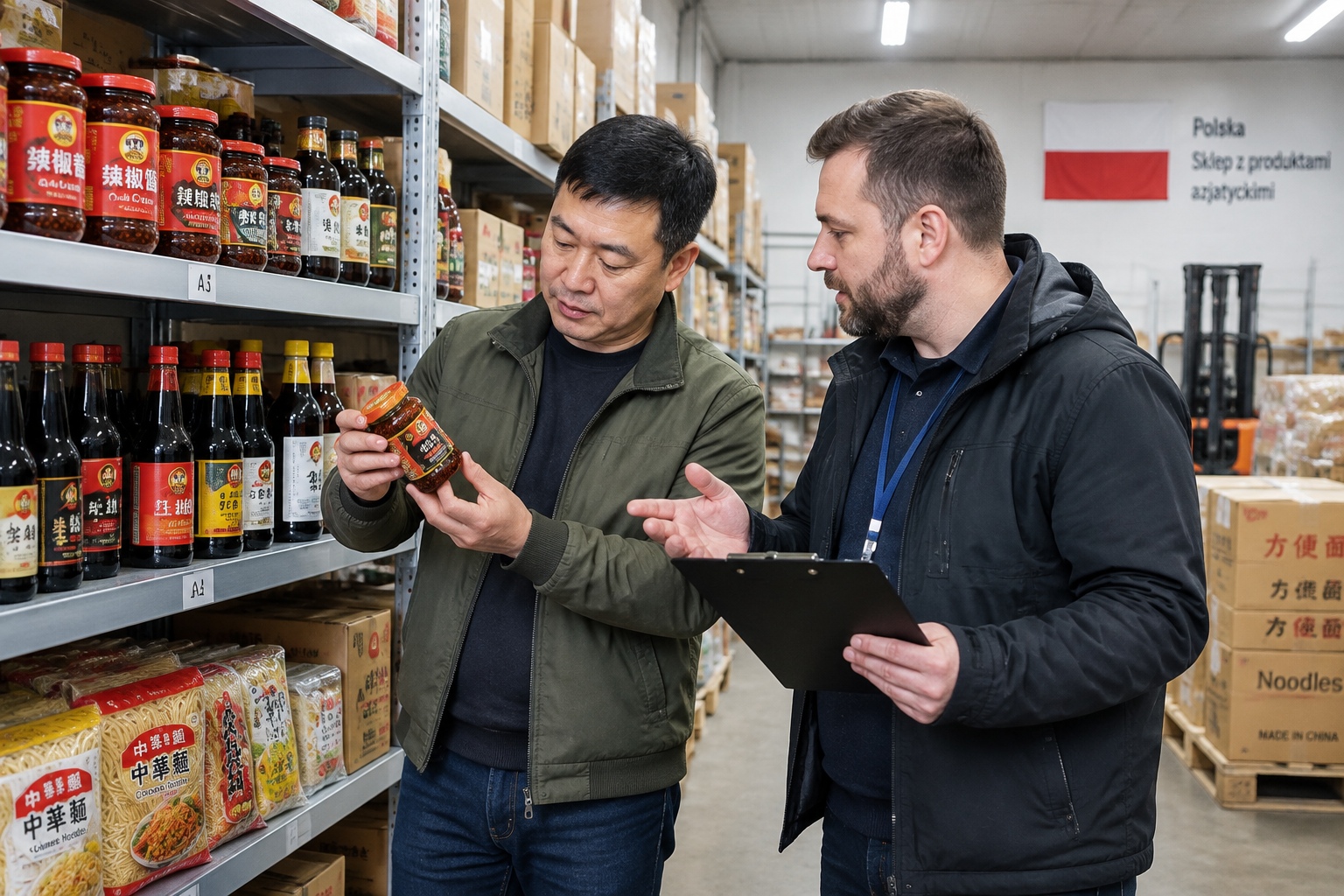
One morning each week, Li drives to a warehouse outside Warsaw run by an import company called “Asia Smak.” It’s part supermarket, part community hub. You can find frozen dumplings, woks, rice paper, and an entire aisle of sauces that smell like a home you’ve never visited. The warehouse is also where Chinese restaurant owners swap intel. Over boxes of dried mushrooms, they discuss which brand of soy sauce tastes most authentic, where to find fresh lotus root, and whether the rail route from Xi’an is faster than the one from Chengdu.
Li says the rail freight has been a game-changer. “Before, I had to plan my menu around what was already in Poland. Now I order specialty ingredients and they arrive in days.” He shows me a jar of chili crisp with a label from Sichuan. “This used to take three months by boat. Now it takes a week by train.”
New Customers, New Tricks
For years, the only Chinese faces in Li’s restaurant were his family and a few friends. Now, thanks to the BRI, business travelers fill the tables on weekday nights. They’re engineers who just finished a logistics contract or sales reps who need a taste of home after a week of pierogi and bigos. “They always order the spiciest thing on the menu,” Li says. “Then they take a picture and say, ‘My girlfriend won’t believe this is in Poland.’”
Poles are also becoming more curious about real Chinese food. Some have visited China themselves; others work with Chinese companies and want to impress their colleagues. Li has started hosting tiny “sauce classes” where he teaches locals how to make an honest bowl of dan dan noodles. “If they learn the recipe, they’ll order more. Business 101,” he grins.
Challenges, Rent, and the Future
It’s not all sweet dim sum. Rent in Warsaw has crept up, staff turnover is real, and Polish paperwork can make even a veteran chef want to scream into a pillow. Li also admits that the BRI hasn’t fixed everything: importing food still requires mountains of paperwork, and customs can be slow when the train arrives.
But he’s still bullish. He’s planning a second spot in Kraków, where one of his former waiters just opened a small noodle bar. And he’s dreaming of a food truck that offers “Chinese tacos” with dumpling-shell shells, because why not?
What’s on Your Plate?
Li is convinced that food is the easiest bridge between cultures. “You can’t explain the Belt and Road with a PowerPoint, but you can with a bowl of noodles,” he says. “When someone in Warsaw eats a dumpling and says ‘that’s good,’ they’re tasting a little piece of China.”
So the next time you find yourself in Poland and spot a restaurant with a red mustache logo, go in. Order the cheese dumplings. Ask for hot sauce. And maybe bring a fork — just in case.
Start the discussion at forum.chinacomes.com