
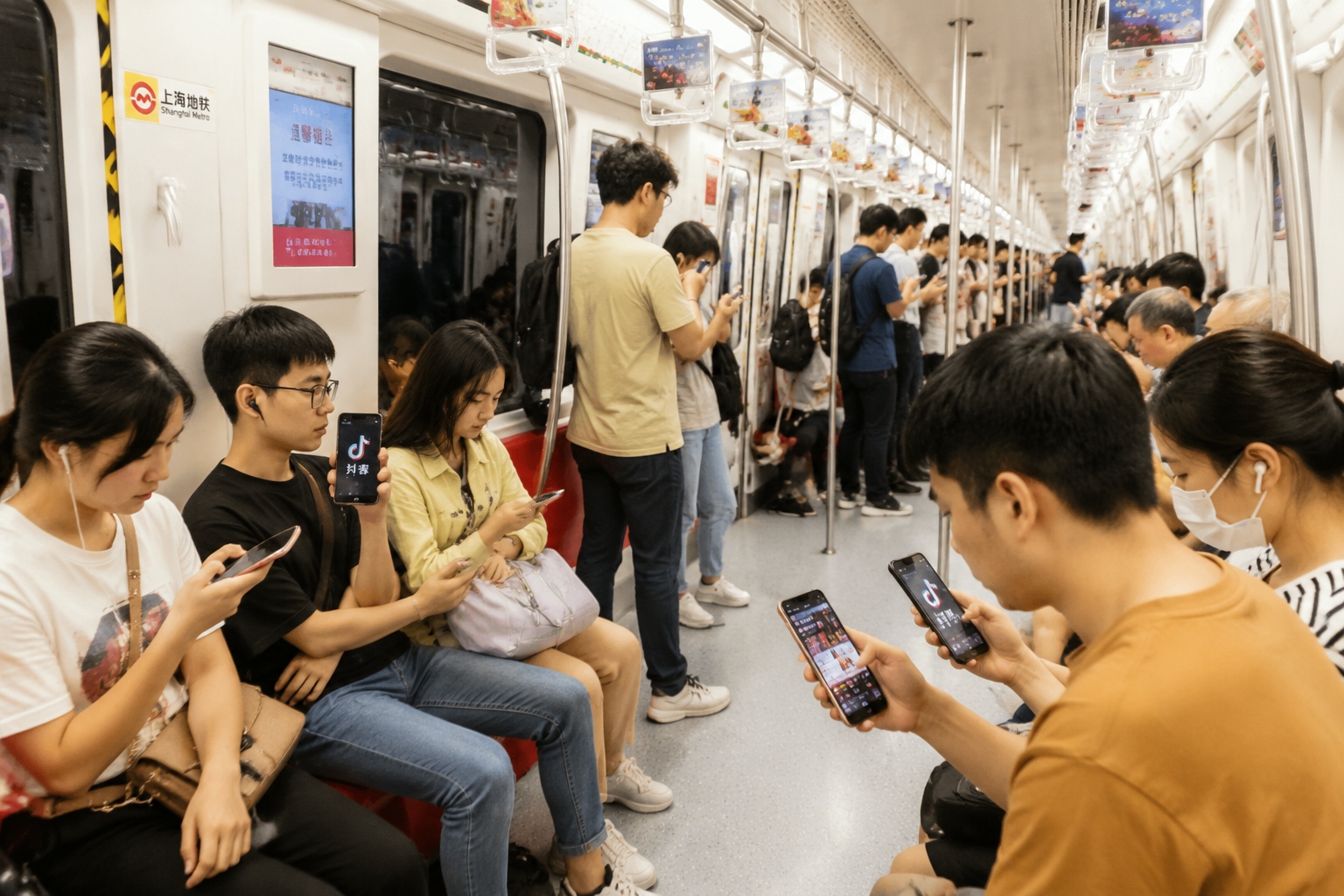

Introduction: A Screen That Never Sleeps
Imagine this: at 9 p.m., a 24-year-old office worker in Shanghai sits on the subway, phone in hand, thumb scrolling upward. She watches a 15-second video of a grandma in Sichuan cooking spicy noodles, then a young man in Beijing testing a new electric car, then a high school girl in a small town teaching a math trick. She laughs, she notes, she swipes again. She is one of the 700 million daily active users of Douyin, the Chinese version of TikTok.
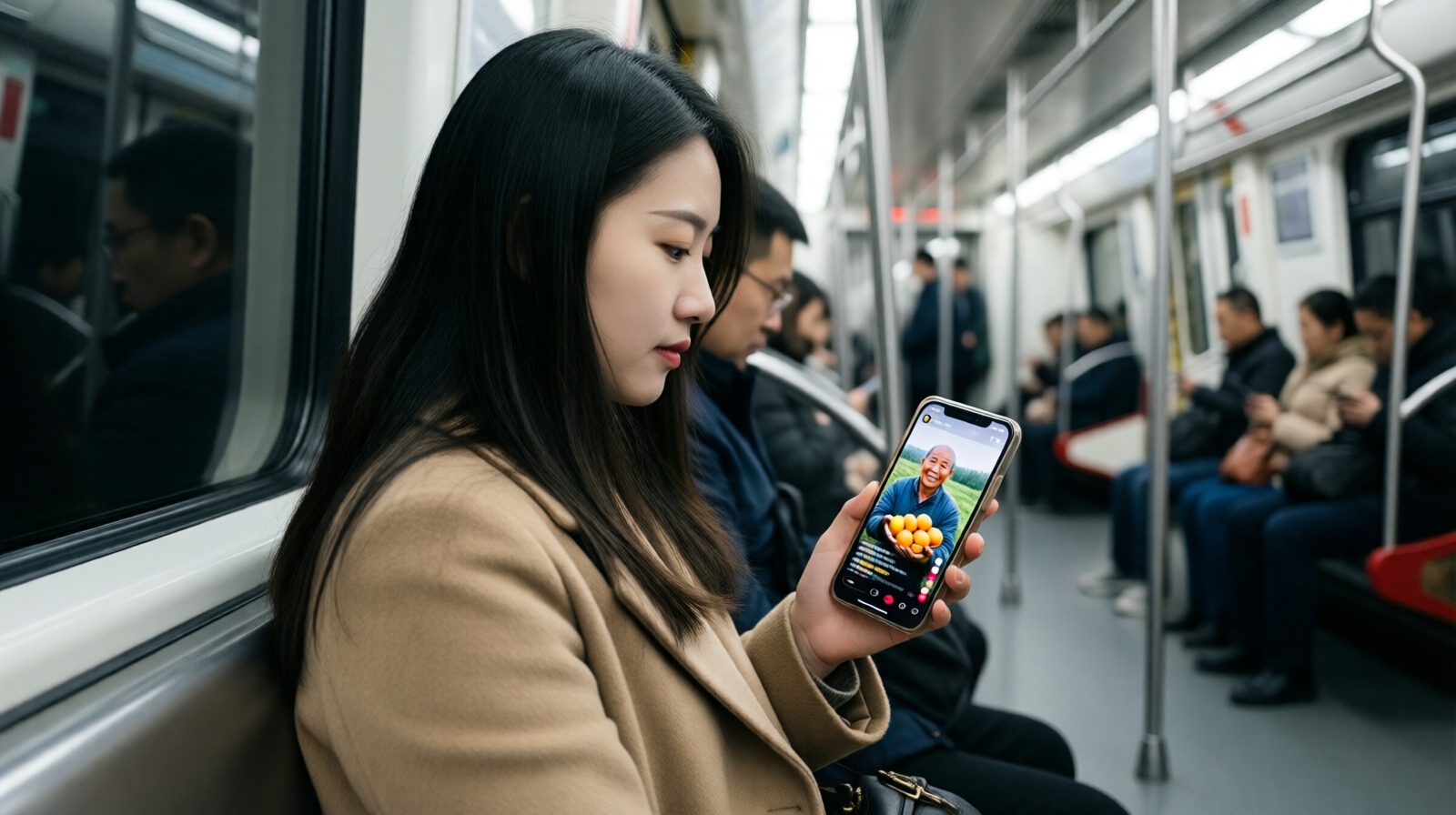
Born in 2016, Douyin has become a cultural phenomenon. It is not just an app; it is a window into how ordinary Chinese people express themselves, earn a living, and get entertained. But behind the catchy tunes and viral dances, a question lingers: is this explosion of content a sign of genuine self-expression, or are we watching a giant algorithmic carnival where everyone is dancing to the same invisible beat? Let’s look at the real stories.
The Freedom Side: Anyone Can Be a Star
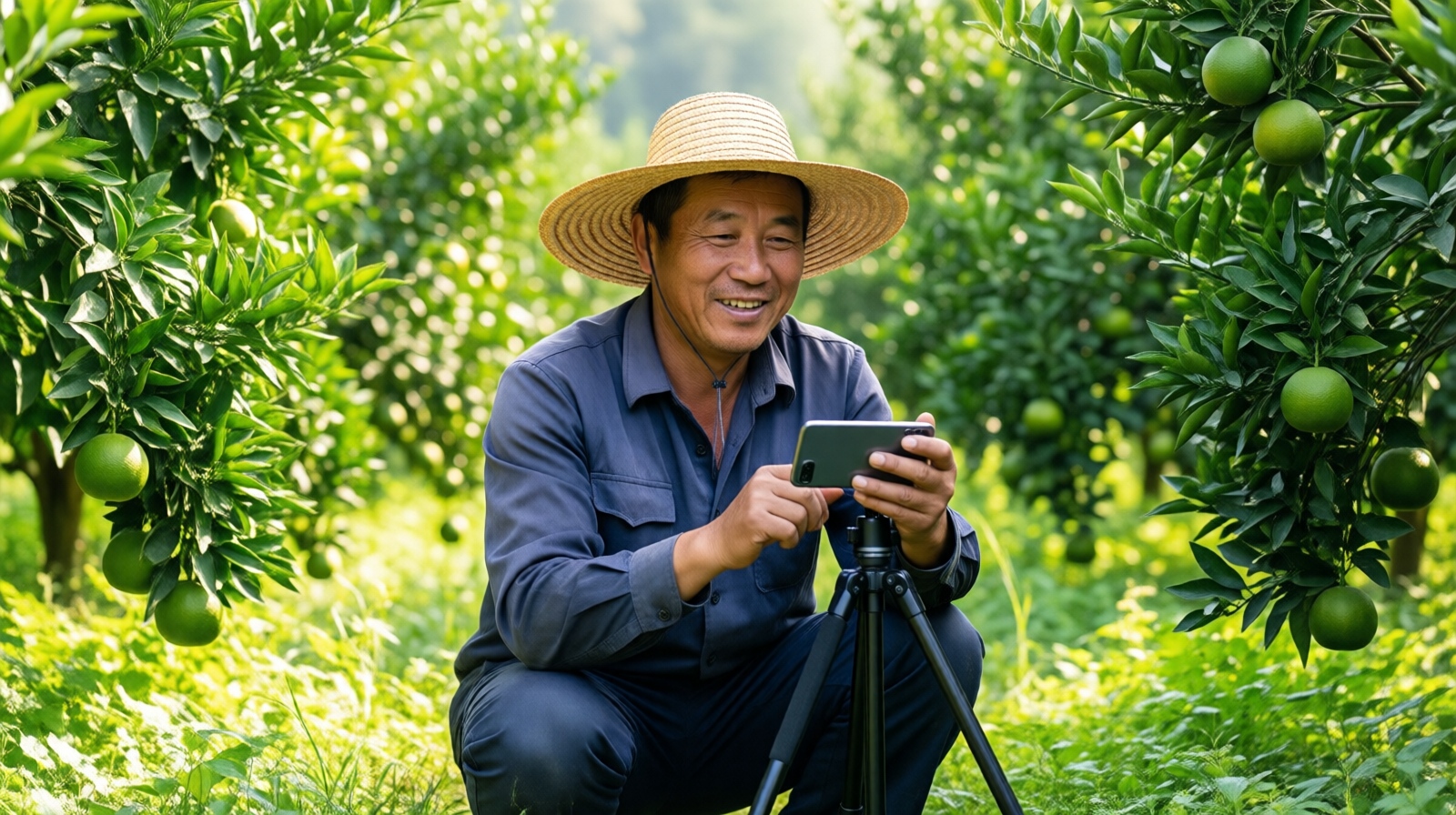
Douyin’s biggest promise is low-barrier creation. You don’t need a camera crew or a studio. A farmer in Yunnan can film his lychee orchard with a smartphone, add a few lines of text, and within hours, thousands of people across China see it. This is not hypothetical. In 2023, a 58-year-old farmer from Jiangxi named Mr. Chen started posting short clips of his daily life — picking vegetables, feeding chickens, singing folk songs. His simple, honest videos gained 2 million followers. He now sells his farm products directly to viewers, earning more than his previous year’s income from wholesale markets.
Young people also find a stage. A 19-year-old university student in Chengdu, Xiao Li, spends her spare time editing short comedy sketches that parody campus life. Her videos get millions of views. She says: “Douyin gave me a voice. In my hometown, no one would publish my ideas. Here, people judge me by my content, not my background.” This is the optimistic side: Douyin democratizes visibility. Small businesses, craftsmen, and even street performers use it to attract customers and build personal brands. The phrase “no one is too small to matter” feels real here.
The Algorithm Machine: The Invisible Choreographer
But there is another side: the algorithm. Douyin’s recommendation system is famously addictive. It studies your every tap, how long you watch a video, whether you replay it, what you comment, and then feeds you more of the same. The goal is to keep you on the app as long as possible. This creates a powerful feedback loop. Creators quickly learn what works: a certain dance move, a specific emotional hook, a trending sound. Soon, you see thousands of variations of the same idea.
Take the “Coca-Cola Challenge” in 2022. A video of a teenager mixing Coke with milk went viral. Within a week, millions of imitations appeared — same action, same music, same caption. The algorithm rewarded the trend, so everyone copied. Creativity, in this sense, becomes a race to mimic what’s popular. A 28-year-old content creator in Guangzhou, who asked to remain anonymous, told me: “If I don’t follow the trending template, my video gets zero views. The algorithm punishes originality. So I produce what the machine wants. It pays the bills, but I feel like a puppet.”
This is the “information cocoon” effect: you see only what the algorithm thinks you like, and you stop seeing the rest of the world. Douyin becomes a personalized echo chamber, where millions of users are simultaneously isolated in their own bubbles and yet collectively dancing to the same viral beats.
Mixed Feelings: Love and Hate Among Young Users
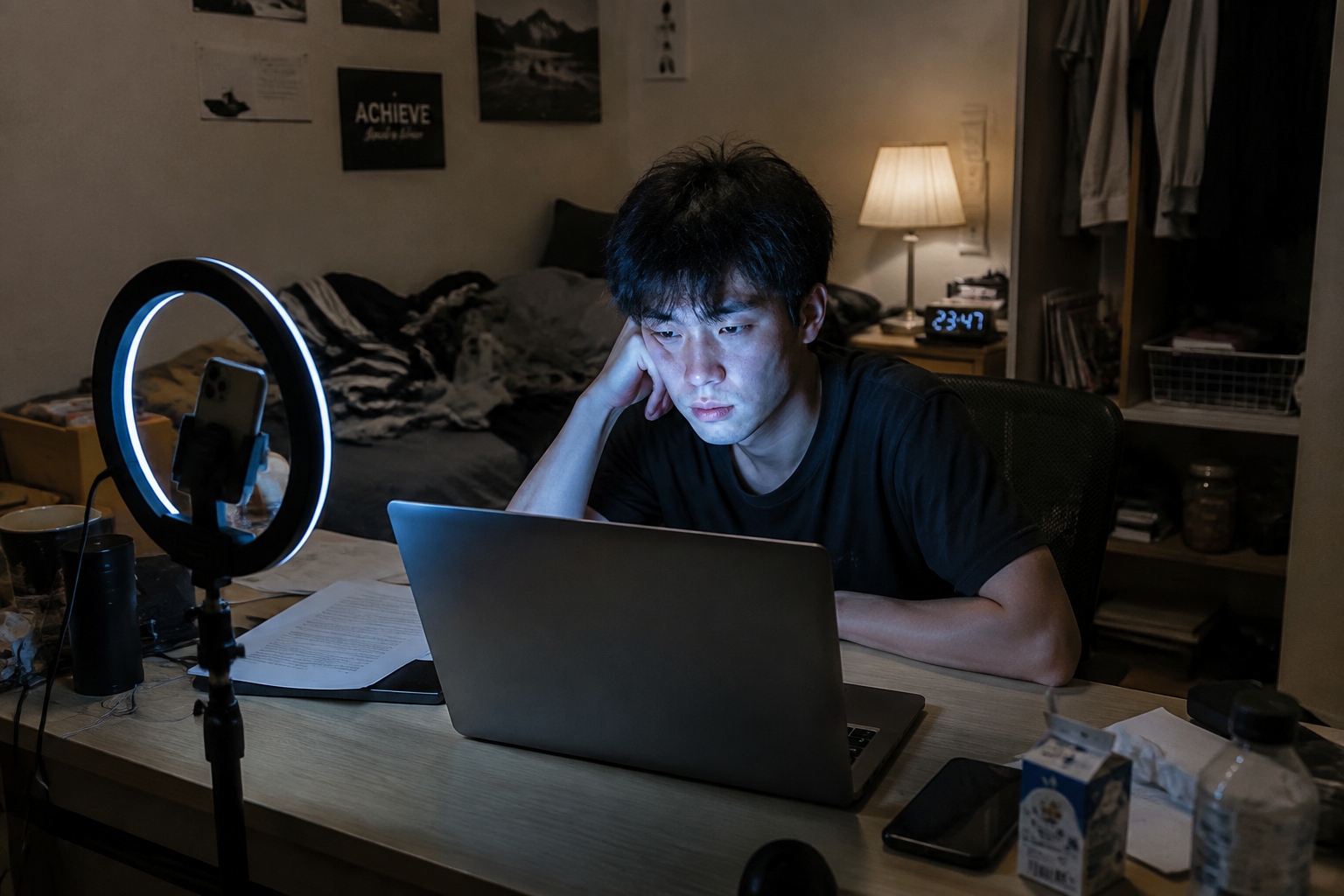
Interviews with a dozen users in Beijing, Shanghai, and a smaller city like Xuzhou reveal a common pattern: they love Douyin for its entertainment and opportunities, but they also feel manipulated. A 26-year-old woman in Beijing, a marketing professional, says: “I use Douyin to relax after work. But I noticed I can’t stop scrolling. The app knows exactly what to show me. It’s frightening. I tried to delete it, but I reinstalled it three times.”
A 22-year-old male student in Shanghai adds: “I started a Douyin account to share my guitar covers. I got a few thousand followers, but then my videos stopped getting views. A friend told me I needed to buy ‘Douyin+’ (a promotion service). I paid 50 yuan, and my video suddenly got 10,000 views. Is that freedom? Or is it just a pay-to-play game?”
These young people are acutely aware of the algorithm’s power. They speak of “流量焦虑” (traffic anxiety) — the pressure to constantly produce content that pleases the machine. Some succeed, most don’t. The platform creates both winners and losers, and the line between authentic expression and algorithmic compliance is blurry.
Social Impact: From Shopping to Social Movements
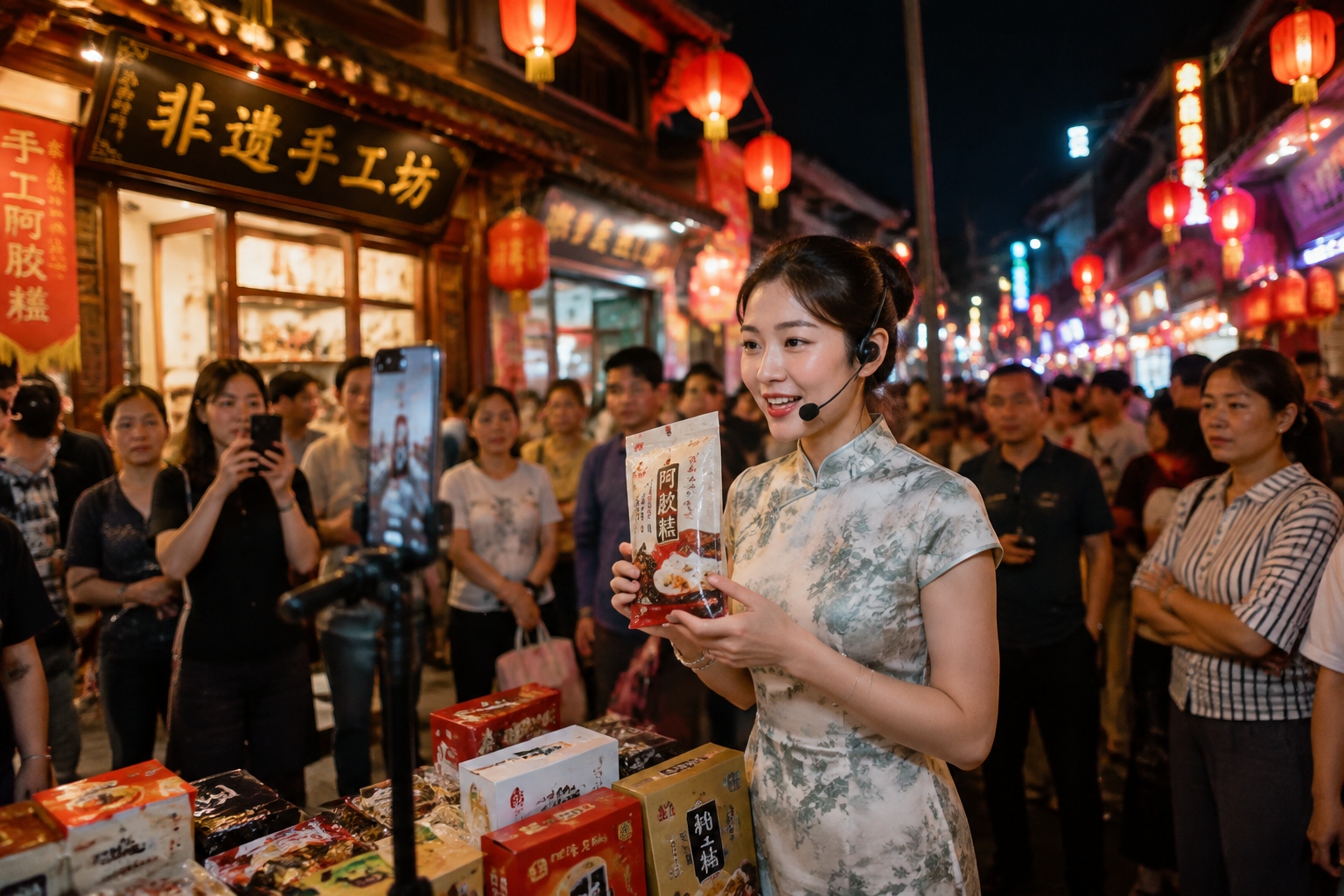
Douyin has reshaped how Chinese people shop. Live-streaming commerce, where hosts sell products in real time, is a multi-billion-dollar industry. In 2023, Douyin’s e-commerce GMV (gross merchandise volume) exceeded 1.5 trillion yuan (about $210 billion). A typical scene: a middle-aged woman in a rural village sells her handmade pickles while chatting with viewers. She is not just a seller; she is a storyteller. This is a new kind of retail, blending entertainment and commerce.
Beyond shopping, Douyin also amplifies social issues. In 2021, a video of a delivery driver in Beijing being unfairly treated by a restaurant manager went viral. Within hours, millions of people discussed it, and the restaurant was forced to apologize. This power to mobilize public opinion is real. But it also raises concerns: misinformation spreads just as fast. In 2022, a false rumor about a chemical leak in a factory caused panic in a city — all sparked by a Douyin video that was later debunked.
Douyin vs. TikTok: Same Tech, Different Worlds
While Douyin and TikTok share the same parent company (ByteDance) and similar algorithms, their content cultures are strikingly different. TikTok’s global version is more about dance challenges, international memes, and political commentary. Douyin, on the other hand, is deeply rooted in Chinese daily life. You see more food, local dialects, traditional crafts, and practical tips (e.g., how to fix a bike, how to cook a family meal).
Another key difference: live-streaming with virtual gifts. On Douyin, viewers can buy “rockets” or “diamonds” to send to streamers, who then convert them to real money. This system is way more prevalent in China than on TikTok. In 2023, a top Douyin streamer earned over $10 million in a single year just from virtual gifts. This creates a celebrity culture that is both aspirational and controversial — some streamers encourage viewers to spend beyond their means.
Also, the regulatory environment is different. China has strict content moderation laws. Douyin removes content that violates rules on everything from gambling to political speech. This means the “free expression” on Douyin exists within a bounded space. Users know this, and most accept it as part of the social contract. The result is a platform that is vibrant but not anarchic — a mirror of China’s broader society.
Conclusion: A Tool, Not a Destiny
So is Douyin a force for explosive self-expression or algorithmic collective carnival? The answer is both. It gives a voice to millions who previously had none. It creates economic opportunities. It makes life more fun and connected. But it also channels creativity into narrow, profit-driven patterns. It can trap users in echo chambers and create anxiety.
For an ordinary Chinese person, Douyin is a tool. It reflects the energy and contradictions of a rapidly changing society. The key is awareness. As one user put it: “I know the algorithm is watching me. But I also know I can choose to put down my phone. It’s about balance.” In the end, the carnival is real, but so is the individual agency — if we choose to exercise it.
Start the discussion at forum.chinacomes.com