

The Sound of Scissors in a Changing City
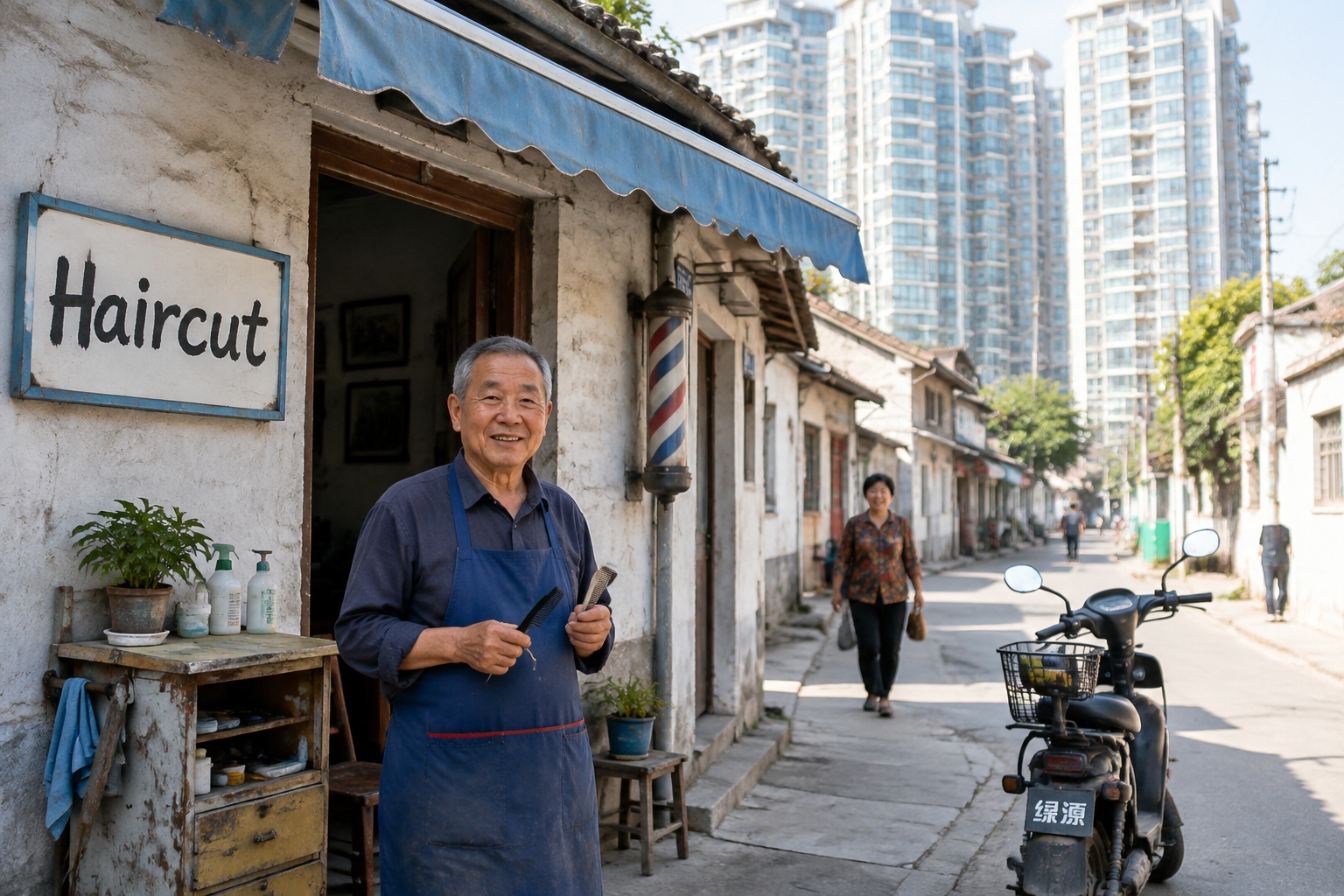
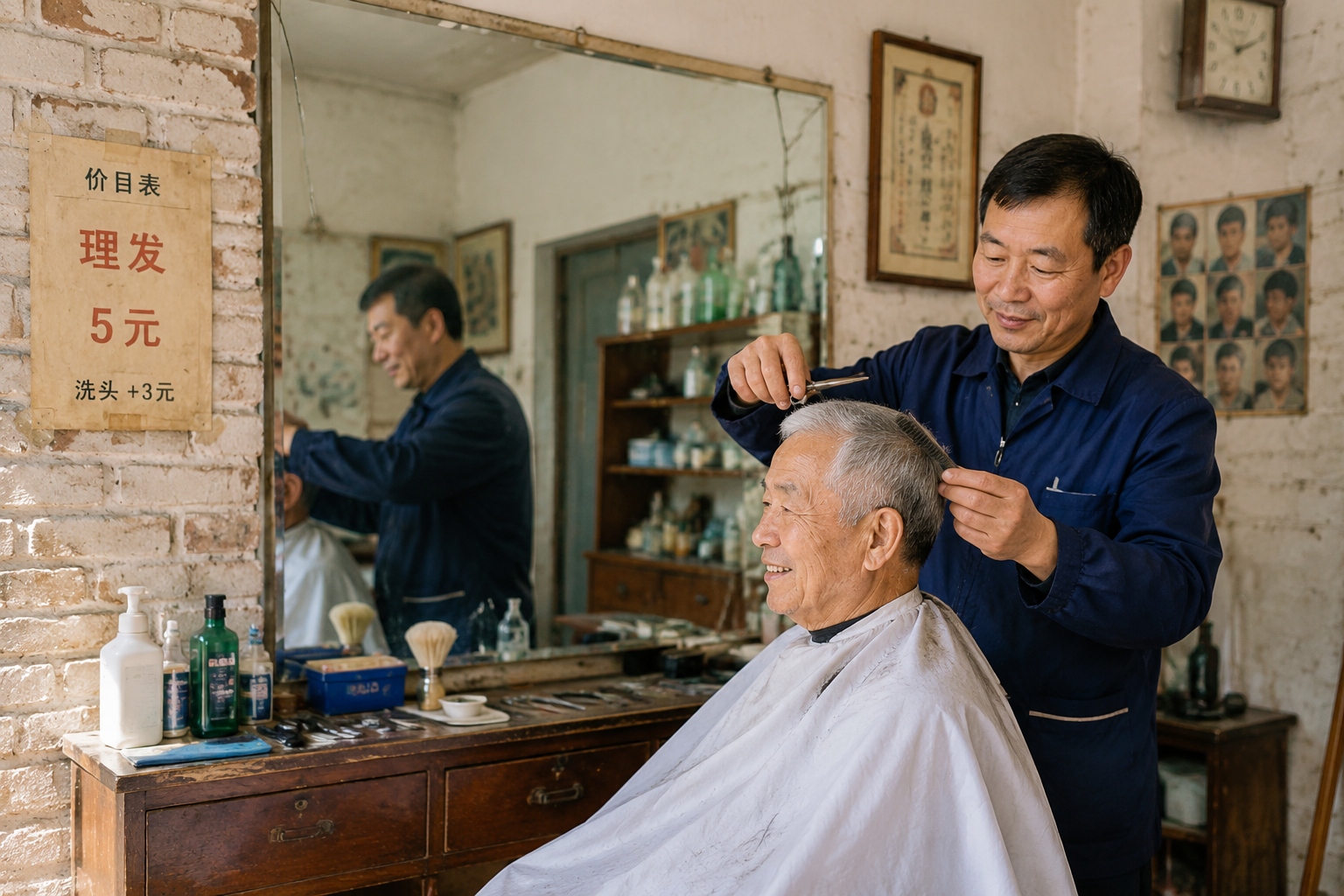
The scissors don’t make a flashy sound. It’s a steady, rhythmic snip-snip that cuts through the hum of electric scooters and distant construction drills outside. Inside a narrow storefront on an old residential street in Shanghai, seventy-two-year-old Master Chen wipes his hands on a faded blue apron and points to the laminated price list taped to the wall: 5 RMB. No extra charge for washing. No membership card required. Just a warm towel, a nylon cape, and forty minutes of quiet attention.
Walk two blocks in any direction, and you’ll find glass-fronted cafes charging thirty yuan for an oat milk latte. Yet Chen’s shop, barely six square meters, has survived three decades of urban renewal. When the city decided to widen the street and replace old brick houses with mixed-use commercial towers, most tenants moved. Chen stayed. His chair sits where a fruit stall used to be, and he still cuts hair for the same retirees who lived here before the elevators arrived.
A Price Tag That Time Forgot
Chen didn’t start his trade as a business venture. He learned it in 1989 from a neighborhood master who took him on as an apprentice. Back then, five yuan was a significant sum—half a day’s wage for a factory worker or a school teacher. A haircut should be affordable,
Chen tells me, adjusting the clippers. If people can’t afford a clean shave, they lose their confidence. We are all just trying to face the day with dignity.
He kept the price unchanged through the 1990s economic boom, the 2008 property surge, and the pandemic years. His son, now a software engineer in Shenzhen, visits during holidays and asks him to raise it to ten or fifteen yuan. Chen shakes his head. I’m not cutting hair for profit. I’m keeping a spot open for people who need it. Money is just paper. What matters is who sits in that chair.
His personal life reflects the same quiet restraint. He lives in a modest apartment on the second floor of the same building, cooks simple meals, and spends his afternoons playing chess with neighbors. He doesn’t own a car. He doesn’t invest in stocks. But he has saved enough to cover his son’s wedding and his mother’s medical bills. The extra yuan he could charge per customer never crossed his mind.
Neighbors, Landlords, and a Quiet Stubbornness
To the outside world, it looks like stubbornness. A property management company recently offered to lease the ground floor for a bubble tea franchise, promising double the current rent. Chen declined. The local market regulator once suggested he register as a formal small business to access tax benefits and health inspections, but he prefers the informal setup. Formal means forms,
he jokes. Informal means people.
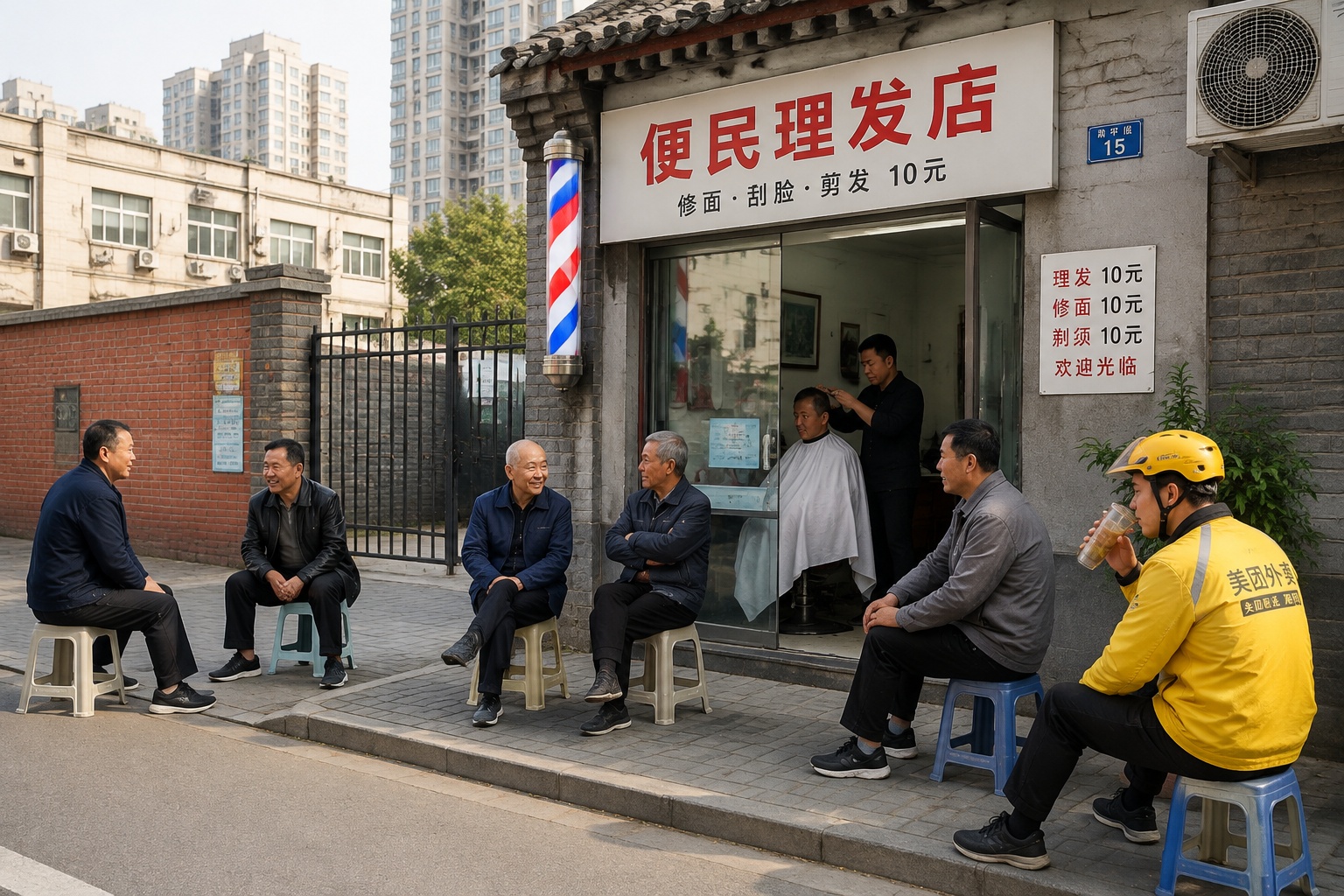
Delivery riders use his shop as a resting point during their breaks. Students coming home from tutoring stop by on weekends. Some neighbors worry about him—aging hands, rising utility costs, the physical toll of standing for hours—but most treat his shop like a community anchor. He’s not running a company,
says Lin, a retired teacher who has been a regular for twenty years. He’s holding the neighborhood together. When the street feels too loud, you come here. The noise stops. You just breathe.
More Than Just a Discount
In an economy driven by dynamic pricing, algorithmic discounts, and subscription models, Chen’s five-yuan haircut feels almost radical. It isn’t just about affordability. It’s a quiet refusal to let market logic erase human scale. When you pay for a service in modern China, you usually expect a transaction optimized for speed and upselling. At Chen’s chair, the exchange operates on a different timeline.
He remembers the early days when neighbors would bring him homemade pickles or freshly baked mantou as thanks. He still accepts them, not because he needs the food, but because it keeps the relationship reciprocal. In a society that has raced toward digital payments and contactless delivery, this kind of face-to-face reciprocity is rare. It doesn’t scale. It doesn’t trend on social media. But it works.
Urban planners often talk about community resilience
in academic papers. Chen embodies it without a single spreadsheet. His shop survives because people protect it. When the street was repaved last year, the municipal team quietly extended the awning over his entrance so rain wouldn’t soak the floor. Landlords nearby tolerate his low rent because they know he keeps foot traffic alive during slow seasons. It’s an unspoken social contract: he offers stability, they offer space.
The Cut That Stays With You
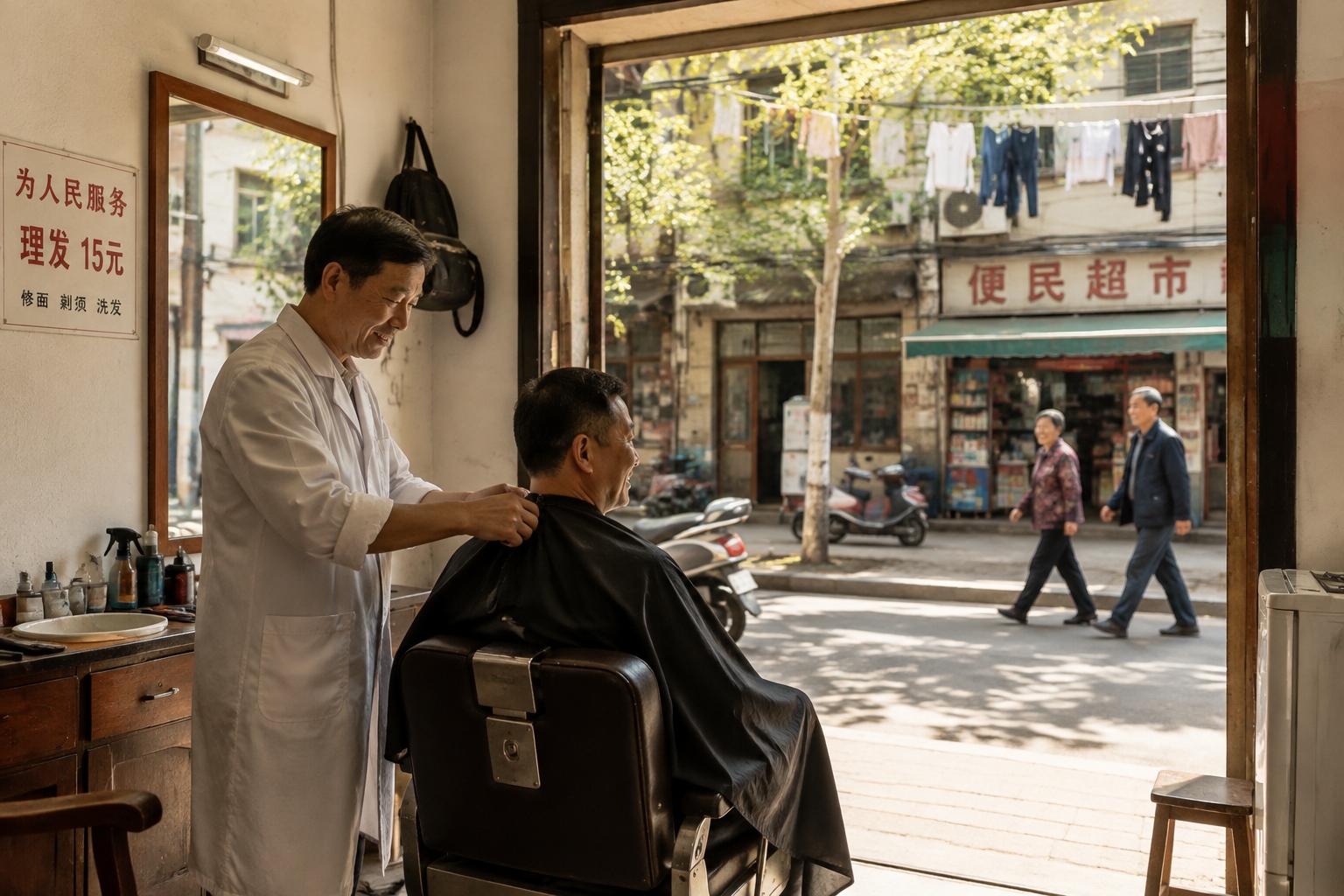
I sat in his chair last Tuesday. The water was warm. The towel smelled faintly of eucalyptus and old wood. He didn’t ask about my job or where I lived. He just listened when I talked about the stress of modern work, then handed me a mirror with a practiced, gentle flick of the wrist. Five yuan. No receipt. No follow-up message. Just a clean cut and the quiet certainty that some things in China are still measured in human terms, not yuan.
As I stepped back onto the street, the city rushed back in. Scooters honked. Delivery apps pinged. Prices flashed on digital screens. But for a few minutes, there was a space where time moved at the speed of hands, not algorithms. Chen’s stubbornness isn’t nostalgia. It’s a deliberate choice to keep one corner of the city grounded. In a country that often measures progress by speed and scale, he reminds us that dignity doesn’t need to be expensive. It just needs someone willing to hold the line.
Start the discussion at forum.chinacomes.com