

A Friday landing, a Wednesday departure
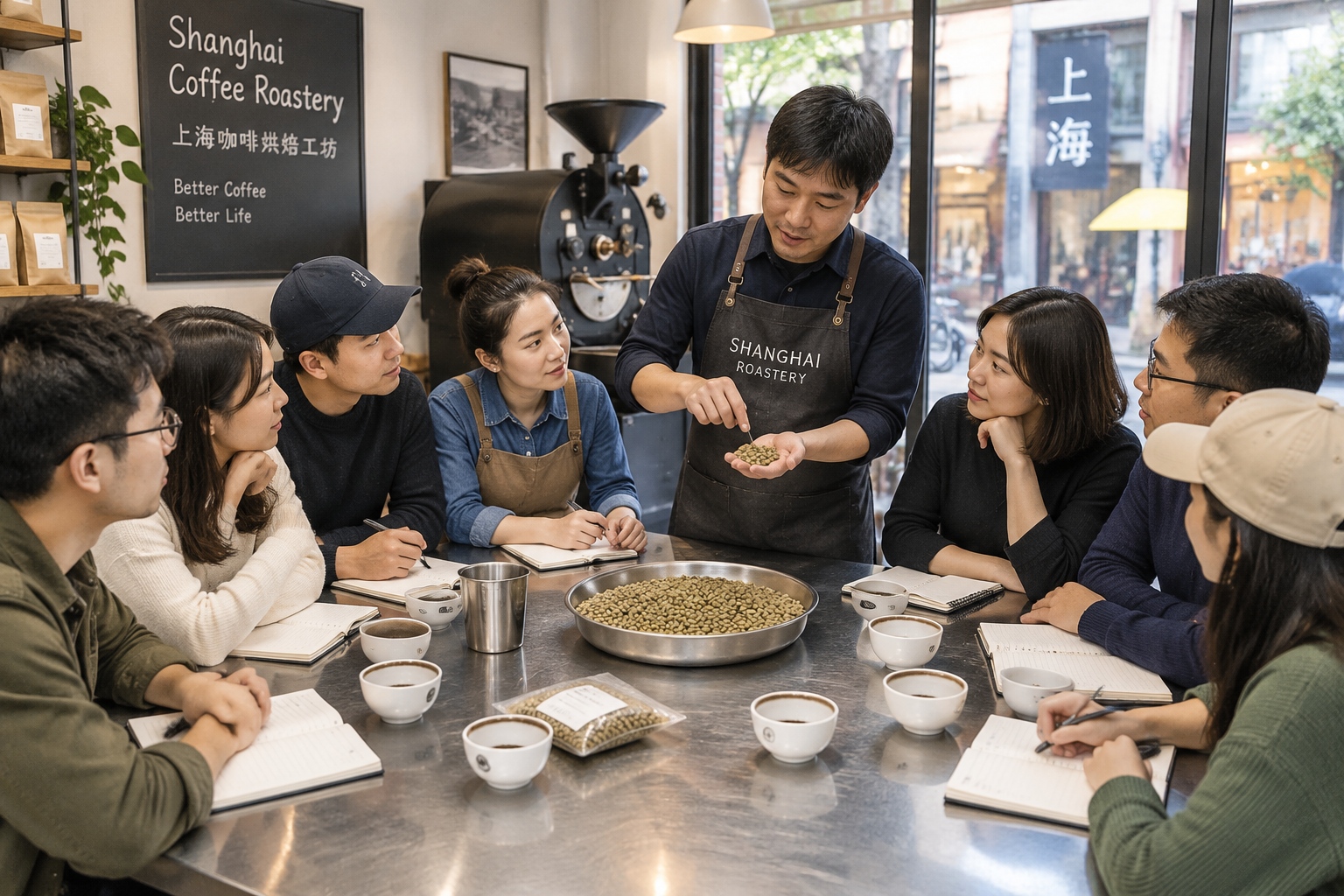
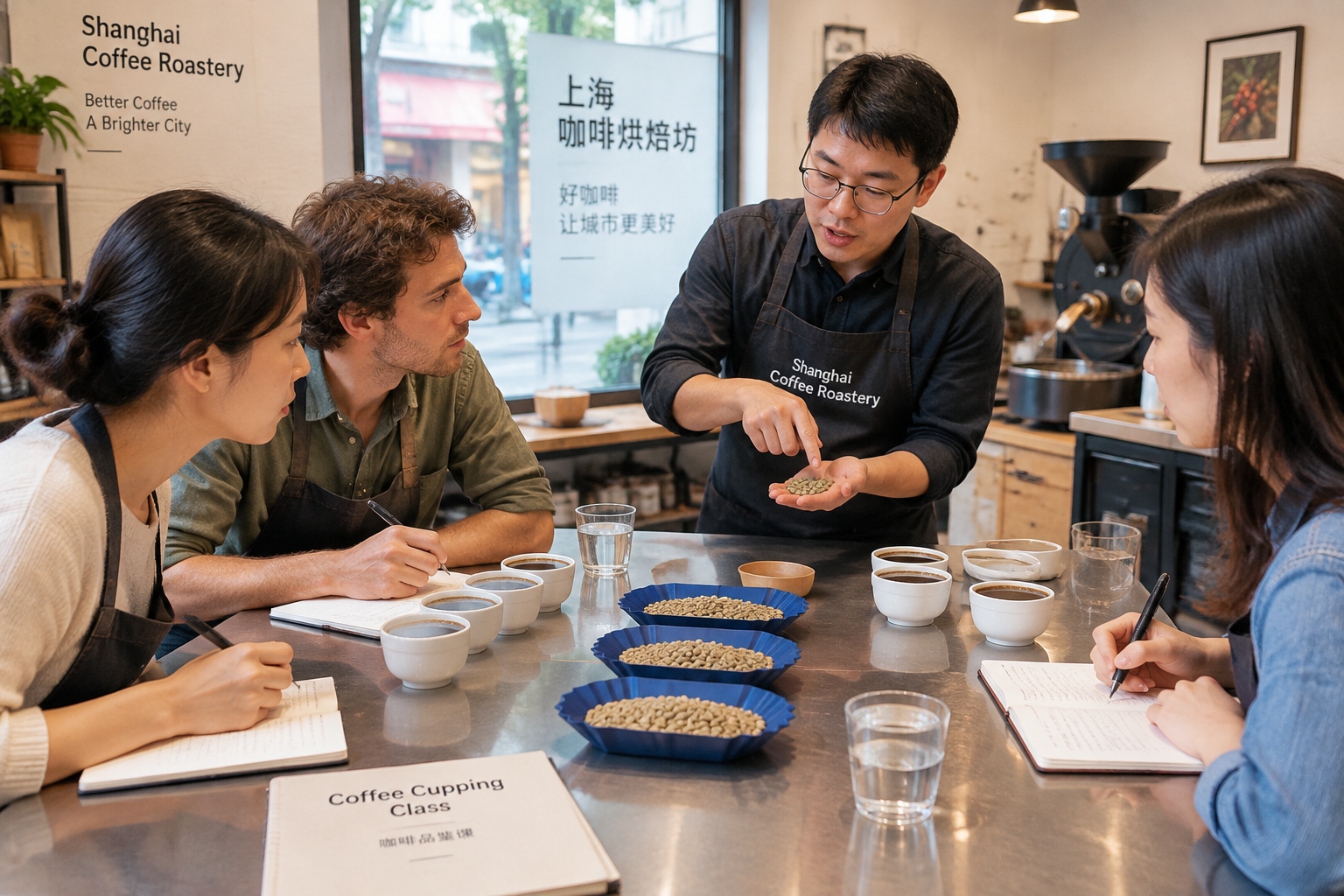
At 6:40 on a Friday evening, a traveler from Germany is standing outside a small coffee roastery in Shanghai’s Jing’an district. Her flight landed two hours earlier. She has a visa-free entry stamp, one carry-on bag, and a booking for a two-hour coffee-roasting class that starts in twenty minutes. On Wednesday at noon she will fly home. Between those two points sit 4.7 days—enough for a couple of short courses, but not enough for a conventional grand tour.
This is the kind of trip that China’s visa-free entry has made easier to imagine. The numbers often cited in the inbound-travel industry are 4.7 days and 72%. They describe an average length of stay and the share of short-stay travelers whose itineraries include more than one city. The source matters: these figures come from online travel platform samples and industry reports, not a national census. They skew toward travelers who book hotels or trains online. Still, they point to a real pattern. Short visits are being chopped into evenings, mornings and train windows. A growing number of visitors are using those fragments to join an ordinary Chinese evening class.
Why 4.7 days changes the trip
Visa-free travel is not a single policy. Depending on nationality, travelers may enter under unilateral visa-free arrangements, regional transit exemptions, or bilateral agreements. The allowed stay can range from 240 hours for some transit routes to 30 days for citizens of certain countries. Always check the current rule for your passport. The practical point is simpler: many visitors now arrive without a visa and with a tightly booked week.
That changes what a trip can contain. A 4.7-day average is not a promise of four free evenings. Flights consume half a day. High-speed rail is fast but station-to-station time adds up. Meetings, family visits and sightseeing compete for the same hours. The cross-city short course works only when it is small. One evening class in Shanghai. One Saturday workshop in Hangzhou. One morning in Guangzhou before a flight. The learning is not a degree. It is a way to sit in a room with people who live there.
The map: five cities and the short courses that fit
For a short-stay traveler, the most practical courses fall into four groups: Chinese plus a vocational skill, heritage crafts, food training, and e-commerce or maker sessions. Prices below are typical ranges observed in city workshops and community night schools in 2024 and 2025. They vary by materials, teacher and class size.
- Shanghai: coffee roasting, baking, flower arranging, community night-school languages. Two to three hours, usually RMB 150–380.
- Hangzhou: Longjing tea brewing, ceramics, heritage crafts, livestream e-commerce demonstrations. Two to four hours, usually RMB 150–400.
- Shenzhen: electronics repair, soldering, maker sessions around Huaqiangbei. Two to five hours, usually RMB 100–300 plus parts.
- Chengdu: Sichuan cooking, market visits, local dialect and culture sessions. One and a half to three hours, usually RMB 80–300.
- Guangzhou: dim sum, Cantonese home cooking, morning market classes. Three hours, usually RMB 200–380.
City by city: what the classroom looks like
Shanghai: a coffee class after office hours
The Shanghai class is often held in a roastery that doubles as a retail counter. Eight to twelve students sit around a stainless steel table. On a weeknight, most are office workers from nearby buildings. A few are freelancers. The instructor speaks Mandarin, with enough English for key terms if asked in advance. Students weigh green beans, listen to first crack, and cup three roasts. The class ends after 9 p.m. Registration usually runs through the shop’s WeChat mini program or a Dianping listing. The traveler pays by Alipay or WeChat Pay linked to an international card. What she notices is not a tourism performance. It is a normal after-work habit: people paying their own money to learn something small and specific.

Hangzhou: tea and clay between trains
Hangzhou is 45 to 60 minutes from Shanghai by high-speed train. A half-day tea workshop near Longjing or a ceramics studio in Liangzhu can fit between a morning train and an evening return. The tea class is quiet. A teacher pours water from a tall kettle, explains water temperature, and lets students compare two harvests. Ceramics classes are messier: wedging clay, centering a small bowl, choosing a glaze. Classmates are often young couples, designers, or parents on a weekend break. Prices run from RMB 150 for a short tea session to RMB 300–400 for a ceramics workshop with firing. Some studios offer English-friendly sessions; many do not. Ask before booking.
Shenzhen: soldering irons in Huaqiangbei
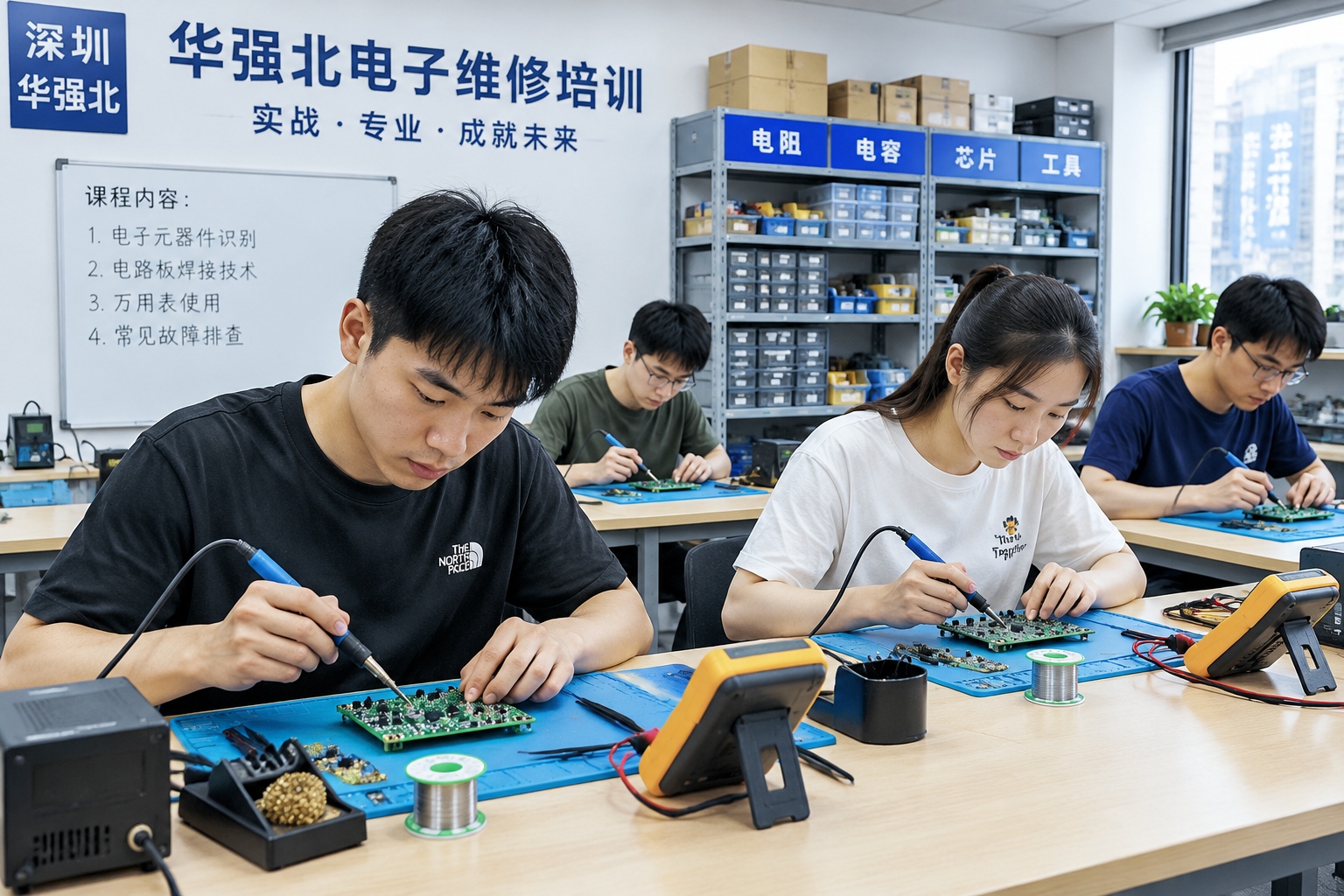
In Shenzhen, the short course is practical and fast. A maker space or repair shop near Huaqiangbei runs three-hour sessions on soldering, battery replacement, or basic circuit testing. Students include hobbyists, small vendors, and young engineers. The room smells of flux. Multimeters and component trays cover the benches. The language barrier is higher here. Mandarin dominates, and technical terms are rarely translated. A translation app helps, but hands-on demonstration matters more. The appeal for a visitor is context: this is the electronics market district that supplies repair shops around the world. A class here is less polished than a tourism workshop and more revealing about how things get fixed.
Chengdu: a wok, a market, a local accent
Chengdu’s short courses are slower. A community cooking class may start with a 30-minute market walk, then move to a kitchen for mapo tofu, twice-cooked pork, or dumplings. Three hours pass quickly. Prices are often RMB 150–300. Separate dialect and culture sessions run for 90 minutes and cost less. The people in the room may be local residents, domestic tourists, or young professionals trying to cook beyond takeout. The instructor may switch between Sichuan dialect and standard Mandarin. For a foreign visitor, this is a low-pressure way to see how food, neighborhood markets, and family habits connect.
Guangzhou: dim sum before noon
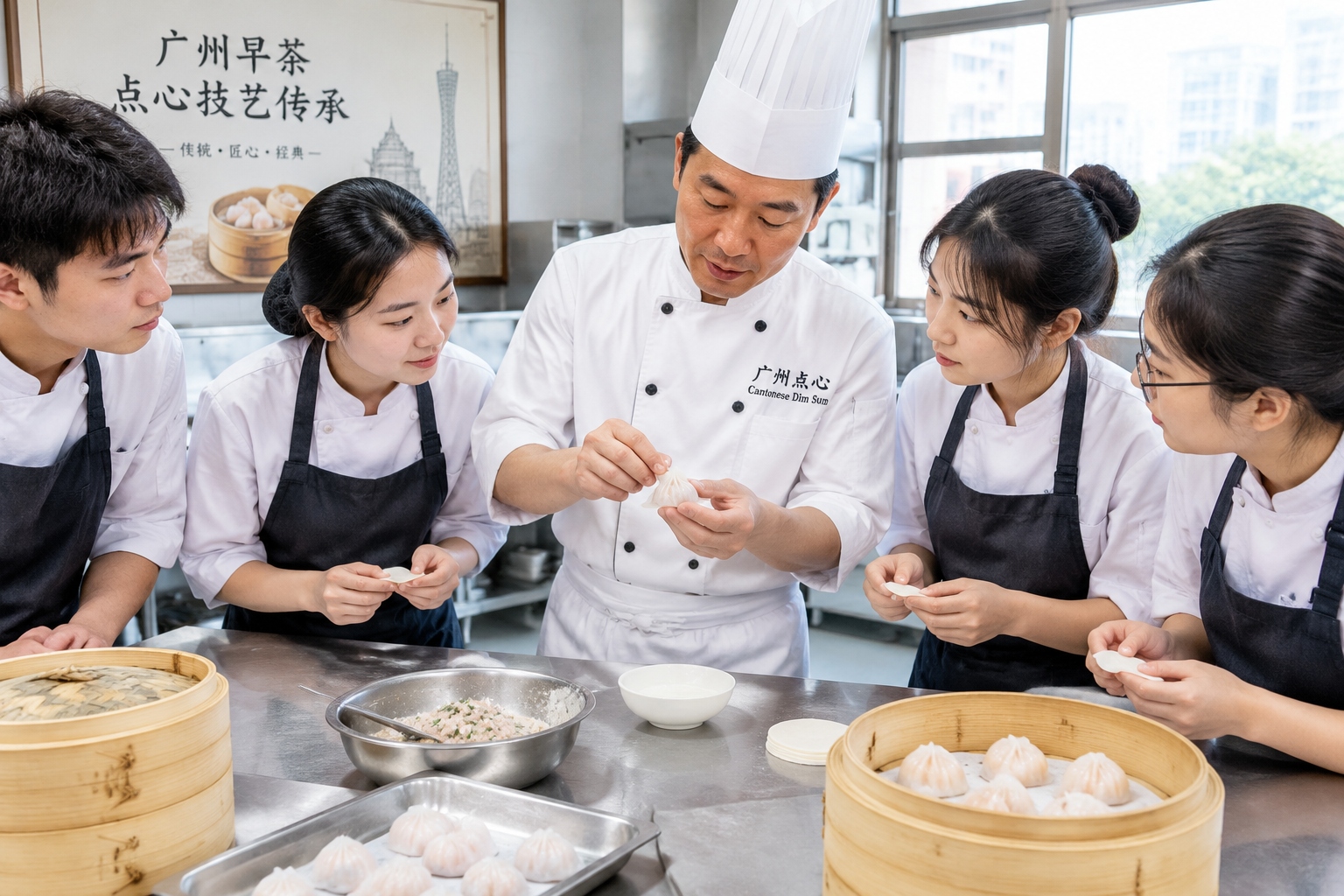
Guangzhou’s dim sum class starts early. A chef demonstrates how to fold har gow or pleat a siu mai wrapper. The class usually runs three hours and costs RMB 200–380. Bamboo steamers stack up; the room fills with Cantonese and Mandarin, with some English in tourist-friendly kitchens. Classmates might be a family on a weekend outing, a young couple, or office workers who want a skill for the weekend. The traveler leaves before lunch, which leaves the afternoon free for a train or a flight.
Who studies after work, and how to join
The after-work learning market in Chinese cities is broad. City-run night schools, community centers, private studios, and retail brands all run short courses. Since 2023, affordable night-school places in several large cities have expanded, and popular courses fill quickly. Young office workers sign up for cooking, photography, crafts, language, and fitness. The classes are social as well as instructional. People meet after work, eat something nearby, and go home with a small object or a new recipe.
For a foreign visitor, registration is the hard part. Many classes use WeChat mini programs, Dianping, Meituan, or a studio’s own account. Some require a Chinese mobile number; others accept an email or a message through a friend. Payment is usually mobile. Alipay and WeChat Pay can link to many international cards, but small studios may prefer a Chinese account. Ask about cancellation and refunds before paying. A seat in a popular weekend class may be gone in a day.
Getting between classes
The transport math is manageable if the course is near a station. Shanghai to Hangzhou is 45 to 60 minutes by high-speed rail, with second-class tickets roughly RMB 73–120. Guangzhou to Shenzhen is 30 to 40 minutes, around RMB 75–100. Shanghai to Shenzhen is a seven-to-eight-hour train ride or a two-and-a-half-hour flight; it is not a casual evening hop. Metro rides cost a few yuan. Shared bikes are useful for the last kilometer. Mobile payment works on transit, vending machines, and most shops.
Build a buffer. A class booked two hours after a flight is a gamble. A class across the city at rush hour is also a gamble. For an evening course, leave 45 minutes for metro and walking. For a cross-city class, take the earlier train. Translation apps help with directions, but course communication is better handled before arrival. Ask the studio three questions: Is the class taught in English or Mandarin? Can I pay with an international card? What is the cancellation policy?
What can go wrong
The 4.7-day average is not a universal itinerary. Visa-free rules differ by passport and can change. Classes cancel. Teachers get sick. A holiday can close a studio. Some courses are demonstration-style and leave little time for hands-on practice. Others are taught entirely in dialect. Real-name payment and local apps can stop a visitor at the last step. Cross-city learning also has a cost: a two-hour class can consume six hours of a short trip.
This is not a failure of the idea. It is the ordinary friction of learning in a foreign language. The traveler who expects a polished tourism product may be disappointed. The traveler who asks a few questions and leaves room for a missed train will see something more useful: how people in Chinese cities use small classes to make daily life more interesting.
A route you can copy
For a one-city version, land in Shanghai on Friday, take a two-hour coffee or baking class that evening, and spend Saturday on a Hangzhou tea workshop by train. Return Saturday night. For a two-city version, fly into Guangzhou, take a Saturday morning dim sum class, ride to Shenzhen in the afternoon, and join a Sunday morning maker session near Huaqiangbei. Fly out Sunday evening or Monday. Neither route makes you a potter, a barista, or an electronics technician. That is not the point.
In 4.7 days, a visitor can see a side of China that does not appear in skyline photos: adults paying RMB 150 for a weeknight class, community rooms that turn into classrooms after dinner, and city networks that make a cross-city short course possible but not effortless. The lesson is less about the skill than about the timetable. Ordinary life here is full of small, practical learning—and a short visit can fit into it if you leave room for the train.