

The Universal Remedy That Makes No Sense to Outsiders
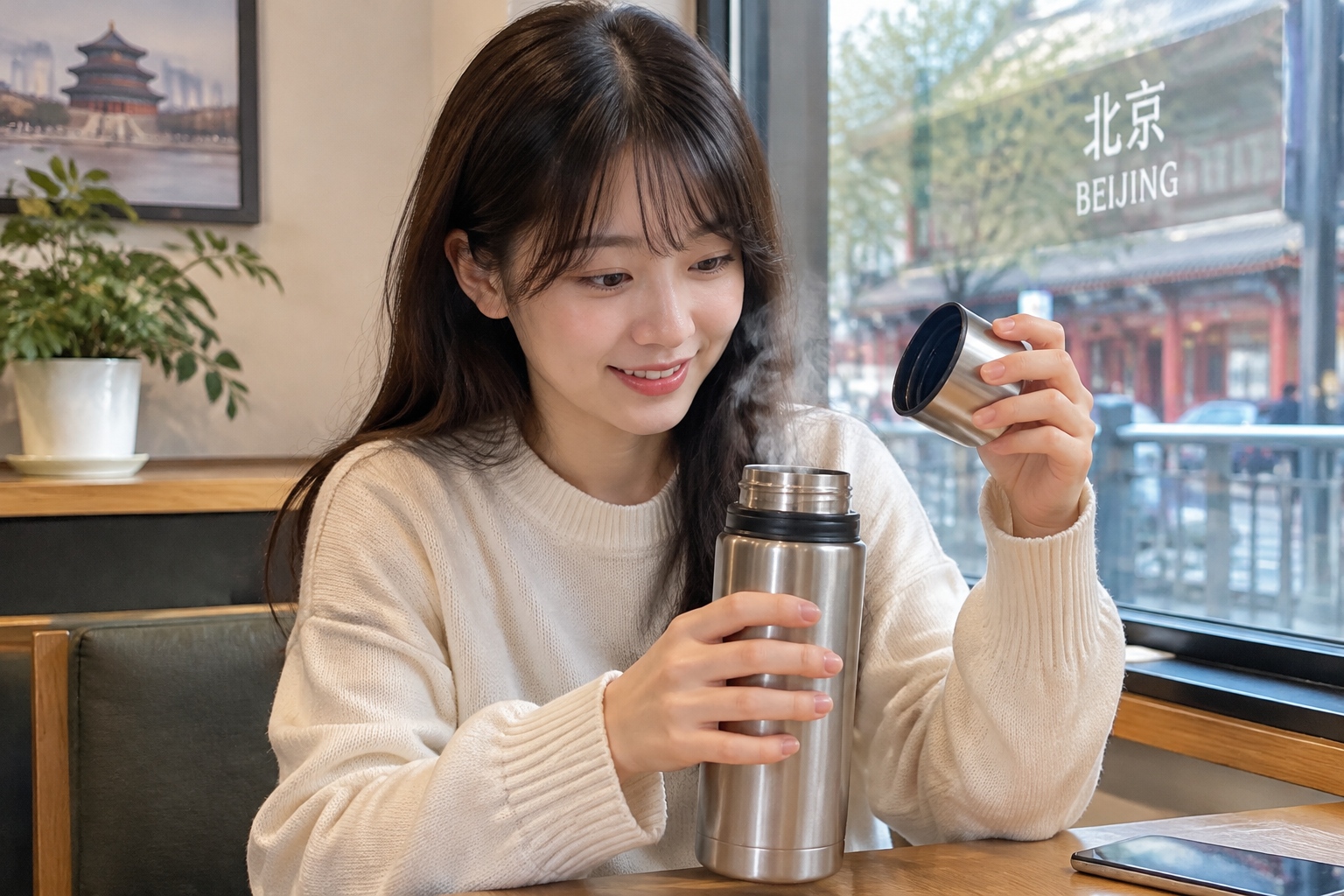
I once ordered a coffee in Beijing, expecting an ice-cold latte like I would back home. The barista looked at me with mild confusion and asked, “Are you sure? It’s winter.” When I insisted on the cold drink, he hesitated, then reluctantly handed it over—but not without a side-eye comment about my health. This small interaction reveals a fundamental cultural divide: in much of China, drinking hot water (or warm tea) isn’t just a preference; it is a deeply ingrained instinct for well-being.
For decades, Chinese mothers have chanted the same phrase to their children, partners, and friends when they are unwell: “Drink more hot water.” It sounds like a dismissive cliché to Western ears—a way to avoid giving real medicine. But in reality, it is a complex cultural shorthand that blends traditional medicine, modern hygiene habits, and genuine communal care.
The Ancient Roots: Balancing “Yin” and “Yang”
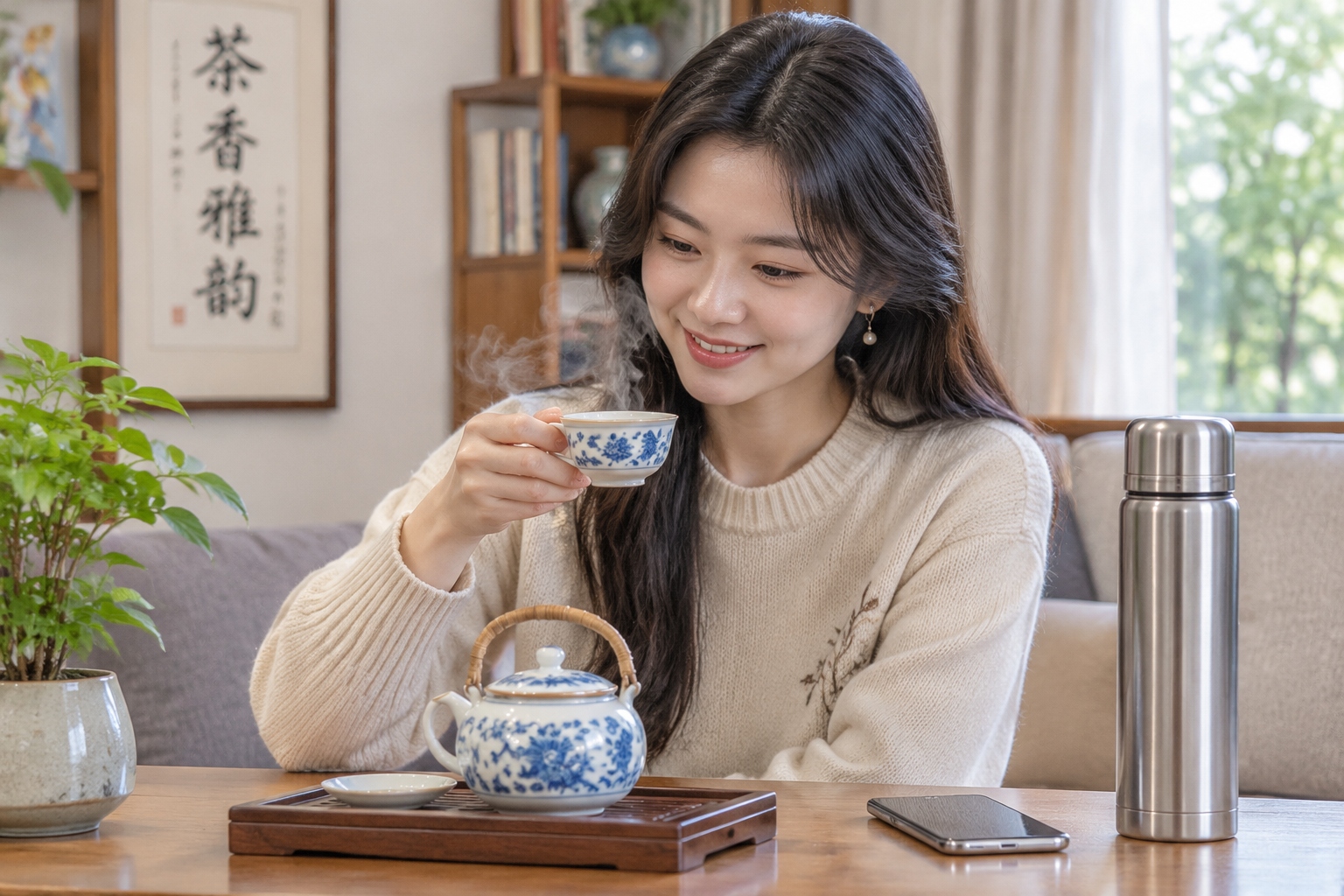
To understand why hot water is sacred, we must look at Traditional Chinese Medicine (TCM), a system of health that has shaped daily life for millennia. TCM theory posits that the human body functions best when its internal energies, or “Qi,” are balanced between cold (Yin) and heat (Yang).
In this worldview, cold drinks are seen as introducing external “cold” energy into the stomach, which can disrupt digestion, weaken the immune system, and cause pain. Conversely, warm water is believed to circulate blood, soothe the digestive tract, and restore harmony. This isn’t just folklore; it is a practical survival strategy that evolved in a culture where boiling water was historically safer than drinking from rivers or wells.
Even today, you will see thermos flasks everywhere in China—in offices, on buses, and tucked into school bags. The 500ml thermos has become as iconic as the smartphone is in the West. It represents a constant commitment to maintaining that internal warmth.
A Clash of Cultures: Ice Water vs. Hot Tea
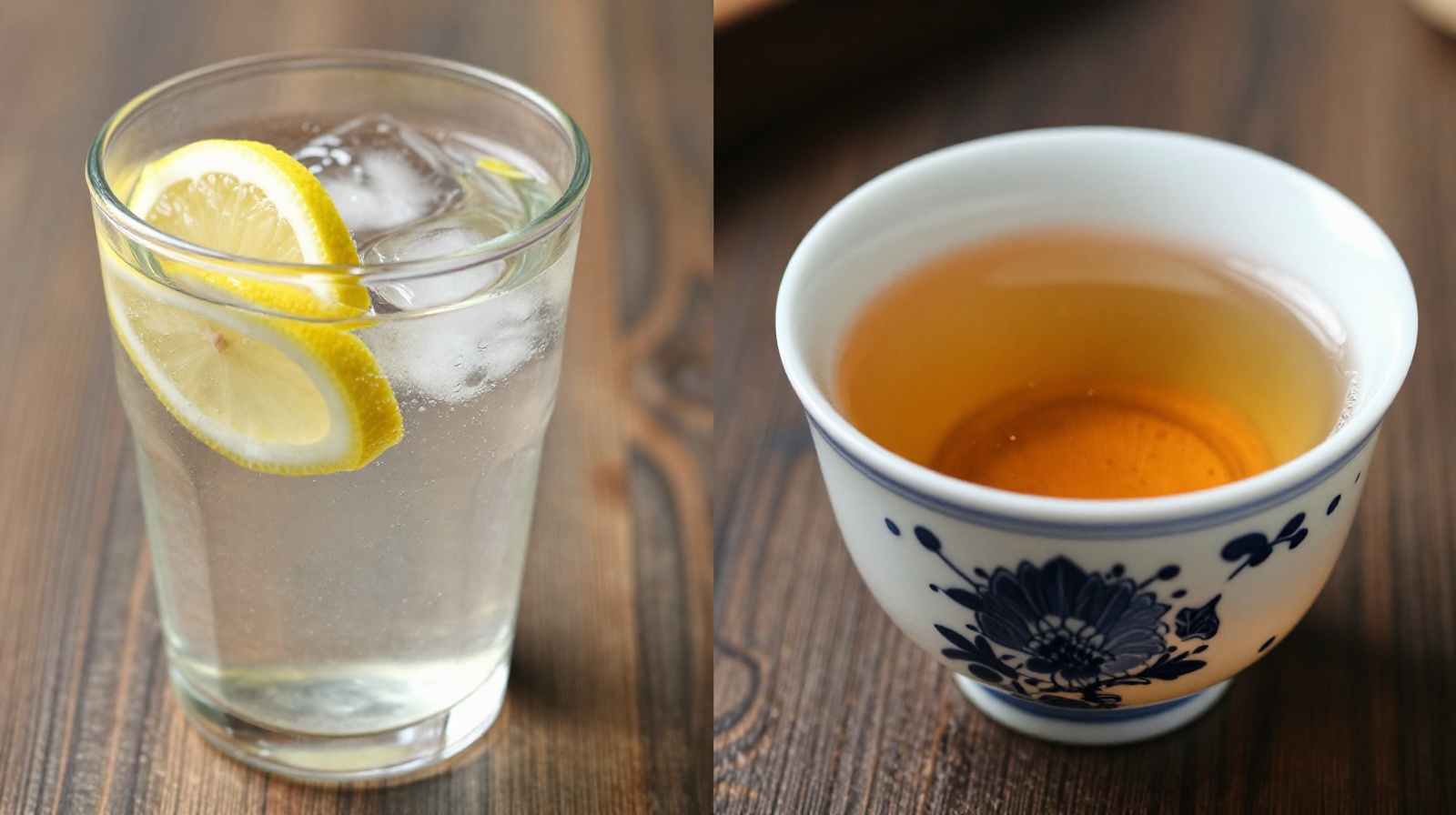
The contrast between Chinese and Western habits is starkest at the dinner table. In many American or European restaurants, it is standard to order iced tea with lemon on a hot day, or cold water at any time of year. To the average Chinese person, this feels like a shock to the system.
“Why would you put ice in your stomach?” is a common question from my Chinese friends when they visit abroad. They often feel bloated or crampy after consuming cold beverages, which reinforces their belief that heat is healing and cold is harmful. While modern science acknowledges that ice water can be refreshing for athletes or those with high body temperatures, the general consensus in China leans heavily toward the protective power of warmth.
This isn’t just about temperature; it is about a philosophy of prevention. In the West, medicine often treats symptoms after they appear. In the Chinese approach embodied by “drink hot water,” the focus is on maintaining balance before illness strikes. It is a proactive, gentle form of self-care that permeates daily life.
What Science Says: Benefits and Limitations
Is drinking hot water actually good for you? The answer is yes, but with caveats. Scientifically, warm water can help alleviate symptoms of colds and flu by thinning mucus and soothing a sore throat. It also aids digestion by relaxing the muscles in the stomach and intestines, which can reduce cramping.
However, it is not a cure-all magic spell. Drinking boiling hot water (above 60°C) can actually damage the esophagus and increase cancer risk, a fact often overlooked in traditional advice. The key is “warm,” not scalding. Furthermore, while hydration is crucial regardless of temperature, there is no evidence that warm water detoxifies the body more effectively than cold or room-temperature water.
The real power of this habit lies less in its chemical properties and more in its psychological and ritualistic value. For many Chinese people, the act of preparing a cup of hot tea is a moment of pause—a mindful break from work or stress that signals self-care. It is a tangible way to show you care about someone else’s well-being.

A Daily Ritual of Care
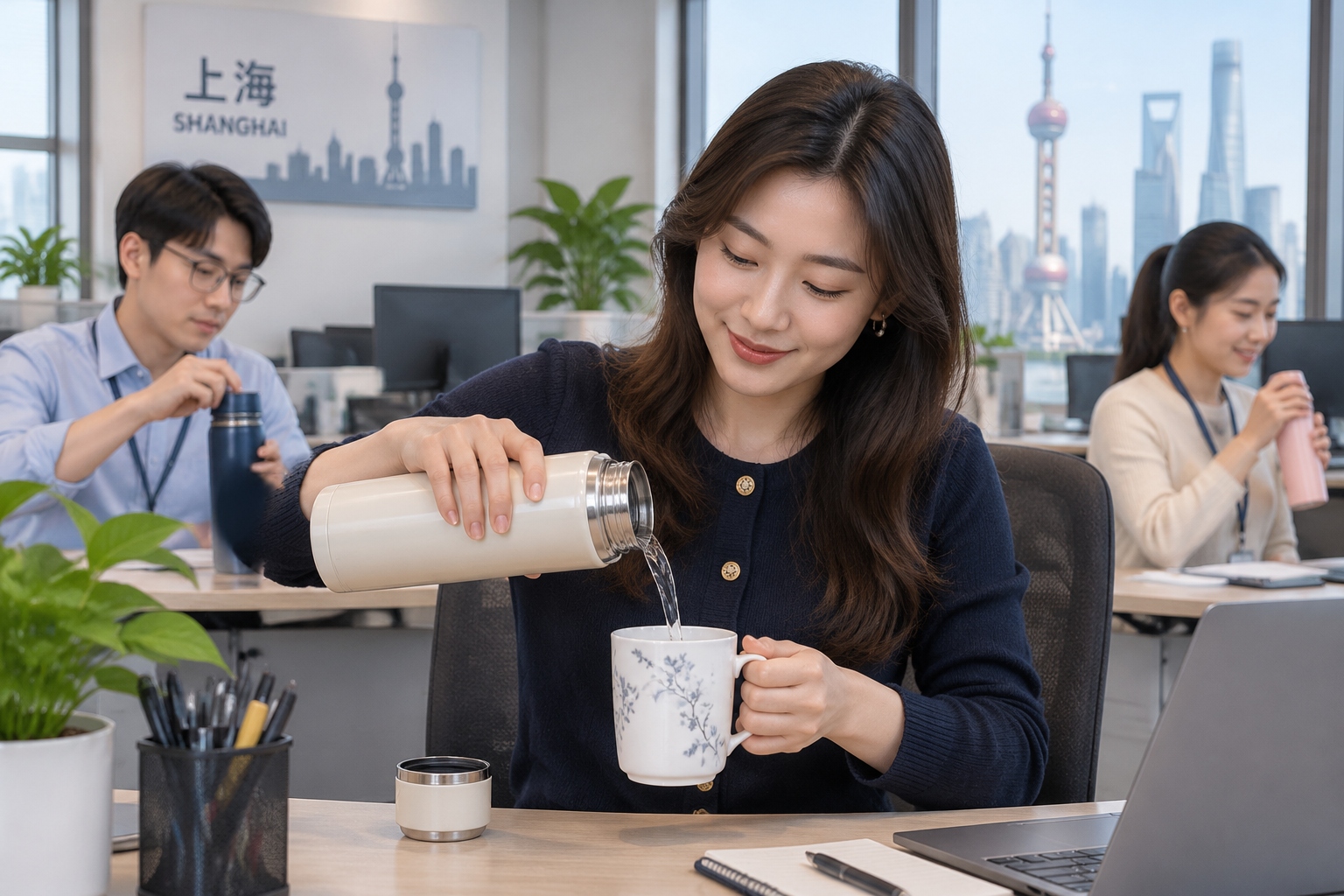
During my time in Shanghai, I witnessed the warmth of this custom firsthand. On a rainy Tuesday, I saw a young office worker hand a steaming thermos to her elderly mother during a video call. “Drink some hot water,” she said gently, not as a command, but as an expression of love. Her mother smiled, took a sip, and replied, “It helps my stomach ache.” No expensive medicine was involved; just the simple act of warmth.
This ritual extends beyond family. In Chinese offices, it is common for colleagues to bring hot water dispensers or thermoses for guests. Offering a cup of hot tea to a visitor is a sign of respect and hospitality that transcends language barriers.
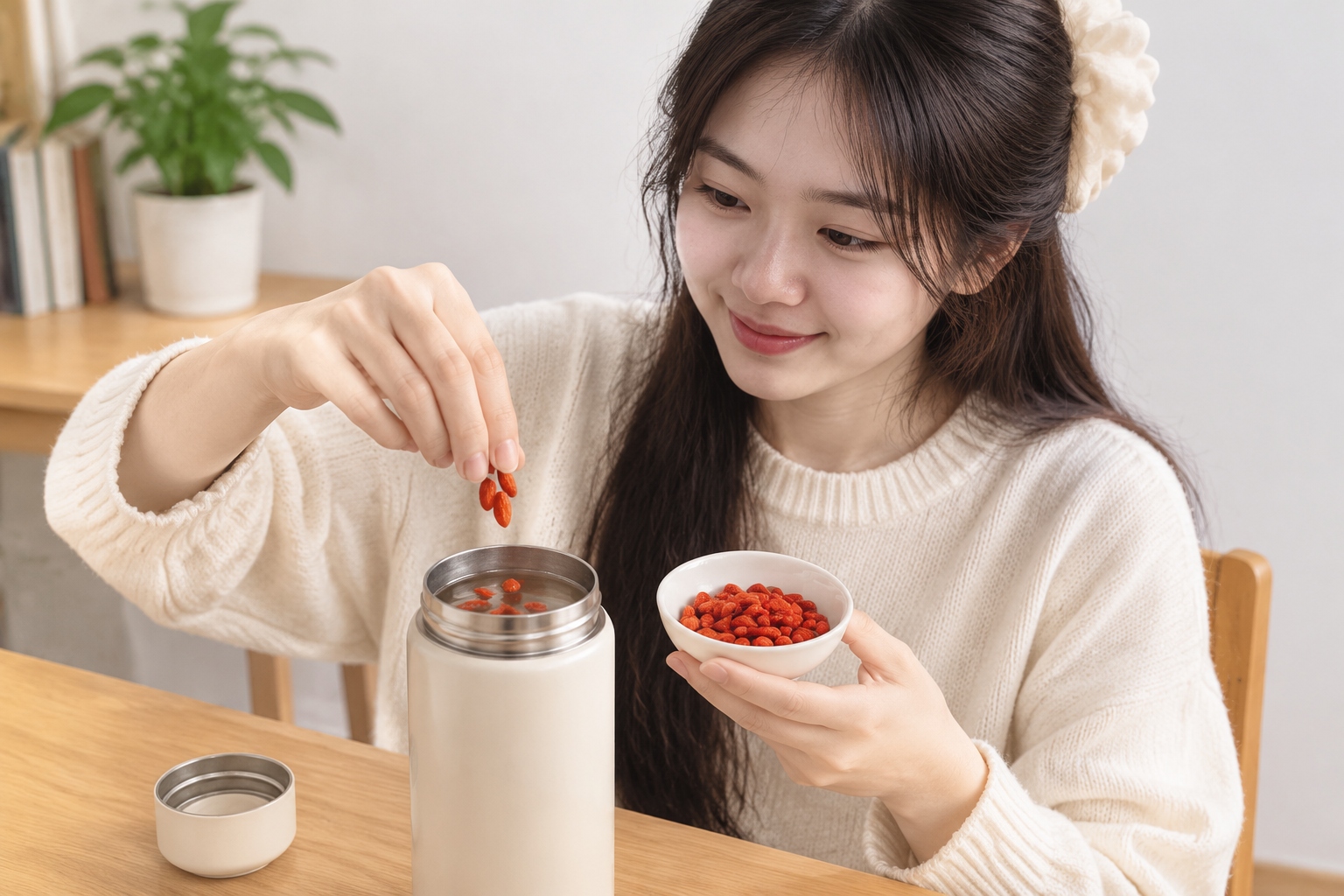
As China modernizes, the habit remains stubbornly alive. Young people might pair their hot water with trendy herbal supplements like goji berries or chrysanthemum flowers, blending ancient wisdom with contemporary lifestyle aesthetics. The “magic spell” hasn’t faded; it has simply evolved into a symbol of resilience and care in a fast-paced world.
Conclusion: More Than Just Water
So, the next time someone tells you to drink hot water, don’t just roll your eyes. It is an invitation to understand a different way of thinking about health—one that values prevention, balance, and the gentle warmth of human connection. In a world often obsessed with quick fixes, the Chinese commitment to drinking warm water stands as a quiet reminder that sometimes, the simplest solutions are the most profound.