

The Map That Breathes
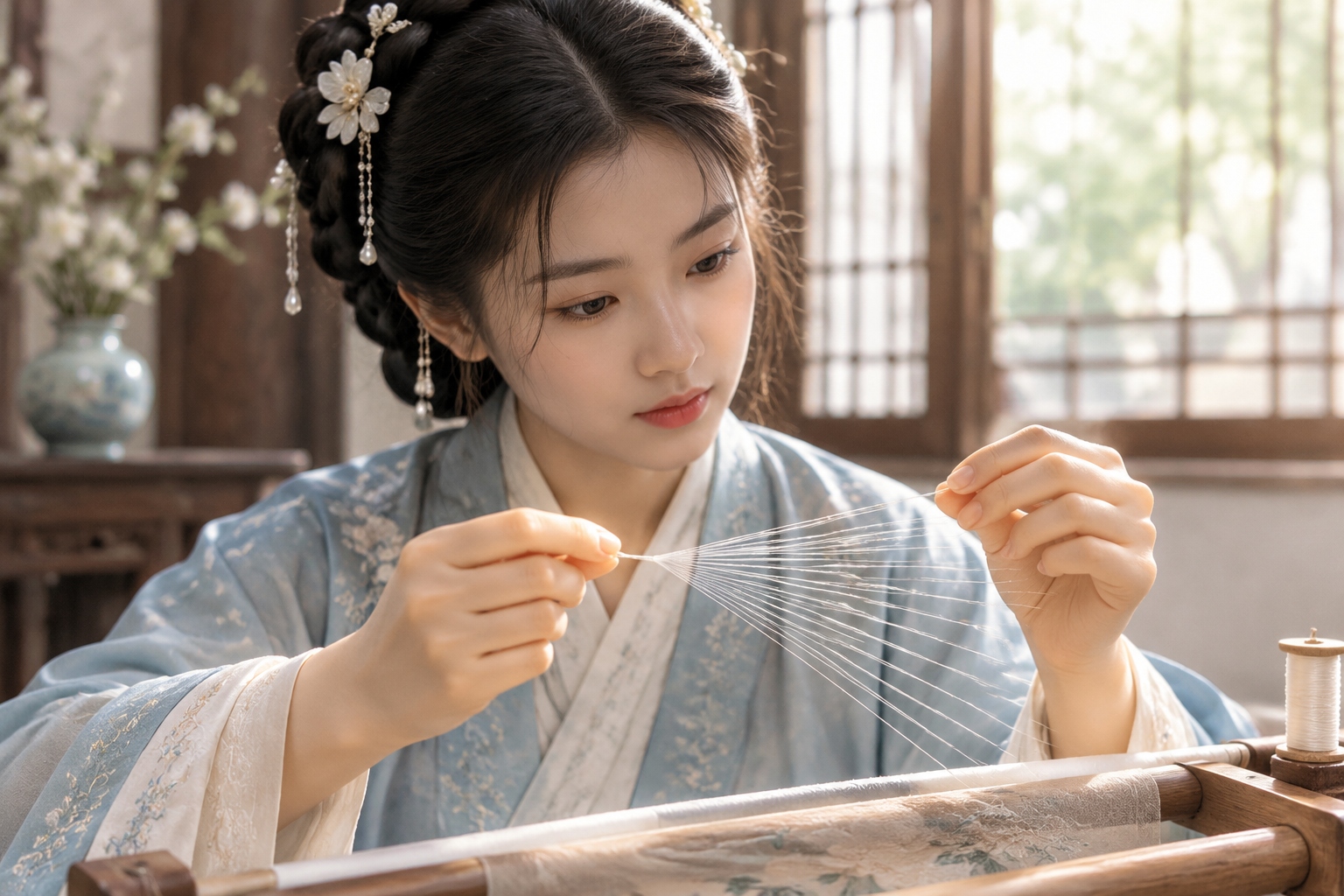
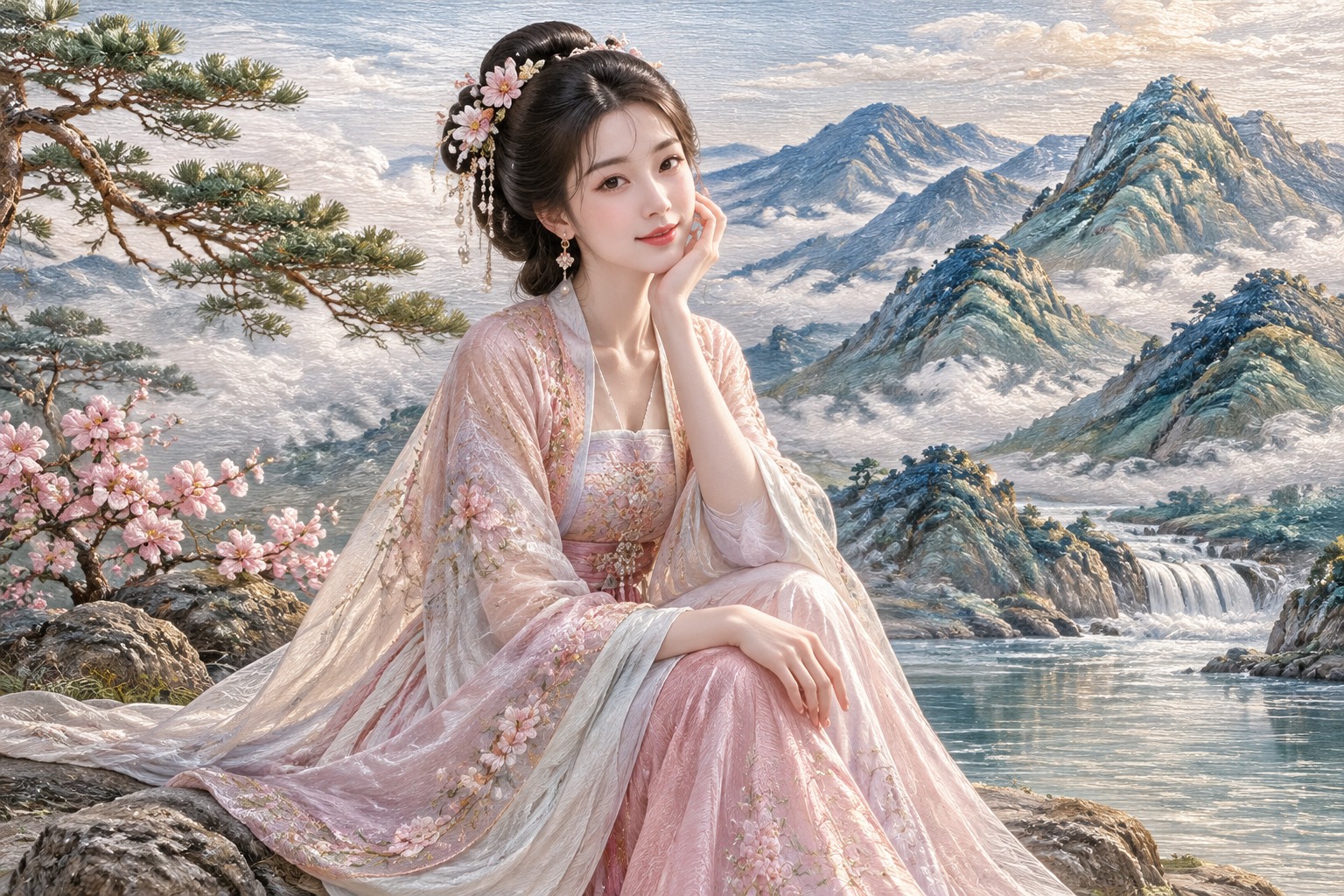
Imagine holding a map that doesn’t just show you the way, but feels like it’s breathing beneath your fingertips. In the misty mountains of Jiangsu province, far from the neon glow of Shanghai, I found myself staring at a landscape that shouldn’t exist on paper: a river flowing with threads of blue silk, and mountains stitched together with thousands of shades of green. This isn’t digital art; it’s Su Embroidery (Su Xiu), an ancient craft so delicate that a single strand of silk is often split into sixteen finer filaments by the hands of masters who have spent decades perfecting this impossible task.
The Journey Into Stillness
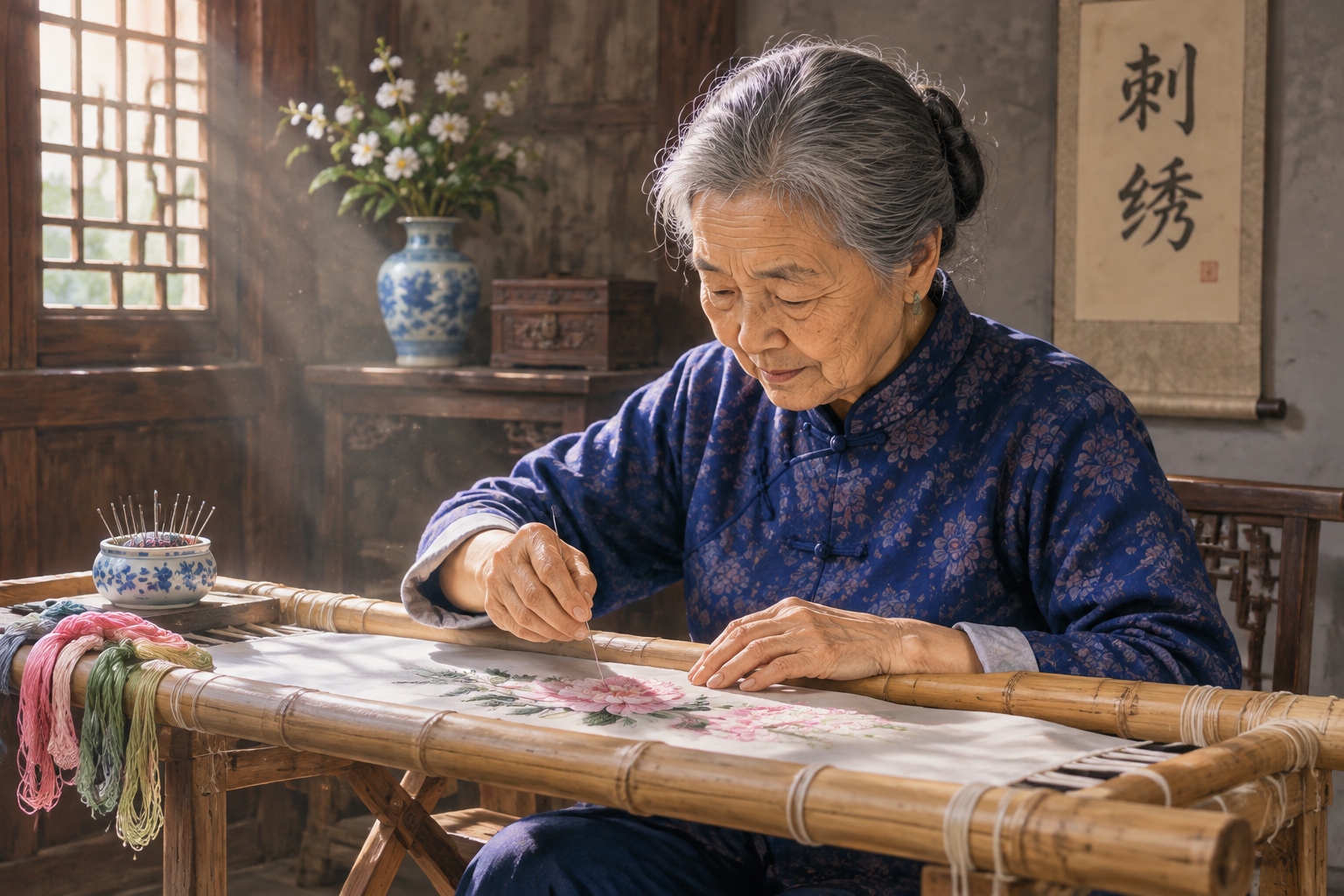
Getting there felt like stepping out of time. The workshop was quiet, save for the rhythmic clack of bamboo frames and the soft scratch of needles piercing fabric. I watched an elderly artisan, her hands weathered by decades of work, hold a needle that seemed too thin to exist. As she stitched, she didn’t just sew; she painted with light. The air smelled faintly of aged wood and the crisp scent of fresh silk bobbins.
There was a moment of pure shock when I realized the ‘mountain’ on the cloth wasn’t a flat image but a topography of tension and release. A single brushstroke in painting is gone instantly; here, a mistake means unraveling hours of work. The silence in the room felt heavy, charged with the weight of centuries of patience waiting to be born.
The Philosophy in the Knot
Why do they do it? Why spend months on a single square inch? As I spoke with the master, she didn’t talk about ‘art’ or ‘beauty.’ She talked about ‘qi’—the life force that flows through everything. In Chinese philosophy, creating something beautiful isn’t an act of conquest over nature, but a conversation with it. The needle becomes a bridge between the human hand and the spirit of the landscape.
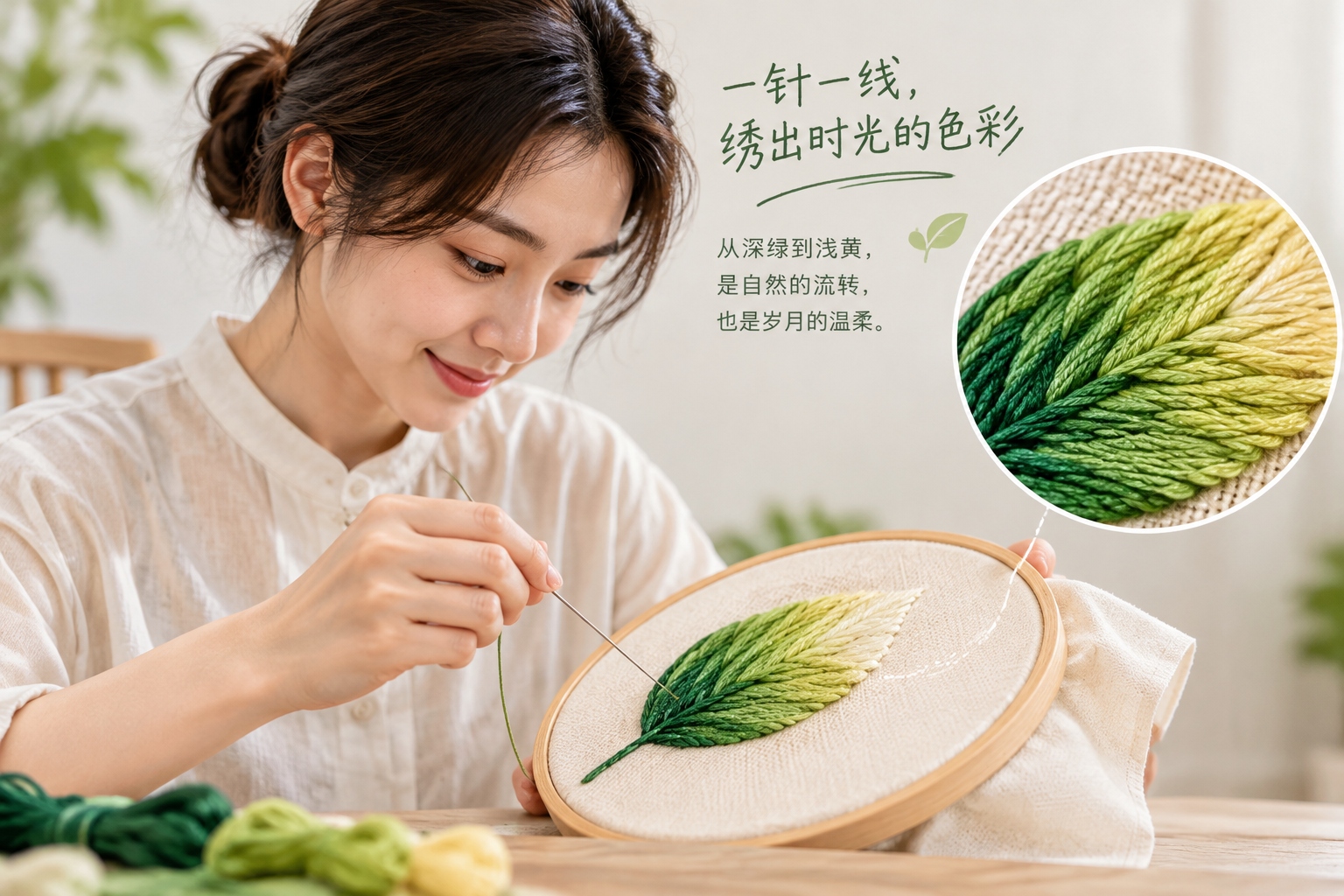
This is not just embroidery; it’s a meditation in motion. Every stitch is a breath, every color choice a decision to honor the subtle gradations found only in the real world. When you look at these pieces, you aren’t seeing a static object; you’re witnessing the slow, deliberate accumulation of time itself.
The Discovery
Leaving that workshop felt like waking up from a dream. The skyscrapers and high-speed trains of modern China are undeniable, but this is the other side of the coin: a civilization that values the invisible over the visible, the slow over the fast. To understand China, you must look beyond the steel and glass to find the silk threads that bind its soul together.