

Introduction: A Question in a Shanghai Classroom
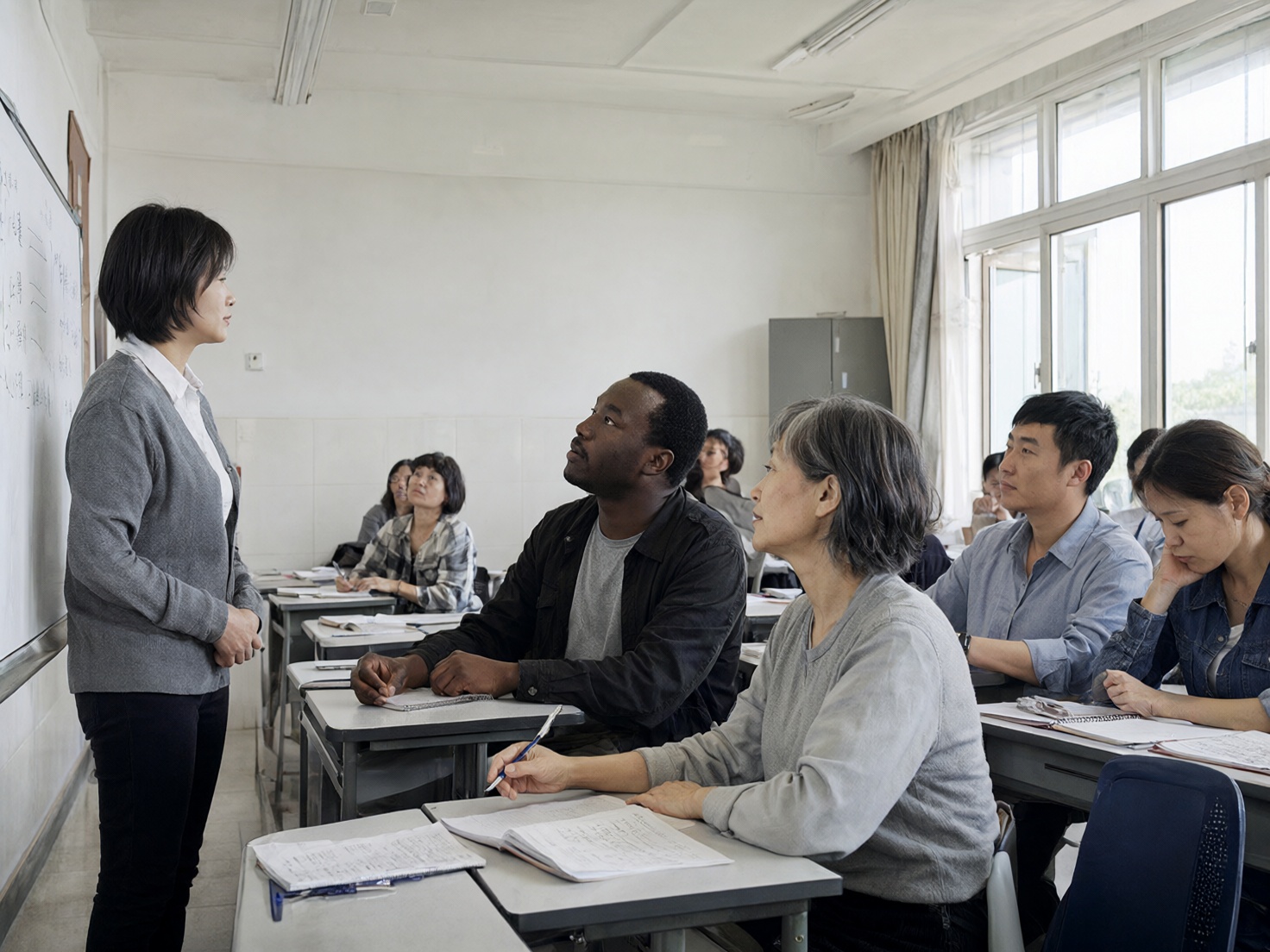
In a Chinese-language class in Shanghai, the teacher writes two expressions on the whiteboard: 手足 and 衣冠. A German student asks why ‘hands and feet’ should mean siblings, and why ‘clothes and caps’ can stand for civilization or decency. The teacher does not begin with a grammar rule. She draws a rough human figure and labels the eyes, ears, elbows, knees, sleeves, and hat.
That moment points to a feature of Chinese that often surprises learners. Many words mean one thing literally and another socially. 手足 is not just hands and feet. 掣肘 is not merely ‘pull someone’s elbow.’ 衣冠 is not just clothing. 仰人鼻息 is not simply ‘look up at someone’s breath.’ These expressions look scattered, but they belong to a fairly systematic human map: Chinese often uses body parts, bodily functions, clothing, and gestures to discuss identity, relationships, situations, and social power.
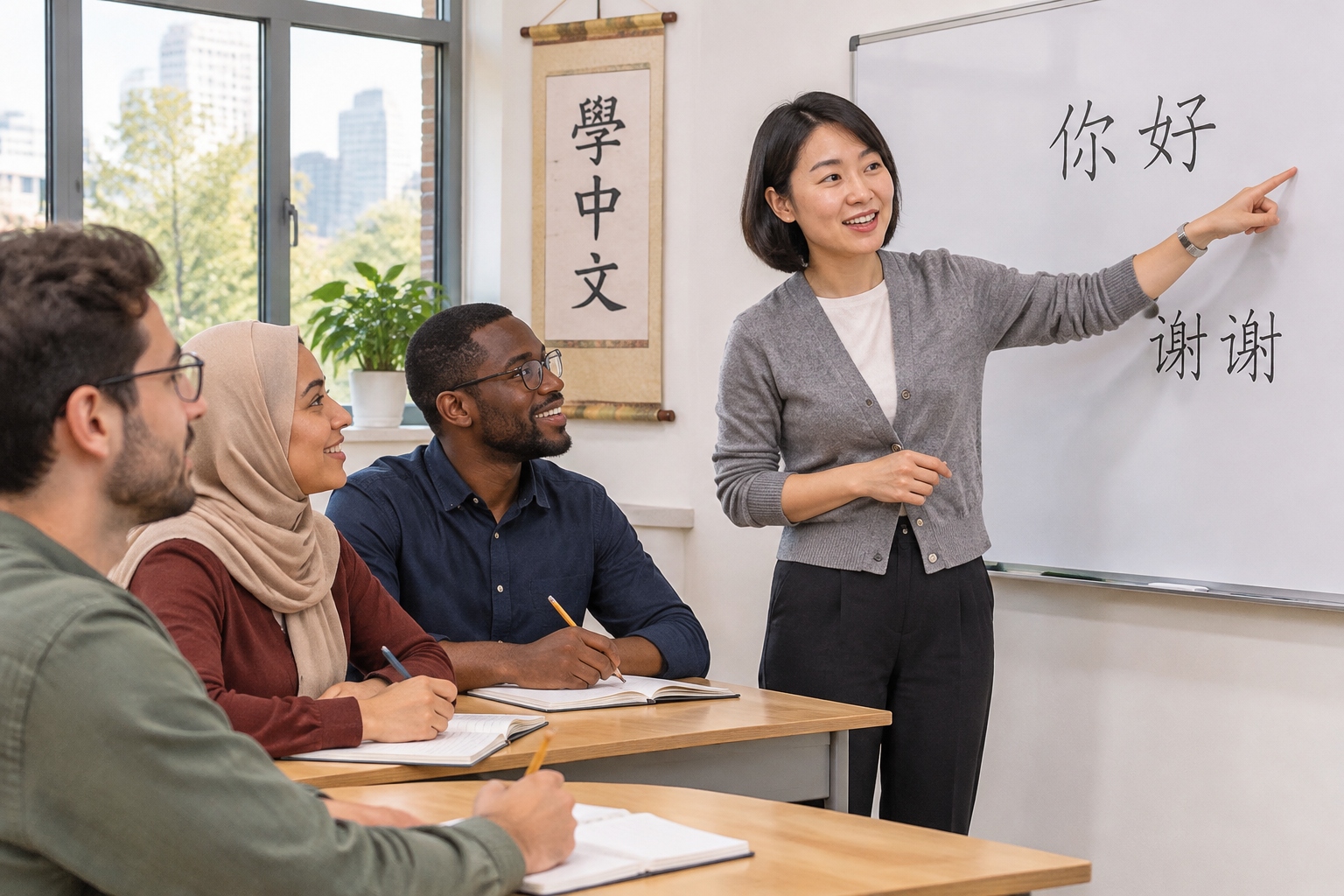
Chinese speakers do not usually notice this map while using it. The metaphors have become ordinary vocabulary. For a foreign learner, the map is still useful. Once you see that many expressions are organized around how a person stands, moves, dresses, and deals with others, odd phrases become less arbitrary.
Why the Body Becomes a Social Language
People understand the world first through their own bodies. Head, eyes, hands, feet, heart, liver, bone, and flesh are concrete. Status, kinship, authority, obligation, and humiliation are abstract. A common strategy in Chinese is to translate the abstract social world into concrete bodily experience.
Location becomes circumstance
膝下 means below the knees; in older domestic life children were at that level, so it can mean the presence of children, as in 膝下无子, to have no children. 胯下 is between the legs, hence 胯下之辱, the humiliation of crawling under someone’s legs. 肘腋 is elbow and armpit, close to the body, so 变生肘腋 means trouble from within. 迫在眉睫 uses the tiny gap between eyebrows and eyelashes to describe extreme urgency. The closer or lower the position, the more it can suggest intimacy, danger, dependence, or pressure.
Function becomes role
Eyes and ears see and hear, so 耳目 means informants. 喉舌 is throat and tongue, so it means a spokesperson or mouthpiece. 心腹 is the body’s core, so it means a trusted intimate. 股肱 is thigh and arm, parts that act, so it means capable assistants. 爪牙 is claws and teeth, so it means henchmen. These are not random poetic comparisons; they map bodily functions onto social roles.
Clothing becomes status
In premodern China dress was tied to ritual, rank, occupation, and occasion. 布衣, cloth clothes, means commoners. 白衣, white clothes, could mean someone not yet in office; today it often means medical workers. 乌纱, black gauze, means official position because officials wore black gauze caps. 簪缨, hairpins and cap tassels, refers to official families. 纨绔, silk trousers, meant rich young men. 裙钗 and 巾帼 use women’s dress or headwear to refer to women; 袍泽 and 同袍 use shared clothing to mean comrades-in-arms. Clothing works as a social ID card.
Movement becomes relationship and power
掣肘 is to pull someone’s elbow so the person cannot act, hence to hinder. 袖手旁观 is to watch with hands in sleeves, to stand by. 拱手让人 is to yield with hands clasped. 撑腰 is to support the waist, to back someone up. 折腰 is to bend at the waist, to submit. 染指 is to dip a finger into something, to meddle in profit. 失足 is to lose one’s footing, to go astray. 立足 is to plant one’s feet, to have a basis for survival. Bodily movement becomes social movement.
From 手足 to 衣冠
手足 is a good first test. Hands and feet are the parts with which a person acts, and siblings are expected to be as close as a person’s own limbs. So 手足 means siblings, as in 手足情深, deep affection between siblings. But 手足无措 does not mean ‘siblings have no measures.’ It means hands and feet do not know where to go: to be flustered and at a loss. The same two characters activate different meanings in different structures.
口舌 works in a similar way. Mouth and tongue are organs of speech, so 口舌 can mean words, argument, or persuasion, as in 费尽口舌, to use up a lot of breath trying to persuade. It can also mean quarrels or trouble caused by talk, as in 惹出口舌, to stir up gossip or a dispute. 口舌 is not just a mouth and a tongue. It is the social consequence of speaking. 唇枪舌剑 turns lips and tongue into weapons, describing a battle of words.

衣冠 lifts clothing to the level of civilization. Clothes and caps were the proper dress of scholars and officials, so 衣冠 can refer to scholar-officials, ritual order, or civilized appearance. But 衣冠禽兽 is an insult: a creature that wears human clothes but behaves like a beast. Here 衣冠 stands for the outer garment of civilization, and the force comes from placing it beside 禽兽. 衣冠楚楚 describes neat and formal dress, but it often carries a faint judgment: well presented on the outside, perhaps not equally so within.
仰人鼻息 is one of the clearest examples of body position as power. 鼻息 is breath. To look up at another person’s breath, to depend on the air they exhale, is to live entirely at someone else’s mercy and to watch their face for a sign. It is more vivid than the simple word ‘depend’ and carries a stronger sense of humiliation.
膝下, 胯下, 肘腋, and 股掌 form a kind of politics of position. 膝下 is the place of family affection. 胯下 is the place of humiliation. 肘腋 is the internal space close to the body. 股掌 means between the thighs and palms, as in 玩弄于股掌之间, to play with someone in the palm of one’s hand, to control someone completely. Chinese often turns social relations into space. Where you stand, how close you are, whose hand you are under, and who controls you can all be said through body position.
Why Clothing Words Still Matter
The density of clothing metaphors has a historical background. Premodern China was a ritual society in which what one wore and how one wore it could signal rank, occupation, and occasion. That history left a layer of vocabulary that still appears in idioms and news language. 布衣 is a commoner because commoners wore cloth. 乌纱 is office because officials wore black gauze caps. 缙绅 means scholar-officials, from the belt used to hold writing tablets. 簪缨 means an official family, from hairpins and cap tassels. 纨绔 means a rich young man, because fine silk trousers were not ordinary dress.
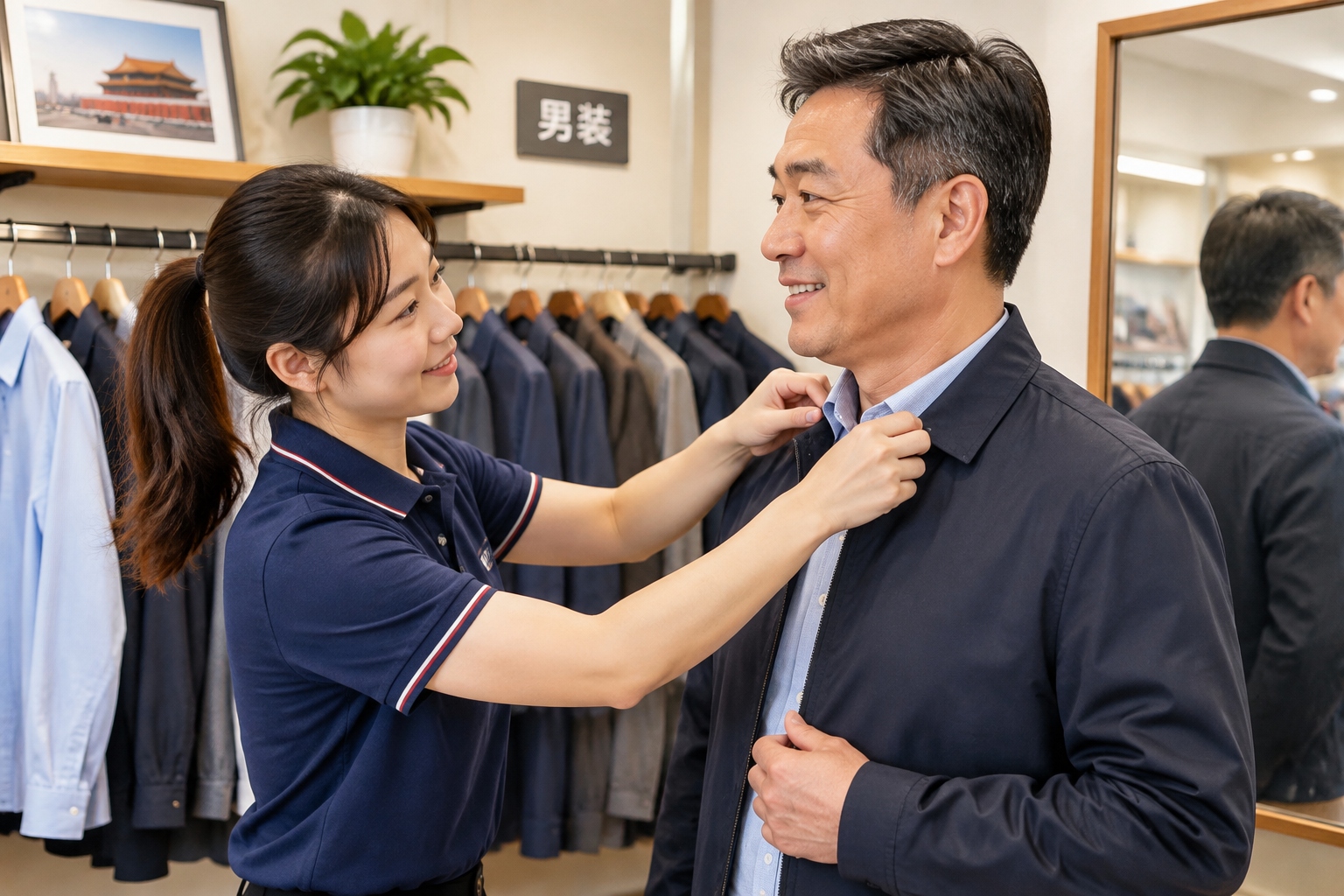
Some of these words may sound old to a modern learner, but they remain active in idioms. 裙带关系 means nepotism through marriage or family connections, literally skirt-and-belt relations. 戴高帽 means to flatter, literally to put a tall hat on someone. 穿小鞋 means to make things difficult in secret, literally to make someone wear small shoes. 扣帽子 means to pin a label or false charge on someone, literally to fasten a hat. 绿帽子, green hat, is slang for a man whose wife has been unfaithful. The clothing is no longer just clothing. It is a sign of social relations. To understand these words, a learner needs some Chinese history and social custom; otherwise it is easy to remember only the literal image.
How Learners Can Read the Map
The first step is to group words by body part, function, and social meaning. Under 眼, eye, learners can collect 眼线, informant; 眼光, judgment; 白眼, a cold look; 眼中钉, a thorn in the eye. Under 手, hand, there are 手腕, tactics; 手段, method; 袖手, standing by; 得心应手, doing something with ease. Grouped this way, the metaphors show stable associations rather than random images.
Second, watch for same word, different meaning. 手足 can be siblings or hands and feet; 心腹 can be a trusted aide or a hidden danger; 口舌 can be speech or a dispute.
Third, put the word back into a picture. For 掣肘, imagine one person pulling another person’s elbow so the second cannot move. For 仰人鼻息, imagine someone looking up at another person’s breathing.
Fourth, learn a little cultural background. 衣冠, 乌纱, 簪缨, 纨绔, and 布衣 belong to the history of ritual and dress. 心腹, 股肱, 爪牙, and 喉舌 belong to the traditional political imagination of ruler, aide, and helper.
Conclusion: From the Body to the Social World
Chinese uses the body and clothing to express an abstract world not because the language is mysterious, but because people know their own bodies first. Position becomes circumstance. Function becomes role. Dress becomes status. Movement becomes relationship. So 膝下 is family affection, 手足 is siblings, 掣肘 is constraint, 衣冠 is civilization and respectability, 仰人鼻息 is dependence, and 口舌 is speech and dispute. For a foreign learner, this human map does more than help memorize words. It shows how Chinese organizes social meaning through concrete experience.