
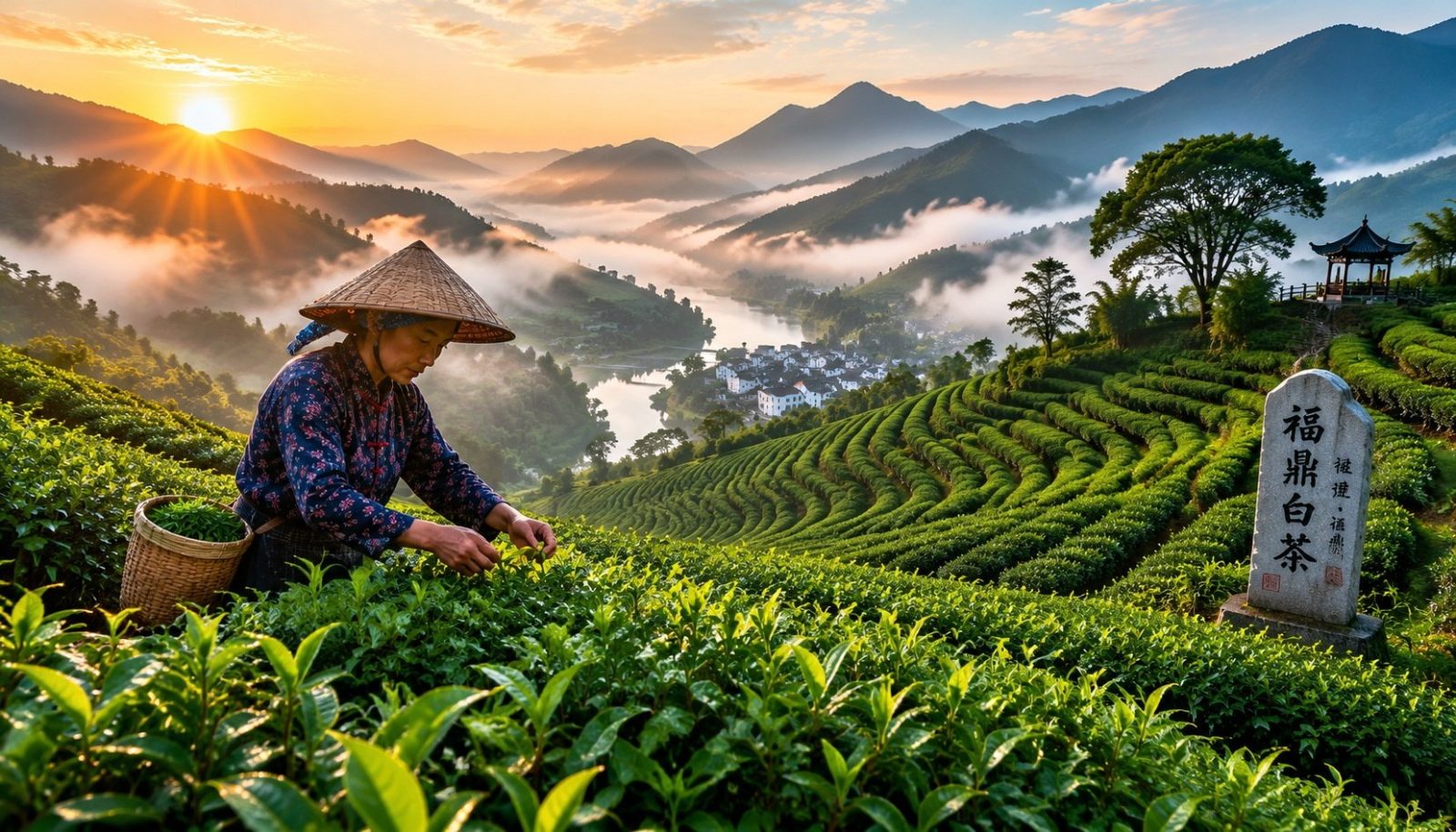

Introduction: A Cup of Tea, a World of Stories
In a small village in Fujian province, tea farmer Lin Feng begins his day at 4:30 a.m., picking the first tender leaves before the sun burns off the dew. His family has been growing oolong tea for four generations. Today, some of those leaves will end up in a trendy teahouse in Shanghai, while others will travel 8,000 kilometers to a specialty shop in London. Lin Feng doesn’t speak English, but his tea does.
From Garden to Cup: The Daily Life of a Tea Farmer
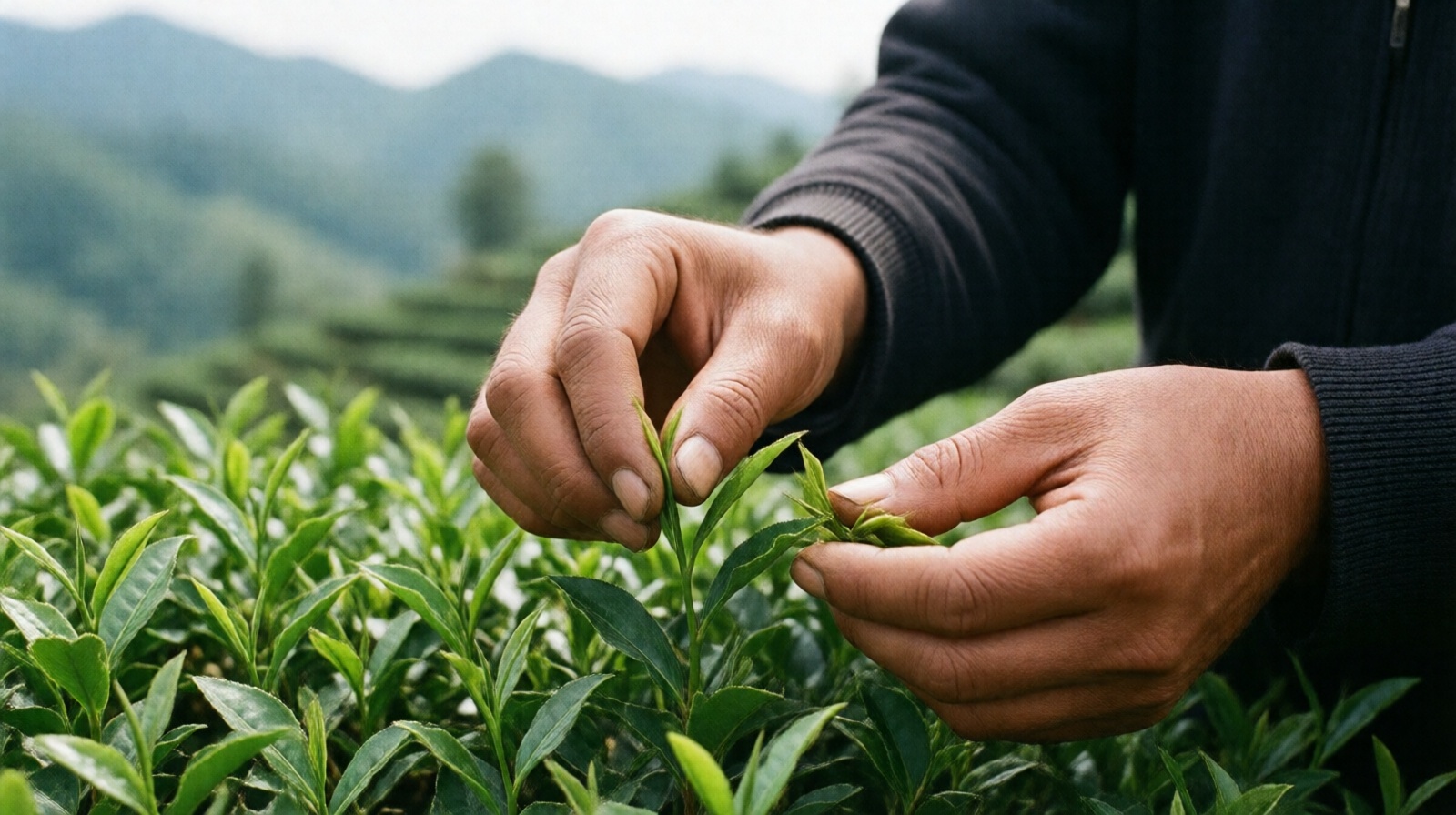
China is the world’s largest tea producer, with over 2.6 million tons harvested in 2022—roughly 40% of global output. But behind that number are 80 million people whose livelihoods depend on tea. Most farms are small, family-run plots in mountainous regions like Yunnan, Fujian, and Zhejiang. Harvesting remains largely manual; machines still can’t replicate the human touch needed for premium loose-leaf tea.
Visitors to Lin Feng’s village are surprised by how labor-intensive the process is. Tea leaves are hand-picked, withered, rolled, oxidized, and dried—a cycle that takes days. The best leaves are often reserved for domestic consumption or export to East Asia, while lower-grade teas go to mass-market tea bags in Europe and America.
“We don’t use pesticides on our best batches,” Lin tells me through a translator. “The tea plants here are over 50 years old. Their roots go deep, and the flavor is complex. We want people abroad to taste that, not just a cheap bag of dust.”
But for many overseas consumers, “Chinese tea” still means the generic black tea in a supermarket box. The gap between high-quality origin tea and mass-market products is one of the biggest challenges in changing perceptions.
Tradition Meets Innovation: How Young Chinese Are Rediscovering Tea
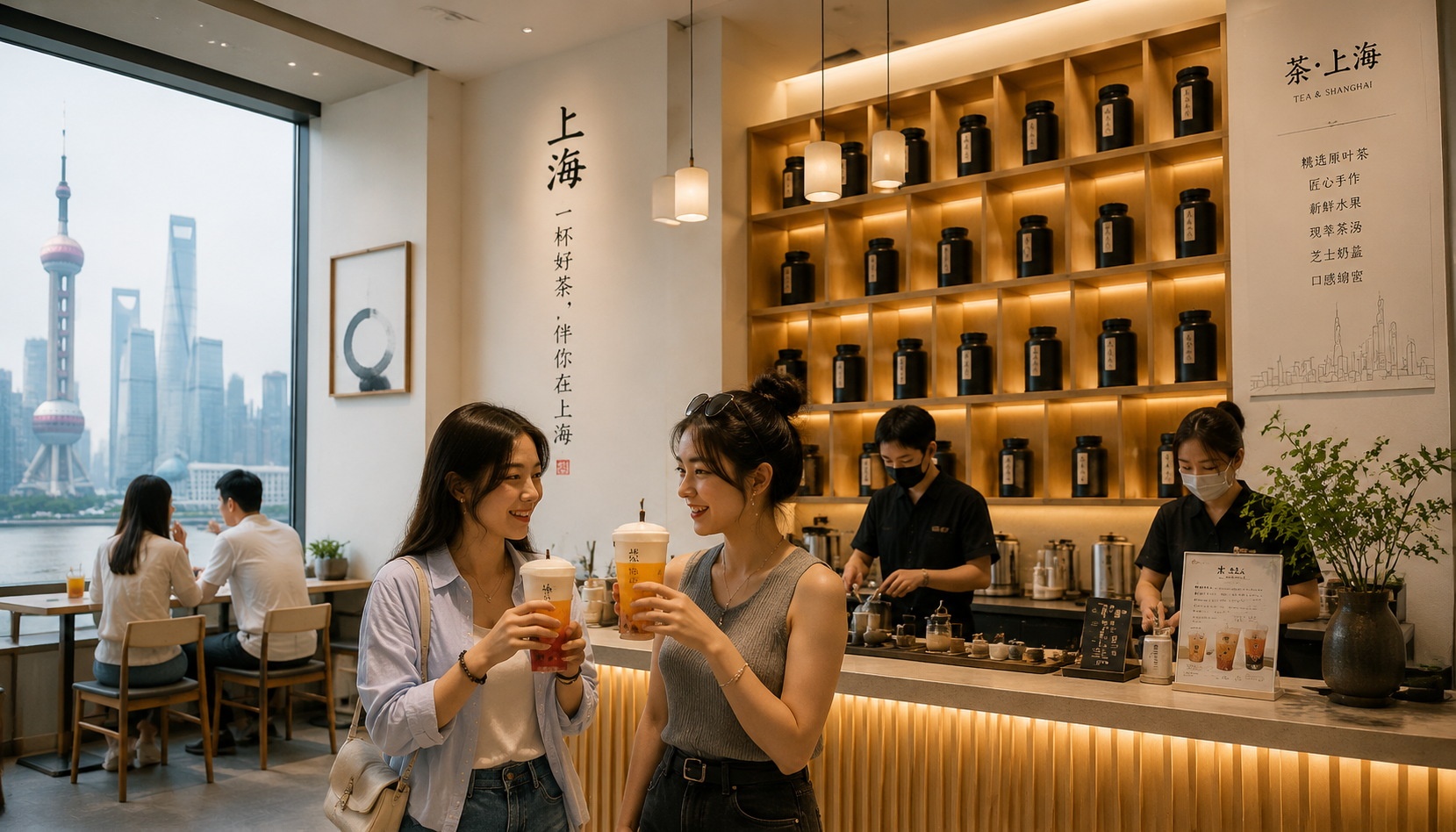
If you walk into a shopping mall in Chengdu or Hangzhou today, you’ll find sleek tea bars that look more like hip coffee shops. Names like “Heytea” and “Nayuki” serve fruit teas, cheese teas, and cold-brew oolongs to queues of 20-somethings. Younger Chinese drinkers are moving away from sugary bubble tea toward lighter, more artisanal options. Among them, pure tea—no sugar, no milk—is making a quiet comeback.
“My grandmother always made tea in a gaiwan,” says 27-year-old Wang Lei, a graphic designer in Shenzhen. “I grew up thinking it was an old person’s drink. But last year, I tried a cold-brew jasmine from a specialty shop, and it blew my mind. Now I own a gaiwan and brew loose-leaf tea every afternoon.”
Domestic consumption of loose-leaf tea has risen steadily. According to the China Tea Marketing Association, sales of premium tea bags and ready-to-drink tea grew 15% in 2023. Social media platforms like Xiaohongshu (Little Red Book) are flooded with photos of elegant tea setups. The hashtag #teaculture has over 3 billion views.
This domestic renaissance is creating a new generation of connoisseurs who demand quality—and they’re influencing what China exports. More small producers now international packaging and certifications, hoping to attract overseas buyers who want the whole story, not just the leaves.
Tea Exports: Where Chinese Tea Stands in Overseas Markets
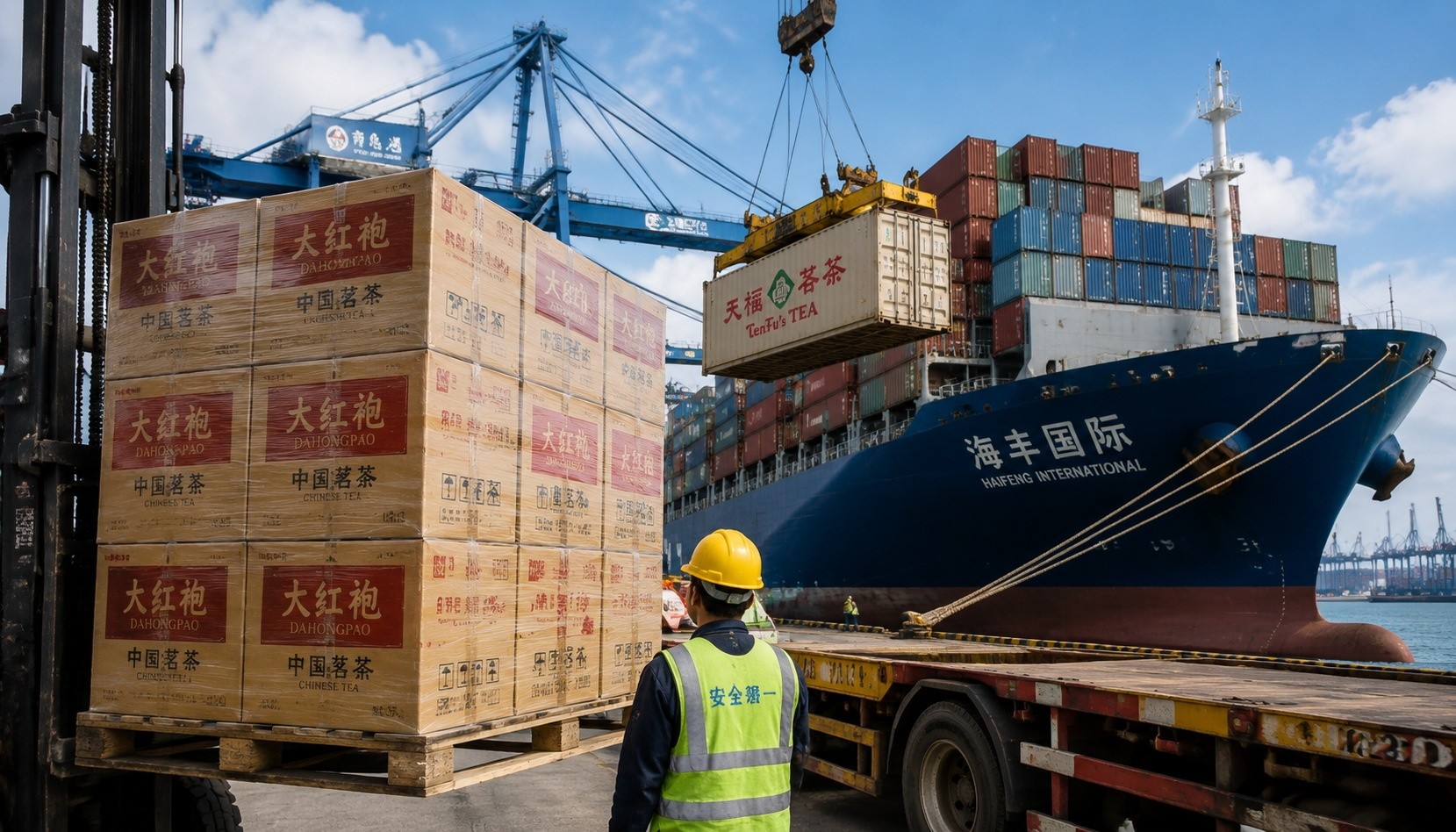
Despite being the world’s biggest producer, China is only the second-largest exporter of tea by volume, after Kenya. Most Chinese tea goes to Morocco, Hong Kong, the US, and Japan. In Western markets, “Chinese tea” often suffers from a quality perception problem: many consumers associate it with dusty supermarket bags or overly smoky lapsang souchong.
Yet premium Chinese teas—especially Longjing (Dragon Well), Tieguanyin, and pu’er—have carved out a niche. In the US, specialty tea shops like “Tea Drunk” in New York sell small-batch Chinese teas for $20–$50 per ounce. In London, the “Postcard Teas” store works directly with farmers in Anhui and Yunnan, paying above market prices for rare harvests.
Challenges remain: pesticide residue standards in the EU are stricter than China’s domestic regulations, causing some shipments to be rejected. Tariffs and trade tensions add friction. But e-commerce platforms like Tmall Global and Amazon are allowing small producers to bypass traditional distributors. “We sold 500 kg of white tea to a buyer in Germany last year—all through WeChat,” says Lin. “Technology is shrinking the distance.”
Another hurdle is cultural translation. “Chinese tea culture is complex—it’s not just about drinking, it’s about ceremony, health, philosophy,” says Zhang Hui, a tea educator based in Beijing. “When we explain it to Westerners, we need to start simple: show them how to brew, let them taste the difference between a cheap bag and a good leaf. Once they try, they usually get hooked.”
A Cultural Symbol: How Tea Connects China and the World
Tea has been a Chinese export for over a millennium, traveling via the ancient Silk Road and later by clipper ships. Today, it remains one of the country’s most potent soft power assets. The Chinese government has designated “tea culture” as a key part of its Belt and Road cultural exchange. In 2022, UNESCO added “Chinese tea-making skills and associated customs” to the Intangible Cultural Heritage list.
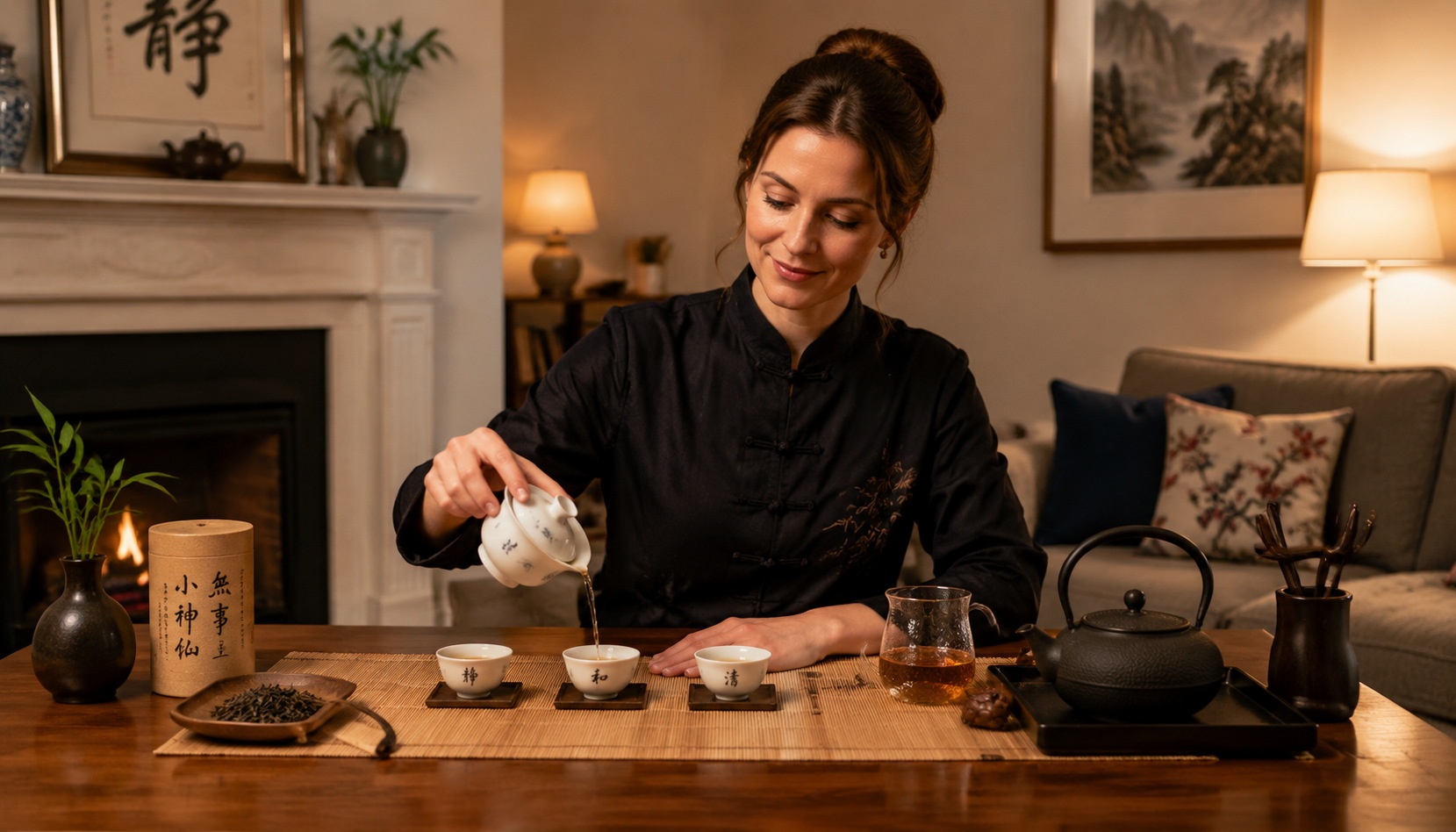
But the real ambassadors are not diplomats—they’re everyday people. Chinese students abroad bring pu’er cakes to share with classmates. Immigrant teahouses in Flushing, New York, or London’s Chinatown serve dim sum with jasmine tea. And more non-Chinese are taking up the practice: the number of Westerners attending Chinese tea ceremonies in cities like San Francisco and Melbourne has grown rapidly since 2019.
“It’s not about learning a rigid ritual,” says Sarah, an American who runs a tea class in Austin, Texas. “It’s about slowing down and connecting with nature. That why people are drawn to it.”
Conclusion: The Real China Behind the Cup
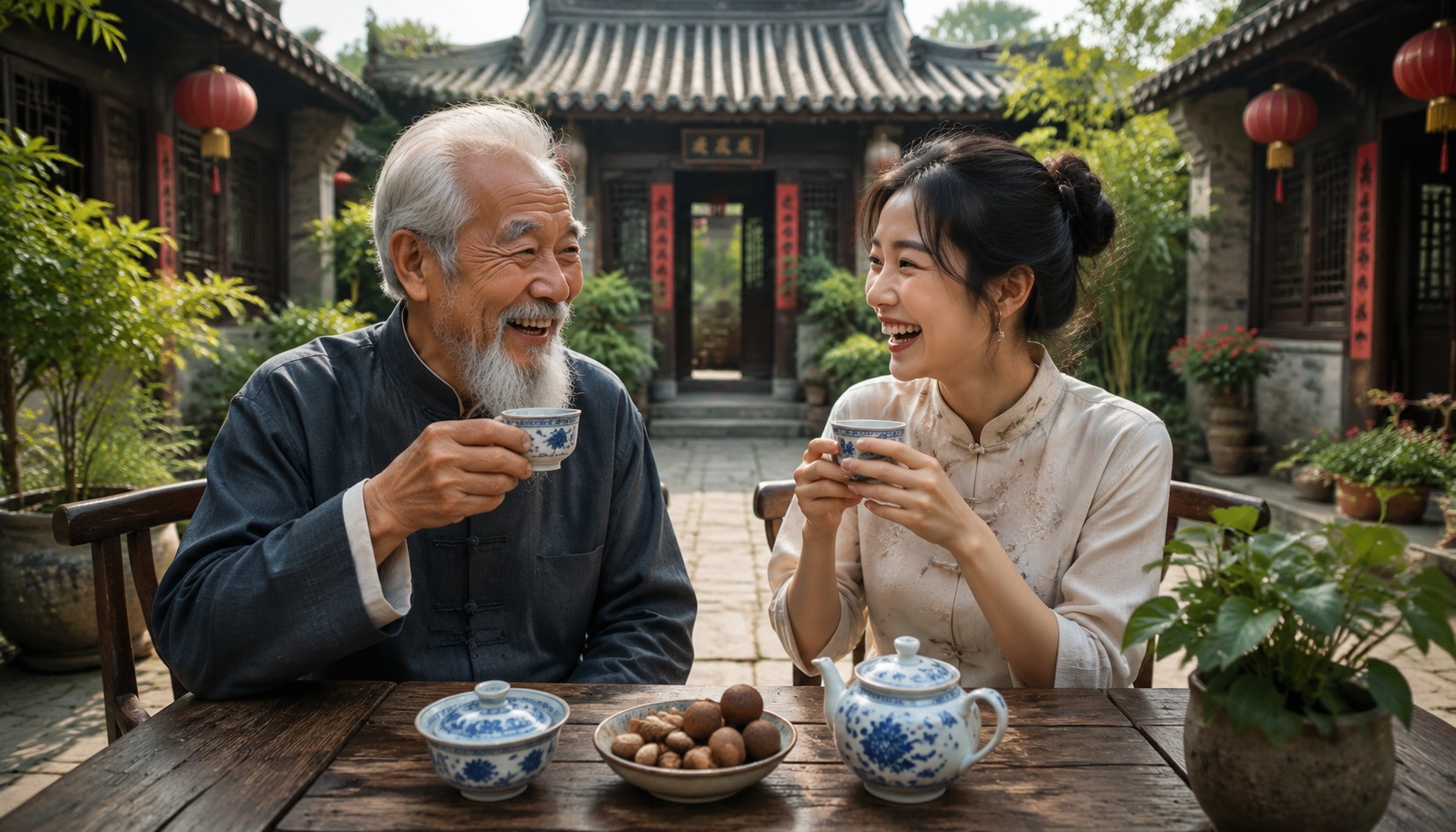
Chinese tea is not just a beverage; it flows through the country’s rural economy, urban lifestyle, and global commerce. To understand how it conquers the world, you have to walk through a misty mountain plantation, queue at a modern tea bar, and taste a leaf that traveled thousands of miles. The story of Chinese tea is the story of millions of farmers, entrepreneurs, and enthusiasts—each adding their own flavor to an ancient tradition.
Next time you brew a cup, think about the hands that picked it. That might be the real taste of China.