
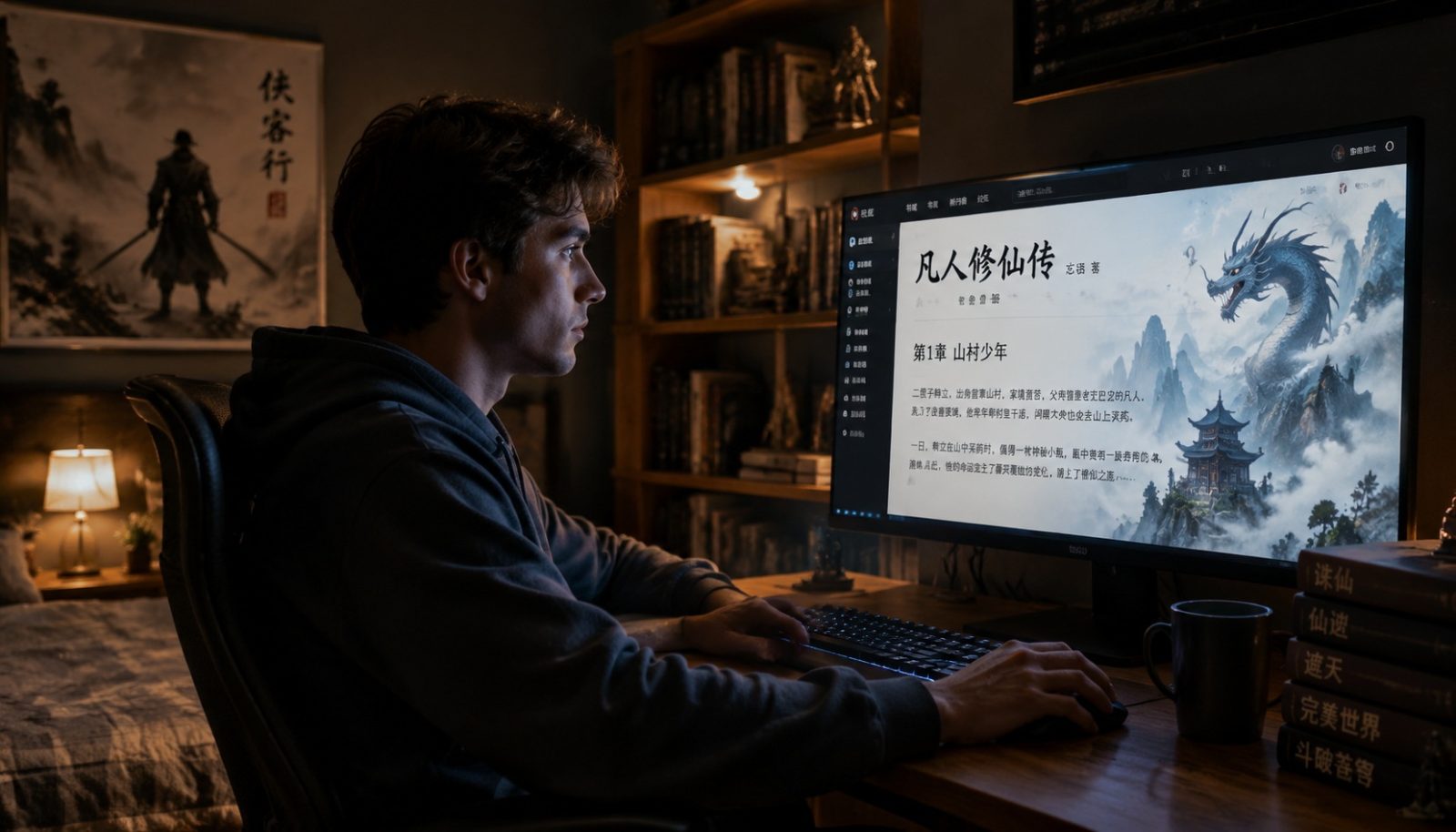

Introduction: A Late-Night Discovery
It was 2 AM in Ohio, and Jake was bored. He had finished his usual fantasy series and was scrolling Reddit for something new. A post on r/noveltranslations caught his eye: ‘If you like Brandon Sanderson, try Coiling Dragon.’ He clicked. Three hours later, the sun was rising, and Jake had read forty chapters. ‘I couldn’t stop,’ he told me over a video call. ‘It was like nothing I’d ever read before.’
Jake, a 29-year-old software engineer, is now a dedicated fan of Chinese cultivation novels—a genre known as xianxia (immortal heroes) or xuanhuan (fantasy). He’s not alone. Millions of readers outside China are discovering these stories, often translated by passionate volunteers. But how does someone from a completely different culture fall in love with a genre built on Chinese mythology, qi energy, and centuries-spanning plots?
First Contact: Stumbling Into a New World
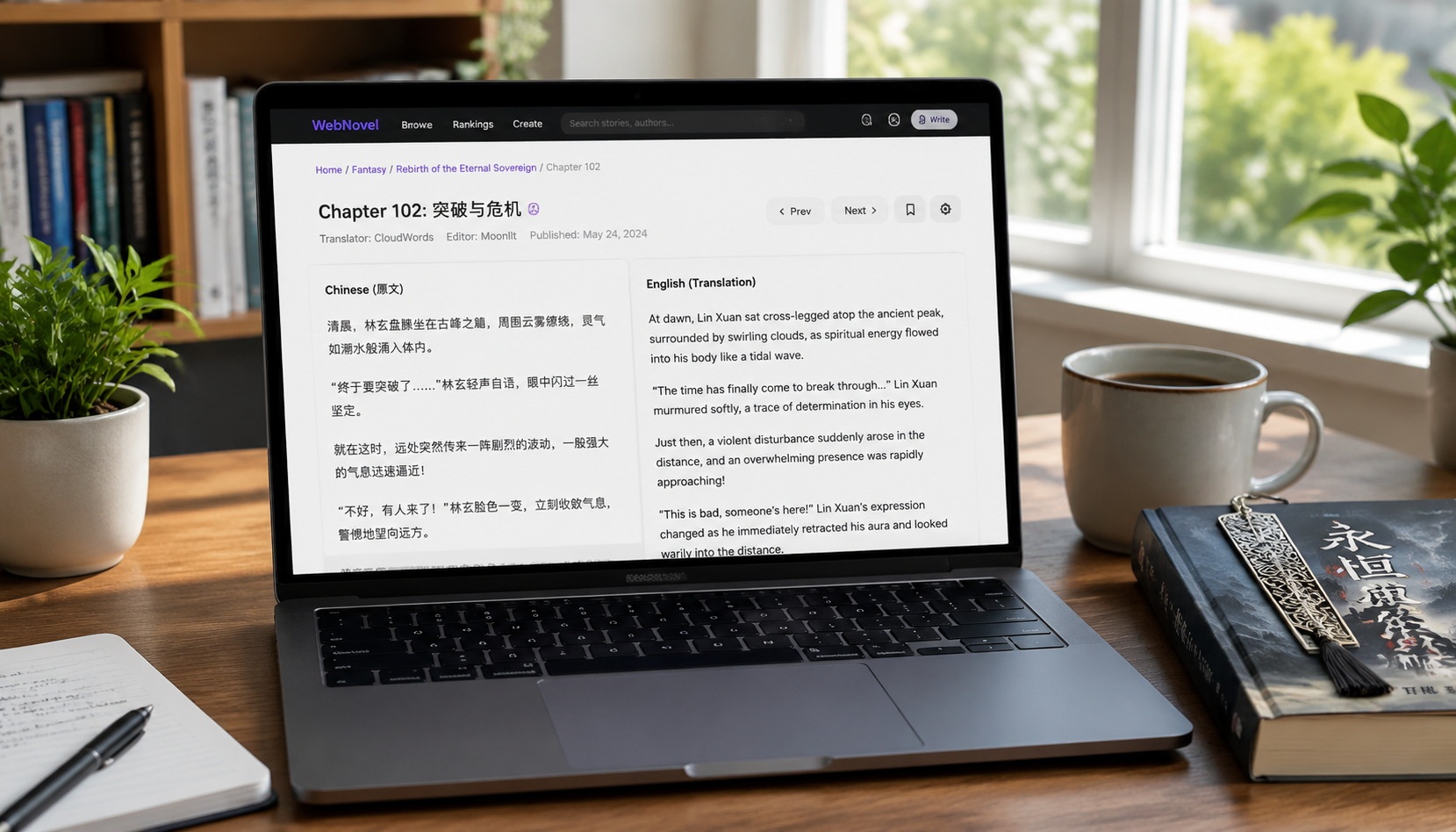
Jake’s first cultivation novel was Coiling Dragon by I Eat Tomatoes. ‘I thought it would be a standard fantasy, but the very first chapter threw me into a world where power is based on understanding laws of reality, not just magic spells,’ he says. He was confused at first—terms like ‘soul mutating’ and ‘divine spark’ felt foreign. But the translator included footnotes, explaining concepts like cultivation realms (Qi Condensation, Core Formation, Nascent Soul). ‘Once I got the basic framework, I was fascinated.’
What hooked him wasn’t just the magic system. It was the protagonist’s relentless drive. ‘Western heroes often have moral dilemmas, but cultivation protagonists just … go. They want to get stronger, protect their family, and ascend to immortality. It’s refreshingly straightforward.’
Cultural Differences and Appeal: Beyond the Great Wall
Cultivation novels are deeply rooted in Chinese culture—Taoist philosophy, Confucian family loyalty, and Buddhist ideas of reincarnation. For outsiders, these can be barriers. But fans like Jake find them intriguing. ‘I started reading about Taoism on Wikipedia just to understand cultivation better,’ he laughs. The genre also explores themes of meritocracy and self-improvement, which resonate globally. ‘Anyone can become powerful if they work hard enough—that’s a universal dream.’
Another appeal is the sheer scale. ‘Western fantasy often ends with saving the world. Cultivation novels go beyond: you ascend to a higher plane, then an even higher one. The story never really ends. It’s like an endless ladder of ambition.’ This length can be intimidating—some series have thousands of chapters—but for fans, it’s a feature, not a bug. ‘I’ve spent months reading one series. It becomes part of your daily life.’
Going Deeper: From Casual Reader to Superfan
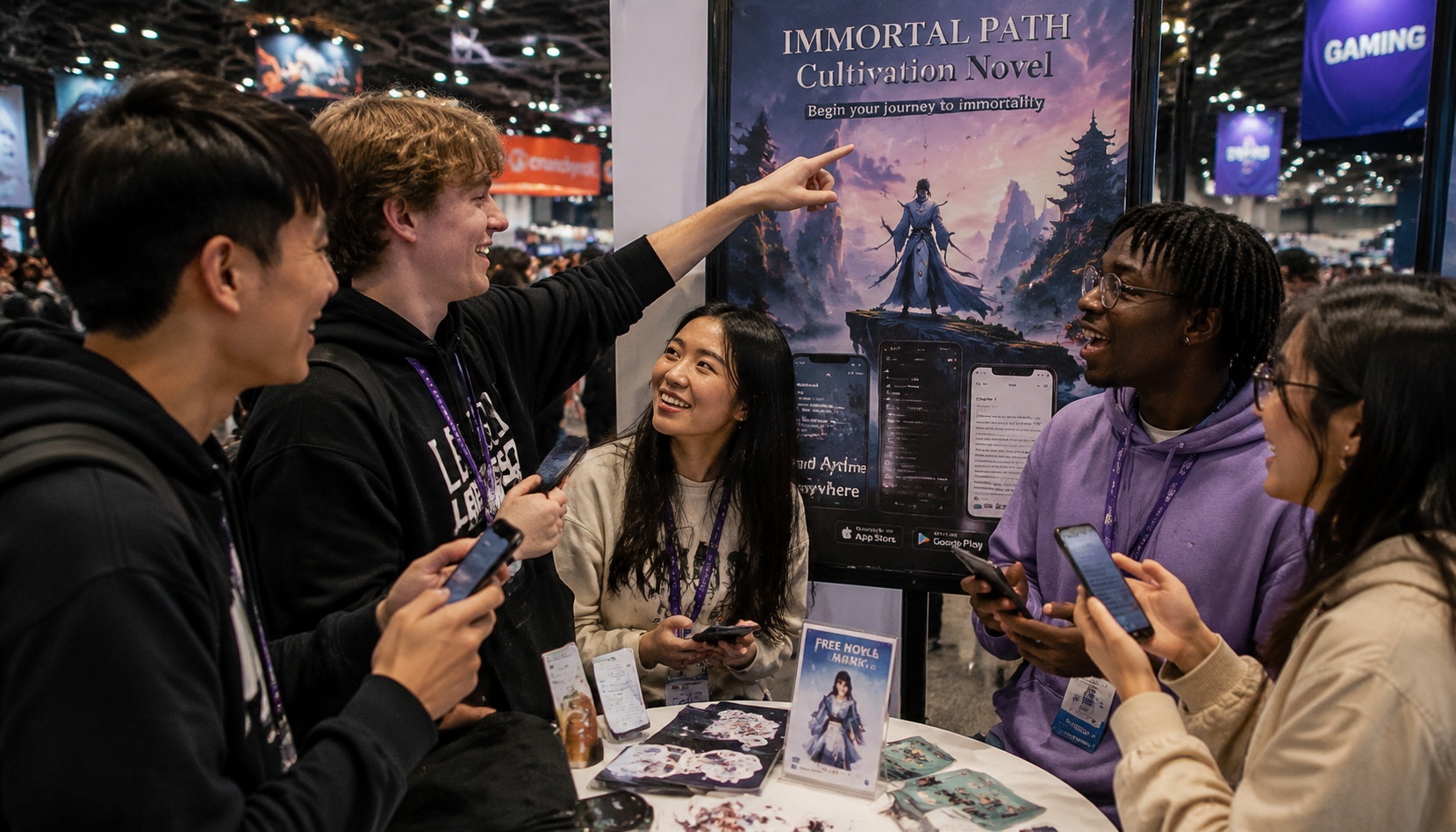
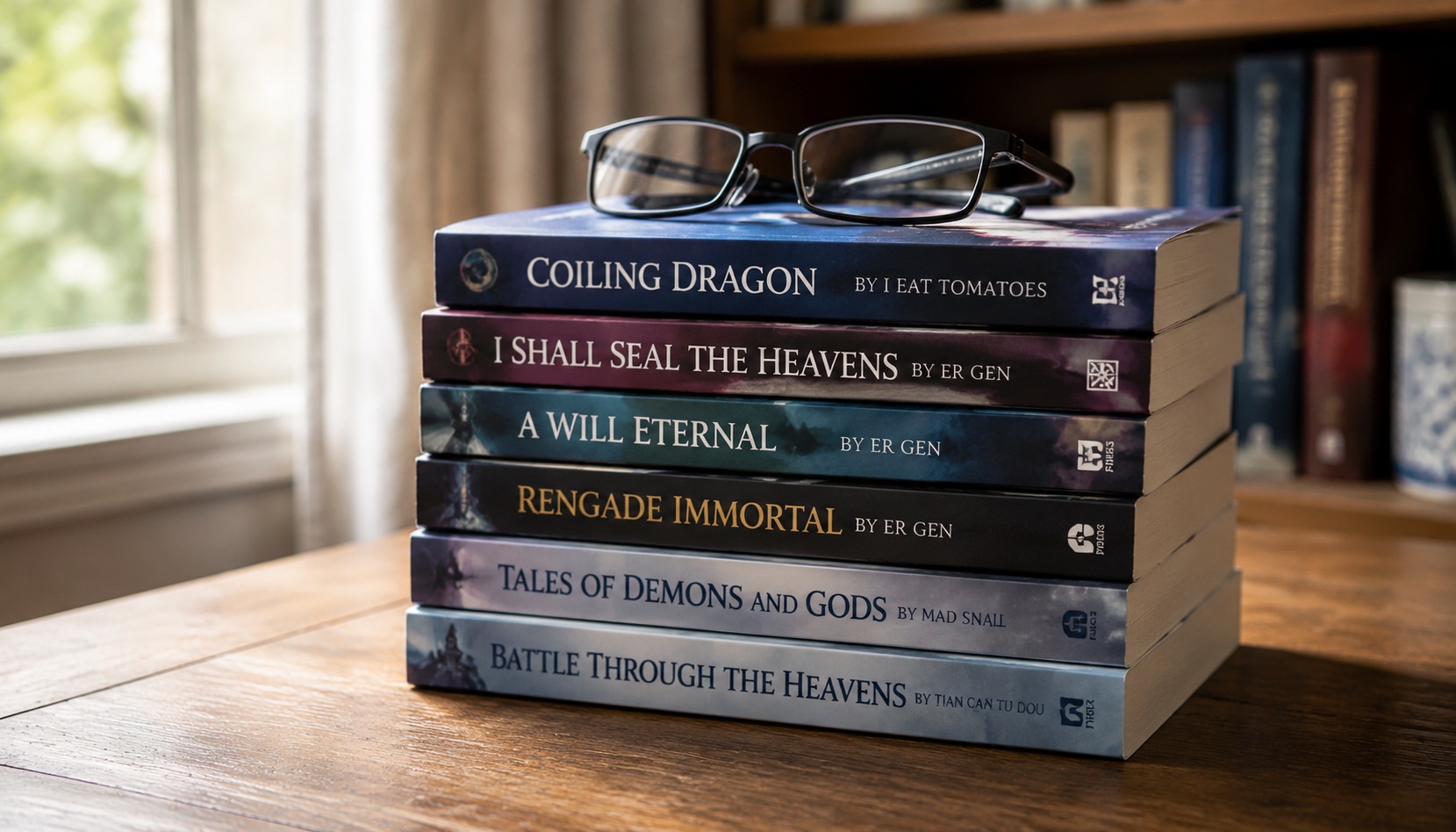
After Coiling Dragon, Jake devoured I Shall Seal the Heavens, A Will Eternal, and Reverend Insanity. He joined Discord servers where fans discuss theories, share memes, and recommend translations. ‘The community is half the fun. We argue about power levels, complain about slow updates, and celebrate when a new arc drops.’
Jake even started learning Chinese to read ahead. ‘I’m still beginner level, but I can recognize characters like “qi” and “sect”. It’s a gateway to the language.’ Many fans go further: some create fan art, write their own novels inspired by cultivation, or even travel to China to visit places mentioned in stories (like Mount Emei or the Shaolin Temple).
The Bigger Picture: Chinese Web Novels Go Global
Jake’s story is part of a larger trend. Platforms like Wuxiaworld, Webnovel, and Gravity Tales have translated hundreds of Chinese web novels into English, attracting millions of readers. According to a 2023 report by the China Audio-Video and Digital Publishing Association, overseas readers of Chinese web novels have surpassed 150 million. The most popular genres? Cultivation, urban fantasy, and historical romance.
This isn’t just a niche hobby. Chinese production companies are adapting these novels into donghua (Chinese animation) and TV dramas, with subtitles reaching global audiences. Netflix’s The King’s Avatar and Fights Break Sphere are examples. Meanwhile, the Chinese government has started supporting web novel translations as part of its cultural soft power push.
Conclusion: A Bridge of Imagination
For Jake, cultivation novels have become more than entertainment. ‘They changed how I think about storytelling. They taught me that a hero can be ambitious without being flawed, and that a story can go on forever.’ As we ended our call, he was mid-chapter of Desolate Era. ‘The main character just broke through to the Chaos Realm. I can’t wait to see what’s next.’
Chinese cultivation novels are not for everyone—they are long, sometimes repetitive, and culturally dense. But for those who cross the initial threshold, they offer an entire universe to explore. And as readers like Jake prove, imagination has no borders.
Start the discussion at forum.chinacomes.com