
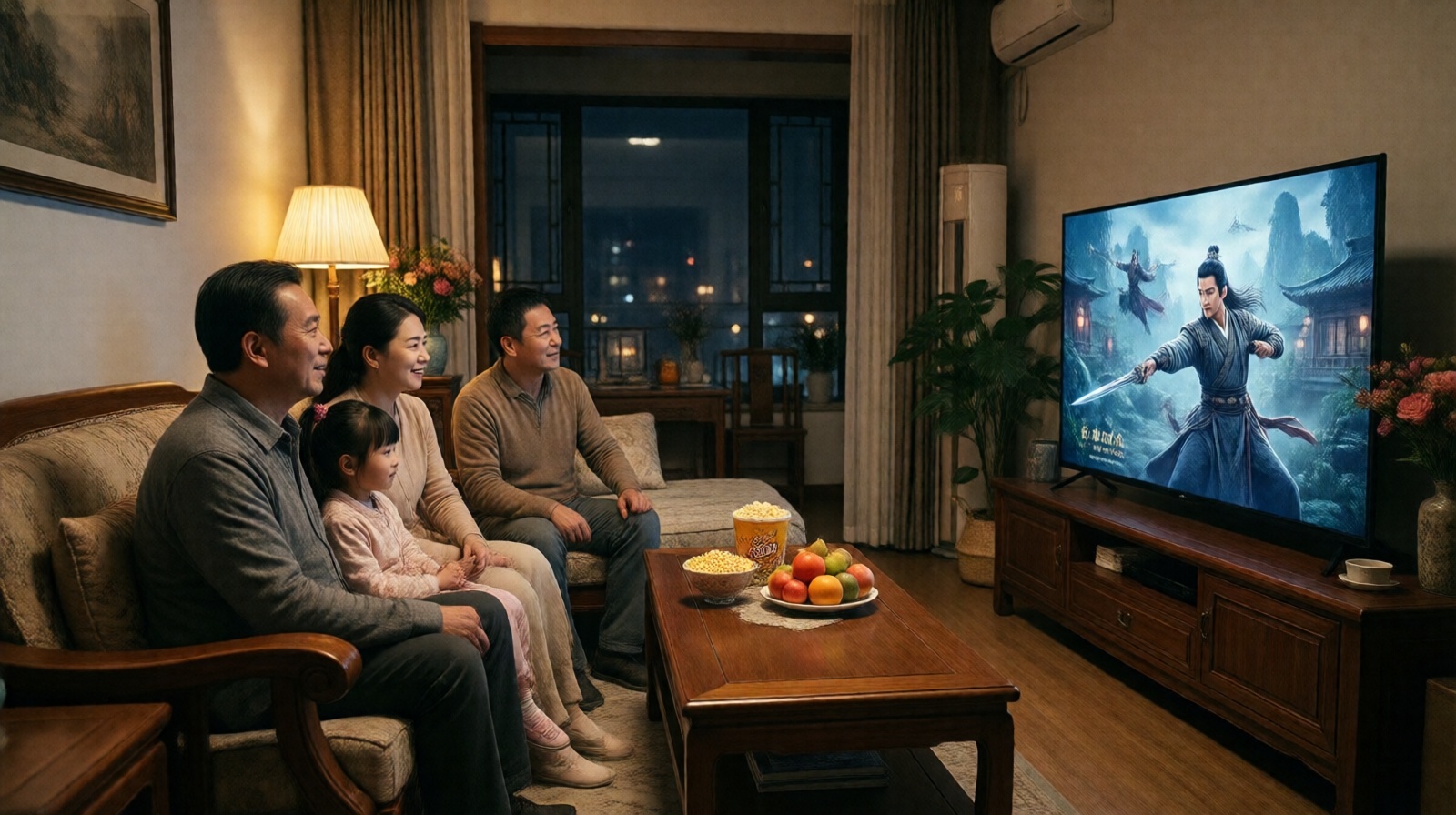

Gathering Around the Screen: A Saturday Night Ritual
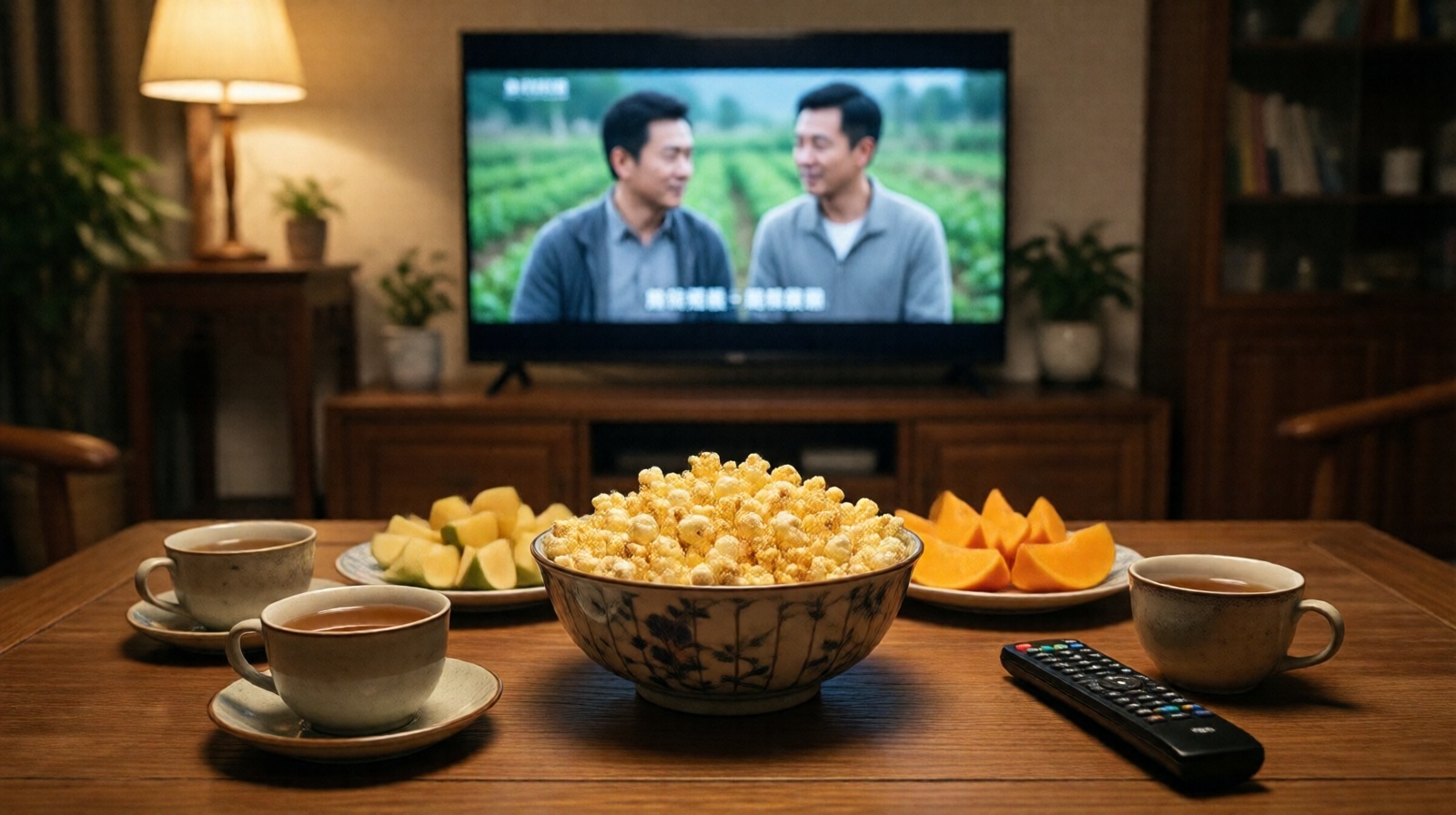
The lights are dimmed, the air conditioner hums softly, and the smell of freshly popped popcorn drifts from the kitchen. On the sofa, three generations of the Li family are settling in for their weekly tradition: watching a cultivation drama together. Grandpa Liu, 68, adjusts his glasses as the opening credits roll. His granddaughter, 12-year-old Mei, squeals with excitement – tonight’s episode promises a major battle scene. Mei’s father, Mr. Li, pours tea for everyone while his wife brings out a plate of cut fruit.
Why Cultivation Dramas? The Appeal Across Ages
Cultivation dramas, or xianxia, are a uniquely Chinese genre blending Taoist mythology, martial arts, and coming-of-age stories. A typical plot follows a young hero who trains to become an immortal, overcoming trials that test loyalty, love, and sacrifice. Though the settings are ancient and fantastical, the themes – family honor, friendship, and perseverance – resonate universally.
For Grandpa Liu, the show recalls the folk tales his own grandmother told him. For Mei, it’s a source of shared vocabulary with classmates at school. And for Mr. and Mrs. Li, it’s a rare chance to unplug from work and connect as a family. “We don’t always agree on what to watch,” Mrs. Li laughs, “but cultivation dramas seem to please everyone.”
The Social Side of Streaming
Unlike Hollywood blockbusters, many Chinese families experience cultivation dramas as a communal activity. Streaming platforms like iQiyi and Tencent Video release episodes weekly, turning each new airing into an event. On social media, fans discuss theories, share memes, and even create fan art. For the Li family, watching together means they can pause, debate character motivations, and laugh at the over-the-top special effects.
From Screen to Dinner Table: Conversations That Bridge Generations
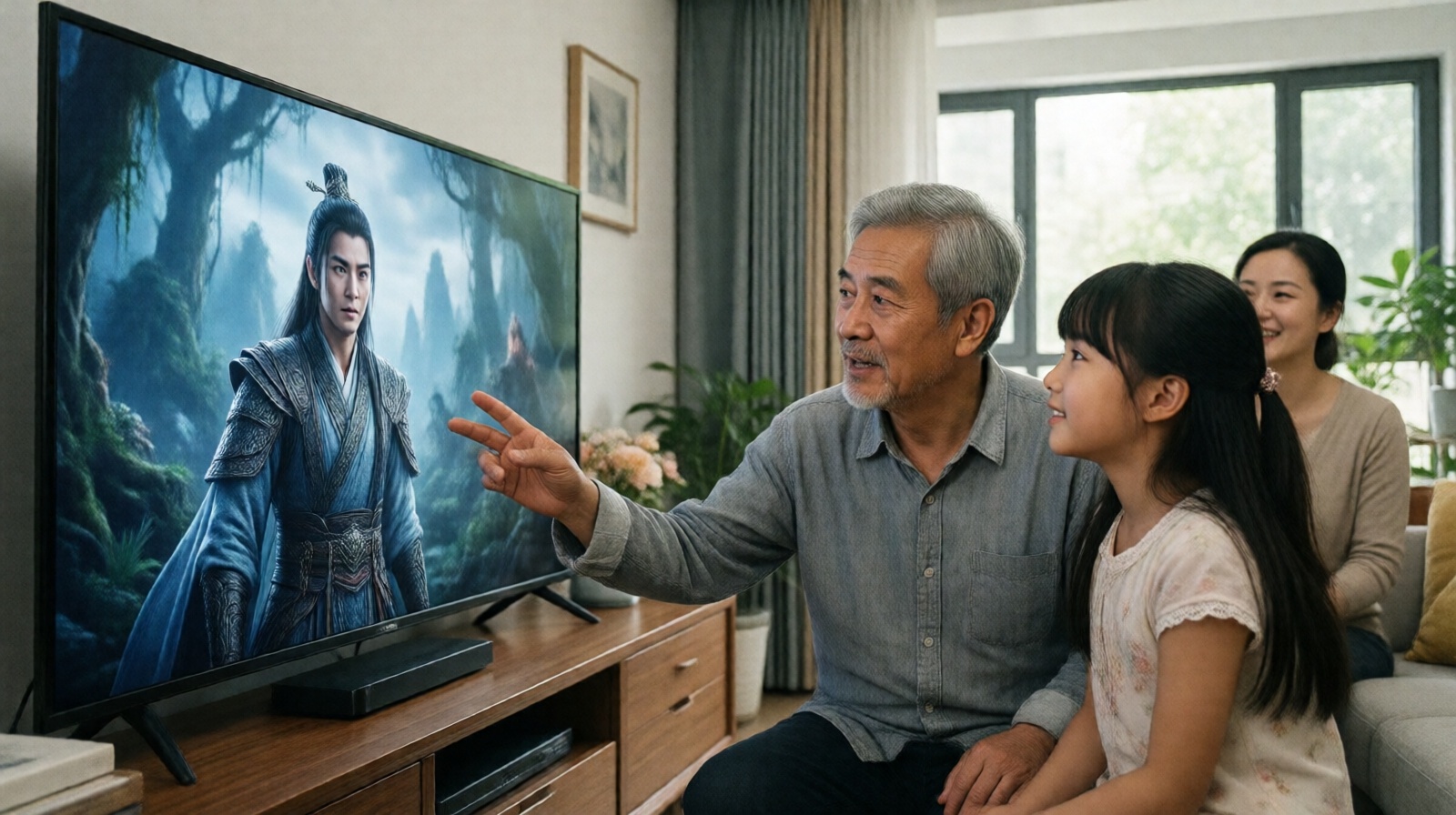
The real magic happens after the episode ends. During dinner, Grandpa Liu explains the difference between a magical treasure (法宝) and a spiritual beast (灵兽), while Mei compares the protagonist to a superhero from Marvel movies. Mr. Li, a software engineer, points out how the show’s cultivation realms mirror the concept of leveling up in video games. These cross-generational dialogues are a quiet but powerful part of modern Chinese family life.
More Than Entertainment: A Window into Chinese Values
For foreign readers, it might seem unusual that a family would spend their weekend watching a show about flying swords and immortal masters. But cultivation dramas often carry deeper messages: respect for elders, the importance of self-cultivation (修身), and the belief that effort can overcome destiny. The Li family doesn’t just watch – they absorb these values, discuss them, and pass them on.
“Our lives are very different from the characters on screen,” says Mr. Li, “but the lessons about perseverance and family are the same. That’s why we keep coming back every Saturday.”
The Quiet Joy of Shared Screens
In a country where many parents work long hours and children face intense school pressure, a shared weekend screen becomes a sanctuary. It’s not about the drama itself, but about the moment of togetherness – the laughter, the debates, the popcorn fights. The Li family’s Saturday night is a small, unremarkable scene, yet it echoes across millions of Chinese households. Sometimes, the most authentic image of modern China is not a skyscraper or a high-speed train, but a family on a sofa, eyes glued to a fantasy world, yet deeply connected to each other.
Start the discussion at forum.chinacomes.com