
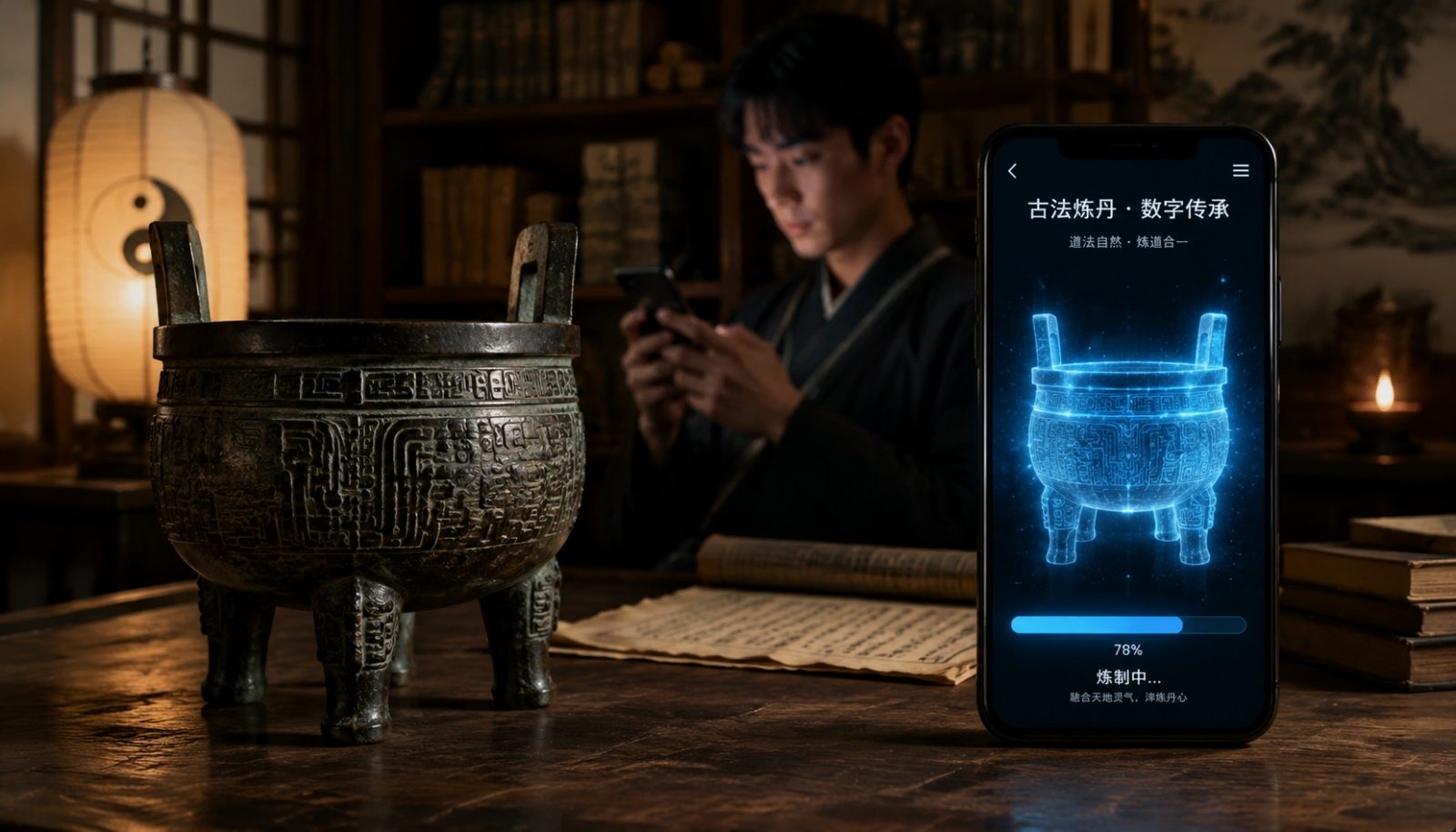

Introduction: When an Ancient Cauldron Glows on a Phone Screen
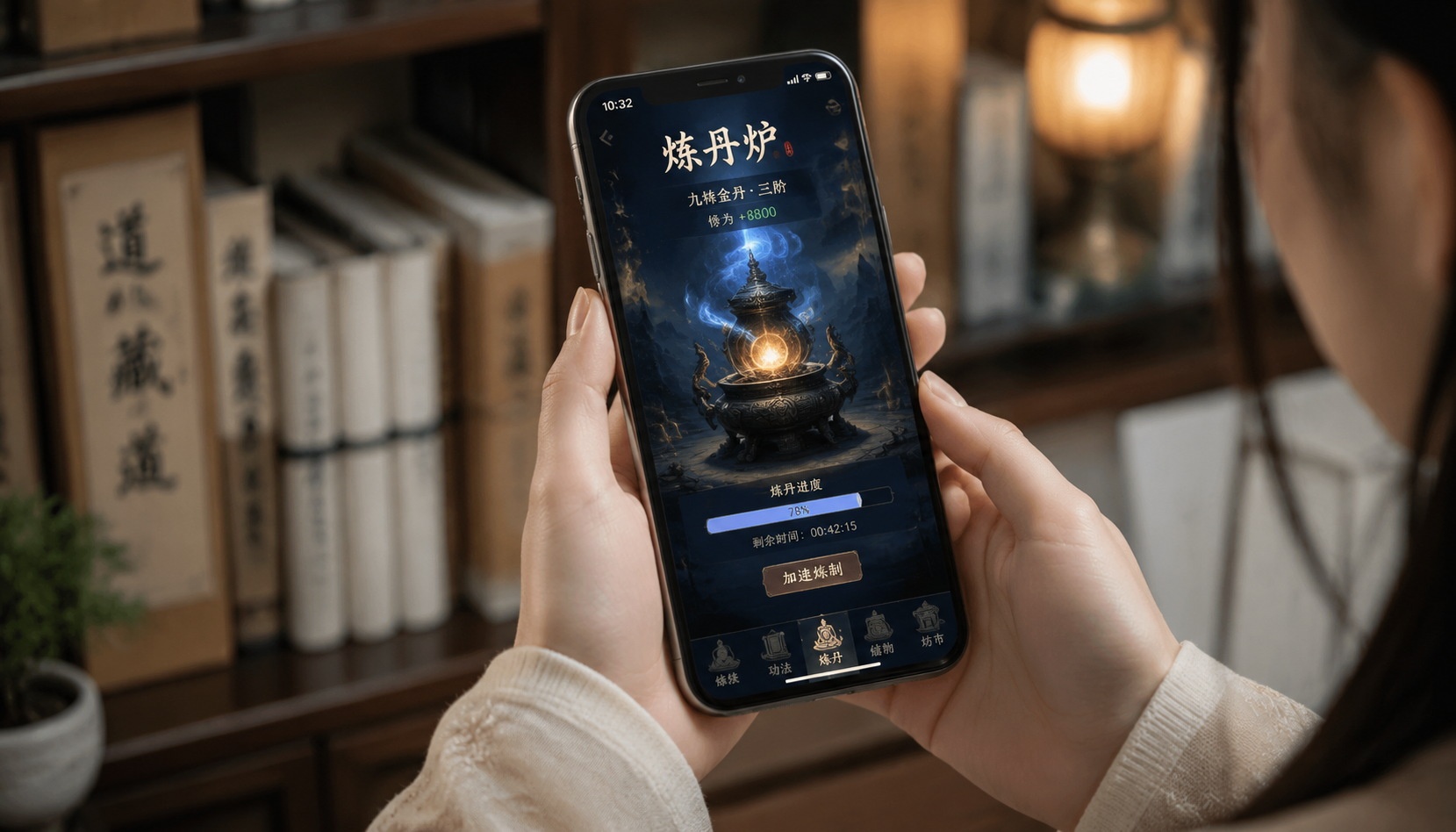
It was 11 PM on a Tuesday when my friend Li Wei, a 26-year-old graphic designer in Shanghai, sent me a screenshot from the latest chapter of a cultivation novel he was reading. “Look at this new pill furnace the protagonist just got,” he said. “It’s like a GPU rig for alchemy.” His joke made me pause. The novel described a glowing bronze cauldron that could refine elixirs 10 times faster—with a digital interface showing progress bars. Li Wei had never seen a real alchemy furnace, but he understood this one perfectly because it worked like a game system. This is how ancient Chinese elements are reborn in the digital age.
The Alchemy Furnace: From Daoist Laboratories to Novel Power-Ups
Historical Roots: The Tang Dynasty Pursuit of Immortality
Alchemy in China dates back over 2,000 years, reaching a peak during the Tang dynasty (618–907 AD). Emperors and Daoist priests spent fortunes on furnace experiments, mixing cinnabar, sulfur, and other minerals in search of an elixir of life. The actual furnaces ranged from simple clay stoves to elaborate bronze vessels with intricate patterns. Most formulas, however, proved toxic—many alchemists and even emperors died from heavy metal poisoning. Yet the symbolic power of the furnace as a transformative device endured.
Modern Fiction: From Mystical Artifact to Game-like System
In today’s cultivation novels, the alchemy furnace is stripped of its deadly history and reimagined as a tool for personal power growth. In series like A Will Eternal or Battle Through the Heavens, the protagonist’s cauldron is often a sentient artifact with skill trees and experience points. Some stories even mix in sci-fi: the furnace becomes a biological reactor or a quantum processor. The core idea remains alchemical transformation, but the framework is pure modern gaming logic—level up, combine materials, unlock recipes.
Ordinary Readers: How Gen Z Makes Sense of Strange Concepts
For young Chinese readers who have never seen a real cauldron, the furnace is no more foreign than a wizard’s cauldron in Harry Potter. Many learn about the historical alchemy through Baidu Baike entries that pop up as they read. Some visit museums to see actual artifacts. On Bilibili, video essays compare the fictional furnaces to real ones, drawing diagrams of how the heat circulation might work. The gap between ancient and modern is bridged by curiosity and a culture of sharing knowledge through memes.
Chinese Talismans: From Superstitious Charms to Visual Spectacle
Traditional Talismans: Daoist Rituals and Folk Beliefs
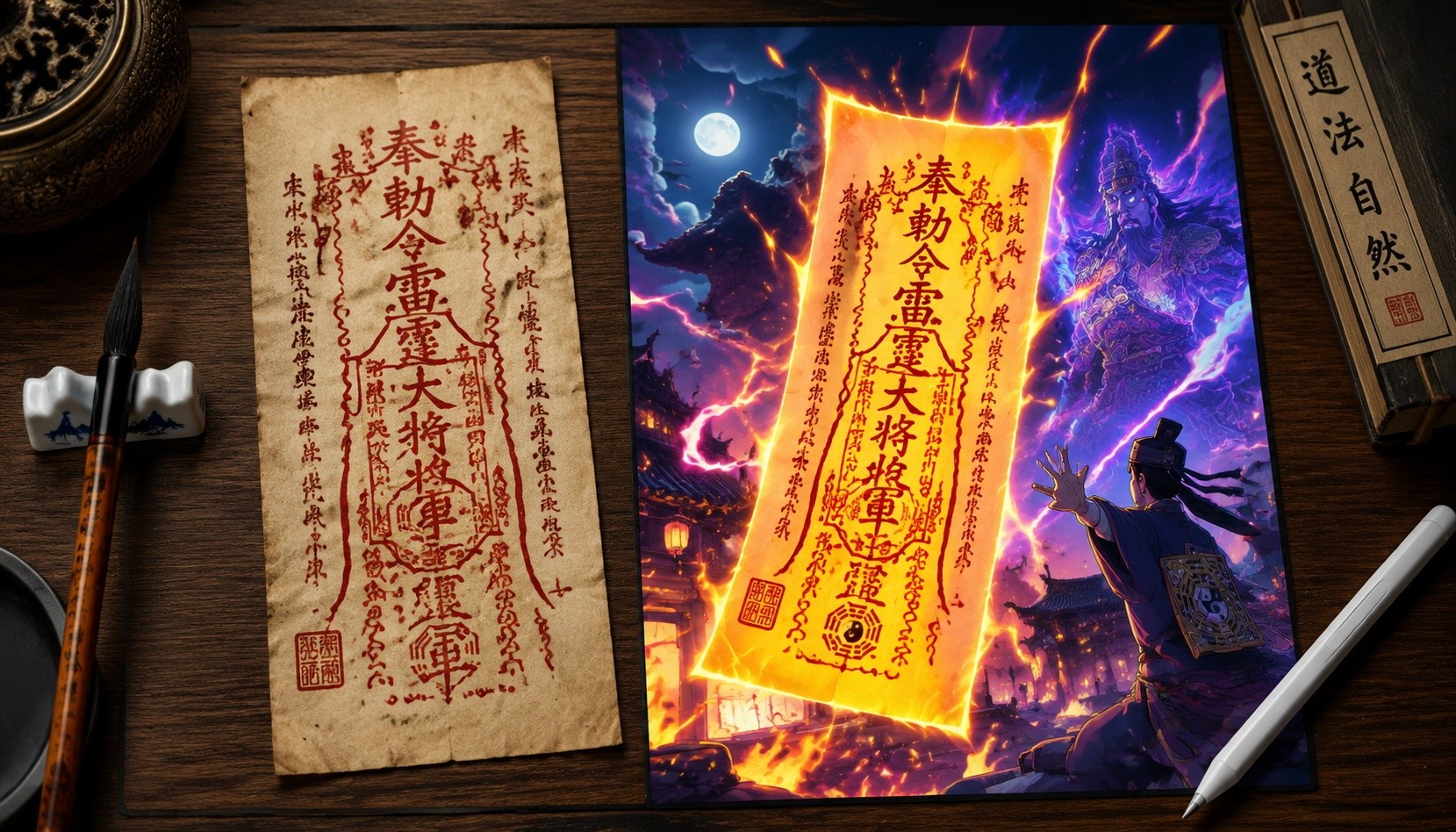
In traditional Chinese culture, talismans (符咒, fú zhòu) are paper strips with magical symbols, usually written in cinnabar ink by Daoist priests. They were used to exorcise demons, cure illnesses, or summon rain. Each stroke and seal had to be precise—a mistake could backfire. The practice is still alive in some rural areas and Taoist temples, but for most urban Chinese under 30, talismans are something seen in costume dramas or on tourist souvenirs.
Modern Fiction: Talismans as Programmable Code
In cultivation novels, talismans undergo a powerful modernization. They become programmable energy scripts: the protagonist writes talismans like coding, testing different symbol combinations to achieve fireballs, teleportation, or shields. In the hit webcomic The King’s Avatar (which is esports-themed, but the logic applies), skills are cast through keyboard shortcuts—a direct tech analog. For many young readers, this “talismanic code” makes perfect sense because they understand how algorithms and commands work. The mystical becomes engineer-friendly.
Common Misunderstandings Among International Readers
Some overseas readers initially treat Chinese talismans as a variant of magic wands or spell scrolls. But Chinese fans are quick to explain the differences: talismans are not random magic; they follow strict Daoist principles of yin-yang and five elements. The symbols are based on constellations and calligraphy. A talisman is more like a software license key that activates a pre-existing cosmic function. This nuanced view is increasingly shared through English fan forums and translation communities.
Modernization Paths: Giving Ancient Culture a Second Life
Film Adaptations and Game Crossover
Cultivation novels are now adapted into animated series (Fog Hill of Five Elements, Under One Person) and mobile games (One Punch Man: Road to Hero, though not cultivation, similar mechanics). These adaptations show alchemy furnaces as glowing holograms and talismans as dynamic UI elements. Game developers often collaborate with museums to ensure the designs respect cultural origins while fitting gameplay.
Social Media Second Creations
On Douyin (TikTok China), short videos show everyday people making “talisman face filters” using augmented reality. On Weibo, fan artists reimagine famous cauldrons as anime girls. The hashtag #Danyao (pills) has over 2 billion views. These remixes lower the entry barrier: you don’t need to memorize myths to participate—just a phone and creativity.
Real-life Consumption: Hanfu and Cultural Products
The same generation that reads about the furnace also buys hanfu (traditional clothing) styled after cultivation novel characters. Taobao shops sell replica jade talismans and miniature cauldrons as desk decor. In 2023, a cultural product brand launched a “cultivation furnace” incense burner that became a hit among college students. These items are not religious objects but lifestyle accessories that connect young people to a heritage they choose to keep alive.
Conclusion: Living Heritage, Not Museum Exhibits
Standing in the Shanghai Museum two weeks later, Li Wei pointed to a small Han dynasty bronze cauldron. “Imagine this with a digital progress bar,” he joked. But his tone was serious: “We’re not mocking the past. We’re keeping it relevant.” The ancient alchemy furnace and talisman have not died; they have been reincarnated in novels, games, and memes. For millions of young Chinese, understanding these symbols is not homework—it’s part of the story they live in.
Start the discussion at forum.chinacomes.com