

Introduction: Why Baijiu Matters in Everyday Chinese Life
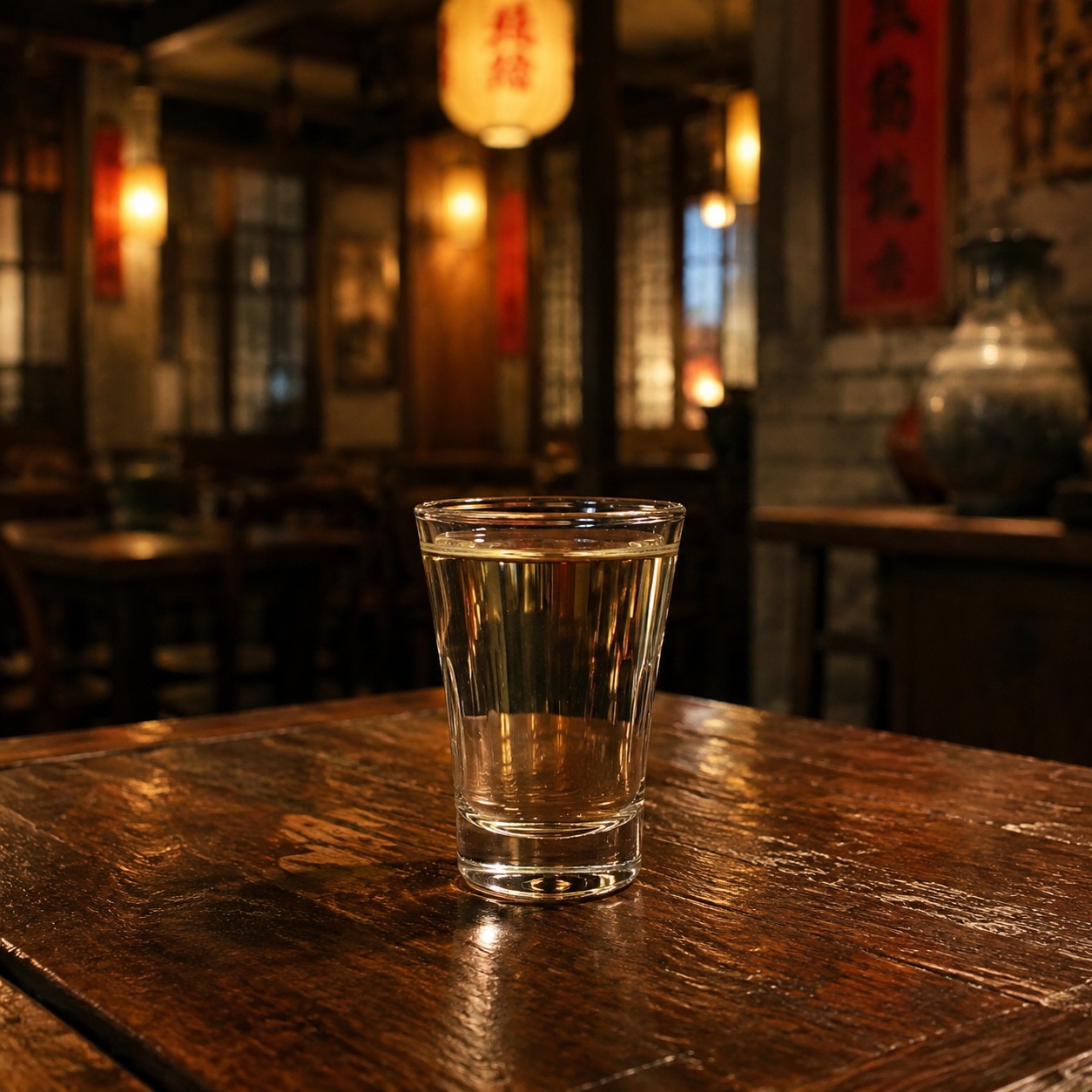
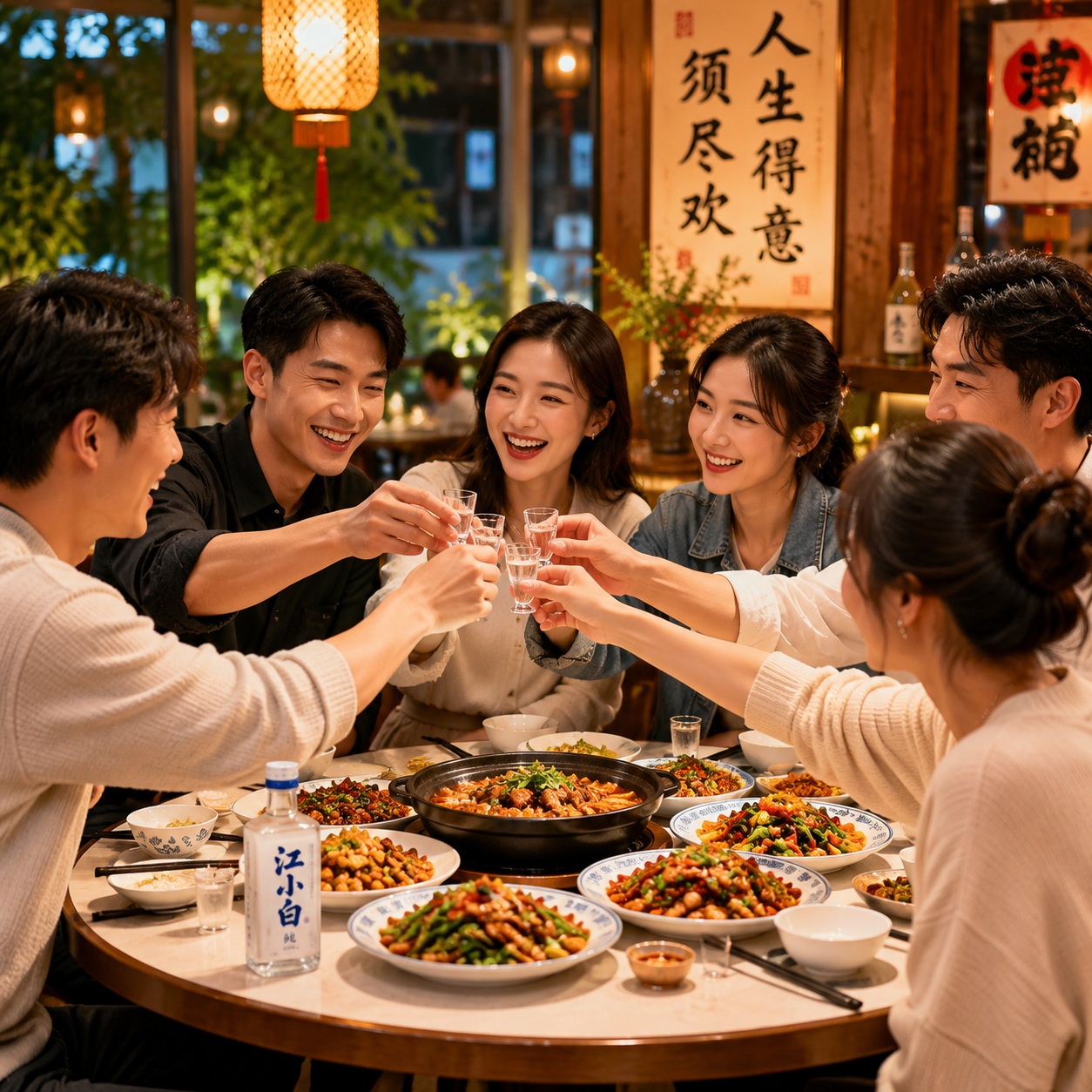
Imagine walking into a bustling restaurant in Beijing. At a table nearby, a group of friends is laughing, clinking small glasses, and downing clear liquid that smells… complex. One of them refills the glasses and toasts: Ganbei! (干杯, literally “dry glass”). That liquid is baijiu (白酒), China’s national spirit and a key player in social bonding. But to many non-Chinese palates, baijiu is mysterious, intimidating, and often misunderstood. Some compare it to rocket fuel. Others can’t get past the aroma.
Yet baijiu is the world’s best-selling spirit by volume — over 10 billion liters consumed annually in China alone. It’s not just a drink; it’s a cultural lubricant, a status symbol, and a conveyor of tradition. This guide will help you understand what baijiu really is, how to taste it, and why millions of people love it. By the end, you might even want to try a sip yourself.
A Brief History: From Ancient Grain to Modern Bar
Baijiu has been around for over 500 years, though its roots trace back to even older Chinese fermentation techniques using grains like sorghum, rice, and millet. The key innovation is qu (曲), a fermentation starter made from wheat, barley, or rice that introduces molds and yeasts to convert starches into alcohol. Unlike whiskey or vodka, baijiu is distilled from fermented grain mash without aging in wooden barrels (though some are aged in ceramic jars). The result is a clean, high-proof spirit that ranges from 40% to 60% ABV.
Today, baijiu is everywhere: at weddings, business dinners, family banquets, and even in trendy cocktail bars in Shanghai. It has evolved from a rustic farm drink to a modern industry with brands worth billions. Yet outside China, it remains a niche curiosity. Let’s fix that.
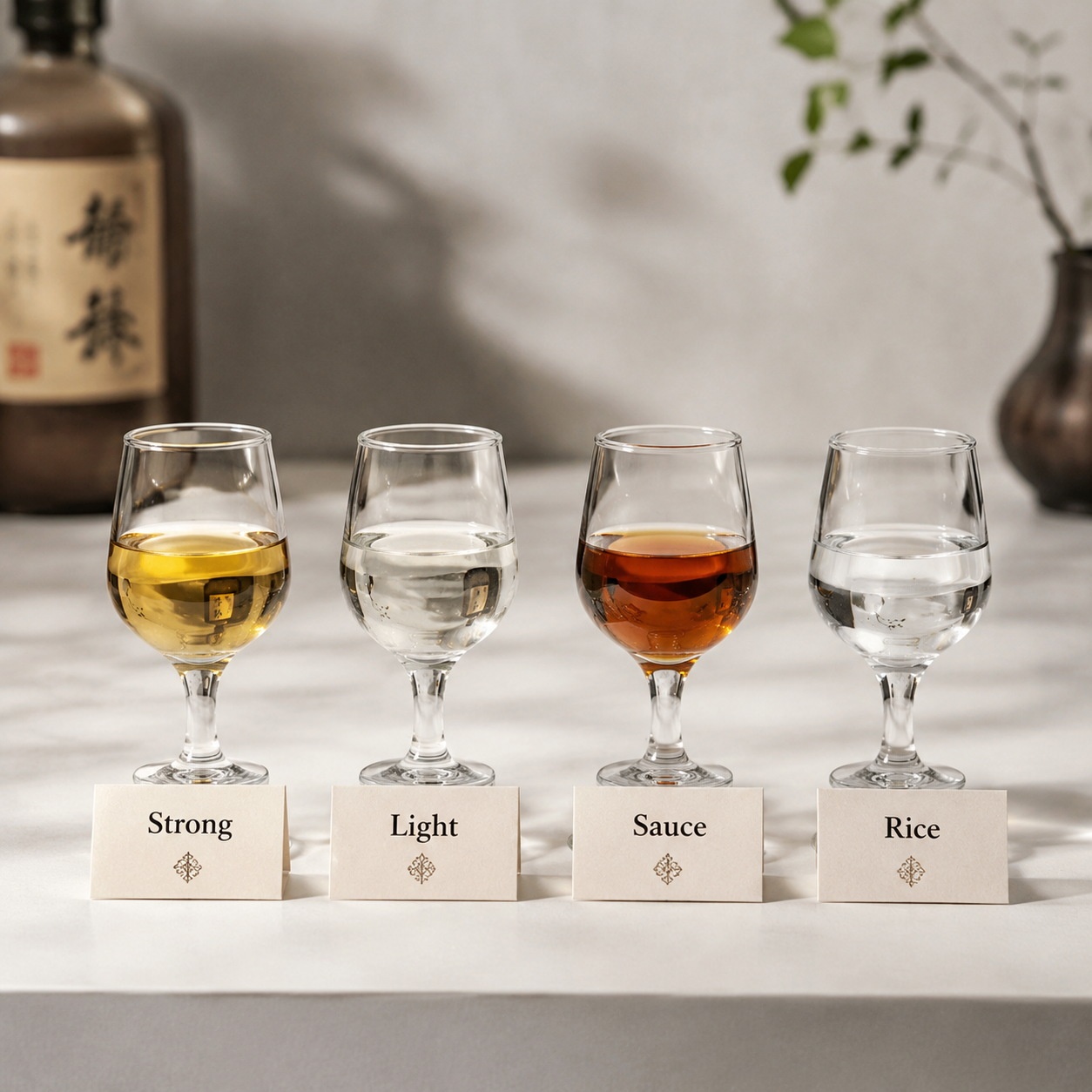
The Four Main Styles: Strong Aroma, Light Aroma, Sauce Aroma, Rice Aroma
Most baijiu falls into one of four major categories, each defined by its aroma and production techniques. Think of them like wine varieties — each has its own personality.
Strong Aroma (浓香型)
The most popular style, accounting for about 70% of baijiu consumption. It’s made with sorghum and a yeast starter rich in a compound called ethyl caproate, which gives it a bold, fruity, almost pineapple-like scent. The most famous brand is Wuliangye (五粮液). It’s often compared to a ripe tropical fruit bomb — high in esters, with a sweet, lingering finish.
Light Aroma (清香型)
Think of this as the “clean” baijiu. Fermented with barley and peas, light aroma baijiu is crisp, floral, and reminiscent of fresh apples or pears. Fenjiu (汾酒) is the classic example. It’s a great entry point for new drinkers because the flavor is less confrontational. Some say it tastes like a lighter, more fragrant vodka.
Sauce Aroma (酱香型)
The most complex and polarizing style. Made using a multi-cycle fermentation process over a year, sauce aroma baijiu develops deep umami notes: soy sauce, mushrooms, roasted nuts, and even a hint of aged cheese. Moutai (茅台) is the king of this category, often called the “Château d’Yquem” of China — a status symbol that can cost thousands of dollars per bottle. It’s an acquired taste, but once you get it, you get it.
Rice Aroma (米香型)
The lightest and most approachable. Made from rice, this style is clean, sweet, and slightly floral. Guilin Sanhua (桂林三花) is a well-known brand. It’s often served neat at room temperature and can be a good stepping stone for those who usually drink sake.
How to Taste Baijiu Like a Local: Tips for the Uninitiated
Tasting baijiu is not the same as downing a shot of vodka. The Chinese approach is more akin to wine tasting. Here’s a step-by-step:
- Look: Observe the clarity. Baijiu should be crystal clear. Swirl the glass and watch the “legs” — thicker legs indicate higher viscosity and often more sweetness.
- Smell: Bring the glass to your nose, but don’t dive in. The alcohol can be strong. Instead, hover your nose an inch above and take gentle sniffs. Identify the dominant aroma: fruity? floral? savory?
- Sip and savor: Take a small sip (not a gulp). Let it coat your tongue. Baijiu often has a strong initial burn, but then flavors emerge: fruity esters, umami, grain. Swallow and notice the finish. Some baijiu have a long, warm aftertaste.
- Chew: Yes, “chew” the liquid. This aerates it and releases secondary flavors. It sounds weird, but it works.
- Pair with food: Baijiu is almost always consumed with a meal. The strong flavors cut through rich dishes like braised pork or spicy Sichuan food. Try a light aroma baijiu with steamed fish, or a strong aroma with mapo tofu.
Beyond the Shot: Baijiu in Food, Rituals, and Social Scenes
In China, baijiu is rarely drunk alone. It’s a spirit that demands company. At a banquet, the host will pour for guests, and toasts are frequent. The etiquette: when someone toasts you, stand up, clink glasses (your glass should be lower than the elder or superior’s), say a few words, and drink. It’s not about getting drunk — it’s about showing respect and building guanxi (关系, relationships).
Baijiu also appears in cooking: it’s used to marinate meats, deglaze woks, and flavor sauces. A splash of baijiu in a stir-fry adds depth you can’t get from rice wine.
In recent years, mixologists in cities like Shanghai and Chengdu have started creating baijiu-based cocktails. The strong aromas can replace rum or whiskey in tiki drinks or old-fashioneds. Try a Baijiu Margarita — it’s surprisingly refreshing.
Common Misconceptions Debunked: Is It Really That Strong?
Myth: All baijiu tastes like gasoline. Not true. The diversity of styles means there’s a spectrum from delicate (light aroma) to intense (sauce aroma). Many people who hate one style love another.
Myth: Baijiu is always 60% ABV. Most baijiu is between 40% and 53% — similar to whiskey. The high-proof versions exist but are not the norm.
Myth: You have to drink it in one gulp. While ganbei encourages emptying the glass, it’s often done in small sips during dinner. Nobody judges you for sipping slowly.
Conclusion: Finding a Baijiu That Suits Your Palate
If you’re curious, start with a light aroma baijiu like Fenjiu. It’s mild and approachable. Next, try a strong aroma like Wuliangye for something fruitier. If you’re adventurous, seek out a sauce aroma like Moutai — but go for a cheaper version (e.g., Maotai Prince) first. And don’t forget to eat: baijiu and food are best friends.
Remember baijiu is more than a drink; it’s a gateway to understanding Chinese social life. So next time you’re at a Chinese restaurant, ask for a small bottle of baijiu and share it with friends. You might not become a convert overnight, but you’ll gain a deeper taste of China. Ganbei!
Start the discussion at forum.chinacomes.com