
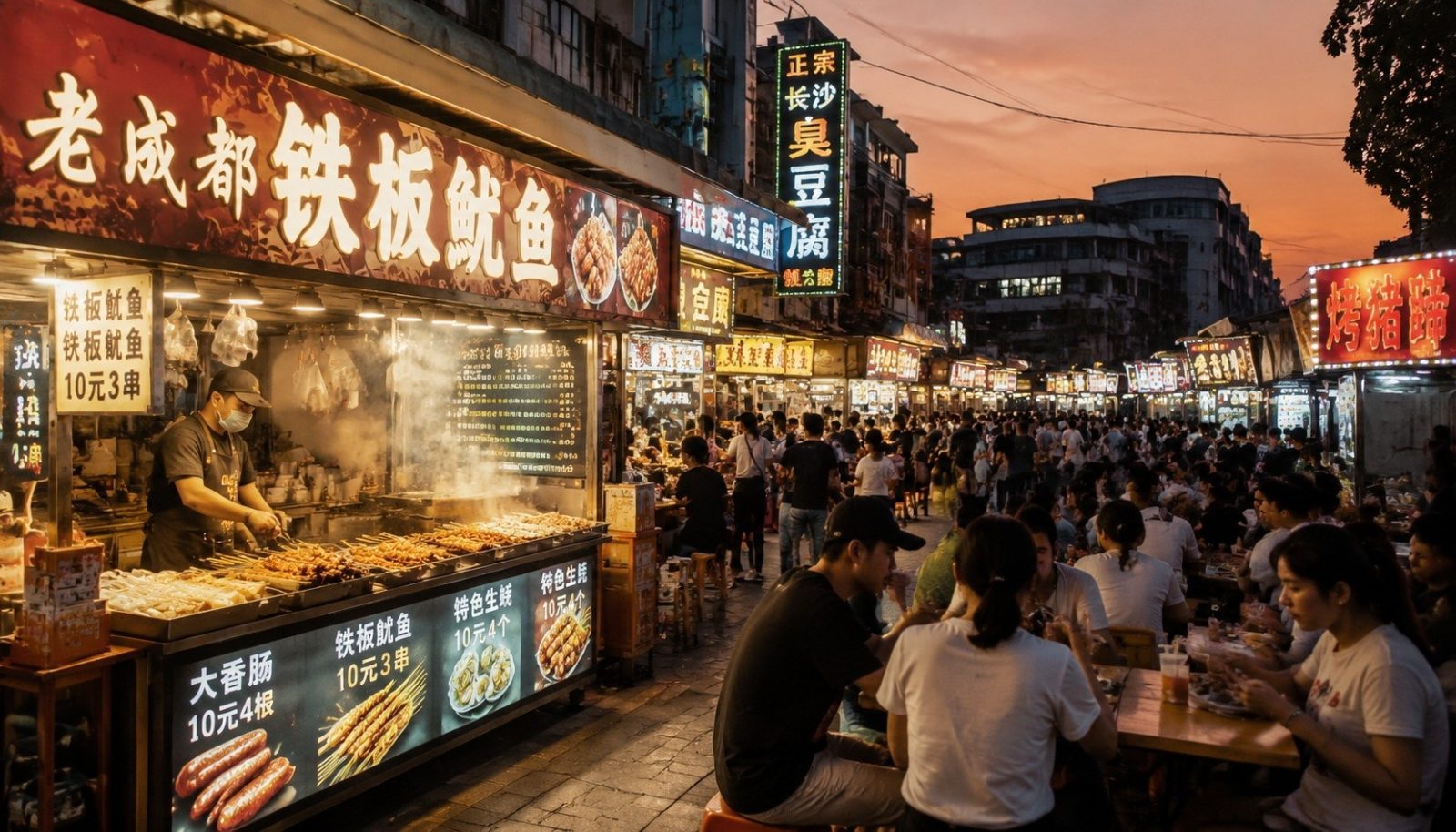

Introduction: The Feast in Martial Arts Novels
Imagine reading about a hero roasting a chicken wrapped in lotus leaves and mud, then cracking it open to reveal tender, fragrant meat. That’s the magic of wuxia novels — they make you hungry. Jin Yong, Gu Long, and other masters sprinkled their stories with dishes like “beggar chicken” (叫花鸡), “drunken duck” (醉仙鸭), and bowls of steaming noodles served at roadside inns. For decades, readers outside China have wondered: Are these foods real? Or just literary inventions?
Real-Life Jianghu Cuisine: From Fiction to Your Plate
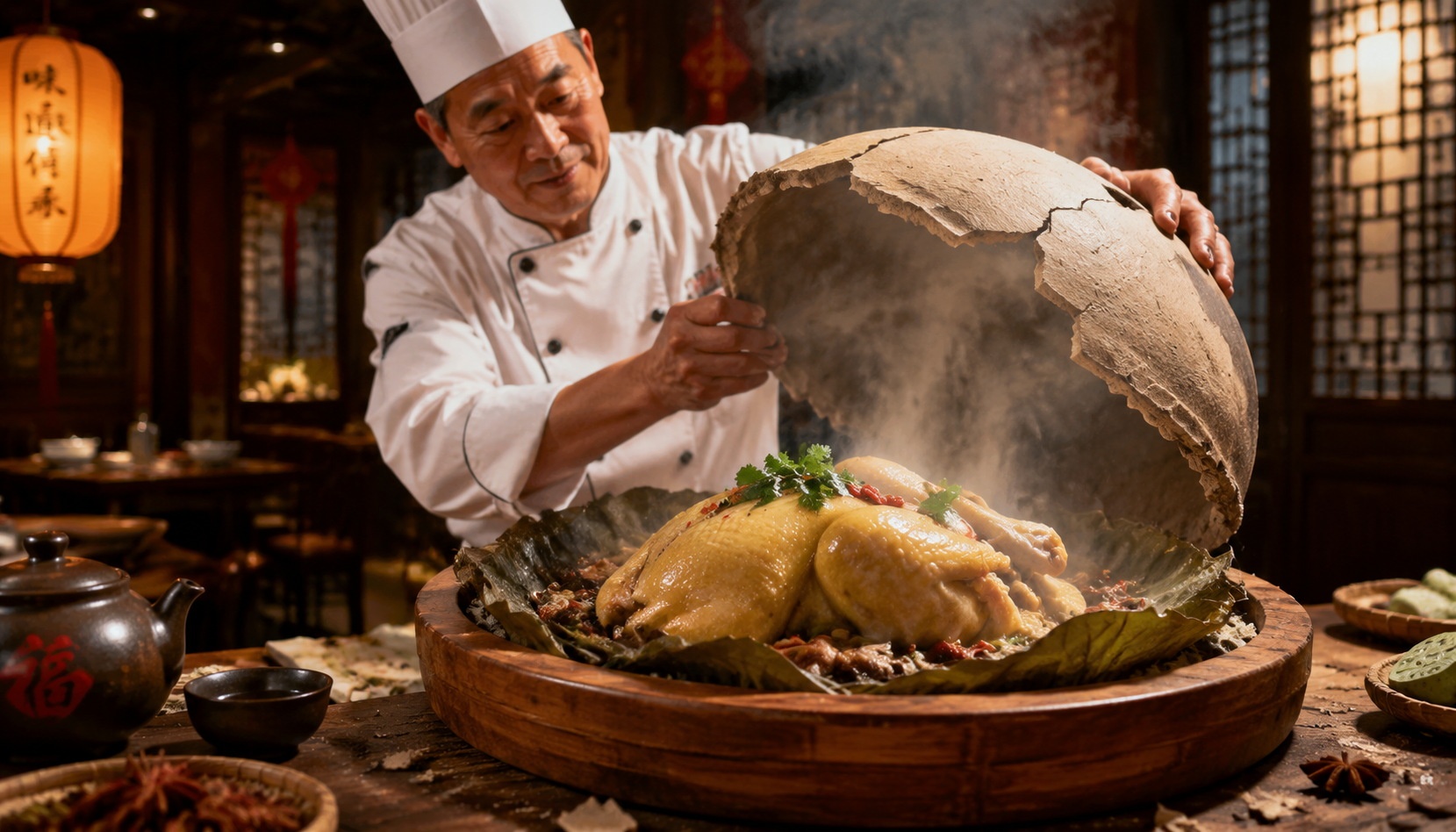
The surprising answer is: most of them are real — or have real counterparts. Take “beggar chicken.” Legend says a beggar stole a chicken, wrapped it in mud, and cooked it over an open fire. Today, you can find this dish in restaurants in Hangzhou and Shanghai, often served with a dramatic hammer to crack the hardened clay. I visited a famous shop in Hangzhou where the owner, Mr. Chen, has been making it for 30 years. “Every day we sell about 200 chickens,” he told me, wiping his hands on his apron. “Some customers say it tastes just like the one in Louis Cha’s novel.”
Then there’s drunken duck, simmered in Shaoxing wine and soy sauce, a specialty in Jiangsu. At a small eatery in Nanjing, I watched a chef pour a whole bottle of rice wine over the duck and set it ablaze — a theatrical touch that would make Gu Long proud. The customers cheered. One woman in her 30s said, “I came here because I remembered a scene from a novel where the hero drinks wine and eats this duck. It’s like stepping into the story.”
Street Eats and Night Markets: The Modern Jianghu
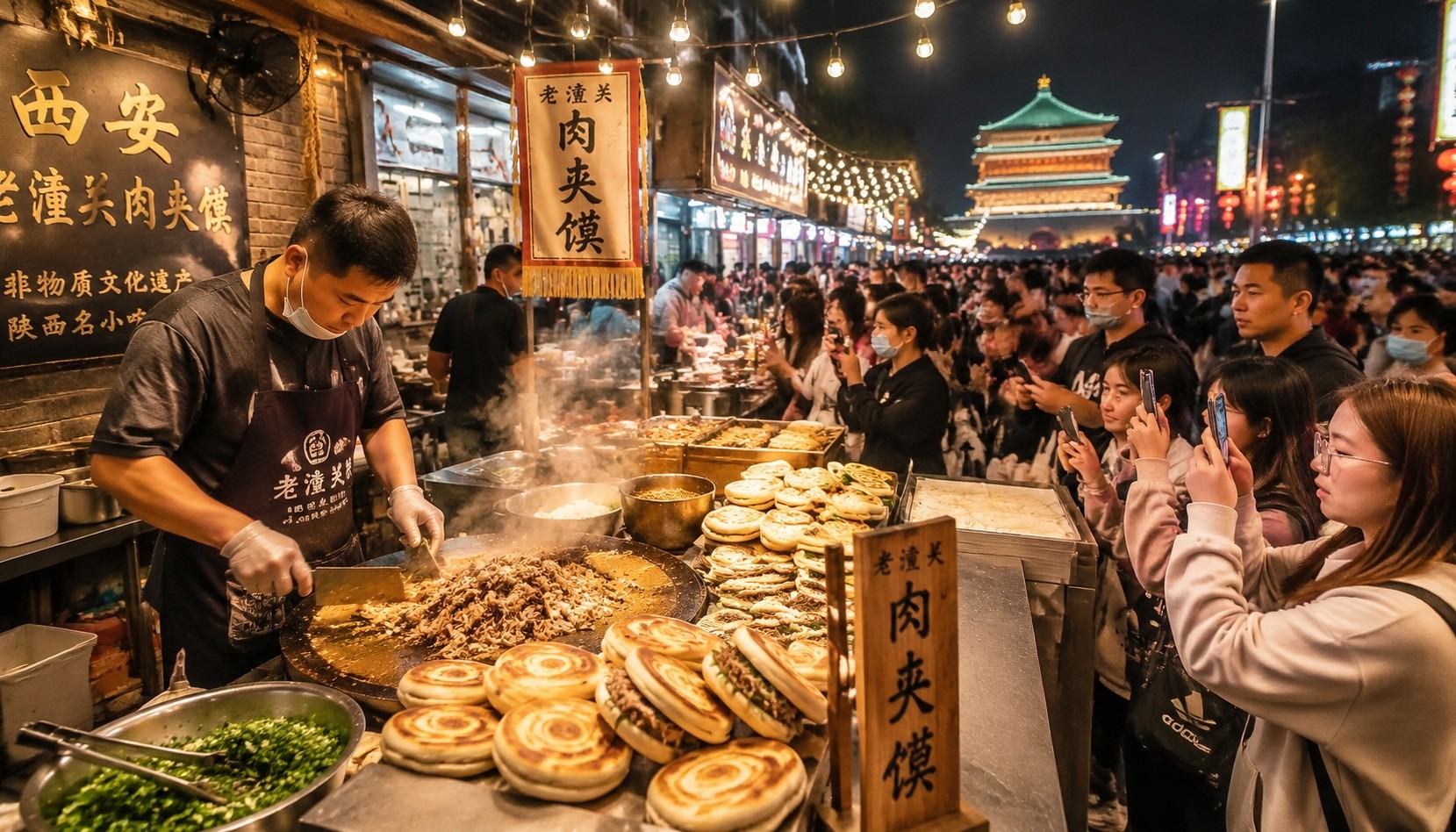
Wuxia food isn’t just about fancy restaurant dishes. The real jianghu — the world of wanderers and fighters — is mirrored in China’s street food culture. Every night, thousands of street stalls and food markets come alive with sizzling skewers, bubbling pots, and clouds of steam. In Chengdu, the “street fighter” snack is spicy rabbit head, gnawed with intense concentration. In Xi’an, it’s roujiamo (Chinese hamburger), a meat-stuffed bread that could fuel a long journey. And in almost every city, you’ll find midnight barbecue (烧烤) — grills loaded with lamb skewers, chicken wings, and vegetables, dusted with cumin and chili.
I talked to Xiao Wang, a 28-year-old office worker in Changsha. “After work, I come to this street with friends,” he said, pointing at a row of stalls. “We order twenty lamb skewers, some grilled eggplant, and cold beer. It feels like we’re in a martial arts novel — the noise, the heat, the freedom.” His friend added, “And the best part? No need for silver. We pay with our phones.”
Young Food Explorers: Social Media and the Hunt for ‘Jianghu Food’
Young Chinese are documenting their culinary adventures like never before. On platforms like Xiaohongshu (Little Red Book) and Douyin (TikTok), videos tagged with “江湖美食” (jianghu food) have billions of views. They show everything from re-creating fictional dishes at home to discovering hidden hole-in-the-wall spots that evoke the spirit of the novels.
One viral post featured a noodle shop in Chongqing where the owner serves “hero’s noodle” — a giant bowl with beef, tripe, and a chili oil so hot it makes your eyes water. The caption read: “This is what Duan Yu would eat.” I met the owner, Mr. Li, who grinned and said, “I read the novels when I was young. Now I make the food that the heroes would have eaten.” His shop is packed every evening with young people holding up their phones, filming the moment they take the first fiery bite.
This trend is not just about nostalgia. It’s a way for young people to connect with tradition on their own terms. They remix old flavors with modern presentation — plating the dishes on wooden boards, adding edible flowers, and pairing them with craft beer. “It’s like we’re creating our own jianghu,” said a university student in Beijing. “A world where food brings people together.”
Conclusion: Food as a Bridge Between Worlds
What makes jianghu food so powerful is that it blurs the line between fiction and reality. When you bite into a piece of tender braised pork that reminds you of a scene from The Legend of the Condor Heroes, you’re not just eating — you’re tasting a story. The streets of China are full of such stories, told through the hands of cooks who keep traditions alive while embracing change.
So next time you read a wuxia novel and your stomach growls, remember: the food is real. The people who make it are real. And the spirit of the jianghu — that mix of adventure, camaraderie, and hearty meals — is alive in every corner of modern China. Whether it’s a fancy restaurant recreating a classic dish or a midnight stall serving skewers under fluorescent lights, the table is always set for anyone hungry enough to explore.
Start the discussion at forum.chinacomes.com