

Field Notes from Yunnan
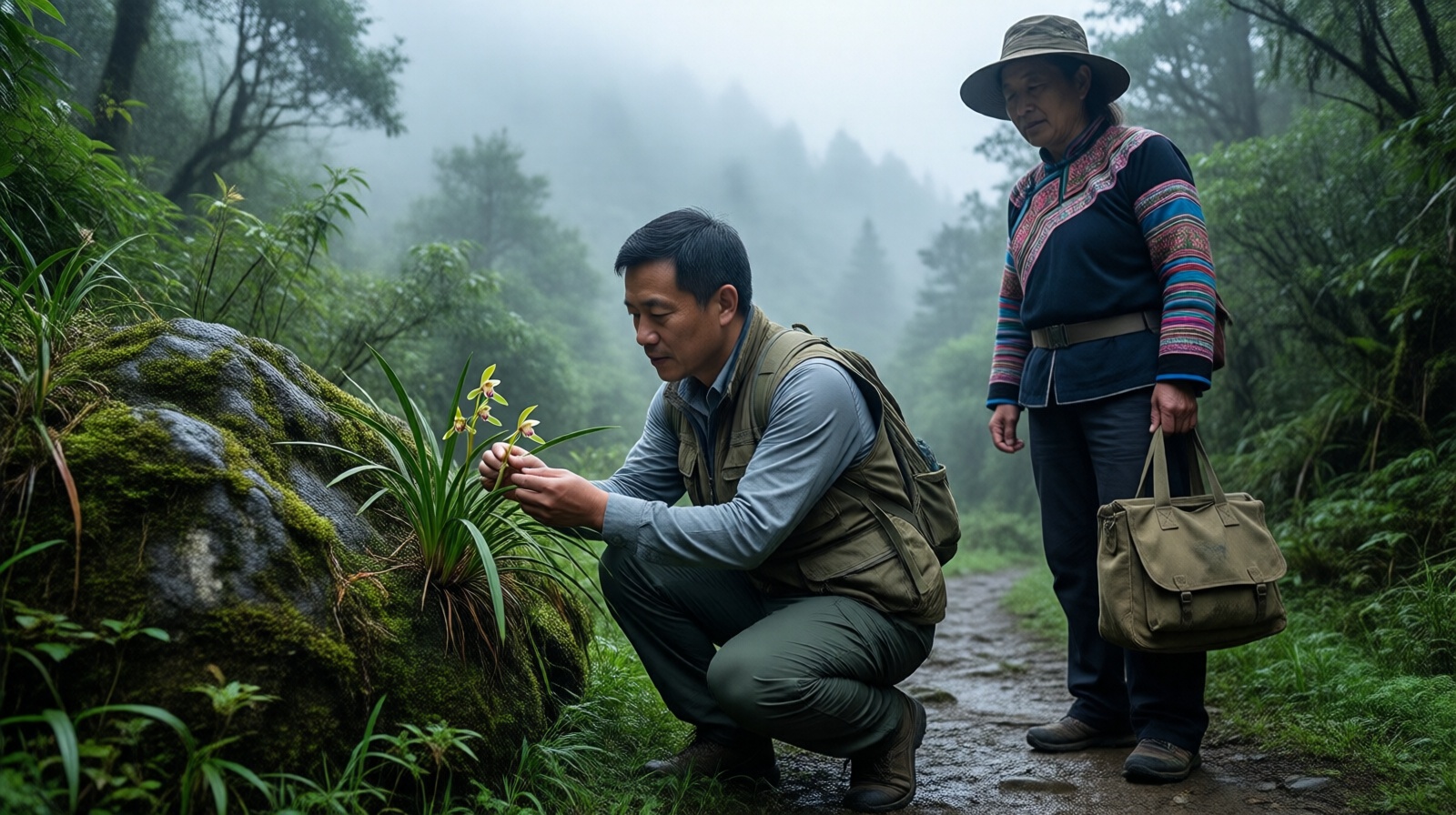
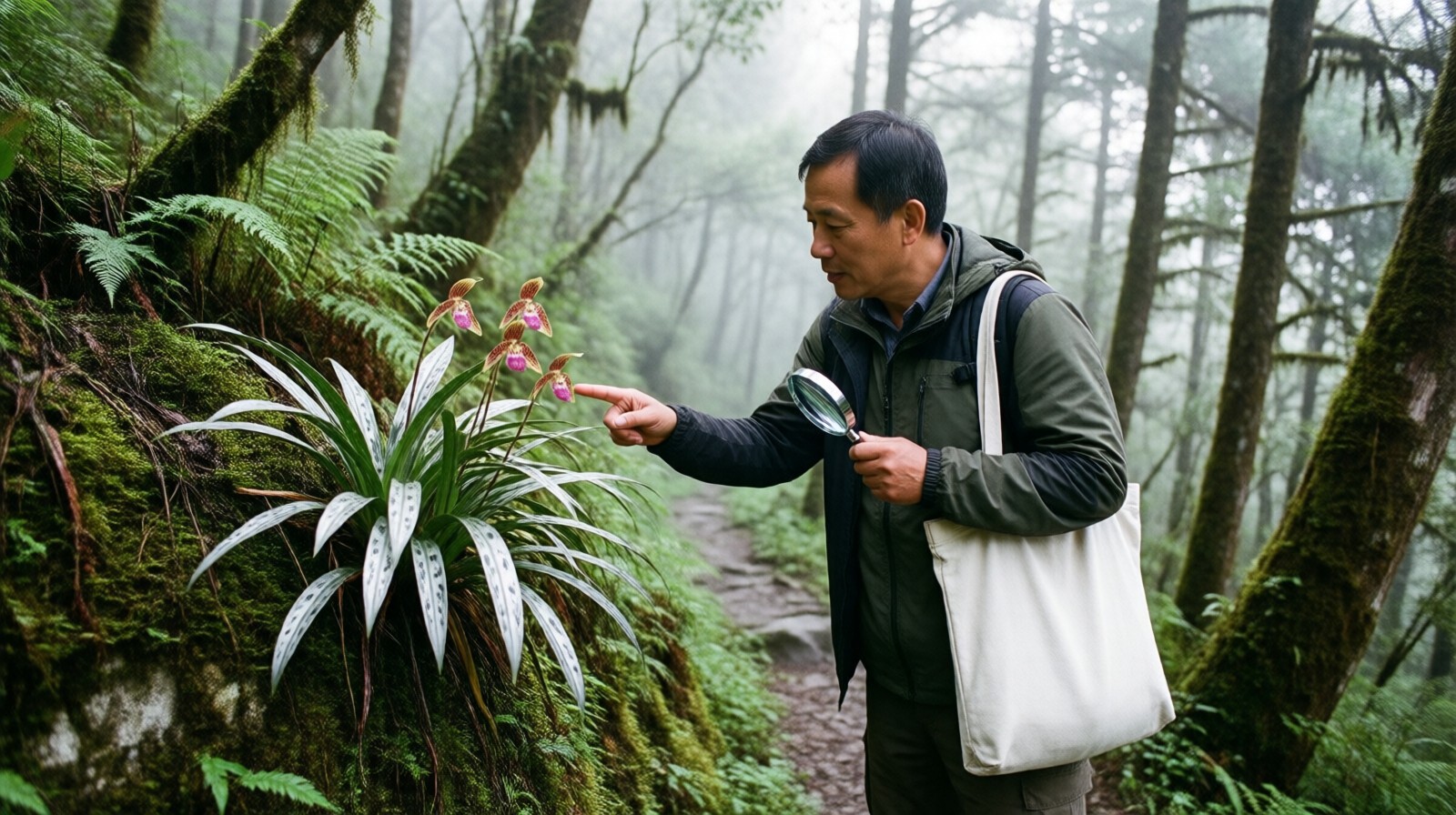
The morning fog had not yet lifted when Tang Rui, a botanist from the Kunming Institute of Botany, stopped on a narrow ridge in southern Yunnan. He pointed to a small orchid growing out of a moss-covered rock. Its leaves were blotched with silver, and its pale green flowers hung like tiny bells. “We don’t know this one yet,” he said. “It’s in the Dendrobium group, but the DNA test results haven’t come back. The smell is different, too.”
Tang is one of a generation of Chinese plant scientists who are doing more than adding new species to catalogues. Increasingly, their field notes lead to laboratory work, patent applications, and collaborations with the pharmaceutical industry. In Yunnan, a province long described as China’s botanical treasure house, the line between a rare wildflower and a potential drug is getting shorter.
Why Yunnan Has So Many Plants
Yunnan covers less than 5 percent of China’s territory, yet it hosts roughly half of the country’s higher plant species. More than 14,000 vascular plants grow in its valleys and mountain ranges, from tropical rain forests in the south to alpine meadows near the Tibetan Plateau. For a scientist, diversity is raw material. Every unknown species carries genes that might produce a new chemical compound.
The field trip that morning was not unusual. Tang and his team were surveying a forest corridor that had only been mapped on satellite images. They had hired two local villagers as guides. Without them, the scientists would have spent hours pushing through the same dense undergrowth. For the villagers, this is one of the few paying jobs available that does not involve logging.
At one point, the trail disappeared under a tangle of vines. A guide pulled a machete and stepped ahead. The air was heavy with the smell of damp earth and rotting flowers. Tang stopped to write something on a plastic tag. We were at 2,100 meters above sea level, and the weather had changed from warm to cold in twenty minutes.
What a New Orchid Can Do
The orchid Tang pointed at is a possible new species of Dendrobium, a genus that has been used for centuries in Chinese traditional medicine. Several Dendrobium species are sold by the kilogram as a tonic for the throat or stomach. Wild specimens, collected illegally, have fetched more than 10,000 yuan (about $1,400) per kilogram on the black market. But wild stocks are shrinking, and their chemical content often differs from cultivated plants.
In the lab, the orchid’s stems would be dried, ground, and extracted with solvents. The resulting mixture would be tested against cancer cells and bacteria. If any compound looks active, the next step is to isolate it, determine its structure, and begin animal tests. That process usually takes a decade and tens of millions of dollars. A few years ago, Tang’s team screened sixty plant extracts from the same valley. Two showed modest anti-inflammatory effects. Neither moved beyond a dish of cells.
“People think we are walking around with drug discoveries in our hands,” Tang said. “We’re not. Most of the time, we find nothing. But without the samples, there is no chance at all.”
A Long History of Plant-Based Medicine
The idea that wild plants lead to medicine is not new. Aspirin came from willow bark; quinine came from the cinchona tree. In the twentieth century, the Pacific yew yielded paclitaxel, a drug used against cancer. More recently, artemisinin, derived from sweet wormwood, became the first-line treatment for malaria. China has played a part in that story, thanks to centuries of medicinal plant use. China’s national pharmacopoeia includes hundreds of plant-based medicines, but the broader medicinal plant records count more than 10,000 species, many of them native to Yunnan.
Traditional knowledge gives researchers a head start. If a plant is used by healers to treat a wound or a fever, there is a significantly better chance that it contains biologically active substances. Yunnan’s ethnic minority communities, who live scattered across the forest regions, have refined that knowledge over generations. But the exchange is not always smooth. Property rights and intellectual protection remain delicate matters. Tang’s team now works regularly with a Kunming-based pharmaceutical company focused on natural product screening. They sign a contract that gives the company first rights to develop a promising compound, while the institute keeps the right to publish the formal description of the species. It is a model that is still new for many university departments.
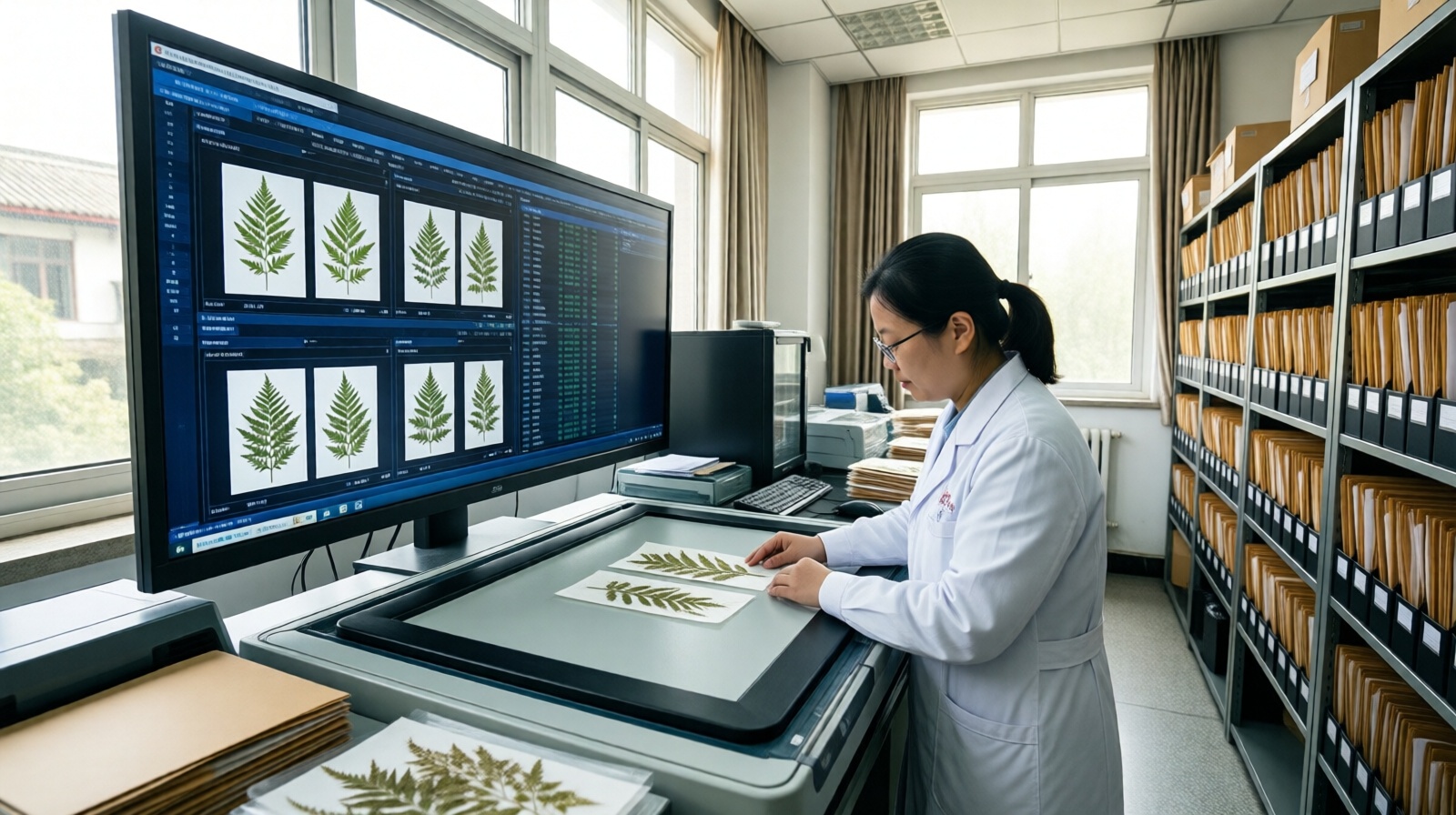
At the Kunming Institute of Botany, a herbarium the size of a football field stores more than 1.4 million pressed specimens. A technician pushes a scanner across a mounted plant, inserts the image into a database, and notes the GPS location. The specimen that Tang collected that morning will receive one of those bar codes. When the DNA analysis comes back, the data will be shared with colleagues in Geneva and Paris through international botanical networks.
From Seed to Supply
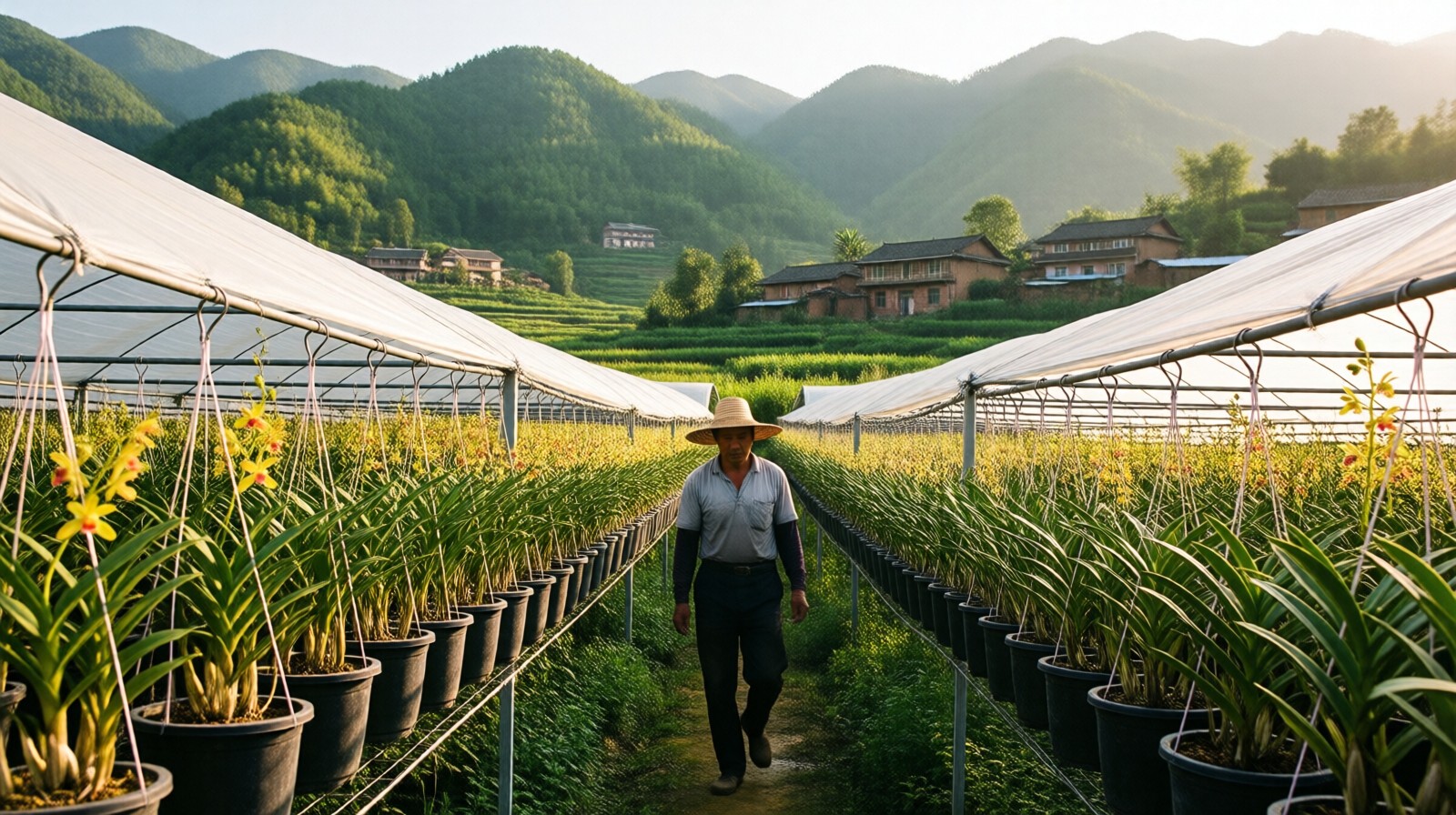
Finding a compound is not the same as making a drug. Even after a promising lead, the plant itself may need to be grown on a large scale. Wild harvest could wipe out the species. In Yunnan, researchers are starting to work with farmers to cultivate medicinal plants on farmland, easing the pressure on forests. For Dendrobium, farmers in some counties grow a commercial variety under shade cloth, an agricultural technique encouraged by the provincial government. The plants are sold to pharmacies, and the wild species stays protected in the reserves. It is a simple strategy, but one that carries complications.
Cultivated Dendrobium often has lower levels of the compounds that make it valuable. Farmers need to wait three years for the first harvest, and the market price fluctuates. Not everyone can afford that long a wait. In one village near Pu’er, a farmer told me that he switched from tea to Dendrobium after noticing a rise in demand from a Chinese medicine company. He earns about 20 percent more per square meter, but he also spends more on fertilizer and trust. “If the company stops buying, I’m back to tea,” he said.
Climate Change Adds a New Threat
Beyond markets, there is the more basic question of habitat. In the past decades, the average temperature at high elevations in Yunnan has risen. Plants that once thrived only in cool, damp gorges are moving uphill. But as one researcher put it: “The forest is moving up, but it can’t leave the mountain.” The result is a shrinking range for many species. The orchid Tang found that morning grows in a narrow band of altitude. If the temperature rises another degree or two, that band may disappear.
Scientists are also seeing changes in flowering times. A few species now bloom a month earlier than they did in the 1980s. That can confuse pollinators, and it can confuse researchers who return to the same spot to find no specimen. “You learn to love the uncertainty,” Tang said, “but it also makes you worry.”
Protecting What’s Left
Tang’s long weeks in the field are not motivated by a vague hope of profit. It is a belief that understanding a plant is the first step to protecting it. The more we know about a species, he says, the more reason there is to save it. In a country that is racing toward industrial efficiency, that may sound old-fashioned. But the plants are not optional. They are part of the raw material for the next generation of medicine, and they are disappearing faster than we can name them.
As we walked back to the village, Tang wrapped the orchid in a piece of damp paper and wrote the GPS coordinates on a corner. Later, in the herbarium in Kunming, it would be pressed and dried and given a bar code. If the DNA confirms that it is new, it will receive a Latin name. For now, that might be the end of this plant’s role in Tang’s work. But in a few years, a technician might look at its extract again, and the forest will have given something else.
Start the discussion at forum.chinacomes.com