
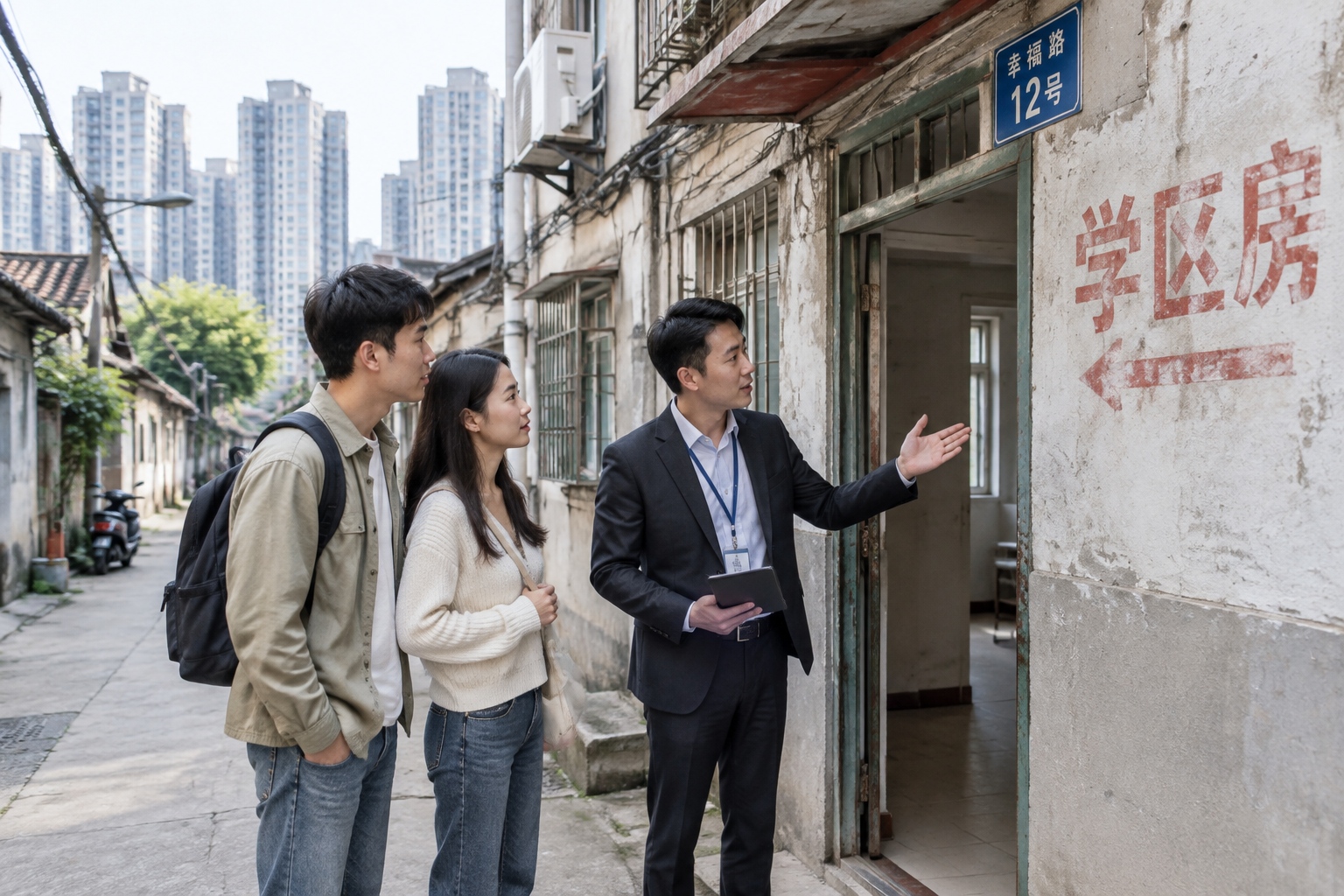

Introduction: A 50-Square-Meter Home for ¥12 Million
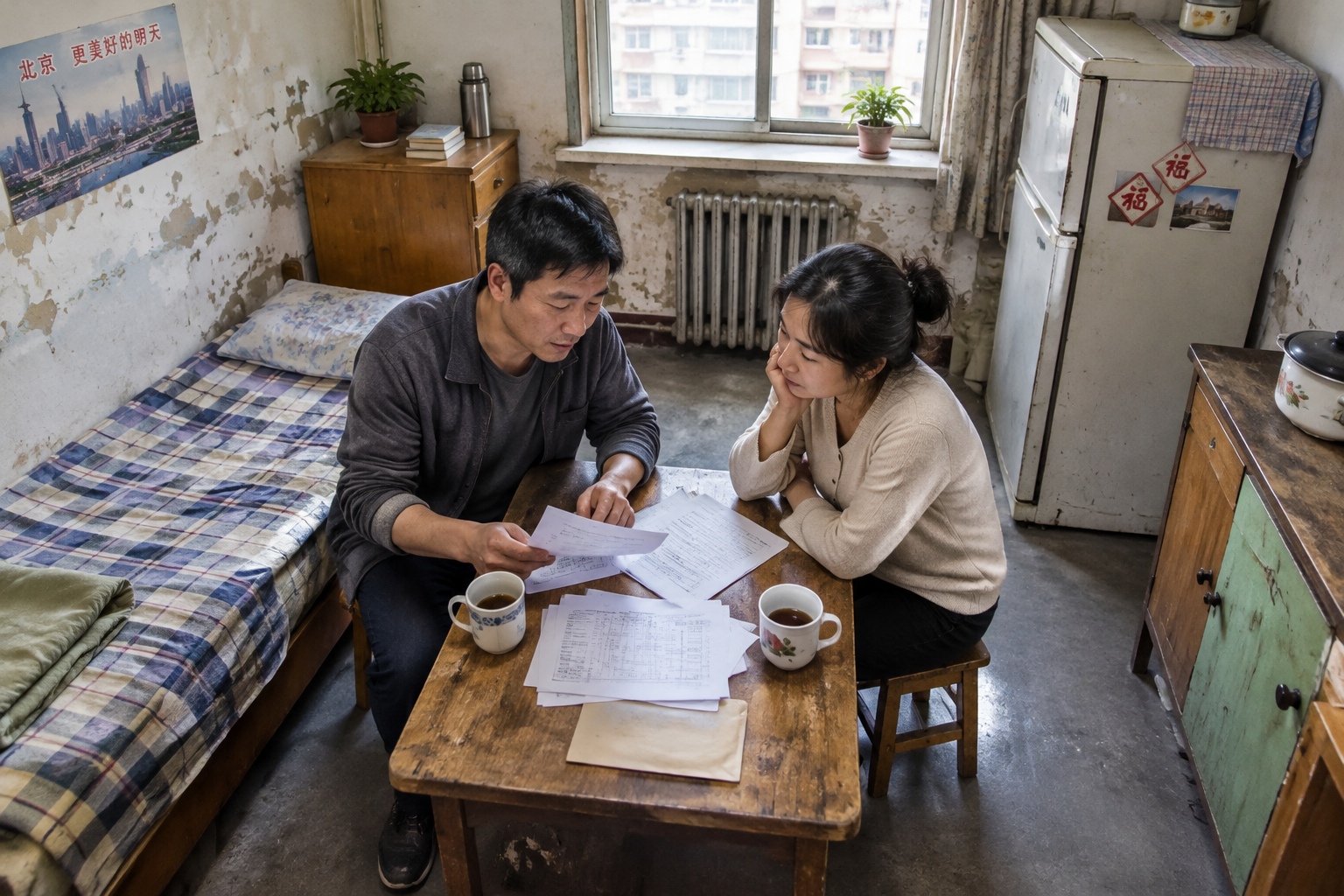
In 2023, a couple in Beijing paid ¥12 million (about $1.7 million) for a 50-square-meter apartment in the Haidian district. The apartment is nearly 40 years old, with peeling paint and no elevator. Why would anyone spend that much on such a humble home? The answer: it’s located right next to Zhongguancun No. 1 Primary School, one of the best public schools in the city. This story is not an outlier. Across China, parents are making similar sacrifices—sometimes selling their larger homes or taking on massive debt—to buy a so-called “school district house” (学区房 xuequfang).
What Makes a House a “School District House”?
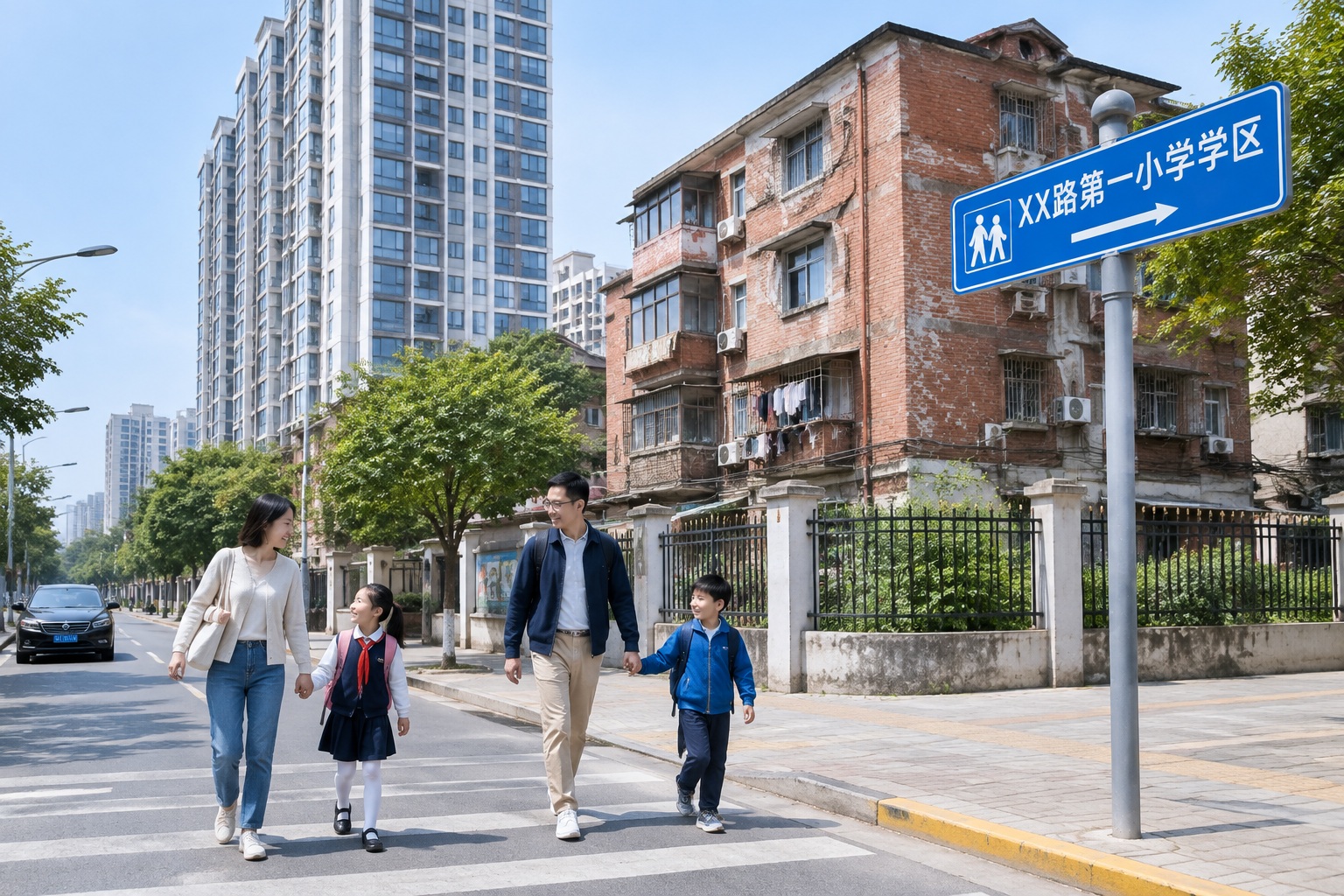
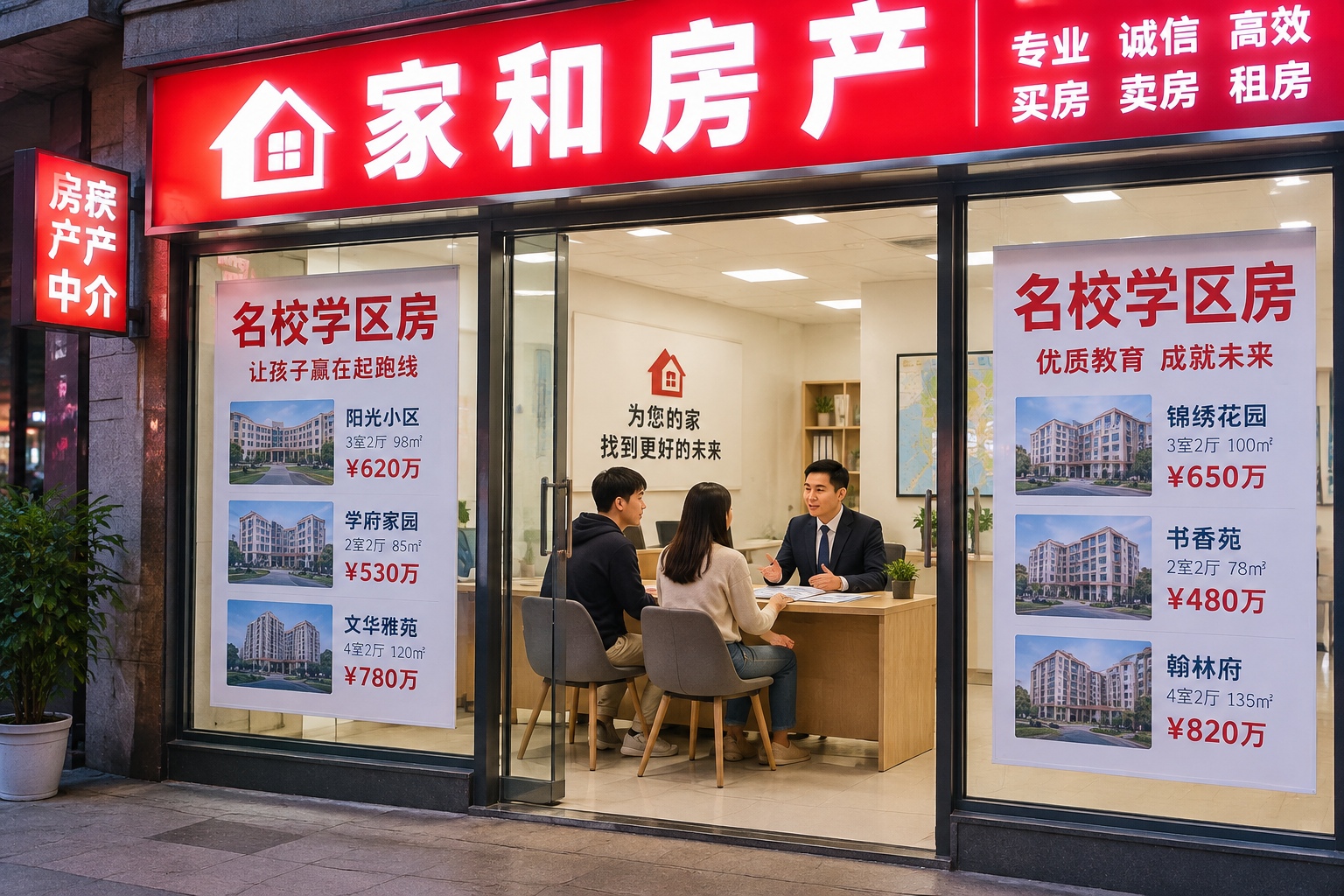
In China, public school enrollment is based on a strict proximity principle: children are assigned to a school based on the address of their household registration. A few high-performing schools, concentrated in city centers or specific neighborhoods, create a massive demand for homes within their catchment zones. These homes are not necessarily luxurious—in fact, many are cramped, old, or poorly maintained. But their price can be triple or even ten times that of similar homes just a few blocks away. The premium is the price of a superior education.
The phenomenon is most intense in first-tier cities like Beijing, Shanghai, and Shenzhen. For example, in Beijing’s Xicheng district, a 10-square-meter room without a kitchen or bathroom once sold for ¥3 million ($420,000) simply because it fell within the catchment of a top school. In Shenzhen, some school district apartments fetch over ¥200,000 per square meter ($2,800/sq ft), comparable to luxury condos in Manhattan.
Why Are Chinese Parents So Desperate?
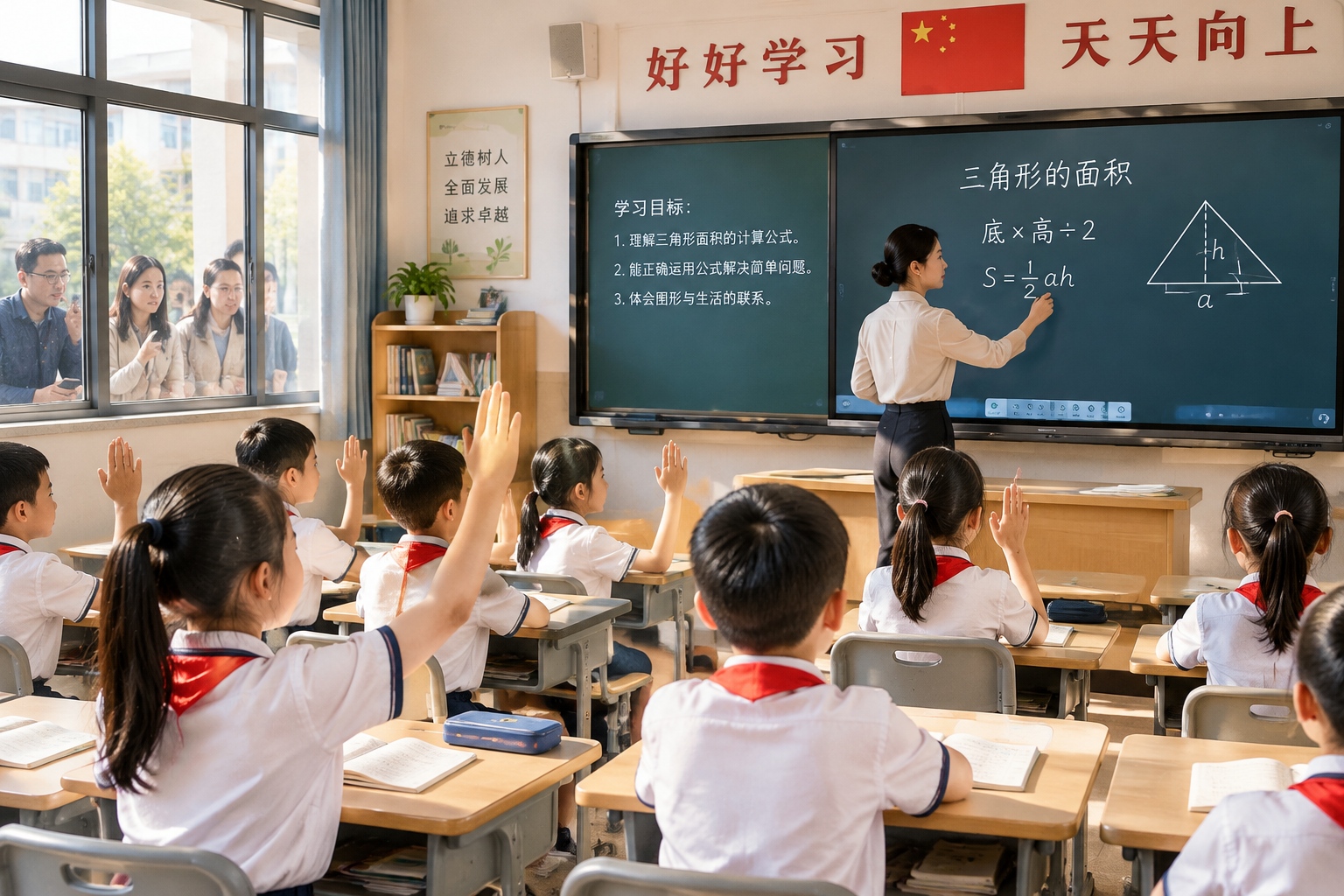
The root cause is a fiercely competitive education system shaped by the Gaokao, China’s national college entrance exam. A place in a prestigious university almost guarantees a well-paid job and social mobility. But the number of spots is limited: only about 5% of Chinese students get into the country’s 39 “Double First-Class” universities (the Chinese equivalent of the Ivy League). Parents believe that a good primary school leads to a good middle school, which leads to a good high school, which finally leads to a top university. The pressure starts at age 6.
Moreover, the government’s policy of “nearby enrollment” (就近入学), introduced to reduce school choice and ease competition, has backfired by embedding school quality into property prices. Instead of reducing anxiety, it has turned housing into an educational arms race. Data from the China Index Academy shows that in 2022, school district homes in Beijing’s core districts were priced 40% to 80% higher than non-school-district homes. The premium can reach 150% for the most coveted schools.
This desperation is not limited to the super-rich. Many middle-class families leverage their entire savings, take out large mortgages, and even borrow from relatives. A 2021 survey by the China Youth Daily found that 62% of parents said they would consider buying a smaller or older home just to get into a better school district. Some parents even buy a tiny room and then rent a larger apartment elsewhere, a practice known as “separate living” (分居).
The Government’s Response: Policies and Their Side Effects
Since 2020, many cities have introduced measures to cool the school district housing market. The most aggressive move came in 2021 when Beijing adopted a “multi-school zoning” policy, meaning that a single address no longer guarantees entry to a specific school; instead, children are randomly allocated among several schools in the zone. This policy, also implemented in Shanghai and other cities, has caused price drops of 10-30% in some previously hot school district areas. However, it has also created new uncertainty: parents still need to be in a good zone, but they might end up in a less desirable school.
Another approach is to improve the quality of less popular schools by sharing resources—sending experienced teachers, merging campuses, or creating school alliances. Some cities have also introduced a “six-year registration cycle,” which limits the sale of a property used for enrollment within six years, reducing speculation. Yet these measures take time to change the deep-seated belief that only a handful of schools are worth attending.
The biggest challenge is that the root cause—uneven distribution of educational resources—remains. In 2022, the Ministry of Education reported that the top 10% of primary schools in Beijing received more than 50% of the city’s total education funding. This inequality is reinforced by historical accumulation, teacher bonuses tied to school performance, and the Gaokao pressure. As long as the system rewards early advantage, parents will continue to chase school district homes.
The Human Cost: Anxiety, Debt, and Family Sacrifice
Beyond the money, there is a heavy emotional toll. Parents often describe the feeling of “buying peace of mind” when they secure a school district home. But the peace comes at a price: long commutes for children (some live far from the school district home and travel hours each day), cramped living conditions, and marital stress. A frequently shared story on Chinese social media tells of a father who sold his 120-square-meter home and moved into a 30-square-meter school district apartment, only to find his marriage crumbling under the strain.
The pressure is also shifting from primary school to earlier stages. Some parents now seek school district homes for kindergartens, or even start planning before their child is born. This relentless competition has sparked a national debate: Is the system fair? Is the sacrifice worth it? The answer is complicated, but one thing is clear—the school district housing phenomenon is a mirror reflecting China’s deep educational ambitions and the unintended consequences of policy.
Conclusion: Beyond the Bricks
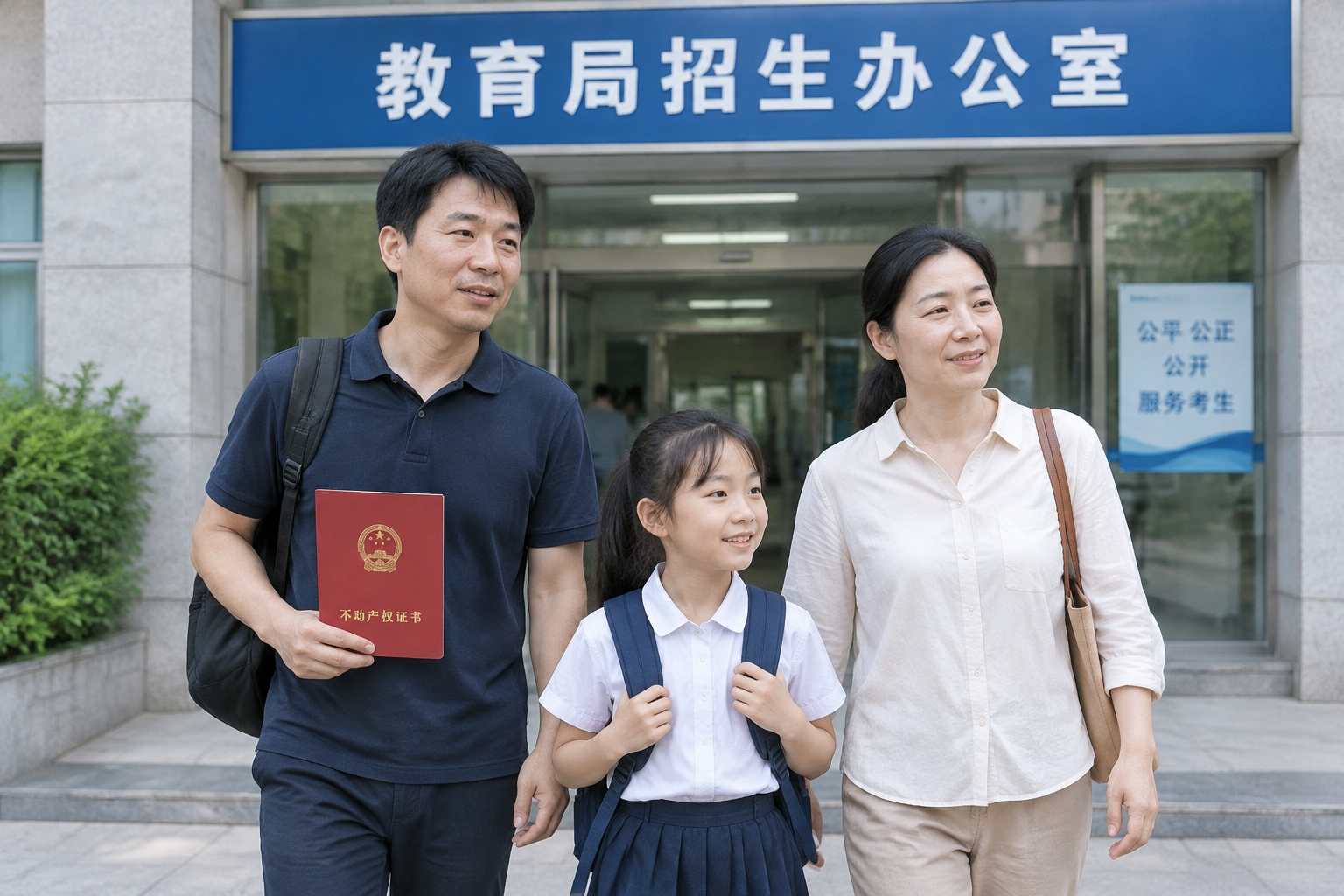
The school district house is not really about housing. It’s about hope, fear, and the belief that a child’s future can be bought with square meters and good addresses. While recent policies have started to crack the premium, the underlying demand remains strong as long as a top school is seen as the only route to success. For many Chinese parents, the decision to go broke for a school district home is not irrational—it’s a rational response to an irrational system. The real solution lies not in more housing regulations, but in making good education available to every neighborhood.
Start the discussion at forum.chinacomes.com