
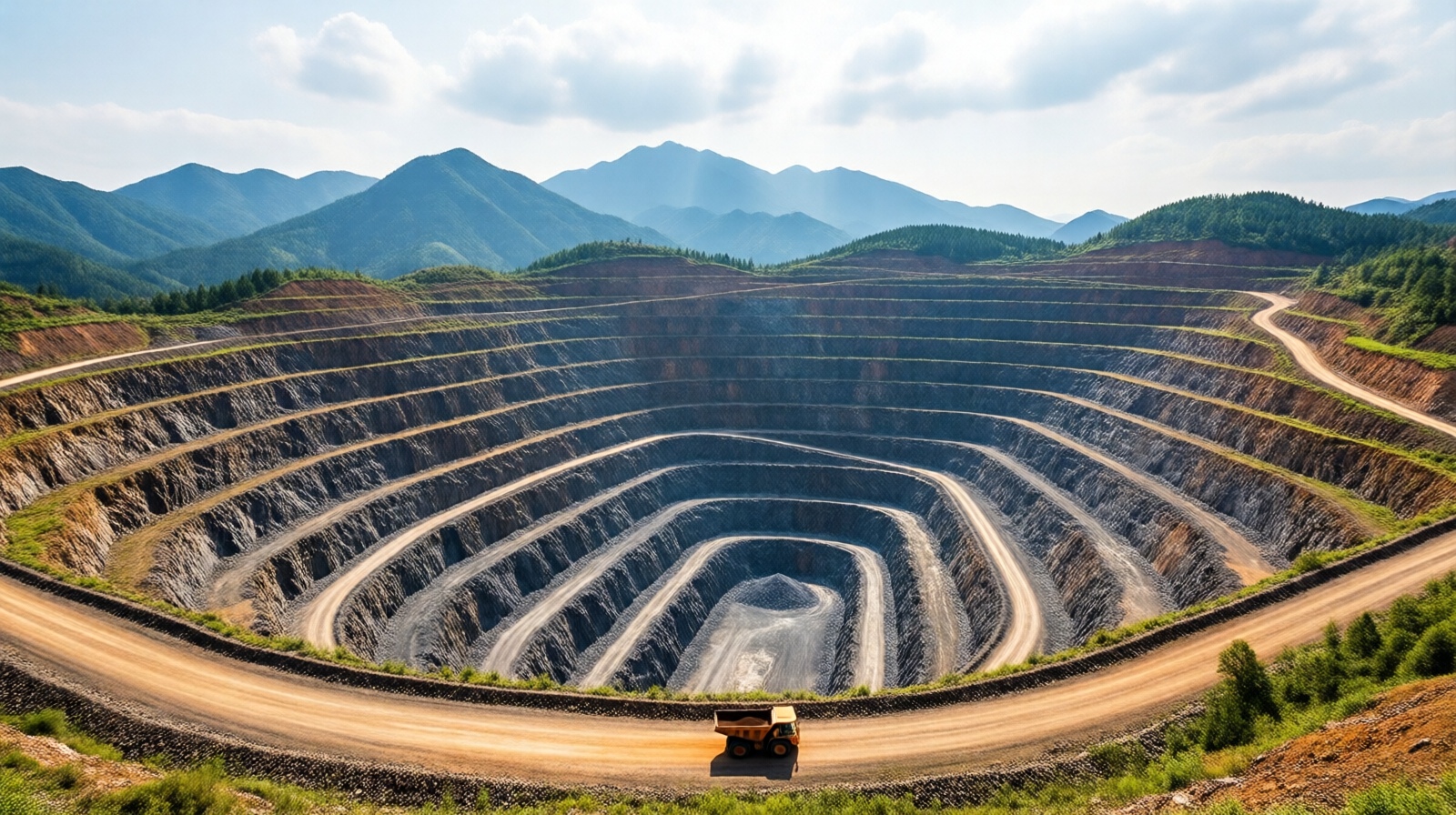

Introduction: A Pit So Wide, It Makes Its Own Clouds
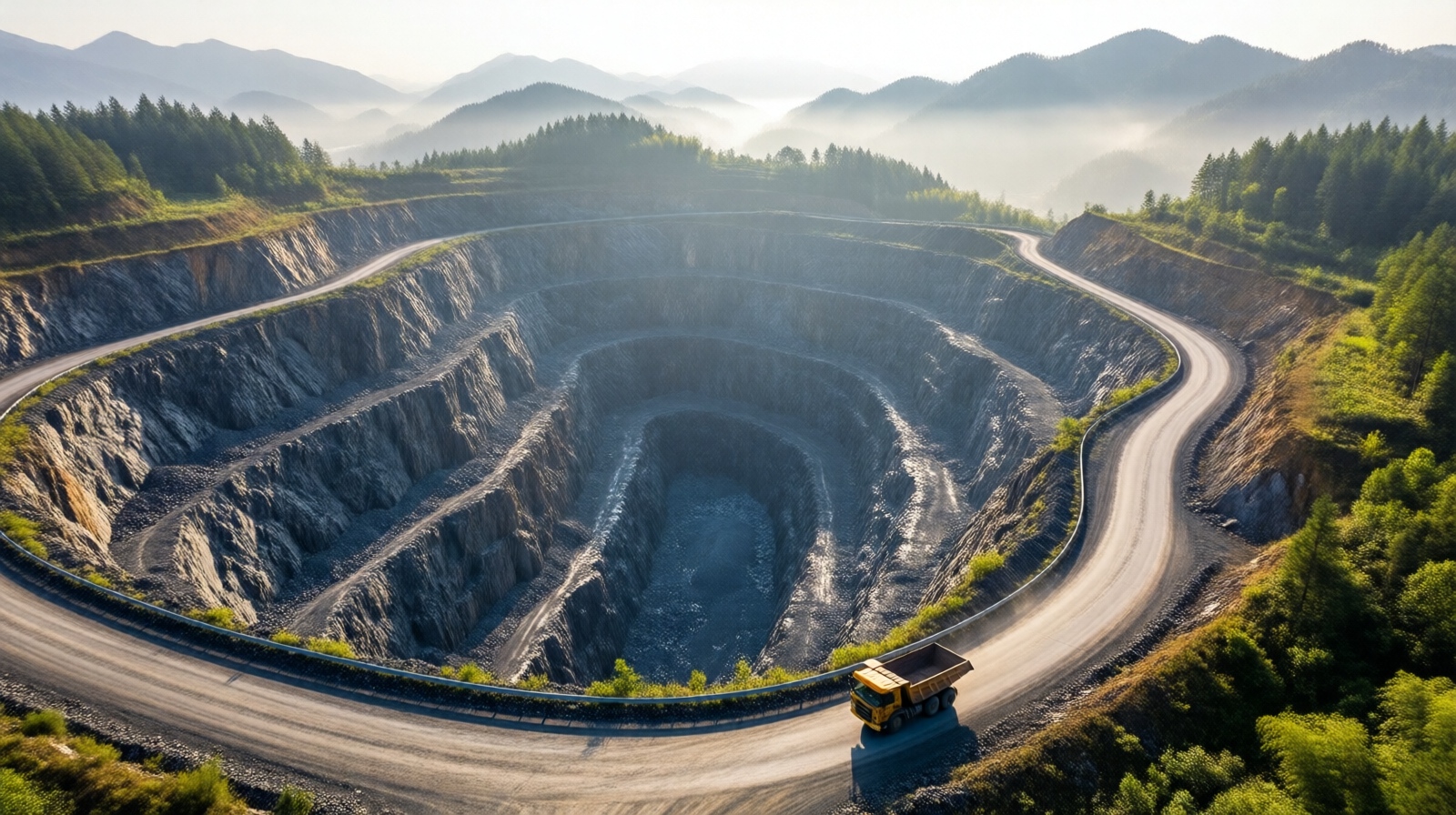
Stand on the edge of the Dexing Copper Mine in Jiangxi Province, and you may experience a strange kind of vertigo. The open pit stretches more than two kilometers across and drops nearly 500 meters down, so vast that weather patterns sometimes form inside it. The haul trucks moving along the winding benches look like toys from this height. This is the largest open-pit copper mine in Asia, and it is the reason a city of just 200,000 people, tucked into the mountains of eastern China, carries the nickname “Copper Capital.”
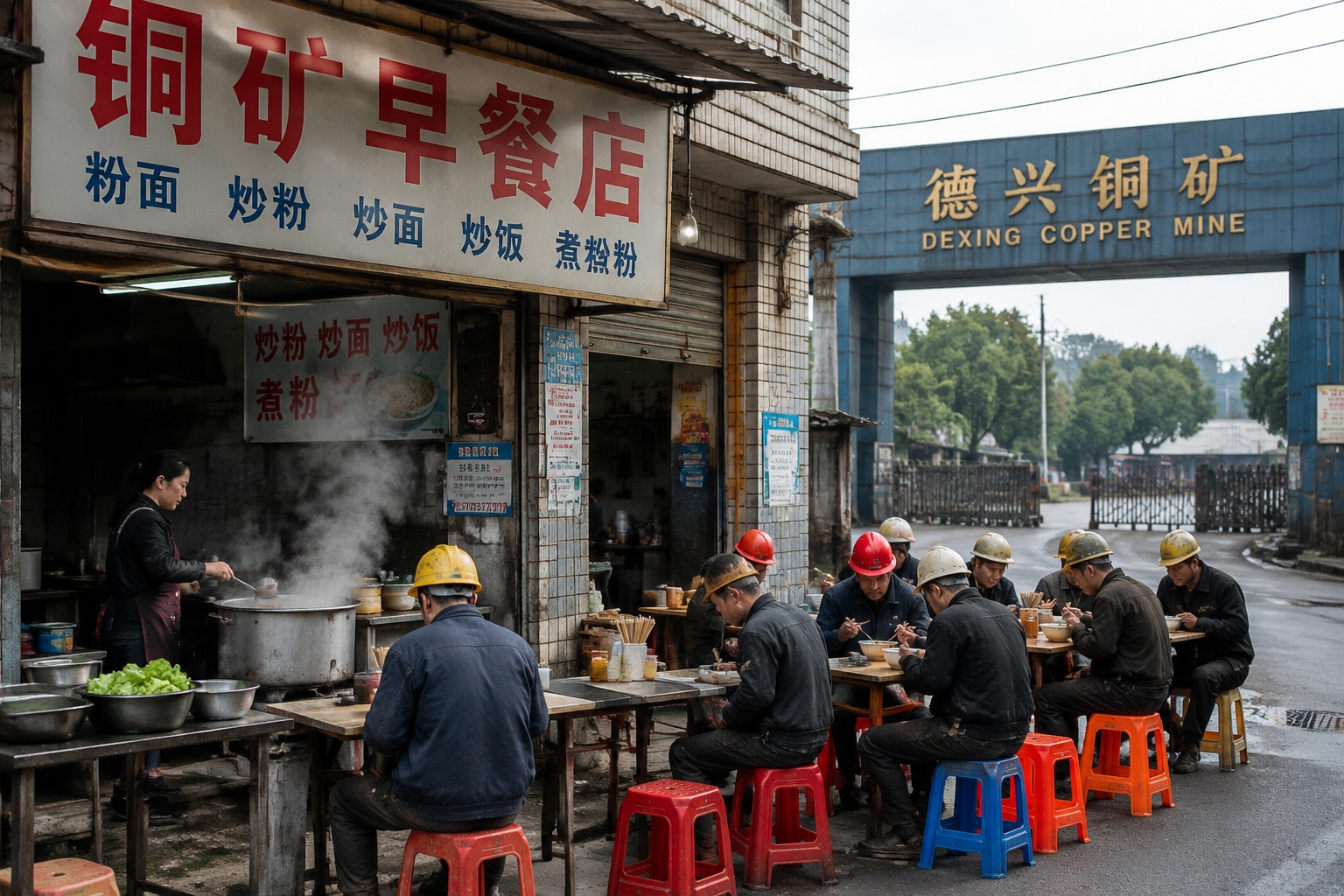
Daily Life in a Copper Town
In Dexing, copper is not an abstract market commodity. It is something you breathe, see, and talk about every day. Many residents either work for Jiangxi Copper, the state-owned giant that runs the mine, or they work for businesses that depend on it. The company’s apartment blocks, schools, and hospitals form a large band across the urban footprint. At a breakfast stall near the mine’s north gate, a middle-aged woman serving rice noodles told me that her husband and two sons are all mine employees. “The pay is good, but the work is intense,” she said, wiping a steam-covered counter. “Shift changes are irregular, and sometimes they stay on-site for days.” Her story is typical. For decades, a job at the mine, or at one of its dozens of suppliers, has been the most reliable path to a stable middle-class life in this region. Local shops adjust their hours to the mine’s shifts; taxi drivers know exactly which gate to wait outside. When copper prices climb, workers might get bonuses, and restaurants fill up. When prices fall, spending tightens.
From a Local Mine to a Global Giant
Jiangxi Copper’s rise began in 1979, when the central government selected Dexing as a key node for China’s industrialization. At that time, the mine was a modest open pit with a simple processing facility. The company grew step by step, diversifying into smelting and refining, and later listing on stock exchanges in Hong Kong and Shanghai. Today, Jiangxi Copper is China’s largest copper producer and ranks among the top five globally. In recent years, it has produced more than two million tonnes of cathode copper annually, which accounts for roughly 14 percent of China’s output and about 8 percent of global production. Its reach extends beyond its home province: Jiangxi Copper has acquired or invested in mines in Peru, Afghanistan, and other countries, and it operates a trading desk that deals in copper on global exchanges. Local analysts in Shanghai say that when Jiangxi Copper changes its production guidance, copper prices in Shanghai and London often react within minutes.
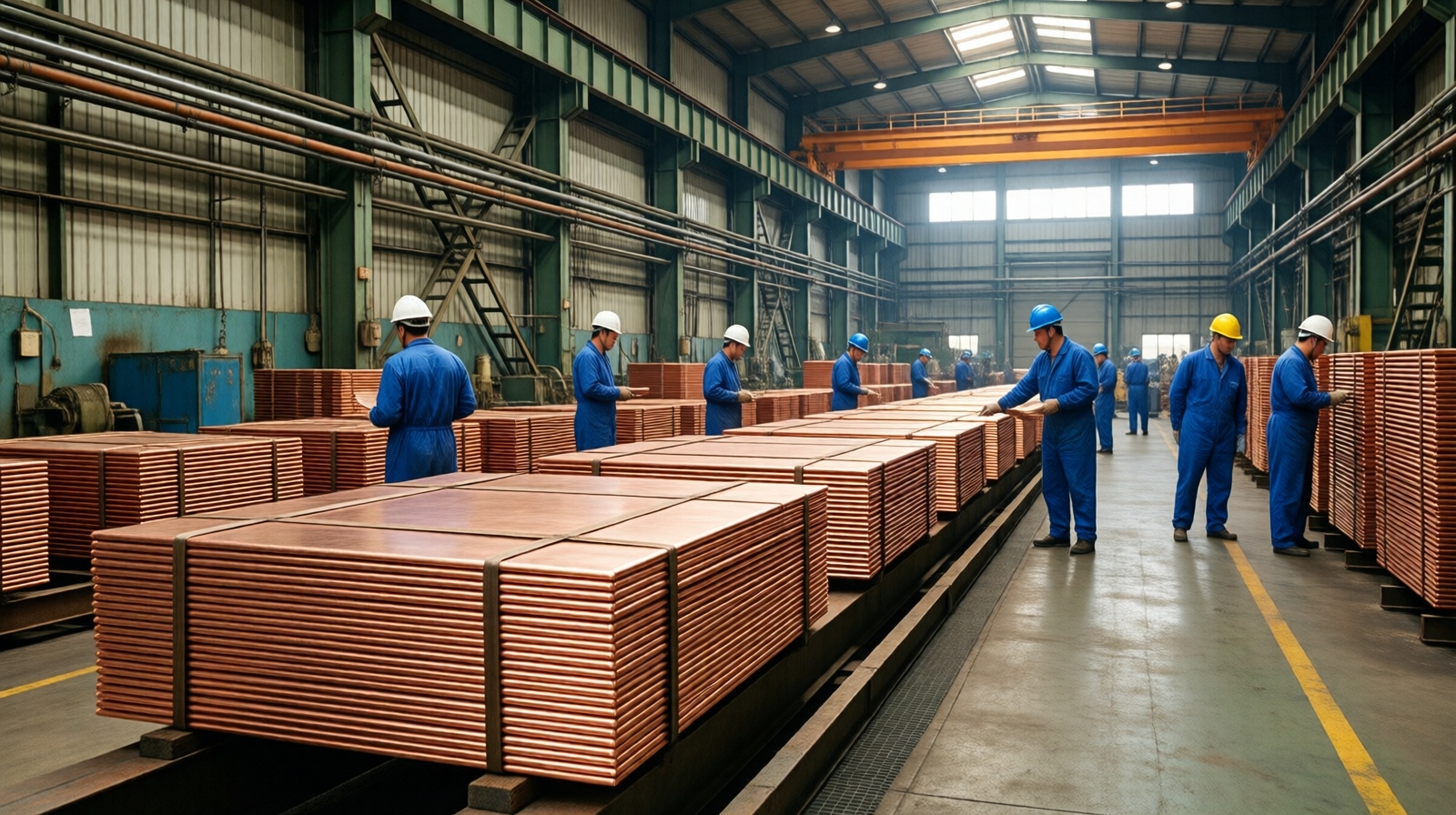
How Dexing’s Copper Reaches the World
The copper extracted from Dexing does not stay in the mountains. Ore is crushed, concentrated, and then sent by rail or truck to smelters in places like Guixi, in neighboring Jiangxi province—one of the largest copper refining complexes in the world. There, the concentrated material is melted and purified into cathode copper, the standard form traded on global markets. That copper then moves to factories across China and to ports for export. It becomes electrical wiring, motor components, and battery foils for electric cars and solar panels. As the world shifts toward renewable energy and electrification, demand for copper is expected to climb sharply, and Dexing sits right at the center of this supply chain.
Yet the flow is not one-way. Jiangxi Copper also imports tens of thousands of tonnes of copper concentrate from South America and Australia, blending domestic and imported feedstocks. This means that a mining town in inland China is not isolated from the world; it is tightly linked to the price of copper in London, to trade tensions, to geopolitical decisions in distant countries, and to the ever-changing appetite for green technology.
Environmental Costs and Community Responses
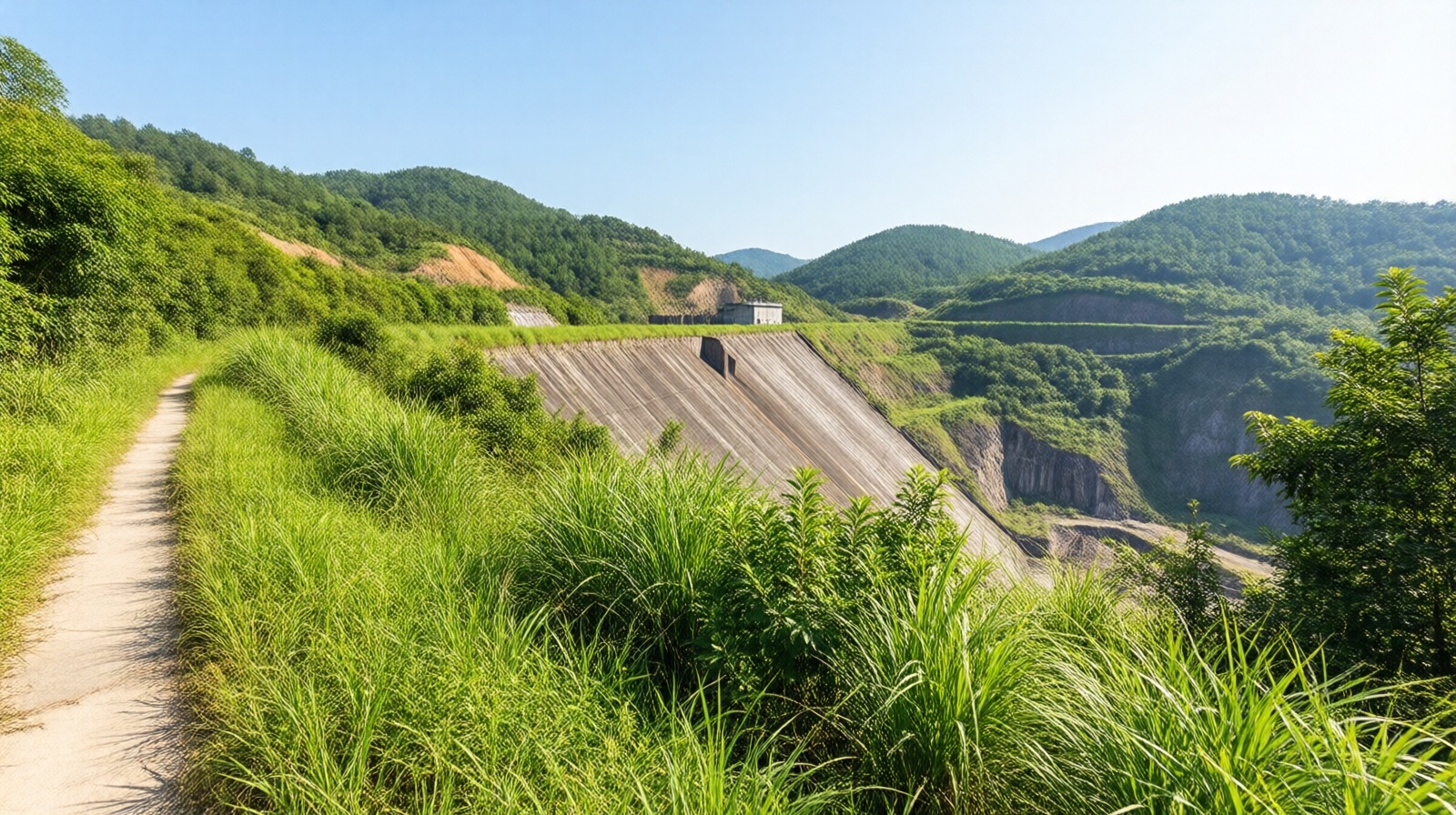
Decades of large-scale mining have left a heavy footprint. Tailings dams—vast engineered lakes filled with crushed rock residues—cover over a thousand hectares around the mine. In the past, acid mine drainage seeped into local rivers, and dust from the open pit settled on homes and crops. These problems have not disappeared entirely, but they are being addressed with increasing seriousness. Jiangxi Copper has invested heavily in modern water treatment plants, dust suppression systems, and the restoration of old waste dumps. Some former tailings areas now resemble green parks, with grass and shrubs growing over carefully layered subsoil. However, local residents remain cautiously hopeful. As a retired miner told me, “The air is clearer than it was twenty years ago, but we still ask questions about the water and the soil.” The company publishes environmental reports, but public trust takes time to rebuild.
The Road Ahead: Smart Mines and a Green Transition
Dexing is not just looking backward; it is also preparing for a future with less manual drilling and more automation. A central control room now monitors ore quality, equipment performance, and safety parameters in real time. Driverless haul trucks are being tested on the mine’s steep ramps, a move that could reduce accidents and improve efficiency. Digital “digital twin” models simulate the entire mine, helping engineers plan extraction with greater precision. These technologies could make mining safer and more environmentally friendly, but they are also changing the kind of jobs available. The mine once employed tens of thousands of manual laborers; now, many positions require engineering or software skills. For a small city like Dexing, this raises a serious question: will the next generation find work here?
The local government is trying to diversify. A new industrial park focuses on copper foil and high-end copper alloys used in electronics and electric vehicles. A circular-economy facility recovers valuable metals from smelting waste and tailings. But the city still struggles to retain young talent. Many university graduates prefer to seek their fortunes in Hangzhou or Shanghai, despite the mine’s relatively high salaries. “The wages are good, but there is more to life than copper,” a young engineer said as he prepared to transfer to a coastal city.
Conclusion: A Small City at the Center of a Big World
Dexing is not unique. Across China, many resource-dependent towns are wrestling with the same challenges: how to clean up after extraction, how to modernize, and how to create a future that does not rely solely on digging things out of the ground. But Dexing is also an essential thread in the global copper tapestry. When you use a smartphone or drive an electric car, you are touching the work of this small city. The label on the battery or the circuit board does not say “Made in Dexing,” but it is there. Understanding China’s role in the global economy means understanding that some of the most powerful economic flows start in out-of-the-way places like this.
Start the discussion at forum.chinacomes.com